Let’s talk about protecting your assets. Whether you’re a homeowner looking to shield your sedan, a rancher needing a robust shelter for equipment, or a business owner safeguarding inventory, the question often boils down to this: what’s the most practical, durable, and cost-effective solution? For many, the answer increasingly points to metal structures – carports, garages, barns, RV covers, and steel buildings. This isn’t just about throwing up a roof; it’s about making a strategic investment in permanence, protection, and peace of mind.
This guide will dissect the practicality and value proposition of metal structures, helping you navigate the options with expert insights and a clear understanding of what truly matters. We’re cutting through the marketing fluff to give you the real story on why these steel solutions are garnering such widespread attention from discerning property owners like yourself.
When we talk about metal carports, garages, or steel buildings, we’re not just discussing a simple covering. We’re talking about engineered structures designed for longevity, resilience, and adaptability. The “metal advantage” stems from the inherent properties of steel – strength, durability, and a surprising versatility that allows for a wide range of applications and designs. This isn’t your grandfather’s flimsy lean-to; these are robust, often pre-engineered systems built to last.
Defining Key Metal Structures
Before we dive deeper, let’s clarify what each type of metal structure typically entails. Understanding these distinctions is crucial for identifying the best fit for your specific needs.
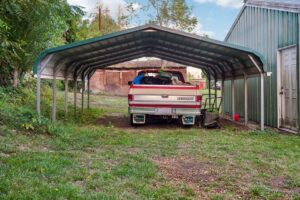
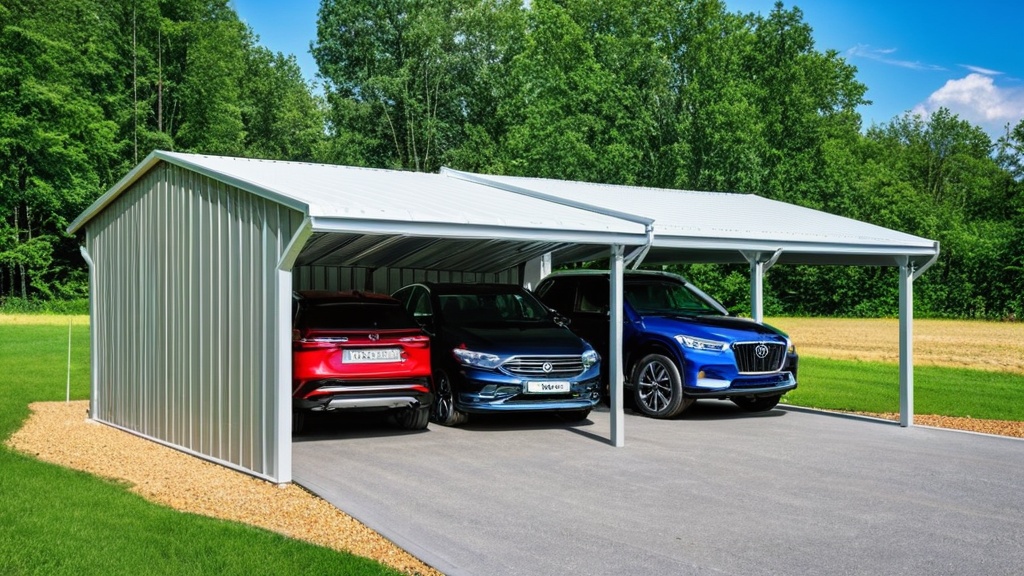
- Metal Carports: Primarily open-sided structures, offering overhead protection from sun, hail, and light snow. Ideal for vehicles, farm equipment, or as a shaded outdoor workspace. They are typically the most economical entry point into metal shelters.
- Metal Garages (Enclosed Carports): These are essentially carports with walls, often including a roll-up or walk-in door. They provide enhanced security and protection from the elements, becoming true storage or workshop spaces. Think of them as a traditional garage, but built with a steel frame and sheeting.
- Metal Barns: Designed for agricultural use, these can range from simple open-sided shelters for livestock to fully enclosed, multi-bay structures for hay, machinery, or even equestrian facilities. They often feature higher ceilings and wider spans than typical garages.
- RV Covers: Specialized carports or enclosed structures tailored to accommodate the dimensions of recreational vehicles. They prioritize height and length, protecting valuable RVs from UV degradation, weather, and potential hail damage.
- Steel Buildings: A broad category encompassing fully enclosed, robust structures for commercial, industrial, or large-scale agricultural purposes. These are often custom-engineered and can serve as warehouses, retail spaces, workshops, or large storage facilities. They represent the pinnacle of metal construction in terms of scale and customization.
The Core Value Proposition: Durability and Low Maintenance
One of the most compelling arguments for metal structures is their inherent durability. Steel is non-combustible, resistant to pests (termites don’t eat steel), and, when properly galvanized or coated, highly resistant to rust. This translates directly into lower maintenance over the lifespan of the structure compared to wood or other materials. Repainting, dealing with rot, or addressing pest infestations become non-issues. This long-term endurance contributes significantly to their investment value.
When considering whether metal carports are a good investment, it’s essential to explore various factors, including installation options and local availability. For those in Yellowstone County, Montana, a helpful resource is the article on metal carports available in your area. This article provides insights into the benefits of metal carports, installation services, and how they can enhance your property’s value. To learn more, you can visit the article here: Metal Carports Near Yellowstone County, MT.
Engineering Standards: The Foundation of Reliability
When investing in a metal structure, the engineering behind it is paramount. This isn’t merely about aesthetics; it’s about safety, structural integrity, and ensuring your investment can withstand the forces of nature. Savvy buyers will always inquire about the engineering specifications.
Snow Load: Protecting Against Winter’s Weight
For anyone in regions experiencing snowfall, snow load capacity is a critical consideration. This refers to the maximum weight of snow per square foot that a roof can safely bear without structural failure. Manufacturers design structures to meet specific snow load ratings, often expressed in pounds per square foot (PSF).
- Certification Matters: A certified structure means it has been engineered and independently verified to meet or exceed specific local building codes for snow load. Uncertified structures, while potentially cheaper upfront, carry significant risk in adverse weather and may not be insurable or pass local inspections.
- Local Requirements: Building codes vary dramatically by geography. A carport suitable for South Florida will not suffice in Colorado. Always confirm that the snow load rating for your chosen structure aligns with your local building department’s requirements. This often involves contacting your county or city planning office.
Wind Load: Battling the Gusts
Wind is another powerful force that metal structures must withstand. Wind load refers to the pressure exerted by wind on a structure, potentially causing uplift or lateral stress. Like snow load, wind load is expressed in pounds per square foot (PSF) or miles per hour (MPH) for a given exposure category (e.g., open country vs. urban environment).
- Anchoring and Framing: Wind resistance is heavily dependent on the quality of the steel framing, the gauge of the sheeting, and crucially, the anchoring system. Proper ground anchors (concrete anchors, rebar anchors, mobile home anchors) are vital for preventing uplift.
- Building Height and Profile: Taller structures and those with steeper roof pitches can be more susceptible to wind forces, requiring more robust engineering.
- Geographic Variations: Coastal areas, tornado alleys, and regions with frequent high winds will have much stricter wind load requirements. Again, local building codes are your definitive guide. Certified structures provide assurance that these factors have been addressed by professional engineers.
Certification: The Mark of Trust and Compliance
The term “certified” is thrown around frequently, but what does it really mean in the context of metal buildings? A certified metal structure means that its design has been reviewed and stamped by a licensed Professional Engineer (PE). This engineer attests that the structure meets or exceeds the minimum load requirements (snow, wind, seismic) of the International Building Code (IBC) or relevant local codes for its intended geographical location.
- Why Certification is Non-Negotiable:
- Permitting: Many jurisdictions require certified drawings and calculations to issue a building permit. Without certification, obtaining a permit can be impossible, leading to fines or forced demolition.
- Insurance: Insurance companies are far more likely to cover a certified structure. In the event of damage, an uncertified structure might leave you uninsured.
- Safety: Most importantly, certification provides a level of assurance that the building is structurally sound and safe for its intended use and environment.
- Resale Value: A properly permitted and certified structure adds tangible value to your property.
Practical Considerations for Buyers
Beyond the engineering, there are several practical aspects every property owner should consider before purchasing a metal structure. These insights will help you avoid common pitfalls and ensure a smooth acquisition and installation process.
Installation: DIY vs. Professional
Most reputable metal building suppliers offer professional installation services, often included in the price. However, many components are designed for straightforward assembly, making DIY installation an option for those with the appropriate tools, skills, and manpower.
- DIY Considerations:
- Savings: Can save money on labor costs.
- Tools & Equipment: Requires drills, wrenches, levels, and often ladders or lifts, particularly for larger structures.
- Time Commitment: Can be a time-consuming project, especially for larger builds.
- Warranty: Ensure a DIY installation doesn’t void any portions of the manufacturer’s warranty.
- Safety: Working with large, heavy steel components requires caution and proper safety gear.
- Professional Installation Advantages:
- Expertise: Experienced crews know the product and assembly process precisely, minimizing errors.
- Speed: Generally much faster than DIY.
- Warranty Intact: Ensures the manufacturer’s warranty remains fully valid.
- Convenience: You don’t have to lift a finger (or a heavy beam).
Regardless of who installs, a level foundation is absolutely critical. Concrete slabs, gravel pads, or even compacted dirt can work, but uneven ground will compromise the structure’s integrity and potentially void warranties.
Sizing and Customization: Tailoring to Your Needs
One of the strengths of metal buildings is their adaptability. They come in a vast array of standard sizes, but many manufacturers also offer significant customization options.
- Length, Width, Height: These are the primary dimensions. Consider future needs, not just current ones. Will you get a bigger RV? More equipment?
- Roof Styles:
- Regular (Rounded): Most economical, typically for carports. Good for lighter weather.
- A-Frame Horizontal: Looks more like a traditional roof, but panels run horizontally. Better for moderate snow.
- Vertical (A-Frame Vertical): Premium option, with panels running vertically from ridge to eave. Best for heavy snow and rain, as debris sheds easily. This is often recommended for certified structures.
- Enclosure Options: Walls (partial or full), gables, garage doors (roll-up, overhead), walk-in doors, windows, frameouts for future additions.
- Gauge of Steel: Thicker gauge steel (e.g., 12-gauge vs. 14-gauge) provides greater strength and durability to the frame. Sheeting gauge also varies and impacts resilience.
- Color Choices: A range of colors is typically available to match existing structures or aesthetics.
When sizing, pay particular attention to the ‘legs’ or upright posts. Will they interfere with vehicle doors or equipment movement? Ensure enough clearance for your intended use.
Pricing Factors: Decoding the Costs
The price of a metal structure is influenced by several key factors, and understanding them helps in budgeting and comparing quotes apples-to-apples.
- Size: Larger structures naturally cost more due to increased material and labor.
- Gauge of Steel: Thicker frame (e.g., 12-gauge) and sheeting (e.g., 26-gauge vs. 29-gauge) increases cost but improves durability.
- Roof Style: Vertical roofs are typically more expensive than horizontal or regular roofs.
- Enclosure and Accessories: Adding walls, doors, windows, gables, or framing inserts significantly increases the price.
- Certification: Certified structures incur engineering costs, usually adding 10-20% to the base price, but are often a legal and practical necessity.
- Delivery and Installation: These are often included, but remote locations or challenging access may incur surcharges.
- Site Preparation: Costs for leveling the ground, pouring a concrete slab, or installing a gravel pad are typically separate and borne by the property owner.
- Local Market Conditions: Material costs and labor rates fluctuate.
Always request itemized quotes to compare different vendors accurately and ensure you understand what’s included and what’s not.
Sure, here is the sentence with the clickable link:
Watch our Expert Metal Carport and Steel Building Installation Videos on YouTube.
Legal and Local Considerations: Don’t Skip the Permits
This section is often overlooked, leading to significant headaches, fines, and even forced demolition. Ignoring local regulations is a costly mistake.
Building Codes and Permits
Almost all permanent exterior structures, including metal carports, garages, and buildings, require a building permit from your local city or county planning department. This is not optional.
- Why Permits are Required: To ensure the structure is safe, properly engineered, and compliant with zoning laws, setbacks, and structural integrity requirements (snow load, wind load).
- The Permitting Process:
- Research: Contact your local planning/building department. Ask explicitly about requirements for the type of metal structure you intend to build (carport, garage, etc.). Inquire about setbacks, maximum height, impervious surface limits, and foundation requirements.
- Submit Plans: You’ll typically need to submit engineered drawings (provided by certified manufacturers) and a site plan showing where the structure will be placed on your property.
- Inspections: Depending on the jurisdiction, there may be foundation inspections, frame inspections, and final occupancy inspections.
- Consequences of No Permit: Fines, removal orders, difficulty selling your property (unpermitted structures may make financing difficult), and potential insurance claim denials if structural failure occurs. Do not assume a “carport” is exempt – many jurisdictions treat even open-sided structures as requiring permits.
HOA and Deed Restrictions
If you live in a community with a Homeowners Association (HOA) or if your property has specific deed restrictions, you must consult these documents before planning any construction. HOAs can have very specific rules regarding:
- Approved Materials: Some HOAs prohibit metal siding or roofs.
- Aesthetics: Color palettes, roof styles, and overall appearance requirements.
- Location: Specific setback requirements from property lines or other structures.
- Approval Process: You will almost certainly need to submit your plans to the HOA for review and approval before applying for a municipal permit.
Ignoring HOA rules can lead to fines, legal action, and forced removal of your structure.
When considering whether metal carports are a good investment, it’s essential to explore various factors that contribute to their value and functionality. For instance, understanding the benefits of custom metal garages can provide additional insights into how these structures can enhance your property. You can read more about this in a related article that discusses the advantages of custom metal garages in specific regions, which can be found here. This information can help you make a more informed decision about investing in a metal carport.
Short-Term vs. Long-Term Investment: The True Value
| Factors | Considerations |
|---|---|
| Cost | Initial investment is lower compared to traditional garages |
| Durability | Metal carports are known for their long-lasting nature |
| Maintenance | Requires minimal maintenance compared to other structures |
| Resale value | May add value to the property |
| Customization | Options for customization to fit specific needs |
| Permit requirements | Check local regulations for permit requirements |
Is a metal carport or garage a good investment? This depends on how you define “investment.” If you’re looking for an immediate financial return, perhaps not directly. However, if you consider the protection of assets, longevity, and property enhancement, the answer is a resounding yes.
Protecting Your Valuables
The primary return on investment comes from asset protection. A vehicle unprotected from the elements will suffer accelerated paint degradation, interior fading, and potential damage from hail or falling debris. Farm equipment left unsheltered rusts faster and requires more frequent maintenance, shortening its operational life. RVs, boats, and commercial inventory are high-value assets that benefit immensely from dedicated shelter. The cost of a metal structure is often far less than the accelerated depreciation or repair costs for irreplaceable items.
Property Value Enhancement
A well-built, properly permitted, and aesthetically pleasing metal structure can absolutely increase your property’s value, especially if it’s a fully enclosed garage or workshop. Buyers often appreciate having ready-made storage, covered parking, or dedicated workspace that is durable and low-maintenance. The key here is “well-built” and “properly permitted” – a shoddy, unpermitted structure can be a liability.
Durability and Low Lifetime Cost
Compared to wood, a metal building typically has a longer lifespan with significantly less maintenance. While the upfront cost might be comparable or slightly higher than some temporary or flimsy alternatives, the total cost of ownership over 20-30+ years is often lower due to reduced repair, painting, and pest control expenses. This makes it a sound financial decision in the long run.
When considering whether metal carports are a good investment, it’s essential to explore various factors such as durability, maintenance, and potential resale value. A related article that delves deeper into the benefits of custom metal garages can provide valuable insights for homeowners looking to enhance their property. For more information on this topic, you can read about it in this informative article that discusses the advantages of investing in custom metal garages near Rich County, UT.
Are Metal Carports a Good Investment? – Yes, with Caveats.
To directly answer the question, yes, metal carports and their kin are generally a very good investment. They offer robust, long-lasting protection for assets, require minimal maintenance, and when properly planned and permitted, can enhance property value.
However, this positive investment hinges on several crucial caveats:
- Quality and Engineering: Prioritize certified structures that meet or exceed local snow and wind load requirements. Skimping on quality here is a false economy.
- Permitting and Compliance: Failure to obtain necessary permits and adhere to local codes or HOA rules can turn an asset into a massive liability.
- Proper Sizing and Customization: Ensure the structure truly meets your current and foreseeable future needs. An undersized carport quickly becomes inadequate.
- Reputable Supplier: Choose a manufacturer and installer with a proven track record, good warranties, and excellent customer service.
When these conditions are met, a metal carport, garage, barn, or steel building provides tangible benefits and enduring value that far outweigh the initial outlay. It’s an investment in protection, longevity, and the intelligent use of your property.
FAQs
What are the benefits of investing in a metal carport?
Metal carports offer several benefits, including protection for vehicles from the elements, such as sun, rain, and snow. They also provide additional storage space and can increase the value of a property.
How long do metal carports typically last?
Metal carports are known for their durability and can last for many years with proper maintenance. They are resistant to rust, corrosion, and other forms of deterioration, making them a long-term investment.
Are metal carports cost-effective compared to other options?
Metal carports are generally more cost-effective than traditional garage structures. They require less maintenance and are often more affordable to install. Additionally, they can be customized to fit specific needs and are often more affordable than building a traditional garage.
Do metal carports add value to a property?
Yes, metal carports can add value to a property. They provide additional storage and protection for vehicles, which can be attractive to potential buyers. Additionally, they can enhance the overall aesthetic of a property.
What should I consider before investing in a metal carport?
Before investing in a metal carport, it’s important to consider factors such as the size and style of the carport, local building codes and regulations, and the specific needs of the property. It’s also important to research reputable suppliers and consider the long-term benefits of the investment.