For homeowners, ranch owners, business proprietors, and property stewards, the need for robust, reliable equipment storage is perpetual. From ATVs and garden tractors to heavy machinery, critical inventory, and commercial vehicles, protecting your investments from weather, theft, and deterioration is paramount. Metal buildings offer a superior solution, combining durability, adaptability, and cost-effectiveness. This guide delves into the specifics, helping you make informed decisions about carports, garages, barns, RV covers, and multi-purpose steel structures designed for optimal equipment safekeeping.
The Unyielding Advantage of Steel: Why Metal Buildings Dominate Equipment Storage
When considering long-term storage solutions, the material choice is foundational. While wood and other constructions have their place, steel consistently outperforms for equipment, particularly in terms of longevity, maintenance, and security.
Durability and Longevity: A Structure Built to Last
Steel’s inherent strength is unmatched. Unlike wood, it doesn’t warp, rot, crack, or become susceptible to pest infestations like termites. A properly engineered steel building can withstand many decades of exposure to harsh elements, offering a virtually maintenance-free exterior. This translates to less time and money spent on repairs and more time focusing on your core operations or leisure.
Security Features: Protecting Your Valuables
A primary concern for any equipment owner is security. Metal buildings, with their robust frames and solid paneling, offer a significant deterrent to theft and vandalism. Integrating secure doors, windows, and reinforced locking mechanisms turns a metal structure into a formidable fortress for your assets. The lack of easy entry points compared to some wooden structures makes steel a preferred choice for high-value items.
Weather Resistance: Standing Strong Against the Elements
From torrential rains and blizzering snows to high winds and scorching sun, equipment is vulnerable to rapid degradation. Metal buildings are designed to shed water efficiently, prevent ice buildup, and resist high wind loads. Manufacturers engineer these structures to meet specific snow and wind load requirements, ensuring your investment remains protected regardless of local weather patterns. This is particularly crucial for costly machinery and vehicles sensitive to moisture and extreme temperatures.
For those interested in the advantages of metal buildings for equipment storage, a related article that provides valuable insights is available at this link: Pre-Engineered Metal Buildings Near Daggett County, UT. This article discusses the benefits of pre-engineered metal structures, highlighting their durability, cost-effectiveness, and versatility, making them an excellent choice for various storage needs.
Decoding Your Options: Types of Metal Buildings for Equipment
The term “metal building” encompasses a wide array of designs, each tailored to specific storage needs. Understanding these categories is the first step toward finding your ideal solution.
Open-Sided Structures: Carports and RV Covers
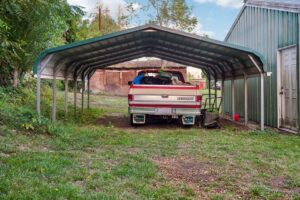
Carports and RV covers represent the simplest form of metal equipment storage. They consist of a roof supported by steel columns, providing essential protection from sun, hail, and light snow.
- Definition: Open-sided structures primarily designed for vehicle coverage.
- Best For: Cars, trucks, boats, RVs, ATVs, farm implements that require basic overhead protection but don’t need full enclosure.
- Pros: Cost-effective, quick installation, good ventilation, easy access.
- Cons: Limited security, no protection from wind-driven rain or dust, minimal temperature regulation.
- Examples: A rancher needing to shield a tractor from sun, a homeowner protecting an RV from sun damage in the off-season.
Enclosed Structures: Garages and Workshops
Moving beyond basic coverage, enclosed metal garages and workshops offer comprehensive protection and versatility.
- Definition: Fully enclosed structures with walls, a roof, and an entry system (garage doors, walk-in doors).
- Best For: Vehicles requiring full weather protection, tools, power equipment, small machinery, workshops, secure inventory storage.
- Pros: Excellent security, full weather protection, better temperature regulation (with insulation), dedicated workspace potential.
- Cons: Higher cost than open structures, requires more site preparation.
- Examples: A homeowner needing a secure place for a classic car and power tools; a small business owner requiring a workshop and storage for spare parts.
Large-Scale Solutions: Agricultural Barns and Commercial Steel Buildings
For agricultural operations, industrial uses, or extensive equipment collections, larger, more robust steel buildings are often necessary.
- Definition: Expansive, often clear-span structures designed for large-scale storage, agricultural operations, or commercial applications.
- Best For: Farm equipment (tractors, harvesters), hay storage, livestock shelter, industrial machinery, warehousing, large fleet vehicles, expansive workshops.
- Pros: Maximum clear-span interior space, highly customizable, extremely durable, can accommodate large overhead doors.
- Cons: Highest cost, requires significant site preparation and often professional installation.
- Examples: A farmer housing multiple combine harvesters and attachments; a construction company storing heavy excavation equipment; a commercial enterprise needing a warehouse for inventory.
Engineering, Certification, and Site Specifics: Non-Negotiables for Quality
A metal building is a significant investment, and its long-term performance hinges on sound engineering and adherence to local regulations. Overlooking these aspects can lead to costly structural failures, insurance complications, and code violations.
Understanding Snow Load and Wind Load Requirements
These are critical safety metrics that define a building’s ability to withstand environmental forces.
- Definition:
- Snow Load: The maximum weight of snow a roof can safely bear without collapsing, measured in pounds per square foot (PSF).
- Wind Load: The force exerted by wind on a structure, measured in miles per hour (MPH) or PSF, considering uplift, lateral pressure, and suction.
- Why They Matter: Local building codes mandate specific snow and wind load ratings based on historical weather data for your geographic area. Ignoring these can result in catastrophic failure during severe weather events, endangering property and lives.
- Buyer Guidance: Always confirm that any prospective metal building supplier provides structures engineered to meet or exceed your local snow and wind load requirements. Request documentation of these ratings for your specific address.
The Importance of Building Codes and Certification
Regulatory compliance is not optional; it’s a foundational requirement for any permanent structure.
- Definition:
- Building Codes: A set of regulations governing the design, construction, alteration, and maintenance of structures, established by local, state, or federal authorities to ensure public safety, health, and welfare.
- Certification: An engineering stamp of approval indicating that a building design meets specific structural integrity standards and local codes.
- Buyer Guidance:
- Permitting: Contact your local planning or building department before purchasing to understand permitting requirements, setback rules, and inspection processes. Many suppliers offer “certified” buildings, meaning they come with engineering drawings stamped by a licensed professional, essential for obtaining permits.
- Foundation: Most permanent metal buildings require a level concrete foundation. Foundation requirements are often dictated by local codes and the building’s size and intended use. Discuss foundation specifications with both your building supplier and a local concrete contractor.
Installation Methods: DIY vs. Professional
The installation process can significantly impact a project’s timeline, cost, and overall success.
- DIY Installation: Possible for smaller, simpler structures like basic carports, especially those with pre-drilled components. Requires basic construction knowledge, tools, and often a few helpers.
- Professional Installation: Highly recommended, if not mandatory, for larger garages, barns, and commercial buildings. Ensures strict adherence to engineering specifications, proper bolting, and safe construction practices. Many reputable suppliers offer installation services or can recommend certified installers.
- Considerations: Even if you DIY, ensure you have the necessary safety equipment and understand the supplier’s detailed instructions. Improper installation can void warranties and compromise structural integrity.
Sure, here is the sentence with the clickable link:
Watch our Expert Metal Carport and Steel Building Installation Videos on YouTube.
Sizing, Customization, and Cost: Tailoring Your Building to Your Budget
Beyond the structural integrity, practical considerations like size, features, and budget play a crucial role in your decision-making.
Determining Optimal Size and Dimensions
Accurate sizing prevents future regrets like overcrowding or insufficient space.
- Step 1: Inventory Your Equipment: List every item you intend to store, including its dimensions (length, width, height). Don’t forget accessories, shelving, and future acquisitions.
- Step 2: Account for Maneuverability: Ensure ample space around equipment for safe access, maintenance, and movement. For vehicles, consider door swings, trailer hitch space, and turn radii.
- Step 3: Future Expansion: If your equipment inventory is likely to grow, consider oversizing slightly or choosing a modular design that allows for future additions.
- Practical Example: A homeowner wants to store a riding lawn mower (6ft L x 4ft W x 4ft H), a snowblower (3ft L x 2ft W x 3ft H), and garden tools. A 12×20 ft garage might seem adequate, but adding a workbench, shelving, and clear walkway space might push the ideal to 14×24 ft. A ranch owner storing a large tractor (18ft L x 10ft W x 10ft H with canopy) and a disc harrow (15ft W), will require a substantial clear-span barn, potentially 30×50 ft or larger, with adequate door clearances.
Customization Options for Enhanced Functionality
Metal buildings are highly adaptable, offering a wide range of features to optimize utility.
- Door Types: Roll-up doors (manual or automatic), sectional doors, walk-in doors, oversized doors for large machinery.
- Windows: For natural light and ventilation.
- Insulation: Crucial for temperature regulation, reducing condensation, and making the space more comfortable for a workshop. Options include fiberglass batts, spray foam, and reflective insulation.
- Ventilation: Vents (ridge, gable, or continuous) and fans to prevent moisture buildup and improve air quality.
- Panel Options: Various gauges (thicknesses) for wall and roof panels, and different finishes/colors.
- Lean-tos/Extensions: For additional covered space without fully enclosing it.
- Interior Features: Mezzanines, shelving, partition walls.
Key Factors Influencing Pricing
The cost of a metal building is not monolithic; several variables contribute to the final price.
- Size: Larger buildings naturally cost more due to increased material and labor.
- Gauge of Steel: Thicker steel (lower gauge numbers) for framing and paneling increases strength and cost.
- Certification Requirements: Engineered and certified buildings often have a slightly higher upfront cost due to the engineering work, but this is a non-negotiable for permitting.
- Customizations: Every added door, window, insulation package, or other feature increases the price.
- Delivery and Installation: These costs vary based on your location and whether you opt for professional installation.
- Foundation: The cost of the concrete slab or other foundation is a separate, often significant, expense.
- Local Market Conditions: Material costs and labor rates fluctuate by region.
When considering the best metal buildings for equipment storage, it’s essential to explore various options that suit your specific needs. One insightful resource that can help you understand the different types of metal structures available is an article on metal buildings near Powell County, Montana. This article provides valuable information on local suppliers and installation services, making it easier for you to find the perfect solution for your storage requirements. For more details, you can check out the article here.
Common Questions and Practical Advice
Navigating the purchase of a metal building can bring up several practical questions. Here are concise answers to common concerns.
How long does a metal building last?
With proper maintenance and quality materials, a metal building can last 40-50 years or even longer. The galvanized coatings and paint finishes are designed for extreme longevity.
Can I get a metal building insulated?
Absolutely. Insulation is a common upgrade that significantly improves energy efficiency, prevents condensation (which can harm equipment), and makes the interior more usable as a workshop. Options range from basic reflective insulation to comprehensive spray foam or fiberglass batt systems.
Do metal buildings rust?
Modern metal buildings use galvanized or Galvalume steel, which is coated to resist rust and corrosion. High-quality paint finishes further enhance this protection. Rust is generally not a concern unless the coating is severely damaged and left untreated.
What kind of foundation do I need?
Most permanent metal buildings require a level concrete slab of appropriate thickness, usually 4-6 inches for garages and larger structures. For smaller carports, pier foundations or compacted gravel may suffice, but always check local codes and manufacturer recommendations. The foundation should be specifically designed to anchor the building and withstand anticipated loads.
How long does it take to install?
Installation times vary widely. A basic carport might take a DIY homeowner a weekend, or a professional crew a few hours. A medium-sized garage could take a professional crew 1-3 days. Large commercial buildings can take weeks or even months, depending on complexity.
The Bottom Line: Invest in Protection, Invest in Steel
For property owners seeking to safeguard their valuable equipment, inventory, or vehicles, metal buildings offer an unparalleled combination of durability, security, and versatility. By meticulously considering your specific needs, adhering to engineering and code requirements, and making informed choices regarding sizing and customization, you can acquire a sturdy, long-lasting structure that provides peace of mind and protects your investments for decades to come. Don’t compromise on quality or cut corners on critical structural elements; a well-chosen metal building is an asset that pays dividends through relentless protection.
FAQs
What are metal buildings for equipment storage?
Metal buildings for equipment storage are structures made of steel or other metal materials that are designed to provide a secure and weather-resistant space for storing equipment, machinery, vehicles, and other valuable items.
What are the benefits of using metal buildings for equipment storage?
Metal buildings offer several advantages for equipment storage, including durability, low maintenance, cost-effectiveness, and customizable design options. They are also resistant to pests, fire, and extreme weather conditions.
What types of equipment can be stored in metal buildings?
Metal buildings are suitable for storing a wide range of equipment, including agricultural machinery, construction equipment, vehicles, tools, and other valuable items. They can be customized to accommodate specific storage needs and dimensions.
How do metal buildings for equipment storage compare to traditional storage options?
Compared to traditional storage options such as wooden sheds or concrete structures, metal buildings offer superior durability, longevity, and cost-effectiveness. They also require less maintenance and can be constructed more quickly.
What factors should be considered when choosing a metal building for equipment storage?
When choosing a metal building for equipment storage, factors to consider include the size and layout of the building, the specific storage needs, local building codes and regulations, as well as the reputation and experience of the manufacturer or supplier.