Navigating the world of metal buildings can feel like a complex puzzle, especially when you’re making a significant investment for your home, ranch, business, or property. You’re looking for durability, affordability, and a structure that perfectly suits your needs, whether it’s a place to protect your vehicles, store equipment, house livestock, or expand your business operations. This guide, crafted by industry experts, cuts through the jargon to provide you with clear, actionable advice. We’ll help you understand the crucial factors that go into choosing the right metal building, ensuring your investment is sound and your needs are met for years to come.
Before you even look at a catalog or request a quote, the most critical step is to thoroughly understand what you need your metal building to do. This isn’t just about picking a size; it’s about envisioning its purpose and the environment it will inhabit.
Defining Your Primary Purpose
Is this building primarily for vehicle storage, agricultural use, commercial operations, or something else? Each purpose has different requirements.
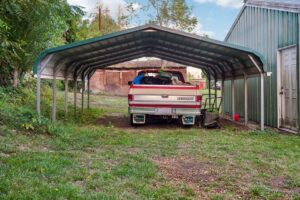
- Residential Garages & Carports: Focused on protecting cars, trucks, RVs, boats, or lawn equipment from the elements. Aesthetics may also play a role here.
- Agricultural Barns & Storage: Designed for housing livestock, storing hay, equipment, or feed. Durability and ease of access are paramount.
- Commercial Steel Buildings: Often larger, more complex structures for warehousing, workshops, retail spaces, or manufacturing. Code compliance and specific functional layouts are key.
- RV & Boat Covers: Specifically designed to accommodate the dimensions of recreational vehicles and watercraft, offering protection from sun, rain, and snow.
Considering Space and Scalability
Think about your current needs and your future plans. Will this building need to expand? Do you have enough space on your property for the building itself, plus access and potential future additions?
- Sizing Your Structure: Measure your existing vehicles, equipment, or operational space. Add at least a few feet of clearance for doors, maneuverability, and general use. Don’t forget height requirements for taller vehicles like RVs or agricultural machinery.
- Future Growth Potential: If you anticipate acquiring more vehicles, expanding your herd, or growing your business, factor in the possibility of adding on to your building later. Modular designs can make this easier.
Assessing Your Site Conditions
The location of your metal building is just as important as its purpose. Site-specific factors significantly impact design and engineering.
- Ground Stability and Drainage: Is your land level? Does it drain well? Poor drainage can lead to foundation issues and rust.
- Wind Exposure: Coastal regions and open plains experience higher wind loads than sheltered valleys. This directly affects structural design.
- Snow Accumulation: Areas with heavy snowfall require stronger roof systems designed to withstand significant snow loads.
- Local Climate: Beyond snow and wind, consider extreme temperatures, humidity, and potential for hail.
When considering the purchase of a metal building, it’s essential to understand not only how to choose the right structure but also the installation process and local availability. A related article that provides valuable insights into this topic is available at Steel Buildings for Sale Near Weston County, Wyoming. This resource outlines the various options and considerations for those looking to invest in metal buildings in specific regions, ensuring that you make an informed decision tailored to your needs.
Engineering and Structural Integrity: The Backbone of Your Metal Building
This is where “metal building” transforms from a simple product to a sophisticated piece of engineered infrastructure. Understanding these elements ensures your building is safe, compliant, and built to last.
Understanding Wind Load and Snow Load Ratings
These aren’t arbitrary numbers; they are critical engineering specifications derived from regional building codes and weather data.
- Wind Load: This measures the maximum wind pressure your building’s structure must withstand. It’s calculated based on your geographic location, elevation, and the type of surrounding terrain (e.g., open country vs. urban). A building rated for a 90 mph wind is designed to resist a certain pressure, while one rated for 150 mph will be significantly more robust.
- Snow Load: This refers to the maximum weight of snow your roof structure is designed to support. This is expressed in pounds per square foot (psf) and is directly tied to historical snowfall data for your region. Building codes dictate minimum snow load requirements.
Buyer Guidance: Always ask for the specific wind and snow load ratings for the building you are considering and confirm they meet or exceed your local building code requirements. This is non-negotiable for safety.
The Importance of Certification and Building Codes
Certification is your assurance that a metal building has been designed and manufactured to meet specific engineering standards. Building codes ensure public safety and structural integrity.
- What is Certification? For steel buildings, this often refers to third-party engineering certifications, such as those from the American Institute of Steel Construction (AISC) or specific engineer seals. This signifies that the design has been reviewed and approved by licensed professionals.
- Local Building Codes: Every municipality has building codes that govern construction, including requirements for wind speed, snow load, seismic activity, and fire resistance. Your metal building must comply with these codes.
- Permitting: You will almost certainly need a building permit from your local authorities. They will review your building plans to ensure code compliance.
Practical Example: If you live in the Rocky Mountains, your snow load requirement will be substantially higher than someone in a desert climate. Similarly, hurricane-prone coastal areas will have stringent wind load requirements.
Foundation and Anchoring: The Crucial Connection
A strong building needs a strong foundation. The way your metal building is anchored to the ground is critical for its stability, especially under extreme weather conditions.
- Concrete Foundation: Most permanent metal buildings are anchored to a reinforced concrete foundation (e.g., slab-on-grade, perimeter footing). This provides a solid base and the necessary anchoring points.
- Anchoring Systems: Through-bolts, J-bolts, or other specialized anchoring systems are used to securely fasten the building’s framing to the foundation. The type of anchor and its spacing are determined by the expected wind and seismic loads.
- Site Preparation: Proper site grading and soil testing are essential before pouring any foundation. This ensures the foundation is built on stable ground.
Buyer Guidance: Discuss foundation requirements with your building supplier and a local contractor. They can advise on the best type of foundation for your soil conditions and local codes.
Sizing and Configuration: Tailoring the Structure to Your Needs
Once you understand the structural necessities, you can focus on the practical aspects of size, layout, and features that will make your building functional and efficient.
Determining the Right Dimensions
This goes beyond just length and width. Height, roof pitch, and door placement are all critical elements.
- Length and Width: Based on your primary purpose and future needs (as discussed earlier). Ensure enough clearance for vehicles or equipment, plus walking/working space.
- Height (Eave Height and Ridge Height): Crucial for taller vehicles (RVs, tractors) and for storage or working inside. Eave height refers to the height of the side walls, while ridge height is the peak of the roof.
- Roof Pitch: Affects water and snow runoff. Steeper pitches shed snow and rain more effectively but can reduce usable interior space at the edges. Shallower pitches are more streamlined but require robust drainage systems.
Practical Example: A standard two-car garage might be 20’x20′, but an RV cover needs to be significantly longer and taller, often 40’x14′ or more. Agricultural barns may require high ridge heights for machinery and hay storage.
Door and Window Considerations
The number, size, and placement of doors and windows significantly impact the usability and functionality of your building.
- Roll-Up Doors: Common for garages and storage, they’re space-saving and offer good security. Consider the width needed for your largest vehicle.
- Entry Doors: Standard personnel doors for access into offices, workshops, or living spaces.
- Window Placement: For natural light, ventilation, or visibility. Think about the direction of the sun and potential for privacy.
- Larger Openings: For agricultural or industrial use, you might need very large bay doors or open-span designs.
Buyer Guidance: Visualize yourself using the building. Where will you enter and exit? Where do you need light? Where will large equipment need to pass through?
Interior Layout and Customization Options
Pre-engineered metal buildings are inherently flexible. You can often customize the interior to suit your specific application.
- Mezzanines: For increasing storage or workspace in taller buildings.
- Partitions: To divide sections for different uses (e.g., workshop and storage).
- Insulation: Essential for temperature control, especially if the building will be occupied or used for sensitive storage.
- Ventilation: Important for air quality and preventing moisture buildup.
Practical Example: A homeowner might add a workbench and shelving to a garage. A rancher might install stalls and feed bins in a barn. A business owner might add office space and specialized workflow areas to a commercial steel building.
Sure, here is the sentence with the clickable link:
Watch our Expert Metal Carport and Steel Building Installation Videos on YouTube.
Pricing Factors: What Influences the Cost of Your Metal Building?
Metal buildings are generally considered a cost-effective construction option, but several variables will affect the final price. Understanding these will help you budget effectively.
Size and Square Footage
This is the most significant driver of cost. Larger buildings with more materials naturally cost more.
Material Gauge and Gauge Thickness
- Gauge: A measure of steel thickness. Lower gauge numbers indicate thicker steel. Thicker steel (lower gauge) offers greater strength and durability, but also increases cost.
- Framing Type: Different framing systems (e.g., rigid frame, clear span, post-and-beam) have varying material requirements and engineering complexities.
Engineering and Certification Requirements
Buildings designed for higher wind and snow loads inherently require more robust framing and, therefore, cost more. Third-party engineering certifications can also add to the cost.
Site Preparation and Foundation
The complexity and cost of preparing your site for construction and the type of foundation required can add substantially to the overall project cost. Unstable soil or significant grading needs will increase expenses.
Installation and Labor
- DIY vs. Professional Installation: While some smaller carports or garages can be DIY projects, larger buildings, especially those requiring certified foundations and complex framing, are best left to professional installers.
- Accessibility: Difficulty accessing the building site can increase labor costs.
Features and Customizations
The addition of insulation, specific door types, windows, mezzanines, interior partitions, or a particular roof pitch will all contribute to the final price.
Buyer Guidance: Always get detailed quotes that clearly itemize all costs, including materials, engineering, foundation, and installation. Be wary of quotes that seem too good to be true; they may be missing crucial elements.
When considering the best options for your metal building project, it’s essential to explore various resources that can guide your decision-making process. One such article that complements the insights from “Experts Explain: How to Choose the Right Metal Building” is available at this link. This resource provides valuable information on finding qualified metal building installers in Butte County, Idaho, ensuring that you have the right support for your construction needs.
Installation and Maintenance: Ensuring Longevity
| Factors to Consider | Importance |
|---|---|
| Building Purpose | High |
| Location and Climate | High |
| Building Size | High |
| Budget | High |
| Design and Aesthetics | Medium |
| Building Codes and Regulations | High |
| Material Durability | High |
Once you’ve chosen the right building, proper installation and ongoing maintenance are key to maximizing its lifespan and performance.
Professional Installation: The Smart Choice
For most metal buildings, professional installation is highly recommended. Experienced crews understand the intricacies of assembly and ensure everything is done to spec.
- Expertise: Installers are familiar with the specific components and assembly sequences.
- Proper Anchoring: They will ensure the building is securely anchored to the foundation, meeting load requirements.
- Efficiency: Professional installation is typically faster and more efficient than DIY.
- Warranty: Many manufacturers require professional installation to validate warranties.
Practical Example: A poorly installed garage door can be a safety hazard, while improper roof paneling can lead to leaks. A professional ensures these are handled correctly.
Minimizing Maintenance for Durability
One of the biggest advantages of metal buildings is their low maintenance requirement, but a little proactive care goes a long way.
- Regular Inspections: Periodically check for any signs of rust, loose fasteners, or damage to the coating.
- Cleaning: Keep the exterior clean to prevent dirt and debris buildup, which can trap moisture.
- Drainage Checks: Ensure gutters and drainage systems around the building are clear and functioning.
- Re-tightening Fasteners: If any fasteners appear loose, re-tighten them according to manufacturer specifications.
Buyer Guidance: Ask about the typical lifespan of the materials and any recommended maintenance schedule from the manufacturer.
When considering the purchase of a metal building, it’s essential to understand the various factors that influence your decision. For instance, the article on metal storage buildings near Elmore County, Idaho provides valuable insights into local options and installation services that can help you make an informed choice. By exploring such resources, you can better assess your needs and find the perfect metal structure for your requirements.
Frequently Asked Questions (FAQ)
Q: Are metal buildings truly durable in extreme weather?
A: Yes, when engineered correctly for your local conditions (wind and snow load) and properly installed, metal buildings are exceptionally durable and resistant to extreme weather, including high winds, heavy snow, and even seismic activity.
Q: What is a “clear span” metal building?
A: A clear span building is one that does not require internal support columns. This creates a large, unobstructed interior space, making them ideal for garages, workshops, agricultural use, and storage.
Q: How long does a metal building typically last?
A: With proper maintenance and depending on the quality of materials and coating, a steel building can last anywhere from 50 to 75 years, and often much longer.
Q: Can I get a metal building with insulation?
A: Absolutely. Insulation can be added during the construction process, significantly improving temperature control and energy efficiency, making the building comfortable for occupancy or for protecting sensitive materials.
Q: What’s the difference between a carport and a garage?
A: A carport is an open-sided structure designed to protect vehicles from overhead elements like sun and rain, while a garage is a fully enclosed structure offering complete protection from weather, theft, and other hazards.
Choosing the right metal building is a process rooted in careful consideration of your needs, environmental factors, and the underlying engineering. By prioritizing understanding, asking the right questions about structural integrity, and working with reputable suppliers, you can be confident in selecting a metal building that will serve you reliably for decades to come.
FAQs
What factors should be considered when choosing a metal building?
When choosing a metal building, it’s important to consider factors such as the intended use of the building, the size and layout needed, the local building codes and regulations, the climate and weather conditions in the area, and the budget for the project.
What are the different types of metal building materials available?
There are several types of metal building materials available, including steel, aluminum, and copper. Each material has its own unique properties and benefits, so it’s important to consider the specific needs of the project when choosing the right material.
How important is the design and layout of a metal building?
The design and layout of a metal building are crucial factors to consider, as they can impact the functionality, efficiency, and overall aesthetics of the building. It’s important to work with a professional to ensure that the design and layout meet the specific needs and requirements of the project.
What are the advantages of choosing a metal building over traditional construction methods?
Metal buildings offer several advantages over traditional construction methods, including durability, cost-effectiveness, energy efficiency, and faster construction times. Additionally, metal buildings are highly customizable and can be designed to meet a wide range of needs and specifications.
What should individuals look for in a reputable metal building supplier or contractor?
When choosing a metal building supplier or contractor, it’s important to look for a company with a proven track record of quality work, experience in the industry, good customer reviews, and the ability to provide comprehensive services from design to construction. It’s also important to ensure that the supplier or contractor uses high-quality materials and adheres to industry standards and regulations.