When you live in a region that experiences heavy snowfall, protecting your vehicles, equipment, and valuable possessions becomes a significant concern. A flimsy structure simply won’t cut it. You need a robust, reliable solution that can withstand the immense weight and pressure of accumulating snow, as well as the harsh winter winds that often accompany it. This is where expertly engineered metal garages and steel buildings shine.
Transitioning from simply wanting a carport to needing a purpose-built structure for harsh climates requires a deeper understanding of specific design considerations. This guide is for homeowners, ranch owners, business owners, and any property owner in heavy snow regions looking for the best metal garages, carports, barns, RV covers, and steel buildings. We’ll cut through the jargon, explain what truly matters, and empower you to make an informed decision that delivers lasting protection.
Metal structures, particularly those fabricated from high-quality steel, offer inherent advantages when facing severe winter weather. Their inherent strength, durability, and resistance to warping or rotting make them superior to traditional wood or fabric alternatives.
Why Steel Outperforms Other Materials
Steel’s exceptional tensile strength allows it to bear significant loads without deforming. Unlike wood, which can absorb moisture, warp, and rot under prolonged exposure to snow and ice, steel maintains its structural integrity. Fabric covers, while useful for temporary or light-duty protection, are simply not designed to bear the weight of heavy snow drifts.
Key Engineering Considerations for Snow Load
When selecting a metal building for a high-snowfall area, the most critical factor is its ability to handle snow load. This isn’t just about the thickness of the steel; it’s about the overall design and engineering.
What is Snow Load?
Snow load refers to the weight of accumulated snow on a roof. Building codes define specific snow load requirements based on historical weather data for a given geographic location. This data accounts for factors like typical snowfall depth, density, and the potential for drifting. Local building officials will specify the minimum required snow load capacity for structures in your area.
Roof Pitch and Snow Shedding
The slope, or roof pitch, of your metal building plays a crucial role in how effectively it sheds snow. Steeper pitches are better at allowing snow to slide off naturally, reducing the risk of excessive accumulation. While a lower pitch might be aesthetically preferred in some cases, it requires a stronger structural design to compensate for the increased snow-bearing potential.
Structural Reinforcement and Gauge
The gauge of your steel framing and panels directly impacts its strength. Thicker steel (lower gauge number) offers greater load-bearing capacity. For heavy snow regions, opting for heavier gauge steel is a non-negotiable. Furthermore, the way the structure is designed and reinforced – with stronger bracing, thicker purlins (horizontal supports), and more robust connections – is paramount to handling extreme weight.
When considering the best metal garages for heavy snow regions, it’s essential to also explore local installation options to ensure proper setup and durability. For those in Summit County, Utah, a helpful resource can be found in the article about metal carport installers in the area. This guide provides valuable information on finding reliable professionals who can assist with the installation of your metal garage, ensuring it can withstand the harsh winter conditions. You can read more about it here: Metal Carport Installers Near Summit County, Utah.
Choosing the Right Metal Building Type for Your Needs
While the core material is steel, the configuration of your building can be tailored to its specific purpose, from a simple carport to a fully enclosed garage or a spacious barn.
Metal Garages: More Than Just Vehicle Storage
A metal garage offers enclosed protection for your vehicles, shielding them from snow, ice, wind, and even hail. This is ideal for cars, trucks, SUVs, and motorcycles.
Sizing Your Metal Garage
Accurately sizing your garage is crucial. Consider not only the vehicles you need to store now but also potential future needs. Do you want space for storage shelves, a workbench, or exercise equipment? Standard one-car garages typically start around 12’x20′, while two-car garages are often 20’x20′ or larger. Factor in door clearance and the ability to open doors fully.
Enclosed vs. Open Bays
For heavy snow regions, fully enclosed garages are generally recommended. Open bays, while more economical, offer less protection from blowing snow and wind-driven ice. If you opt for an open-sided structure, ensure it has substantial screening or a deep overhang to mitigate snow ingress.
Metal Carports: A Cost-Effective Solution
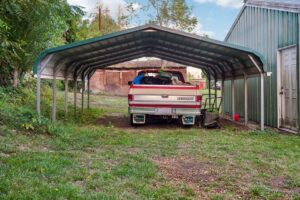
Metal carports offer an open-air shelter, providing protection from sun and falling precipitation but not from drifting snow or wind.
When a Carport Might Suffice
In areas with moderate snowfall or if your primary concern is protection from light snow and ice accumulation, a robustly built metal carport with a steep pitch might be suitable. However, for regions with consistently heavy snowfall, it’s essential to ensure the carport’s design is specifically engineered for snow load and that the roof pitch is optimized for shedding.
Upgrading Carports for Snow Regions
Look for carports with heavier gauge steel framing and roofing, reinforced legs, and a pitch designed to prevent snow build-up. Some manufacturers offer “heavy-duty” carports specifically designed to withstand snow loads that exceed standard models.
Metal Barns: Versatility for Agriculture and Storage
Metal barns offer vast, open spaces that can be customized for a variety of needs, from housing livestock to storing large equipment and hay.
Livestock Protection in Winter
For ranchers and those with livestock, a metal barn provides a vital shelter from harsh winter elements. Ensuring adequate ventilation to prevent moisture buildup and condensation, while also keeping drafts to a minimum, is key. The structural integrity is paramount to prevent collapse under snow loads, protecting both animals and equipment.
Storage for Equipment and Hay
Large agricultural equipment and stored hay are vulnerable to moisture and temperature fluctuations. A well-constructed metal barn creates a dry, protected environment, preserving the value and usability of these assets. Consider features like large roll-up doors for easy equipment access and ample height to accommodate tall machinery or hay bales.
RV Covers and Other Specialty Buildings
RV covers and other specialized steel buildings are designed to protect larger vehicles and equipment.
Protecting Your Recreational Vehicles
An RV is a significant investment, and protecting it from the elements during off-seasons is critical. Metal RV covers, especially those with extended eaves and robust framing, can guard against snow accumulation, ice damming, and wind damage. Ensure the dimensions adequately accommodate your RV, including slide-outs and satellite dishes.
Custom Steel Buildings for Unique Needs
Beyond standard garages and barns, custom steel buildings can be designed for virtually any purpose, from workshops and storage facilities to commercial operations. When designing for heavy snow regions, the engineering principles remain the same: prioritize snow load capacity, robust framing, and appropriate roof pitch.
Crucial Factors for Buyer Guidance in Snow Country
Making an informed purchase involves looking beyond the price tag and scrutinizing the underlying engineering and certification.
Understanding Certification and Building Codes
Certification lends credibility to a manufacturer’s claims about structural integrity. Look for buildings certified by independent engineering bodies or those that explicitly meet or exceed local building codes.
Local Building Codes: Your First Stop
Local building codes are non-negotiable. Your local building department will have specific requirements for snow load, wind load, and seismic activity in your area. Before purchasing any metal building, consult with your local building department to understand these requirements. This will help you avoid costly fines or the need for structural retrofitting later.
The Importance of Engineering Certifications
A certified engineering stamp or documentation from the manufacturer assures you that the building has been designed by qualified professionals and has been tested or calculated to meet specific load requirements. This is particularly important for snow load.
Snow Load vs. Wind Load Ratings
While snow load is paramount in snowy regions, wind load is also a critical consideration, especially in open plains or coastal areas that experience strong winter storms.
Balancing Snow and Wind Resistance
A building designed to withstand extreme snow may not automatically be engineered for high winds, and vice-versa. Fortunately, reputable manufacturers will offer buildings designed to meet high standards for both. Discuss your local wind speeds with the manufacturer to ensure adequate reinforcement.
How Wind Affects Structures in Snow
Wind can exacerbate snow issues by creating drifts, forcing snow under eaves, and putting uneven pressure on the structure. Buildings with well-sealed panels and robust anchoring systems are best.
Assessing Pricing Factors for Long-Term Value
The price of a metal building can vary significantly. Understanding the factors that influence cost will help you identify true value.
Gauge of Steel and Framing
As mentioned earlier, thicker gauge steel (lower numbers) is stronger and more expensive. Buildings designed for heavy snow loads will invariably use heavier gauge materials for framing and roofing.
Building Dimensions and Complexity
Larger dimensions naturally increase material costs. Complex designs, such as those with multiple roof pitches, custom features, or specific architectural elements, will also command a higher price.
Foundation and Installation Costs
The foundation is a critical component, especially for heavy snow loads. A properly engineered foundation, often made of concrete, adds to the overall cost but is essential for stability. Installation costs can also vary based on the complexity of the structure, site accessibility, and whether you opt for professional installation or a DIY approach.
Certification and Engineering Services
Buildings with certified engineering reports or additional engineering services will often have a higher upfront cost, but this investment provides peace of mind and ensures compliance.
Sure, here is the sentence with the clickable link:
Watch our Expert Metal Carport and Steel Building Installation Videos on YouTube.
Installation Considerations for Heavy Snow Regions
Proper installation is as critical as the quality of the materials themselves. A poorly installed building, even if made of excellent materials, can fail under stress.
Professional Installation: Is It Worth It?
For heavy snow load applications, professional installation is highly recommended. Experienced installers understand the nuances of anchoring, bracing, and ensuring the structural integrity of the building according to the manufacturer’s specifications and local codes.
Site Preparation: The Foundation of Stability
The site preparation is the first and arguably most important step of installation. This includes ensuring a level surface and a properly constructed foundation that can support the immense weight of the building and its potential snow load. Frost lines and soil conditions are critical considerations in cold climates.
Anchoring for Extreme Weather
Anchoring is paramount. For heavy snow and wind regions, buildings require robust anchoring systems that securely fasten the structure to the foundation. This prevents uplift and shifting during severe weather events. Common anchoring methods include rebar anchors embedded in concrete or specialized foundation anchors.
DIY Installation: Risks and Rewards
While DIY installation can save money, it’s essential to be realistic about the challenge. If you choose to install it yourself, ensure you have the necessary tools, expertise, and a thorough understanding of the manufacturer’s instructions. Mistakes in anchoring or assembly can compromise the building’s structural integrity, especially under heavy snow loads.
When considering the best metal garages for heavy snow regions, it’s essential to also explore the various installation options available in your area. For instance, you can find valuable information about steel buildings for sale near Piute County, Utah, which can provide insights into local suppliers and installation services. This can help ensure that your garage is not only durable but also suited to withstand harsh winter conditions. To learn more about these options, check out this informative article on steel buildings for sale near Piute County, UT.
Comparison: Metal Garages vs. Other Structures in Snow Country
| Garage Model | Snow Load Capacity | Roof Style | Warranty |
|---|---|---|---|
| Model A | 50 lbs/sq ft | Gabled | 10 years |
| Model B | 60 lbs/sq ft | Barn | 15 years |
| Model C | 70 lbs/sq ft | Flat | 20 years |
Understanding the primary differences helps in selecting the most appropriate solution.
Metal Garage vs. Wood Garage
| Feature | Metal Garage (Heavy Duty) | Wood Garage |
||||
| Snow Load Capacity | High; engineered for specific loads | Variable; can be strong but prone to rot/warp with moisture |
| Durability | Excellent; resistant to rot, pests, fire | Good; susceptible to rot, insect damage, fire |
| Maintenance | Low; occasional cleaning | High; requires painting, sealing, repairs |
| Cost | Often lower initial cost, higher long-term value for durability | Can have higher initial cost, subject to ongoing maintenance |
| Design Flexibility | More limited in complex architectural styles | High flexibility for custom designs |
Metal Garage vs. Traditional Building Materials
Traditional construction with concrete blocks or bricks can also be strong, but metal offers advantages in terms of quicker installation and often lower cost for comparable strength when engineered for heavy loads.
Common Questions (FAQ) for Homeowners in Snow Regions
Here are answers to frequently asked questions, making it easier to navigate the purchase process.
What is the minimum snow load capacity I should consider?
This depends entirely on your local building codes. Your local building department will specify the required snow load for your area. Always consult them first. Reputable manufacturers will design their buildings to exceed these minimums.
How does roof pitch affect snow load?
A steeper roof pitch helps snow slide off more easily, reducing the accumulated weight on the structure. Buildings designed for heavy snow regions will often feature steeper pitches unless compensated by significantly stronger framing.
How do I ensure my building is code-compliant?
Work with a reputable manufacturer who understands your local codes and can provide certified engineering plans or documentation. Always have your plans reviewed by your local building department before construction.
What is the difference between a carport and a garage in terms of snow protection?
A carport is an open structure offering protection from falling snow but not from drifting snow or wind. A garage is fully enclosed, providing comprehensive protection against all winter elements. For heavy snow regions, an enclosed garage is generally recommended for maximum protection.
Can I get a metal garage with a certification for snow loads?
Yes, absolutely. When researching manufacturers, specifically ask about engineering certifications and their ability to provide documentation verifying the building’s snow load capacity.
What is the warranty like on these heavy-duty metal buildings?
Warranties can vary, but look for manufacturers offering substantial warranties on both the steel structure and the paint finish (e.g., 20-40 years for the frame, 10-25 years for the coating). Understand what is covered and what is excluded.
How to prevent snow from drifting under my metal building?
Ensure proper anchoring to the foundation and consider using materials that create a tight seal around the base. Proper site grading to divert water and snowmelt away from the building is also important.
Conclusion: Investing in Lasting Protection
In regions prone to heavy snowfall, your choice of shelter is a critical investment in protecting your assets and ensuring peace of mind throughout the winter. By prioritizing robust engineering, understanding the impact of snow and wind loads, and working with reputable manufacturers who adhere to local building codes, you can secure a metal garage, barn, or carport that will stand the test of time and the harshest winter conditions. Don’t compromise on structural integrity; it’s the foundation of true protection in snow country.
FAQs
What are the key features to look for in metal garages for heavy snow regions?
Metal garages for heavy snow regions should have a strong and durable frame, high snow load capacity, and a sturdy roof design to withstand heavy snow accumulation.
What are the recommended materials for metal garages in heavy snow regions?
Galvanized steel is a popular choice for metal garages in heavy snow regions due to its strength, durability, and resistance to rust and corrosion. Additionally, some manufacturers offer reinforced trusses and thicker gauge steel for added snow load capacity.
How can I ensure that my metal garage is properly installed for heavy snow regions?
It is important to have the metal garage installed by experienced professionals who are familiar with the specific requirements for heavy snow regions. Proper anchoring and bracing are crucial to ensure the garage can withstand heavy snow loads.
Are there any additional features or options to consider for metal garages in heavy snow regions?
Some additional features to consider for metal garages in heavy snow regions include snow guards or snow retention systems to prevent snow from sliding off the roof, as well as insulation to help regulate temperature and prevent snow and ice buildup.
What maintenance is required for metal garages in heavy snow regions?
Regular maintenance such as clearing snow from the roof and ensuring proper drainage is important for metal garages in heavy snow regions. Additionally, inspecting for any signs of damage or wear and tear is recommended to ensure the garage remains structurally sound.