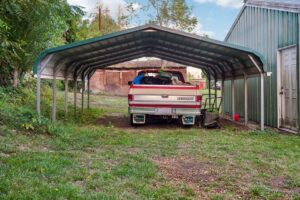
For homeowners, ranch owners, business proprietors, and property stewards, the decision to invest in a new structure for protection, storage, or operational expansion is a significant one. While traditional construction methods offer certain aesthetics, the modern steel building, in its various forms—carports, garages, barns, RV covers, and comprehensive steel structures—presents a compelling value proposition. This guide delves into the practicalities and advantages of metal structures, aiming to demystify their benefits and equip you with the knowledge to make an informed choice.
A metal carport might seem like a straightforward solution for vehicle protection, but its utility and long-term value extend far beyond. It represents a foundational investment that pays dividends in diverse ways, from asset preservation to enhanced property functionality. Understanding these underlying benefits is crucial for any property owner contemplating such an addition.
1. Superior Durability and Longevity: A Shield Against the Elements
One of the foremost reasons to consider a metal carport or any steel building is its inherent durability. Unlike wood or other materials that can rot, warp, or succumb to pests, steel stands resolute against environmental challenges. This translates directly to a structure designed for the long haul.
Engineered for Resilience: Snow, Wind, and Shake
Modern metal carports are not flimsy affairs. They are engineered structures, designed to withstand significant environmental stressors. This isn’t just marketing; it’s a testament to rigorous structural analysis and material science.
- Snow Load: Depending on your geographical location, snow accumulation can exert immense pressure on a roof. Reputable manufacturers design their carports to meet local snow load requirements, often expressed in pounds per square foot (PSF). This involves a combination of robust framing and appropriate roof pitch to shed snow effectively. When comparing options, always inquire about the snow load rating and ensure it exceeds or meets your local building codes. An inadequate snow load rating can lead to catastrophic collapse, endangering assets and personnel.
- Wind Load: High winds can exert uplift and lateral forces that challenge any structure. Metal carports are designed with specific wind load ratings, typically measured in miles per hour (MPH). This involves securely anchoring the structure, using appropriate gauge steel, and ensuring connections are robust. Certification often includes adherence to specific wind zone requirements, which vary significantly across regions, particularly in hurricane or tornado-prone areas. Always verify that the proposed structure’s wind load rating aligns with your property’s specific wind zone.
- Seismic Design (When Applicable): While less common for basic carports, larger steel structures in seismically active regions are designed with earthquake resistance in mind. This involves flexible connections and reinforces framing to absorb and dissipate seismic energy. Though not typically a concern for smaller carports, it highlights the engineering depth available in the broader steel building sector.
Material Integrity: Rust, Pests, and Fire Resistance
Galvanized steel, the primary material for most metal carports, offers exceptional resistance to rust and corrosion, especially when coated with protective paints. This ensures the structural integrity remains uncompromised over decades, even in humid or coastal environments. Furthermore, steel is impervious to termites, carpenter ants, and other wood-boring pests that can devastate timber structures, eliminating the need for costly pest control treatments or repairs. While not entirely fireproof, steel is non-combustible, meaning it won’t ignite, fuel a fire, or contribute to its spread, offering a significant safety advantage over wood.
2. Cost-Effectiveness and Maintenance Efficiency: Smarter Spending, Less Upkeep
The initial investment in a metal carport can be surprisingly competitive, but its true cost-effectiveness shines over its lifespan through reduced maintenance and long-term durability.
Lower Lifetime Costs: A Sound Financial Decision
While direct comparisons with stick-built structures can be complex, metal carports often present a lower total cost of ownership. This stems from several factors:
- Material Cost: Steel, particularly in pre-engineered kits, can be more economical than sourcing and constructing with traditional materials, especially for larger spans.
- Installation Efficiency: Most metal carport kits are designed for straightforward assembly, which can translate to reduced labor costs if you hire professionals, or even allow for DIY installation for mechanically inclined owners.
- Reduced Repair Cycles: As discussed, steel’s resilience against rot, pests, and severe weather means fewer costly repairs and replacements over decades. You won’t be repainting, patching, or treating for pests every few years as you might with a wooden structure.
Minimal Maintenance Requirements: Time and Money Saved
The phrase “set it and forget it” comes close to describing metal carport maintenance. Typically, all that’s required is occasional cleaning to remove leaves, dirt, or debris, and perhaps a periodic inspection of fasteners and anchor points. Unlike wood, there’s no need for painting, staining, or sealing to protect against the elements. This translates to significant savings in both time and financial outlay for maintenance supplies and labor. For busy ranch owners, business operators, or homeowners, this efficiency is invaluable.
3. Versatility and Adaptability: More Than Just a Car Cover
The term “carport” can be limiting, as these steel structures offer a remarkable degree of versatility, adapting to a multitude of needs and evolving requirements.
Diverse Applications: From Vehicles to Ventures
Consider the breadth of applications for a well-designed metal carport or modular steel building:
- Vehicle Protection: Obvious, yes, but encompassing cars, trucks, boats, RVs, ATVs, and even farm equipment. Protecting these assets from UV degradation, hail, snow, and bird droppings extends their lifespan and preserves their resale value. For ranch owners, securing tractors, trailers, and implements is crucial.
- Outdoor Storage: Beyond vehicles, carports can serve as excellent, weather-protected storage for firewood, lawnmowers, gardening equipment, tools, building materials, or seasonal items, freeing up space in a garage or shed.
- Work Space/Shelter: For hobbyists, mechanics, or small businesses, a carport can provide a shaded or covered outdoor workspace for projects, repairs, or assembly tasks, especially when a fully enclosed garage isn’t necessary or feasible.
- Livestock Shelters: On ranches, simpler metal structures can offer crucial shade and windbreak for livestock, improving animal welfare and productivity.
- Commercial Applications: Businesses can utilize carports for fleet vehicle parking, overflow storage, loading dock covers, or even as covered waiting areas for customers.
Customization Options: Tailoring to Your Specific Needs
Modern metal carports and steel buildings are not one-size-fits-all. Manufacturers offer extensive customization:
- Sizing: From single-car dimensions to extra-wide, multi-bay structures for RVs or commercial fleets, sizing is highly adaptable. Lengths are typically modular, allowing for significant expansion.
- Roof Styles: Common options include regular (rounded), A-frame (boxed eave), and vertical roof styles. The vertical roof is often recommended for heavier snow loads and efficient debris shedding due to its corrugated panels running vertically.
- Side Panels and Enclosure: While a basic carport is open, you can add partial or full side panels to one or more sides for increased protection from wind-driven rain or sun. This allows for a gradual transition from a basic carport to a semi-enclosed or even a fully enclosed garage.
- Color Choices: A range of color options for both the frame and panels allows you to match existing structures or complement your property’s aesthetic.
- Certification: Depending on local codes and insurance requirements, you can opt for certified structures guaranteeing adherence to specific snow and wind load ratings. This is crucial for peace of mind and often a requirement for permitting.
4. Property Value Enhancement: A Smart Investment for the Future
Adding a well-constructed and aesthetically pleasing metal carport or steel building can tangibly increase your property’s market value, offering a solid return on investment when it comes time to sell.
Appealing to Buyers: Functionality and Protection
Prospective buyers often look for practical amenities that enhance livability and protect assets. A sturdy, attractive carport demonstrates:
- Thoughtful Asset Protection: Buyers recognize the value of shielding vehicles, boats, or RVs from the elements. This translates to lower maintenance costs for their own possessions.
- Increased Storage Capacity: Extra covered space is always a selling point, whether for vehicles, equipment, or general storage.
- Enhanced Curb Appeal: A well-designed carport that complements the existing property can elevate its overall aesthetic, making it more attractive on the market. Contrast this with unsightly, temporary fabric shelters that detract from curb appeal.
Durability as a Selling Point: Peace of Mind for New Owners
The long-term durability and minimal maintenance requirements of a steel structure are significant selling points. Buyers understand that investing in a property with a steel carport means they won’t immediately face costly repairs or replacements for a deteriorating structure. This peace of mind translates into a willingness to pay a premium.
If you’re considering investing in a metal carport, you might find it helpful to explore additional resources that discuss the benefits and options available. For instance, an informative article on metal buildings in Laramie County, Wyoming, highlights various installation possibilities and local considerations that can enhance your decision-making process. You can read more about it in this related article, which complements the reasons why metal carports are a smart investment.
5. Rapid Installation and Flexibility for Future Needs
One of the often-overlooked benefits of metal carports is the speed and ease of installation compared to traditional construction, coupled with their inherent modularity.
Quicker Deployment: Time is Money
Traditional garages or sheds can take weeks or months to construct, involving multiple trades, inspections, and weather delays. Metal carports, especially pre-engineered kits, can often be assembled and installed in a matter of days once the site is prepared.
- Minimized Disruption: A quicker installation means less disruption to your daily routine, business operations, or property.
- Immediate Utility: You gain the benefits of the structure much faster, immediately protecting assets or providing needed space. This is particularly advantageous for businesses needing rapid expansion or homeowners with immediate storage needs.
Adaptability and Relocation Potential
While not always straightforward, some modular steel structures, particularly bolted designs, offer a degree of disassembly and relocation. This flexibility can be appealing for commercial operations that might expand or move sites, or even for homeowners who might reconfigure their property layout in the future. Moreover, the modular nature allows for relatively easy expansion by adding bays or extending length, providing a scalable solution as your needs evolve.
6. Environmental Responsibility: A Greener Choice
For those mindful of environmental impact, steel buildings offer distinct advantages over many traditional construction methods.
Recycled Content and Recyclability
Steel is one of the most recycled materials globally. Most new steel products, including carports, contain a significant percentage of recycled content. Furthermore, at the end of its exceptionally long service life, a steel structure can be fully recycled, closing the loop and minimizing waste in landfills. This stands in contrast to many other building materials that are difficult or impossible to recycle.
Reduced Waste During Construction
Because steel carports are largely pre-fabricated, there is significantly less on-site waste generated compared to stick-built construction. Components arrive ready for assembly, reducing scrap and debris. This cleaner construction process contributes to a smaller environmental footprint.
7. Code Compliance and Certification: Building with Confidence
Understanding local building codes and the value of certification is paramount when investing in any permanent structure. Metal carports are subject to these same regulations and offer clear pathways to compliance.
Navigating Local Building Codes and Permitting
Before purchasing, homeowners, ranch owners, and business owners must inquire about local building codes. These codes dictate minimum requirements for:
- Setbacks: How far a structure must be from property lines or other buildings.
- Height Restrictions: Maximum allowable height.
- Footings/Foundations: Requirements for anchoring the structure to the ground.
- Snow and Wind Loads: As discussed, these are critical safety parameters.
- Permitting Requirements: Most permanent structures require a building permit. Submitting plans that demonstrate code compliance is essential to avoid fines or forced demolition.
Engage with your local planning or building department early in the process. Many reputable metal carport providers can assist with providing engineering drawings and specifications necessary for permit applications.
The Value of Certified Structures
A “certified” metal carport means the structure has been engineered and rated by a licensed professional engineer (PE) to meet specific snow and wind load requirements. This certification:
- Ensures Safety: It provides an independent verification that the structure can safely withstand anticipated environmental forces in your area.
- Facilitates Permitting: Building departments often require certified plans for permits, especially for larger structures or in areas with stringent codes.
- Insurance Benefits: Some insurance providers may offer better rates or require certified structures to cover damage from severe weather.
- Peace of Mind: Knowing your investment is structurally sound and meets professional standards offers invaluable reassurance.
Always opt for certified structures, even if not strictly mandated by your local municipality, as it provides a higher degree of safety and compliance. When comparing quotes, ensure you are comparing certified structures if that’s your requirement or preference.
If you’re considering investing in a metal carport, you might find it helpful to read a related article that discusses the various installation options available in your area. For more information on finding metal carports near Franklin County, Washington, check out this informative resource: Metal Carports Near Franklin County. This article provides insights into local suppliers and installation services, making it easier for you to make an informed decision about your investment.
Conclusion: A Prudent Investment for Enduring Value
From shielding valuable assets and extending their lifespan to providing versatile storage and enhancing property value, metal carports and steel buildings offer a compelling blend of durability, cost-effectiveness, and adaptability. By prioritizing engineering, understanding local codes, and choosing a certified structure, property owners can make a smart, long-term investment that provides practical benefits for decades to come. Don’t view a metal carport as a mere expense; rather, see it as a strategic asset that supports your property’s functionality, protects your investments, and stands strong against the test of time and elements.
FAQs
1. What are the benefits of investing in a metal carport?
Metal carports offer protection for vehicles from the elements such as sun, rain, and snow. They are also durable, low maintenance, and cost-effective compared to traditional garage structures.
2. How long do metal carports typically last?
Metal carports are known for their longevity and can last for 20-30 years with proper maintenance. They are resistant to rust, corrosion, and other environmental damage.
3. Are metal carports customizable to fit specific needs?
Yes, metal carports are highly customizable and can be tailored to fit specific dimensions, styles, and additional features such as enclosed sides, gable ends, and insulation.
4. Can metal carports increase property value?
Investing in a metal carport can potentially increase the property value by providing additional storage space and protecting vehicles, which can be attractive to potential buyers.
5. Are metal carports easy to install?
Metal carports are relatively easy to install, especially compared to traditional garage structures. Many manufacturers offer DIY kits with detailed instructions for assembly.