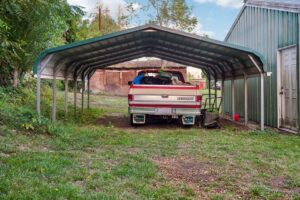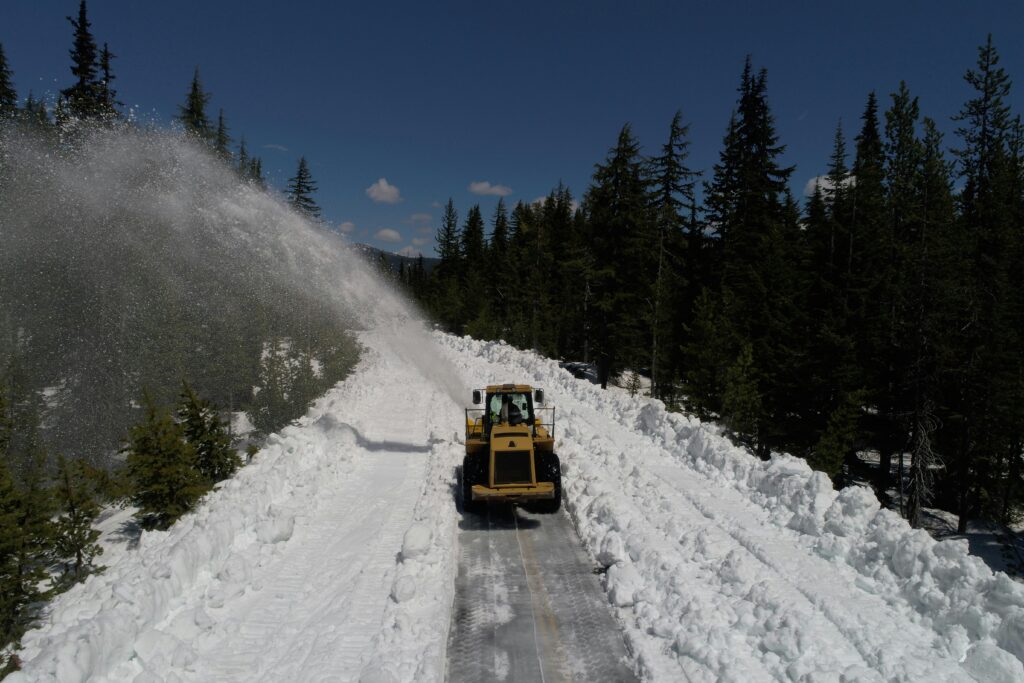
Considering a metal structure for your property – be it a carport, garage, barn, RV cover, or a larger steel building? You’re investing in durability and versatility. But before you finalize your plans, there’s a critical factor you absolutely must understand: snow load certification. This isn’t just bureaucratic jargon; it’s the bedrock of your building’s safety, longevity, and your peace of mind. Failing to address snow load correctly can lead to catastrophic consequences, from structural damage to complete collapse, especially in regions prone to heavy snowfall. Let’s delve into why this engineering detail is paramount and what you need to know as a property owner.
Snow load refers to the downward force exerted by accumulated snow and ice on a building’s roof. This isn’t a static calculation; it’s dynamic and influenced by various factors that dictate how much stress your structure will endure during winter.
What is Snow Load, Exactly?
Imagine a blanket of fresh, fluffy snow. Now imagine that same blanket, compacted by wind, rain, and repeated freezing and thawing cycles. The weight per cubic foot can vary dramatically. Snow load, for structural engineering purposes, is typically expressed in pounds per square foot (PSF). This PSF value represents the maximum anticipated weight per square foot of roof surface your building is designed to withstand without structural failure.
Factors Influencing Snow Load Calculation
Several key variables play into determining the appropriate snow load for your location:
- Geographic Location: This is the primary driver. Specific regions and even microclimates within those regions have historical data on average and maximum snowfall, snow density, and duration. Building codes are directly tied to these regional climate patterns.
- Roof Slope and Shape: Flatter roofs tend to accumulate more snow and shed it less efficiently than steeper roofs. Complex roof geometries can also create drifts and uneven load distribution.
- Building Exposure: Buildings in open, exposed areas might experience more wind scour, reducing snow accumulation in some spots but potentially increasing drift formation in others, like against parapet walls or HVAC units. Buildings sheltered by taller structures or dense trees might accumulate more snow due to reduced wind effect.
- Thermal Properties of the Roof: A warmer roof might melt snow more quickly, but the meltwater could refreeze as ice, which is significantly denser and heavier than snow.
- Adjacent Structures and Wind: Wind can cause snow to drift, piling it much deeper in certain areas (e.g., against a higher wall or between two buildings) than the average accumulation on an open roof. These “drift loads” are critical considerations.
Understanding the importance of snow load certification for metal buildings is crucial for ensuring safety and structural integrity, especially in regions prone to heavy snowfall. For those looking to install metal structures, such as RV carports, it is essential to consider local building codes and snow load requirements. An informative article that discusses the installation of RV carports in Multnomah County, Oregon, can provide valuable insights into these considerations. You can read more about it in this article: RV Carports Near Multnomah County, OR.
Why Certification Isn’t Optional: Safety and Compliance
Snow load certification isn’t a “nice-to-have” feature; it’s an absolute necessity for the safety of your investment, its contents, and anyone who might be near or inside the structure. It’s also often a legal requirement.
Preventing Catastrophic Failure and Property Damage
The most severe risk of inadequate snow load design is structural collapse. A roof that buckles under the weight of snow can destroy the entire building, its contents (vehicles, equipment, livestock, inventory), and pose serious risks to human life. Think of a valuable classic car crushed under a collapsed carport, or an entire agricultural harvest ruined by a barn roof failure. The financial implications alone, even without considering injury, are devastating. Certified buildings are designed with appropriate steel gauge, framing members, and connection points to safely distribute and withstand these forces.
Meeting Local Building Codes and Regulations
Almost every municipality has specific building codes that mandate minimum snow load requirements. These codes are not arbitrary; they are based on historical weather data, engineering principles, and safety standards (such as those established by the International Building Code – IBC, or local variations).
- Permitting: You will likely need a building permit for any substantial metal structure. One of the first things a building inspector will ask for is engineering plans demonstrating compliance with local snow load requirements. Without certification, your project will be halted.
- Insurance: Most insurance companies will deny coverage or refuse to pay claims for damage or collapse if the building was not constructed to code, especially if the code violation (like insufficient snow load capacity) directly contributed to the failure.
- Resale Value: A non-compliant building can be a significant liability and deterrent to future buyers. A certified structure, on the other hand, adds tangible value and peace of mind.
Protecting Your Investment and Its Contents
Your metal building is an investment, whether it’s a commercial warehouse, an animal shelter, or a simple RV cover. The items you store inside are often even more valuable. Engineered snow load capacity ensures that your structure continues to protect these assets through harsh winters, preventing costly damage and unexpected downtime for your business or property.
The Engineering Behind Snow Load Certification
Snow load certification isn’t a guess; it’s the result of rigorous engineering calculations and adherence to established standards.
Structural Engineering Principles
Certified metal buildings are designed by licensed professional engineers. They utilize principles of structural mechanics, material science, and civil engineering to:
- Calculate Design Loads: This includes dead load (weight of the building itself), live load (occupants, moveable items), wind load, seismic load, and, crucially, snow load.
- Select Appropriate Materials: The type, gauge, and grade of steel used for framing, purlins, and sheeting are all chosen to meet the calculated load requirements.
- Design Structural Connections: Every bolt, weld, and brace is specified to ensure load transfer throughout the structure.
- Analyze Stress and Deflection: Engineers ensure that under maximum anticipated loads, the building components will not exceed their yield strength or deflect beyond acceptable limits.
The Role of IBC and ASCE 7 Standards
In the United States, the International Building Code (IBC) is widely adopted, and it references ASCE/SEI 7, “Minimum Design Loads and Associated Criteria for Buildings and Other Structures,” for specific load calculations, including snow load.
- ASCE 7-16/ASCE 7-22: These are the latest editions of the standard that provide detailed methodologies for calculating ground snow loads, flat roof snow loads, sloped roof snow loads, drift loads, partial loads, and sliding snow loads. These calculations are complex and require specialized software and expertise.
- Local Amendments: Many jurisdictions adopt the IBC but make specific amendments to ASCE 7’s snow load provisions to reflect their unique regional weather patterns. This is why “local code” is so important.
Wind Load vs. Snow Load: A Critical Distinction
While often discussed together, wind load and snow load are distinct forces.
- Wind Load: This is the lateral force exerted by wind pressure, attempting to uplift, overturn, or shear a building. It’s measured in miles per hour (MPH) or pounds per square foot (PSF) of lateral pressure. Wind bracing, foundation anchorage, and panel fastening are critical for wind resistance.
- Snow Load: This is the downward vertical force exerted by accumulated snow on the roof, attempting to crush or cause the roof to buckle. It’s measured in pounds per square foot (PSF) of vertical pressure. Roof pitch, purlin spacing, and roof framing are critical for snow resistance.
A building designed for high wind may not necessarily handle heavy snow, and vice versa, unless both factors are specifically engineered. Many certified buildings will have dual ratings, for example, “140 MPH Wind Load / 30 PSF Snow Load.”
Sure, here is the sentence with the clickable link:
Watch our Expert Metal Carport and Steel Building Installation Videos on YouTube.
Navigating the Buying Process: What to Look For
As a property owner, it’s your responsibility to ensure your new metal building meets the necessary snow load requirements. Here’s how to navigate the process effectively.
Asking the Right Questions to Manufacturers
When speaking with metal building suppliers, be direct and specific:
- “Is this building snow load certified for my specific address (or ZIP code)?” Don’t accept vague answers like “it’s designed for snow.” You need a specific PSF rating.
- “Can you provide engineering drawings and calculations that demonstrate compliance with my local building codes?” These documents are crucial for permitting and proof of compliance.
- “What is the ground snow load (Pg) for my area according to ASCE 7 or local codes, and how does your building’s design match this?” A knowledgeable supplier will understand these terms.
- “Does the certification account for snow drifting and unbalanced snow loads?” These are common failure points if not engineered correctly.
- “What is the warranty on the structure concerning snow load?” A reputable manufacturer will stand behind their engineering.
Understanding “Stamped” Plans and Engineer Letter
When a manufacturer provides “stamped plans,” it means a licensed professional engineer (PE) has reviewed and approved the structural design, affixing their professional seal (stamp) to the drawings. This is a crucial document for your permit application and proof of compliance. It signifies that the design meets local codes and accepted engineering practices. Some suppliers might provide an “Engineer’s Letter of Certification” along with standard plans, specifically stating the building’s design loads and compliance.
The Dangers of Uncertified or Undersized Buildings
Choosing an uncertified or undersized building (often marketed as “economy” or “DIY” kits without engineering) is a false economy.
- Legality: You might not get a permit, or you could face fines and be ordered to remove the structure.
- Safety: The risk of collapse is significantly higher, endangering lives and property.
- Insurance Issues: As mentioned, insurance claims may be denied.
- Short Lifespan: The building won’t withstand the elements and will likely fail prematurely, requiring costly repairs or replacement.
- No Recourse: If a non-certified building fails, you have little to no legal recourse against the supplier who sold you a non-compliant product.
Understanding the importance of snow load certification for metal buildings is crucial for ensuring safety and structural integrity, especially in regions prone to heavy snowfall. For those interested in exploring related topics, you might find the article on custom metal carports near Millard County, Utah, particularly insightful as it discusses how local weather conditions can impact building requirements. This connection highlights the necessity of adhering to snow load standards to prevent potential damage. You can read more about it in this informative article.
Cost Implications and Value Proposition
| Reasons Why Snow Load Certification Matters for Metal Buildings |
|---|
| 1. Safety: Ensures that the building can withstand the weight of snow and prevent collapse. |
| 2. Compliance: Meets building code requirements and regulations for snow load capacity. |
| 3. Durability: Certified buildings are designed to withstand heavy snow loads, increasing longevity. |
| 4. Insurance: Certification may be required by insurance companies to provide coverage for snow-related damage. |
| 5. Peace of Mind: Building owners can have confidence in the structural integrity of their metal building. |
Investing in a snow load certified building might seem like an added expense upfront, but it’s an investment that pays dividends in safety, longevity, and avoided costs.
How Certification Affects Pricing
The engineering required for certification, along with the increased material strength (e.g., thicker gauge steel, more robust framing members, additional bracing) needed to meet higher snow load ratings, will naturally increase the cost of a building.
- Engineering Fees: The cost for a licensed engineer to perform calculations and stamp plans is included in the price.
- Material Upgrades: Higher snow load capacities typically require more steel and sometimes specialized components.
- Fabrication Complexity: Stronger connections and more precisely engineered components might add to manufacturing costs.
However, consider this a vital insurance policy against catastrophic failure.
Comparing Certified vs. Non-Certified Lifetime Costs
While initially cheaper, an uncertified or undersized building carries significant hidden costs:
- Repair Costs: If it fails, the cost of repairs or replacement will far exceed any initial savings.
- Legal Fees and Fines: Code violations can be costly.
- Lost Property/Income: If your assets are destroyed, the financial impact can be immense.
- Insurance Premiums/Claims: Higher premiums or denied claims.
- Stress and Hassle: Dealing with a collapsed building and its aftermath is a nightmare.
A certified building, while more expensive initially, offers reliability, peace of mind, and a much lower total cost of ownership over its lifetime.
The Long-Term Value of a Robust Structure
A properly designed and certified metal building is a durable asset that will serve your needs for decades. It adds value to your property, protects your investments, and provides a safe and functional space. For business owners, it ensures operational continuity even in harsh winter conditions. For homeowners and ranch owners, it means a reliable shelter for vehicles, equipment, or livestock without the constant worry of structural integrity.
Understanding the importance of snow load certification for metal buildings is crucial for ensuring structural integrity and safety in regions prone to heavy snowfall. For those interested in exploring the benefits of pre-engineered metal buildings, a related article discusses their advantages and installation in various locations, including Camas County, Idaho. You can read more about this topic by visiting this link.
Conclusion: Don’t Compromise on Safety
When it comes to metal buildings, snow load certification isn’t a luxury; it’s a non-negotiable requirement for anyone living in a region that experiences winter weather. As property owners, ranch owners, or business owners, you have a responsibility to yourself, your assets, and potentially others, to ensure your structures are safe and compliant.
Always insist on certified engineering plans tailored to your specific location’s snow load requirements. Ask detailed questions, verify credentials, and never prioritize a slightly lower initial cost over the structural integrity and safety of your investment. By understanding and prioritizing snow load certification, you’re not just buying a building; you’re investing in enduring safety and long-term value.
Frequently Asked Questions (FAQs)
Q: Can I just guess the snow load for my area?
A: Absolutely not. Guessing can lead to catastrophic failure. Always rely on official building codes for your specific address or have a licensed engineer determine the required snow load.
Q: What if my area rarely gets heavy snow? Do I still need certification?
A: Yes. Building codes are designed for maximum potential events, not just averages. Even infrequent heavy snowfall can cause damage if the building isn’t designed for it. Plus, local codes will still require it, regardless of frequency.
Q: Is “engineer-reviewed” the same as “engineer-certified” or “stamped plans”?
A: Not necessarily. “Engineer-reviewed” can be vague. You need “engineer-certified” or “stamped plans” which means a licensed engineer has officially approved and taken responsibility for the design’s compliance. Always ask for the physical stamp on the plans.
Q: How do I find out the specific snow load requirement for my property?
A: You can usually find this information by contacting your local building department, reviewing your county or city’s building code ordinances, or by asking a reputable metal building supplier or local structural engineer to look it up for you.
Q: What happens if I build an uncertified structure and it collapses?
A: You could face significant financial losses from property damage, potential liability for injuries, fines from local authorities, and your insurance claim will likely be denied because the building wasn’t built to code.
FAQs
What is snow load certification for metal buildings?
Snow load certification for metal buildings is a measure of the maximum weight of snow that a building’s roof can support. This certification ensures that the building is designed to withstand the weight of snow in areas prone to heavy snowfall.
Why does snow load certification matter for metal buildings?
Snow load certification is important for metal buildings because it ensures the safety and structural integrity of the building. Without proper certification, a metal building may be at risk of collapse under the weight of heavy snow, posing a danger to occupants and property.
How is snow load certification determined for metal buildings?
Snow load certification for metal buildings is determined based on the specific location and the expected maximum snowfall in that area. Engineers calculate the maximum expected snow load and design the building’s roof to withstand that weight.
What are the consequences of not having snow load certification for a metal building?
Without snow load certification, a metal building may be at risk of structural failure and collapse under the weight of heavy snow. This can result in property damage, injury, or even loss of life.
How can I ensure that a metal building has the proper snow load certification?
To ensure that a metal building has the proper snow load certification, it is important to work with a reputable and experienced metal building manufacturer or contractor who understands the specific snow load requirements for the building’s location. It is also important to verify that the building meets local building codes and regulations for snow load certification.