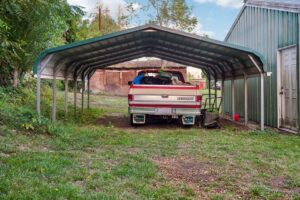
Contractors operate in a dynamic environment where efficiency, durability, and cost-effectiveness are paramount. While traditional construction methods have their place, an increasing number of contractors are opting for metal shop buildings. This isn’t a trend driven by novelty, but by practical advantages that directly impact their bottom line and operational capabilities. From accommodating a fleet of heavy machinery to providing a secure, climate-controlled fabrication space, pre-engineered metal buildings offer a suite of benefits that address critical contractor needs.
1. Speed of Construction and Reduced On-Site Labor
Time is money in the construction industry, and delays directly translate to increased costs and missed opportunities. Metal shop buildings offer a significant advantage in this regard due to their pre-engineered nature and streamlined assembly process.
Minimized Construction Timelines
Unlike conventional construction, where various trades must sequence their work over extended periods, metal buildings are manufactured off-site to precise specifications. This parallel processing means the foundation can be prepared while the building components are being fabricated. Once on-site, the structural framework can be erected rapidly, often in a fraction of the time it would take to build a comparable wood or concrete structure. This accelerated timeline allows contractors to occupy and utilize their new facility much sooner, generating revenue or consolidating operations more quickly.
Prefabrication and Simpler Assembly
The components of a metal building—girders, columns, purlins, girts, and wall/roof panels—are pre-cut, pre-drilled, and pre-welded at the factory. This high degree of prefabrication eliminates much of the on-site cutting, welding, and framing typically associated with traditional building. The result is a more straightforward assembly process that requires less specialized labor and supervision. Even complex designs are broken down into manageable, labeled components, facilitating identification and placement according to detailed erection drawings.
Reduced Need for Skilled Trades
While skilled crane operators and riggers are essential for erectin the primary steel framework, the overall demand for highly specialized trades like framers, masons, and extensive finish carpenters is significantly reduced during the core structural assembly. Many components are bolted together, simplifying the process and allowing for a smaller, more focused installation crew. This can be a considerable advantage in areas facing skilled labor shortages, reducing project bottlenecks and associated costs.
If you’re considering the benefits of metal shop buildings, you might also find it helpful to explore the article on finding local steel building contractors. This resource provides valuable insights into selecting the right professionals for your project, ensuring that your metal shop building is constructed to meet your specific needs. For more information, check out the article here: Finding Local Steel Building Contractors.
2. Durability, Longevity, and Low Maintenance
Contractors invest in infrastructure that needs to withstand the rigors of heavy use, harsh weather conditions, and the passage of time. Metal shop buildings excel in these areas, offering a robust and long-lasting solution with minimal upkeep requirements.
Robust Structural Integrity
Steel, as a building material, possesses an exceptional strength-to-weight ratio. Pre-engineered metal buildings are designed to meet stringent engineering standards, accounting for significant snow loads, high wind forces, and seismic activity. The continuous structural members and robust connections create a resilient framework capable of withstanding extreme environmental conditions without compromising structural integrity. This inherant strength provides a safe and secure environment for valuable equipment, materials, and personnel.
Resistance to Pests, Rot, and Fire
Unlike wood structures, steel is impervious to termites, rodents, and other pests that can cause extensive damage over time. It also does not rot, warp, or mold, which are common issues in damp or humid environments. Furthermore, steel is non-combustible. While it will deform under extreme heat, it does not contribute fuel to a fire, providing a significant safety advantage and potentially lower insurance premiums compared to wood-framed buildings. This inherent resistance to common threats translates directly into extended building lifespan and reduced repair costs.
Minimal Ongoing Maintenance
The exterior finishes of modern metal buildings, particularly the roof and wall panels, are often coated with advanced, durable paint systems that resist fading, chalking, and corrosion for decades. This reduces the need for frequent repainting, sealing, or extensive repairs. Unlike traditional exteriors that may require periodic re-siding or extensive masonry repointing, metal buildings generally only require routine cleaning and occasional inspections of fasteners and sealants. This low-maintenance profile frees up contractor resources to focus on their core business operations rather than property upkeep.
3. Cost-Effectiveness and Return on Investment
For contractors, every investment must demonstrate a clear return. Metal shop buildings offer a financially compelling proposition through a combination of upfront savings and long-term economic benefits.
Competitive Initial Investment
While the perception might be that steel is an expensive material, the efficiency of pre-engineered metal building systems often results in a lower overall cost per square foot compared to traditional construction. The speed of erection significantly reduces labor costs, a major component of any construction project. Furthermore, the standardized manufacturing process leads to economies of scale that can make the material costs more competitive. When comparing apples to apples—a fully functional, structurally sound, and code-compliant building—metal often presents a more attractive initial outlay.
Energy Efficiency and Operating Costs
Modern metal buildings are designed to accommodate high R-value insulation systems, providing excellent thermal performance. Walls and roofs can be insulated to meet or exceed current energy codes, dramatically reducing heating and cooling costs. The tight construction of metal buildings minimizes air infiltration, further contributing to energy efficiency. Over the lifespan of the building, these reduced utility bills represent substantial savings, directly impacting a contractor’s operational budget.
Long-Term Value and Resale Potential
The durability and low maintenance of metal buildings contribute to a strong long-term value proposition. A well-maintained steel structure retains its structural integrity and aesthetic appeal for decades, making it an attractive asset. Should a contractor decide to sell their property, a robust, modern metal shop building is a desirable feature, potentially commanding a higher resale value than a comparable traditional structure that may show more signs of wear and tear or require significant updates. The ability to easily expand or modify a metal building also enhances its long-term utility and marketability.
Sure, here is the sentence with the clickable link:
Watch our Expert Metal Carport and Steel Building Installation Videos on YouTube.
4. Customization and Adaptability for Specific Needs
Contractors have diverse operational requirements, from large equipment storage to intricate fabrication spaces. Metal buildings offer a high degree of customization and adaptability, ensuring the facility perfectly suits the intended purpose.
Clear-Span Capabilities
One of the most significant advantages of metal buildings for contractors is their ability to achieve vast clear-span interiors without the need for internal support columns. This is crucial for maneuvering large machinery, organizing extensive material inventories, or creating flexible workspaces for different projects. Whether it’s accommodating a boom lift, a fleet of excavators, or even an overhead crane system, the unobstructed interior space maximizes functionality and operational efficiency. The absence of internal columns simplifies layout planning and allows for easy reconfiguration as business needs evolve.
Versatile Design Options
While often perceived as utilitarian, modern metal buildings offer extensive design flexibility. Contractors can choose from a variety of roof pitches, wall panel profiles, and exterior finishes, including options that mimic stucco, brick, or stone, to achieve a desired aesthetic. The integration of windows, skylights, overhead doors, walk-through doors, and mezzanines is seamlessly incorporated into the engineered design. This versatility allows contractors to create a building that not only meets functional requirements but also aligns with corporate branding and local architectural guidelines.
Easy Expansion and Modification
As a contractor’s business grows, the need for additional space often arises. Metal buildings are inherently designed for straightforward expansion. Extending a building is typically a matter of removing an end wall, adding new frame sections, and re-enclosing the structure. This modularity means an initial investment in a metal building isn’t a permanent constraint but a flexible foundation for future growth. Internal modifications, such as adding or reconfiguring office space, restrooms, or work areas, are also simpler due to the non-load-bearing nature of most interior walls.
If you’re considering the benefits of metal shop buildings, you might also find it interesting to explore how metal barns can serve a variety of purposes, from storage to livestock housing. For more insights on this topic, check out this article on metal barns near Silver Bow County, Montana. Understanding the versatility of metal structures can help you make a more informed decision for your construction needs.
5. Compliance with Building Codes and Engineering Standards
Navigating local building codes and engineering requirements can be complex and time-consuming. Metal building manufacturers simplify this process, providing contractors with confidence in their investment.
Pre-Engineered and Code-Compliant Designs
Reputable metal building manufacturers utilize sophisticated CAD and engineering software to design buildings that meet or exceed all relevant local building codes, including those for structural integrity, snow loads, wind loads, and seismic activity. Each component is meticulously calculated and specified according to the project’s specific location and requirements. This pre-engineering process means that the base design is inherently compliant, reducing the risk of costly rework or delays associated with code violations.
Stamped Engineering Drawings
A critical component of the permitting process is the submission of stamped engineering drawings. Metal building manufacturers provide these professional architectural and structural drawings, certified by licensed engineers. These documents demonstrate that the building’s design adheres to all applicable codes and standards, significantly expedifying the permitting process. Contractors can present these direct to local authorities, bypassing the need for extensive in-house design or third-party engineering for the primary structure.
Safety and Reliability Assurance
The rigorous engineering and adherence to codes translate directly to a safer and more reliable structure. Contractors are responsible for providing a safe working environment for their employees and for protecting their assets. A code-compliant metal building ensures that the structure itself is sound, reducing the risk of structural failure from environmental forces. This provides peace of mind and demonstrates a commitment to safety and quality, both internally and to clients.
6. Environmental Responsibility and Sustainability
In an era of increasing environmental consciousness, contractors are looking for sustainable building solutions. Metal shop buildings offer several advantages in this regard, contributing to a greener footprint.
Recycled Content and Recyclability
Steel is one of the most recycled materials globally. The steel used in pre-engineered metal buildings often contains a significant percentage of recycled content, reducing the demand for new raw materials and conserving natural resources. Furthermore, at the end of its long service life, the entire steel building can be almost 100% recycled without losing its inherent properties. This closed-loop material cycle makes steel a highly sustainable choice, aligning with corporate sustainability goals and potentially meeting green building certifications.
Reduced Waste During Construction
Due to the precise prefabrication of components, metal building construction generates significantly less on-site waste compared to traditional methods. Materials are cut to size in the factory, minimizing off-cuts and scraps that would otherwise end up in landfills. This reduction in construction waste lowers disposal costs for contractors and lessens the environmental impact of their projects. The efficient use of materials is a core principle of sustainable construction.
Energy Efficiency and Reduced Operational Emissions
As previously mentioned, the ability to incorporate high-performance insulation systems and create a tight building envelope leads to exceptional energy efficiency. This translates to lower energy consumption for heating, cooling, and lighting throughout the building’s lifespan. Reduced energy usage directly results in lower greenhouse gas emissions, contributing to a smaller carbon footprint for the contractor’s operations. This focus on operational efficiency is a key aspect of long-term environmental responsibility.
7. Enhanced Security and Asset Protection
Contractors often store expensive equipment, valuable materials, and sensitive documents in their shop buildings. The inherent characteristics of metal buildings provide superior security and protection for these critical assets.
Robust and Secure Enclosure
Steel buildings are inherently difficult to breach. The solid steel panels and rigid framework offer a much higher level of resistance to forced entry compared to wood or other lighter materials. Windows can be strategically placed or reinforced, and heavy-duty steel doors can be integrated, all contributing to a more secure perimeter. This robust enclosure deters vandals and opportunistic thieves, safeguarding a contractor’s valuable investments.
Weather Resistance and Protection from Elements
The sealed nature of a well-constructed metal building, combined with its resistance to rot, pest, and fire, provides excellent protection against the elements. Snow, rain, high winds, and even hail are effectively kept out, preventing damage to equipment, materials, and sensitive documents. This climate-controlled environment, even without active heating or cooling, maintains a more stable internal atmosphere, protecting items from extreme temperature fluctuations and moisture that can cause corrosion or degradation.
Longevity and Peace of Mind
The combined benefits of durability, low maintenance, and superior protection contribute to long-term peace of mind for contractors. Knowing that their shop building is engineered to last, resist threats, and reliably protect their assets allows them to focus on their core business without constant worry about their physical infrastructure. This reliability translates into direct financial benefits by reducing replacement costs for damaged equipment and minimizing business interruptions due to facility issues.
FAQs
What are the benefits of building metal shop buildings?
Metal shop buildings offer several benefits, including durability, cost-effectiveness, quick construction time, low maintenance, and versatility in design and customization.
What are the common uses for metal shop buildings?
Metal shop buildings are commonly used for various purposes such as automotive repair shops, woodworking shops, metal fabrication shops, storage facilities, agricultural buildings, and commercial or industrial workshops.
What factors contribute to the durability of metal shop buildings?
The durability of metal shop buildings is attributed to the strength of steel, resistance to pests and rot, ability to withstand harsh weather conditions, and the option for protective coatings to prevent corrosion.
How do metal shop buildings compare to traditional construction methods?
Metal shop buildings are often more cost-effective and quicker to construct compared to traditional construction methods. They also require less maintenance and offer greater design flexibility.
What are the environmental benefits of using metal for shop buildings?
Metal shop buildings are environmentally friendly as steel is a highly recyclable material, reducing the need for new resources. Additionally, metal buildings can be designed to be energy-efficient, reducing overall energy consumption.