When you own property, whether it’s a bustling business, a sprawling ranch, or your cherished home, protecting your assets is paramount. For many, that means considering a robust, long-lasting structure to shield vehicles, equipment, or even livestock from the elements. In regions prone to heavy snowfall, this decision becomes even more critical. Metal carports, garages, barns, RV covers, and other steel buildings offer a compelling solution, but not all are created equal, especially when facing significant winter weather. This guide will walk you through the essential considerations, ensuring your investment stands firm against the deepest drifts.
In areas grappling with heavy snowfall, the structural integrity of your chosen shelter is non-negotiable. While wood offers a traditional aesthetic, its susceptibility to rot, warping, and pest infestation can compromise its long-term performance under sustained snow loads. Fabric shelters, while economical upfront, often lack the durability required for repeated heavy snow events, risking collapse, tearing, and costly damage to your enclosed items.
Steel, however, provides a superior alternative. Its inherent strength-to-weight ratio allows for designs that can withstand immense pressure. Unlike other materials, steel doesn’t absorb moisture, making it impervious to rot and mold. Furthermore, its non-combustible nature offers an added layer of safety. When engineered correctly, a metal structure can provide decades of reliable protection, even in the most challenging winter environments.
The Engineering Advantage of Steel
The superiority of steel in heavy snow environments stems from its material properties and the precision engineering it enables. Steel structures are typically designed using a framework of galvanized steel tubing or I-beams, which are then clad with durable metal panels. This construction provides exceptional rigidity and resistance to downward force.
Modern steel buildings are pre-engineered, meaning the design takes into account specific geographic factors like snow and wind loads before fabrication. This contrasts sharply with traditional construction where these calculations might be more generalized or dependent on on-site interpretation, which can introduce error.
When considering the best options for protecting your vehicles and equipment in heavy snow areas, it’s essential to explore various structures that can withstand harsh weather conditions. A related article that provides valuable insights into the installation of metal carports and RV covers in regions prone to heavy snowfall can be found at this link: Metal Carports and RV Covers in Twin Falls County, Idaho. This resource discusses the benefits of choosing metal structures and offers guidance on selecting the right carport for your needs.
Decoding Snow Load and Wind Load Requirements
Understanding and specifying the correct snow and wind load ratings for your metal structure is perhaps the single most important factor for homeowners, ranch owners, and business owners in heavy snow areas. Underestimating these requirements can lead to catastrophic failure, endangering lives and destroying valuable property.
What is Snow Load?
Snow load refers to the pressure exerted by accumulated snow on a structure’s roof. This isn’t just about the depth of snow; it’s also about its density, which varies significantly depending on whether it’s fresh powder, wet slush, or compacted ice. Building codes in heavy snow areas mandate specific ground snow loads, which then translate to design roof snow loads, accounting for factors like roof pitch, drifting, and exposure.
Example: If your local building code specifies a ground snow load of 70 PSF (pounds per square foot), your metal carport or garage needs to be engineered to safely support that weight across its entire roof surface, plus a margin of safety. Ignoring this can result in a collapsed roof, damaging vehicles, equipment, or even causing injury.
What is Wind Load?
While snow load focuses on vertical pressure, wind load addresses the horizontal forces exerted by wind on a structure. High winds, especially common during winter storms, can create uplift pressure on roofs, lateral pressure on walls, and aerodynamic forces that can stress the entire frame. Building codes specify design wind speeds and corresponding pressures, which vary by geographic location and terrain exposure (e.g., open country vs. urban).
Example: A ranch in an open, exposed area will require a higher wind load rating than a suburban property sheltered by other structures. Strong winds can peel back roof panels, compromise the frame, or even detach an inadequately anchored structure from its foundation.
The Critical Role of Certification
When purchasing a metal structure for heavy snow areas, always ask for certified plans. Certification means the building has been professionally engineered to meet specific snow and wind load ratings, conforming to local, state, and national building codes.
Why it matters:
- Safety: Ensures the structure won’t collapse under anticipated weather conditions.
- Permitting: Most jurisdictions require certified plans for building permits. Without certification, you often cannot legally erect the structure.
- Insurance: Many insurance providers require certified structures to cover damage caused by natural disasters.
- Resale Value: A certified structure adds legitimate value to your property.
Be wary of manufacturers who offer “uncertified” options or claim their structures are “heavy-duty” without providing specific load ratings and engineering stamps. This is a red flag, especially in snow country.
Design Considerations for Extreme Weather
Beyond basic certification, several architectural and structural design choices contribute significantly to a metal building’s ability to withstand heavy snow. Understanding these will empower you to make informed decisions and ask the right questions of your supplier.
Roof Style and Pitch
The roof’s pitch (angle) plays a crucial role in snow shedding. Steeper pitches allow snow to slide off more easily, reducing accumulation. While a flatter roof might appear more modern, it’s generally less ideal for heavy snow areas unless combined with exceptionally strong frame elements and regular snow removal.
Common Roof Styles and their Snow Performance:
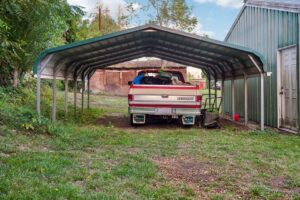
- Standard/Regular Roof: Rounded edges, horizontal panels. Least ideal for heavy snow as snow can accumulate and sag.
- A-Frame Horizontal Roof: Pitched roof with panels running horizontally. Better than regular, but snow can still get trapped at seams.
- Vertical Roof (A-Frame Vertical or Boxed Eave Vertical): Panels run vertically from ridge to eave. This is the gold standard for heavy snow areas. Snow slides off easily, and the robust bracing typically associated with vertical roofs enhances structural strength.
Frame Gauge and Bracing
The gauge (thickness) of the steel tubing used for the frame directly impacts its strength. In heavy snow areas, 14-gauge steel is often the minimum recommended, with 12-gauge offering superior strength and durability.
Beyond the gauge, the type and amount of bracing are critical. Structures designed for heavy snow will feature:
- Corner Braces: Reinforce the connection points on the roof.
- Peak Braces: Strengthen the highest point of the roof.
- Trusses: For wider spans, well-designed trusses effectively distribute weight.
- Webbing/Horizontal Reinforcement: Adds rigidity along the length of the structure.
Don’t just assume a “heavy-duty” frame is sufficient; inquire about the specific gauge and the extent of bracing included in the engineering plans for your snow load.
Anchoring and Foundation
A strong structure is only as good as its foundation and anchoring. In heavy snow areas, the ground can freeze and thaw, causing movement. Proper anchoring is essential to prevent uplift during high winds and to secure the structure against lateral forces.
Anchoring Options:
- Rebar Anchors: Driven into the ground. Suitable for light-duty structures or temporary installations, but less reliable for heavy snow and wind.
- Mobile Home Anchors: Helical anchors screwed deep into the ground. Better for more permanent setups than rebar.
- Concrete Anchors: Drilled into a concrete slab or footings. This is the preferred method for heavy snow areas, providing the most secure connection.
Foundation Considerations:
- Concrete Slab: Offers the most stable and durable base. Essential for garages, workshops, and barns. Consider a thick slab (4-6 inches) with proper rebar reinforcement.
- Concrete Footings: piers or perimeter footings can support the structure effectively, especially for carports, but the ground within still needs proper drainage.
- Gravel Base: Acceptable for some carports in areas with good drainage, but not recommended for structures needing significant snow load capacity or requiring a sealed interior.
Always consult with a local contractor or engineer regarding the best foundation and anchoring methods for your specific soil conditions and local building codes.
Sure, here is the sentence with the clickable link:
Watch our Expert Metal Carport and Steel Building Installation Videos on YouTube.
Installation and Maintenance in Cold Climates
Even the most robust metal structure can falter if not properly installed and maintained, especially in heavy snow environments.
Professional Installation vs. DIY
While many metal carports and smaller structures are advertised as DIY-friendly, for heavy snow areas, professional installation is strongly recommended. Experienced installers understand how to correctly align panels, tighten fasteners, and ensure all bracing is properly attached according to engineered specifications. Misalignment or neglected fasteners can create weak points that are vulnerable under heavy snow.
For larger structures like barns, RV covers, or multi-car garages, professional installation is almost always a necessity due to the complexity and weight of the components.
Essential Maintenance for Snow Protection
Maintaining your metal structure for optimal performance in snow country involves a few key steps:
- Regular Inspections: Before and after winter, inspect the roof and frame for any loose fasteners, bent panels, or signs of stress. Address minor issues proactively.
- Drainage: Ensure gutters (if installed) are clear and downspouts direct water away from the foundation. Poor drainage can lead to ice dams and foundation issues.
- Snow Removal (When Necessary): While vertical roofs are designed to shed snow, exceptionally heavy, wet snow or prolonged cold spells can still lead to accumulation. If you notice significant buildup, consider using a roof rake or hiring professionals for snow removal. Never climb onto a snowy roof yourself.
- Ice Management: Pay attention to areas where ice might build up, such as eaves or adjacent to walls. Remove ice where safe to prevent damage.
- Corrosion Check: While galvanized steel is resistant, inspect for any signs of rust developing, particularly around bolt holes or damaged areas. Touch up with rust-inhibiting paint if needed.
When considering the best options for protecting your vehicles and equipment in heavy snow areas, it’s essential to explore durable solutions like metal carports. These structures are designed to withstand harsh weather conditions, ensuring that your investments remain safe and secure. For those interested in learning more about custom metal buildings that can cater to specific needs, you can find valuable insights in this related article on custom metal buildings near Silver Bow County, Montana. This resource provides detailed information on how to choose the right building for your environment.
Budgeting and Pricing Factors
| Carport Size | Snow Load Capacity | Roof Style | Frame Material |
|---|---|---|---|
| 12′ x 21′ | 30 lbs/sq ft | Regular | Galvanized Steel |
| 18′ x 26′ | 40 lbs/sq ft | Boxed Eave | Aluminum |
| 20′ x 36′ | 50 lbs/sq ft | Vertical Roof | Steel |
The cost of a metal carport, garage, or other steel building varies widely based on several factors, particularly when designing for heavy snow loads. Understanding what drives pricing will help you allocate your budget effectively.
Key Pricing Influencers
- Size and Dimensions: Naturally, larger structures require more material and labor, increasing costs.
- Snow and Wind Load Rating: Higher load ratings necessitate heavier gauge steel, more extensive bracing, and potentially stronger anchoring, all of which add to the price. This is arguably the biggest cost driver for heavy snow regions.
- Gauge of Steel: 12-gauge steel is more expensive than 14-gauge but offers superior strength.
- Roof Style: Vertical roofs, while optimal for snow, typically cost more than horizontal or regular roofs due to more complex framing and panel orientation.
- Enclosure: Fully enclosed garages, barns, or workshops will be significantly more expensive than open carports or RV covers due to the added walls, doors, and windows.
- Customizations: Features like roll-up doors, walk-in doors, windows, skylights, insulation, or specific color choices will impact the final price.
- Foundation and Site Prep: If you need a concrete slab, excavation, or extensive site leveling, these costs are typically separate from the building kit itself but are crucial for a successful project.
- Installation: DIY installation saves on labor but carries risks. Professional installation adds to the total cost but provides peace of mind and often warranty coverage.
- Permitting Fees: Local building permits often involve fees, which vary by jurisdiction.
- Delivery Fees: Depending on your location and the manufacturer, delivery charges can be a significant addition.
Getting Accurate Quotes
When seeking quotes, be precise about your needs:
- Specify your location’s exact snow and wind load requirements. Don’t just say “heavy snow”; provide the PSF.
- Clearly state the dimensions (width, length, height).
- Indicate the desired roof style (vertical is recommended for snow).
- Confirm the steel gauge (12-gauge for frames is often preferred).
- Detail any desired enclosures or accessories.
- Ask if installation, foundation work, and delivery are included or separate.
A reputable dealer will provide a detailed quote that breaks down these elements, avoiding hidden costs.
Permits, Local Codes, and Insurance
Navigating local regulations is a critical step in any property improvement project, and building a metal structure is no exception. Ignoring these can lead to fines, demolition orders, and insurance complications.
The Importance of Building Permits
For almost all permanent metal structures, especially those designed for heavy snow areas, a building permit will be required by your local municipality or county. This process ensures your proposed structure meets safety standards outlined in local building codes.
What to Expect During the Permit Process:
- Application Submission: You’ll typically submit an application along with certified engineering plans (provided by the manufacturer), site plans, and sometimes foundation details.
- Review and Approval: Building department officials will review your plans to ensure compliance with snow load, wind load, setbacks, and other zoning ordinances.
- Inspections: During construction, various inspections (e.g., foundation, framing, final) may be required to verify that the building is being constructed according to the approved plans.
Begin the permit process early, as it can take several weeks or even months for approval.
Understanding Local Codes
Beyond snow and wind loads, local codes may dictate:
- Setbacks: How far the structure must be from property lines, other buildings, or roads.
- Height Restrictions: Maximum allowable height for structures.
- Aesthetic Requirements: In some homeowner associations or historic districts, there might be rules about exterior colors or materials.
- Foundation Requirements: Specific concrete depth, rebar spacing, or drainage mandates.
Always consult your local building department or a qualified local contractor for the most accurate and up-to-date information regarding your area’s specific codes.
Insurance Implications
Once your metal structure is built, ensure it’s adequately covered by your property insurance.
- Notify Your Insurer: Inform your insurance provider about the new structure.
- Verify Coverage: Confirm that the structure and its contents are covered against perils like fire, theft, and especially snow collapse or wind damage. Many insurers will require certified structures to provide coverage for weather-related events.
- Appraisal: Consider getting an appraisal to ensure the structure’s value is accurately reflected in your policy.
By proactively addressing permits, local codes, and insurance, you’ll avoid potential headaches and ensure your investment is both compliant and protected.
FAQs
1. What are metal carports?
Metal carports are structures made of metal, typically steel, that are used to provide shelter for vehicles. They are designed to be durable and long-lasting, offering protection from the elements.
2. How do metal carports hold up in heavy snow areas?
Metal carports are well-suited for heavy snow areas due to their sturdy construction. They are designed to withstand heavy loads, including snow accumulation, and are often engineered to meet local building codes for snow load requirements.
3. What are the benefits of using metal carports in heavy snow areas?
Metal carports offer several benefits in heavy snow areas, including durability, resistance to rust and corrosion, and low maintenance requirements. They also provide reliable protection for vehicles and other belongings from the weight of snow and ice.
4. Are there any considerations to keep in mind when installing metal carports in heavy snow areas?
When installing metal carports in heavy snow areas, it’s important to ensure proper anchoring and foundation support to withstand the weight of snow. Additionally, regular maintenance, such as snow removal, may be necessary to prevent excessive accumulation and potential damage.
5. Where can metal carports for heavy snow areas be purchased?
Metal carports for heavy snow areas can be purchased from various suppliers, including manufacturers, retailers, and specialty carport companies. It’s important to choose a reputable supplier that offers high-quality, snow-rated metal carports to ensure reliable protection in heavy snow areas.