Welcome, property owners, to an essential guide for safeguarding your valuable assets. Whether you’re a homeowner with an expanding collection of vehicles, a rancher needing robust shelter for equipment, or a business owner looking for a durable storage solution, the world of metal buildings offers a compelling answer. From carports to full-scale steel structures, understanding their engineering, applications, and value proposition is key. This comprehensive resource is designed to cut through the jargon, providing clear, actionable insights to help you make an informed decision. We’ll explore why metal structures are not just a convenience but a strategic investment in protection and longevity. Let’s delve into the specifics that matter most to you.
When it comes to protecting vehicles, equipment, and other assets from the elements, the material choice is paramount. Wood, while aesthetically pleasing to some, comes with inherent vulnerabilities. Fabric shelters offer a temporary solution but lack the endurance for permanent protection. Metal, particularly steel, stands out for its unmatched strength, durability, and resistance to environmental threats. This isn’t just about avoiding a leaky roof; it’s about providing a fortress for your investments.
Engineering Excellence: Beyond Basic Shelter
The integrity of any building lies in its engineering. Metal carports, garages, barns, and RV covers are not simply assembled; they are precisely designed. This engineered approach ensures that every component works in harmony to withstand significant environmental stresses over decades.
- Structural Integrity: G-90 galvanized steel components, often with 12 to 14-gauge framing, form the backbone of these structures. This heavy-duty steel resists warping, cracking, and rot, common issues with alternative materials.
- Precision Manufacturing: Components are typically pre-fabricated in a controlled environment, ensuring tight tolerances and a perfect fit during assembly. This reduces installation errors and enhances the overall strength of the finished product.
The Element Equation: Snow, Wind, and Metal
Nature’s forces are relentless. Protecting your assets means accounting for the heaviest snowfalls and the strongest gusts of wind. This is where metal structures truly shine.
- Snow Load Ratings: Engineered metal buildings come with specific snow load ratings, often expressed in pounds per square foot (PSF). These ratings are critical in regions experiencing significant snowfall. A 20 PSF rating, for instance, means the roof can safely bear 20 pounds of snow per square foot of surface area without structural compromise. This is achieved through robust framing, appropriate roof pitches, and strategic bracing.
- Wind Load Certification: Similarly, wind load ratings, often expressed in miles per hour (MPH), indicate the maximum sustained wind speed the structure can withstand. Coastal areas or open plains susceptible to high winds require higher ratings, typically 130 MPH or even 150 MPH. This involves secure anchor systems, reinforced frames, and paneling designed to resist uplift and lateral forces.
- Certified Structures: For ultimate peace of mind and often a requirement for permitting, “certified” structures undergo rigorous testing and meet local building codes for snow and wind loads. This certification provides an engineer’s stamp of approval, assuring the building’s compliance and safety.
If you’re considering investing in a metal RV cover, you might find it beneficial to explore the advantages of metal garages as well. A related article titled “Metal Garages for Sale Near Clackamas County, Oregon” provides insights into the various options available for protecting your vehicles and equipment. You can read more about it here: Metal Garages for Sale Near Clackamas County, Oregon. This resource complements the discussion on how metal RV covers can safeguard your investment by highlighting additional protective structures that can enhance the longevity of your assets.
Tailored Solutions: From Carports to Commercial Steel Buildings
The versatility of metal structures allows for a wide array of applications, each designed to meet specific needs. Understanding these options is the first step in selecting the right solution for your property.
Carports: The Economical Overhead Shield
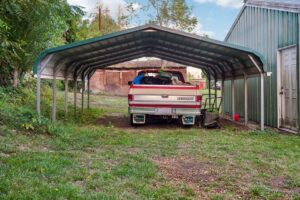
Carports offer fundamental protection from sun, hail, and light snow, serving as an open-sided shelter. They are an economical choice for homeowners needing basic vehicle protection.
- Single/Double Carports: Standard sizes accommodate one or two vehicles, ideal for driveways or small property lines.
- Triple Wide Carports: Expanding capacity, these shelter multiple vehicles or provide additional open storage.
- Utility Carports: Integrating a small, enclosed storage locker at the end, these offer a hybrid solution for secure storage alongside vehicle cover.
Garages: Enclosed, Secure, and Versatile
Metal garages provide complete enclosure, offering superior protection from theft, vandalism, and all weather conditions. They are highly customizable for various uses.
- Standard Enclosed Garages: Fully walled structures with garage doors (roll-up or sectional) and often walk-in doors and windows, designed for vehicle storage, workshops, or basic storage.
- Residential Garages: Blending functionality with aesthetics, these can be customized with siding options to match existing homes.
- Commercial Garages: Larger and more robust, designed for fleet storage, maintenance bays, or industrial workshops.
Barns: Agricultural and Beyond
Beyond their traditional agricultural use, metal barns offer vast, open spaces suitable for various applications, from equipment storage to animal shelter.
- Barn Styles: Include traditional A-frame, gambrel (barn-style roof), and monitor barns (raised center section for added height and light).
- Equipment Storage: Ideal for tractors, harvesters, ATVs, and other farm machinery, protecting them from rust and degradation.
- Livestock Shelters: Provide a safe, durable environment for animals, protecting them from extreme weather.
RV Covers: Specialized Protection for Your Mobile Investment
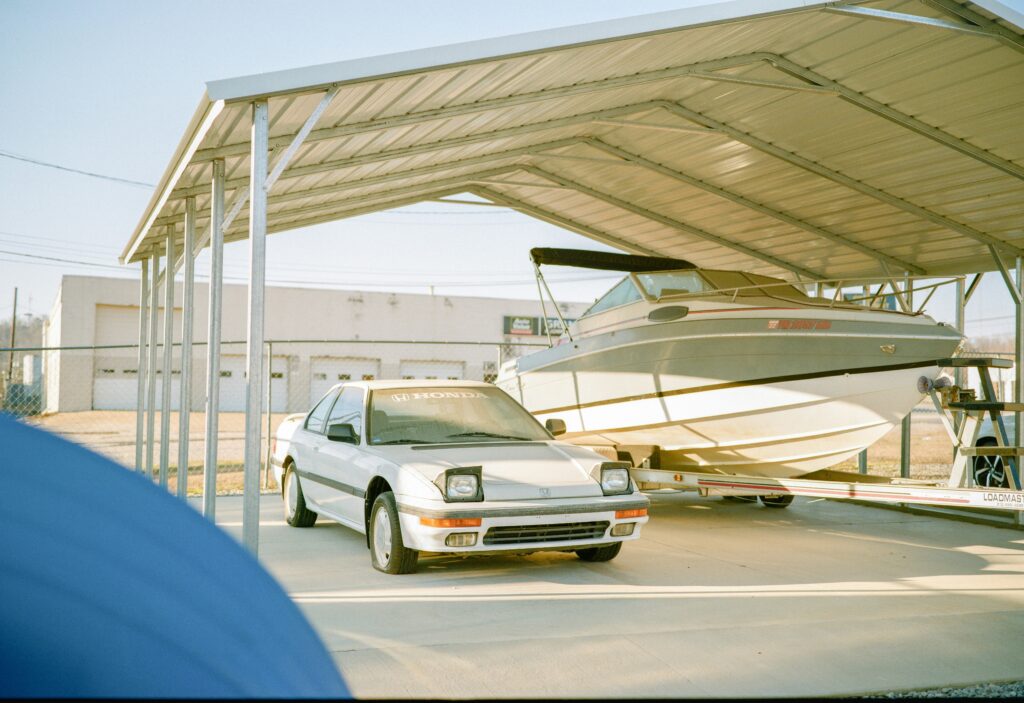
Recreational Vehicles (RVs) represent a significant investment. Protecting them from sun damage, hail, snow, and rust is crucial for preserving their value and extending their lifespan. Metal RV covers are specifically designed for this purpose, offering increased height and length.
- Height and Length: Custom-built to accommodate the substantial dimensions of Class A, B, and C RVs, fifth-wheelers, and travel trailers.
- Sun Protection: Prevents UV degradation of exterior seals, tires, and paint, which can lead to costly repairs.
- Weather Shield: Protects against hail dents, snow accumulation, and acidic bird droppings, keeping your RV in pristine condition.
The Buying Journey: What Property Owners Need to Know
Purchasing a metal building is a significant investment. Navigating the options, understanding pricing, and ensuring compliance are critical steps.
Sizing and Configuration: Getting It Right
Accurate measurements and a clear vision for use are foundational.
- Measure Your Needs: For vehicles, ensure adequate clearance around doors, and consider future purchases. For storage, plan for shelving, workbenches, and access aisles.
- Future-Proofing: It’s often more cost-effective to oversize slightly now than to need to expand or replace a structure later.
- Roof Styles:
- Regular Roof (Bow/Rounded): Most economical, typically for carports and areas with light snow. Panels run horizontally.
- A-Frame Horizontal Roof: Stronger than regular roof, panels run horizontally but with a peaked design, better for moderate snow/wind.
- Vertical Roof: Strongest and most recommended for all applications, especially for snow and high winds. Panels run vertically, allowing snow and debris to shed easily. Attached with purlins for added rigidity.
Pricing Factors: Decoding the Cost
The cost of a metal building isn’t static; it’s influenced by several key variables.
- Size (Dimensions): The most obvious factor. Larger width, length, and height directly increase material and labor costs.
- Gauge of Steel: Thicker steel (e.g., 12-gauge vs. 14-gauge) costs more but offers superior strength and durability.
- Roof Style: Vertical roofs are generally more expensive due to additional framing and labor.
- Enclosure Options: Fully enclosed garages and barns are significantly more expensive than open carports.
- Doors and Windows: Number, type (roll-up, sectional, walk-in), and size of doors and windows impact cost.
- Anchoring System: Concrete anchors, auger anchors, or mobile home anchors vary in price and are essential for stability.
- Certification: Opting for an engineered, certified structure adds to the cost due to engineering stamps and higher-grade materials, but is often a permit requirement.
- Location: Shipping costs and local labor rates vary, influencing the final price.
- Site Preparation: A level site is crucial. If extensive grading or a new concrete pad is required, this adds to the overall project cost.
Permitting and Local Codes: Don’t Skip This Step
Ignoring local regulations can lead to costly fines or even demolition.
- Zoning Laws: Check with your local planning or zoning department for setbacks, height restrictions, and allowable uses for your property.
- Building Permits: Most permanent structures, especially certified ones, require a building permit. This involves submitting plans, often including engineered drawings, for review.
- HOA Regulations: Homeowner’s associations often have strict guidelines on building size, appearance, and placement.
Site Preparation and Installation: Smooth Sailing
Proper site preparation is as crucial as the building itself.
- Level Ground: The installation site must be level. While some slight variations can be accommodated, significant slopes require grading.
- Foundation Options:
- Concrete Pad: Provides the most stable and durable foundation, ideal for garages and workshops.
- Asphalt: A good option for some carports and lighter structures.
- Gravel Base: Offers drainage and a relatively stable surface for carports and some RV covers.
- Dirt/Grass: Least recommended, stable only for very light structures in dry climates, still requires a level surface.
- Installation Process: Most metal building providers offer professional installation. This typically involves assembling pre-fabricated components on-site. The process is generally quicker than traditional construction.
Sure, here is the sentence with the clickable link:
Watch our Expert Metal Carport and Steel Building Installation Videos on YouTube.
Local Focus: Finding the Right Provider for You
Connecting with local expertise is invaluable for seamless project execution.
Reputable Dealers and Installers
Look for providers with a solid track record, positive customer reviews, and transparent pricing.
- Experience Matters: Choose a company with years of experience specifically in metal building construction.
- Customer Service: A responsive and knowledgeable sales team can guide you through the complexities.
- Full Service: Ideally, a provider offering sales, delivery, and installation streamlines the process.
If you’re considering ways to safeguard your recreational vehicle, you might find it helpful to explore the benefits of metal RV covers in the article titled “7 Reasons Metal RV Covers Protect Your Investment.” Additionally, you can enhance your vehicle’s protection by looking into custom metal garages, which offer a versatile solution for storage. For more information on these options, check out this insightful resource on custom metal garages near Linn County, OR. These structures not only provide shelter but also add value to your property.
Frequently Asked Questions
| Reasons | Benefits |
|---|---|
| 1. Durability | Long-lasting protection against weather and environmental damage |
| 2. Strength | Sturdy construction to withstand heavy snow loads and strong winds |
| 3. Customization | Options for personalized sizes and designs to fit your RV perfectly |
| 4. Low Maintenance | Minimal upkeep required compared to other cover materials |
| 5. Security | Protection against theft and vandalism with a secure structure |
| 6. Value | Preservation of your RV’s resale value by keeping it in top condition |
| 7. Cost-Effective | Long-term savings on repair and replacement costs for your RV |
- How long does installation take?
Small carports can be installed in a few hours. Larger garages or barns may take 1-3 days, depending on complexity and weather.
- Do these buildings require maintenance?
Relatively low maintenance. Occasional washing, checking anchors, and ensuring no debris accumulates on the roof are generally sufficient.
- Can I customize my building later?
Yes, within limits. Many structures allow for adding panels, doors, or windows later, but significant structural changes may require professional assessment.
- What’s the difference between 12-gauge and 14-gauge steel?
12-gauge steel is thicker and stronger than 14-gauge, offering greater resistance to dents and structural deformation, especially under heavy snow loads or high winds. It’s often a requirement for certified structures.
By understanding these critical aspects of metal carports, garages, barns, RV covers, and steel buildings, you are now equipped to make an informed decision that truly protects your assets and enhances your property.
FAQs
What are metal RV covers?
Metal RV covers are structures made of metal materials such as steel or aluminum that are designed to protect recreational vehicles (RVs) from the elements. They typically consist of a metal frame and a metal roof, providing a sheltered space for RVs to be parked under.
How do metal RV covers protect your investment?
Metal RV covers protect your investment by shielding your RV from damaging elements such as sun, rain, snow, hail, and wind. By providing a protective barrier, metal RV covers help prevent rust, corrosion, fading, and other forms of deterioration that can occur when RVs are exposed to the outdoor environment.
What are the benefits of using metal RV covers?
Some benefits of using metal RV covers include protection from weather damage, extended lifespan of the RV, reduced maintenance costs, and preservation of the RV’s resale value. Additionally, metal RV covers can provide a secure storage space for your RV, protecting it from theft and vandalism.
Are metal RV covers durable?
Yes, metal RV covers are known for their durability. They are designed to withstand various weather conditions and are often constructed with high-quality, corrosion-resistant materials. When properly installed and maintained, metal RV covers can last for many years, providing long-term protection for your RV.
Can metal RV covers be customized to fit different RV sizes?
Yes, metal RV covers can be customized to fit different RV sizes. They are available in a variety of dimensions and can be tailored to accommodate specific RV models and sizes. This customization allows for a perfect fit, ensuring that your RV is fully protected within the metal cover.