When the wind howls and your property is exposed, safeguarding your vehicles, equipment, and structures isn’t just about convenience; it’s about resilience. For homeowners, ranch owners, business owners, and property managers across the nation, understanding the best metal carports for high wind zones is crucial. This guide will equip you with the knowledge to make an informed decision, ensuring your investment stands strong against the elements.
High wind zones present unique challenges for any outdoor structure. It’s not just about the aesthetic appeal of a metal carport or RV cover; it’s about its ability to withstand significant lateral forces.
What is Wind Load?
Wind load refers to the force exerted by wind on a structure. This force varies based on wind speed, the structure’s shape and size, and its exposure to the wind. In high wind zones, these forces are amplified, requiring specialized engineering and construction.
Why Wind Load Matters for Metal Buildings
Metal structures, while durable, are susceptible to uplift and lateral forces from high winds. Without proper reinforcement and foundation, carports, garages, or barns can be damaged, or worse, become a hazard. Understanding the wind load your structure needs to withstand is the first step in selecting the right building.
wind load ratings and Building Codes
Building codes, often dictated by local municipalities and influenced by national standards like the International Building Code (IBC), specify minimum wind load requirements based on geographic location. Higher wind zones will have more stringent requirements. Meeting or exceeding these codes ensures your building is safe and compliant. We’ll delve deeper into code compliance later, but it’s important to grasp that wind load ratings are directly tied to these official regulations.
If you’re considering the best metal carports for high wind zones, you may also find it helpful to explore related options for metal garages that can withstand harsh weather conditions. For more information on metal garages available near Gooding County, ID, check out this informative article: Metal Garages Near Gooding County, ID. This resource provides insights into various garage styles and their durability in challenging environments.
Engineering for Strength: What Makes a Carport Wind-Resistant?
Not all metal carports are created equal. When you’re in a high wind zone, the engineering and construction of the building become paramount.
Gauge of Steel and Framing
The thickness, or gauge, of the steel used in the framing and panels is a critical factor. Thicker gauge steel (lower number, e.g., 12-gauge) is stronger and more resistant to bending and deformation under wind pressure than thinner gauge steel (e.g., 14-gauge).
- Framing thickness: Look for robust framing, often referred to as “tubing” or “channels,” that are engineered to handle lateral forces. Standard framing might be sufficient for low-wind areas, but high-wind zones demand heavier-duty options.
- Bracing: Strategic bracing is essential. Metal carports designed for high winds will incorporate diagonal bracing in the roof and walls to prevent racking and twisting. Think of it like the x-bracing on a bridge – it adds significant structural integrity.
Foundation and Anchoring: The Unseen Heroes
A strong building needs a strong foundation. In high wind zones, anchoring is not a suggestion; it’s a necessity.
- Anchor types: Different anchoring systems are designed for various soil conditions and wind loads. Common options include:
- Rebar anchors: Pounded deep into the ground, these are suitable for softer soil.
- Concrete anchors (wedge anchors): Drilled into a concrete foundation or slab, these offer superior holding power.
- Expanding anchors: These expand within pre-drilled holes, creating a secure grip.
- Foundation design: For maximum security in extreme wind areas, consider a full concrete foundation or footings specifically designed to meet wind load requirements. A professional installation team will assess your site and recommend the appropriate anchoring system based on your local codes and building design.
Roof Style and Aerodynamics
The design of the roof can also play a role in wind resistance.
- A-frame/Gable roofs: These are generally considered more wind-resistant than open-sided or flat-roofed structures because they channel wind effectively. The sloped design helps to deflect wind, reducing direct upward pressure.
- Vertical roof panels: On vertical roof styles, the panels run vertically from the peak to the eaves. This design is superior for water drainage and is also engineered to be more resistant to uplift forces in high winds compared to horizontal panels.
Types of Metal Buildings for High Wind Zones
The category of metal building you need will depend on its intended use, but the principles of wind resistance apply across the board.
Wind-Resistant Metal Carports
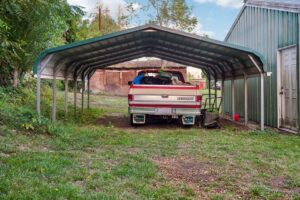
Carports are often the most exposed structures. For high wind zones, opt for carports engineered with thicker gauge steel, robust framing, and secure anchoring.
- Sizing: While size matters for coverage, ensure the structural integrity is not compromised. Larger carports require more extensive bracing and anchoring.
- Certifications: Look for carports that are certified by third-party engineering firms to meet specific wind load ratings. This certification is a testament to their ability to withstand tested wind speeds.
Robust Metal Garages
Garages offer enclosed protection for vehicles and valuable equipment. In high wind zones, their enclosed nature means they experience greater wind pressure on all sides.
- Enclosure: Fully enclosed garages need reinforced walls and doors. The doors themselves must be strong and securely latched to prevent wind from entering and creating internal pressure that could compromise the structure.
- Reinforced doors and windows: If your garage includes windows or doors, ensure they are rated for high wind resistance and are properly installed.
Sturdy Metal Barns
Ranch owners often require substantial structures for livestock, equipment, and storage. Metal barns in high wind areas demand exceptional engineering.
- Span and height: Larger spans and taller barns present greater surface area to the wind, requiring more substantial framing and anchoring.
- Roll-up doors: For ease of access and to minimize wind resistance when closed, heavy-duty roll-up doors are often preferred for metal barns and sheds in windy regions.
Secure RV Covers
RV covers, while often simpler in design, still need to be robust in high wind zones. They are very susceptible to uplift.
- Multiple supports: Extended RV covers often have multiple legs. Ensure each leg is securely anchored and that the frame connecting them is strong.
- Open sides: Many RV covers have open sides, which can reduce overall wind resistance compared to a fully enclosed building. However, the framing and anchoring must compensate for this. Vertical roof styles are particularly beneficial for RV covers in windy areas.
Versatile Steel Buildings
This broad category encompasses any pre-engineered steel structure. For high wind zones, custom-engineered steel buildings offer the most flexibility and assurance of structural integrity.
- Customization: You can work with engineers to design a building that precisely meets your specific wind load requirements and intended use.
- Foundation: Proper foundation design and installation are critical, especially for larger steel buildings that may house heavy machinery or serve as workshops.
Sure, here is the sentence with the clickable link:
Watch our Expert Metal Carport and Steel Building Installation Videos on YouTube.
Key Features of High-Wind-Resistant Metal Buildings
When you’re shopping for metal structures in high wind zones, keep an eye out for these crucial features and specifications.
Certification and Engineering Seals
This is perhaps the most important consideration.
- Third-Party Engineering: Look for buildings that have been engineered and certified by an independent, third-party engineering firm. This certification typically involves stamped
blueprints that detail the building’s structural integrity, including its ability to withstand specific wind speeds and snow loads.
- Building Code Compliance: Ensure the building’s certification explicitly states compliance with your local building codes. This will often be indicated by an engineering seal on the plans.
Steel Gauge and Structural Components
As mentioned earlier, the materials used are vital.
- Gauge Thickness: Prioritize 12-gauge steel framing for superior strength. While 14-gauge is common, it’s generally less suitable for consistently high wind areas.
- Tubing vs. Channels: Galvanized steel tubing is generally stronger and more resistant to bending than C-channels.
- Bracing Systems: Look for detailed descriptions of bracing systems, including roof bracing, wall bracing, and anchor bracing.
Anchoring Systems
The connection to the ground is non-negotiable.
- Recommended Anchors: Understand what types of anchors are recommended for your specific soil conditions and wind speed requirements. For high winds, concrete anchors are frequently the most reliable.
- Professional Installation: Rely on experienced, professional installers who understand the critical nature of proper anchoring in high wind zones.
Roof Design
The roof’s ability to shed wind is crucial, not just water.
- Vertical Roofs: For maximum wind resistance and superior water/snow shedding, the vertical roof design is superior.
- Overlapping Panels: Ensure roof and wall panels overlap sufficiently to prevent wind ingress.
When considering the best metal carports for high wind zones, it’s essential to understand the installation process and local regulations that may affect your choice. For instance, if you’re located near Twin Falls County, Idaho, you might find it helpful to explore a related article that discusses custom metal carports in that area. This resource can provide valuable insights into the specific requirements and options available for your location. You can read more about it here.
Sizing Your Metal Building for High Wind Zones
| Carport Model | Wind Zone Rating | Dimensions | Material |
|---|---|---|---|
| Model A | High Wind Zone | 20ft x 20ft | Metal |
| Model B | High Wind Zone | 18ft x 25ft | Steel |
| Model C | High Wind Zone | 22ft x 30ft | Aluminum |
Determining the right size involves more than just measuring the space you need to cover.
Area Coverage Needs
First, consider what you will be storing or housing.
- Vehicles: Ensure ample space for cars, trucks, RVs, or boats, allowing for easy entry and exit.
- Equipment: Account for the dimensions of tractors, mowers, or other farm or business equipment.
- Storage: If it’s for storage, consider future needs as well.
Wind Load Impact on Size
Larger structures present a bigger target for the wind.
- Increased Forces: A larger surface area means greater wind forces acting on the building. This necessitates stronger framing, more bracing, and more robust anchoring as the footprint of the structure increases.
- Multi-Carports: For multi-unit carports, ensure the support columns and connecting beams are engineered to handle the combined wind loads distributed across the entire structure.
Height Considerations
Taller structures are more vulnerable.
- Wind Speed Gradient: Wind speeds generally increase with height. Therefore, the upper portions of taller buildings experience higher wind pressures.
- Structural Reinforcement: Taller buildings will require more significant structural reinforcement, including extra bracing and potentially a stronger foundation.
When considering the best metal carports for high wind zones, it’s essential to also explore options for custom metal garages that can provide additional protection and versatility. For instance, you can find valuable insights in this article about custom metal garages near Carbon County, UT, which discusses various designs and installation tips tailored to withstand harsh weather conditions. This information can help you make an informed decision when selecting a carport that meets your needs while ensuring durability and safety.
Pricing Factors for High-Wind-Resistant Metal Buildings
Investing in a structure for a high wind zone naturally comes with a higher price tag due to the enhanced engineering and materials.
Material Quality and Gauge
- Thicker Steel: 12-gauge steel is more expensive than 14-gauge steel, but offers significantly greater durability.
- Galvanization: High-quality galvanization protects against rust and corrosion, adding to the longevity and initial cost.
Engineering and Certification Fees
- Professional Design: The cost of engineering services and obtaining third-party certification adds to the overall price. This expertise is what ensures your building’s safety and compliance.
Foundation and Anchoring Requirements
- Advanced Anchoring: Specialized anchoring systems appropriate for high wind zones, such as substantial concrete anchors or reinforced footings, will increase costs compared to basic anchoring.
- Site Preparation: Depending on your property, significant site preparation (grading, leveling) might be necessary, which adds to the installation expense.
Installer Expertise
- Specialized Skills: Professional installers with experience in high-wind-zone installations often charge more due to their specialized knowledge and the critical nature of their work.
Building Size and Complexity
- Larger Footprint: Naturally, larger buildings require more materials and labor.
- Complex Designs: Buildings with multiple sections, unique rooflines, or specialized features will cost more.
Installation: The Critical Final Step
Even the best-engineered building can fail if not installed correctly.
Choosing a Qualified Installer
- Experience is Key: Select an installer with a proven track record in your region, especially one experienced with high-wind-zone installations. Ask for references and look at their past projects.
- Warranty: Inquire about the installer’s warranty on their workmanship.
Site Preparation
- Level Ground: A level and properly prepared site is essential for the integrity of the anchoring and the overall structure. Uneven ground can lead to uneven stress distribution.
- Foundation: If a concrete foundation is required, ensure it’s poured to the correct specifications and thickness, allowing adequate curing time.
Anchor Placement and Security
- Correct Procedures: Installers must follow precise procedures for placing and securing anchors to ensure they can withstand the specified wind loads. This includes driving anchors to the correct depth or using the appropriate concrete drill bits and fasteners.
Building Assembly Quality
- Tight Connections: All bolts, screws, and panel connections must be tightened securely.
- Bracing Installation: Bracing components must be installed in the correct locations and as per the engineering plans.
Frequently Asked Questions About High-Wind Metal Buildings
Q1: What is the minimum wind speed rating I should look for in a high wind zone?
A1: This depends heavily on your local building codes. In areas prone to hurricanes or notorious for high winds, you might need ratings of 130 mph or higher. Your local building department will have definitive requirements. Always aim to exceed minimum code requirements for added peace of mind.
Q2: Can a standard metal carport be reinforced for high winds?
A2: While some upgrades are possible, a building specifically engineered for high winds from the outset is always the superior choice. Retrofitting can be complex and may not achieve the same level of structural integrity as a purpose-built structure. It’s best to start with a product designed for your conditions.
Q3: How do I find out my property’s wind zone classification?
A3: Your local building department or planning office is the primary resource. They can provide you with wind zone maps and specific wind speed requirements dictating building standards in your area. You can also often find this information through FEMA maps if your area is prone to extreme weather events.
Q4: What is the difference between a wind load rating and a certification?
A4: A wind load rating specifies the maximum wind speed the structure is designed to withstand. Certification is the verification by a third-party engineer that the structure has indeed been designed and, in some cases, tested to meet that specific wind load rating and applicable building codes.
Q5: How long does it typically take to install a certified metal carport for a high wind zone?
A5: Installation times vary depending on the size and complexity of the building, site conditions, and the installer’s schedule. A standard, certified carport might take one to two days for a professional crew. Larger garages or barns can take several days.
Conclusion: Investing in Peace of Mind
Choosing a metal carport, garage, barn, RV cover, or steel building for a high wind zone is a significant decision that impacts the safety and longevity of your property. By prioritizing certified engineering, understanding wind load requirements, and selecting a reputable installer, you invest not just in a structure, but in the peace of mind that comes with knowing your assets are protected against the strongest of storms. Don’t compromise on strength and safety; select a building designed to stand the test of time and the fury of the wind.
FAQs
What are metal carports?
Metal carports are structures made of metal, typically steel, that are used to provide shelter for vehicles. They are designed to be durable and long-lasting, offering protection from the elements such as sun, rain, and snow.
What are high wind zones?
High wind zones are areas that are prone to strong and potentially damaging winds. These areas are typically identified based on historical weather data and are often located in coastal regions or areas prone to severe weather events such as hurricanes or tornadoes.
Why are metal carports important for high wind zones?
Metal carports are important for high wind zones because they are designed to withstand strong winds and provide reliable protection for vehicles in these areas. Their sturdy construction and anchoring systems make them a suitable choice for areas prone to high winds.
What features should I look for in metal carports for high wind zones?
When selecting a metal carport for a high wind zone, it is important to look for features such as heavy-duty steel construction, reinforced anchoring systems, and wind-rated certifications. Additionally, choosing a design with a low profile and aerodynamic shape can help minimize wind resistance.
Are there specific brands or models of metal carports that are recommended for high wind zones?
There are several reputable brands and models of metal carports that are specifically designed to withstand high winds. It is recommended to look for carports that are certified to meet wind load requirements for your specific area and to consider factors such as the warranty, customer reviews, and the reputation of the manufacturer.