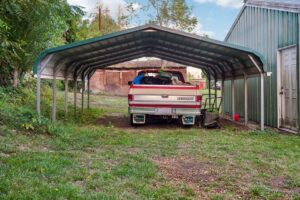
Here are 7 reasons metal garages are growing in popularity:
As a property owner, whether you’re managing a sprawling ranch, a busy commercial enterprise, a residential home, or acreage dotted with outbuildings, you understand the importance of reliable, durable, and cost-effective structures. For years, traditional building materials dominated the landscape. However, the tide is turning, and metal garages, carports, barns, RV covers, and general steel buildings are experiencing a significant surge in popularity. This isn’t a fleetingfad; it’s a testament to the inherent advantages of steel construction.
This article delves into the key reasons why discerning property owners are increasingly choosing metal for their building needs. We’ll explore the practical benefits, address common concerns, and provide you with the information you need to make an informed decision for your specific requirements. From protecting valuable assets like vehicles and equipment to expanding storage capacity and enhancing property value, the benefits of metal structures are substantial and growing.
1. Unrivaled Durability and Longevity: The Strength of Steel
One of the primary drivers behind the surge in metal building popularity is their exceptional durability. Unlike wood, which is susceptible to rot, insect infestation, and warping, steel is an inherently robust material.
Resistance to the Elements
Metal structures stand up remarkably well against a wide array of environmental challenges. They are resistant to:
- Pest Infestation: Termites, carpenter ants, and other wood-boring insects are non-issues for steel, eliminating a common and costly maintenance headache.
- Rot and Decay: Exposure to moisture, a significant concern for wooden structures, does not degrade steel. This is particularly important in humid climates or areas prone to heavy rainfall.
- Fire: Steel is non-combustible, offering a significant safety advantage over wood structures. While not fireproof, it won’t contribute to a fire’s spread.
- High Winds and Heavy Snow: Properly engineered and certified metal buildings are designed to withstand significant wind speeds and snow loads, providing peace of mind in regions prone to severe weather.
Low Maintenance Demands
The inherent durability of steel translates directly into significantly lower maintenance requirements compared to traditional materials. This frees up your valuable time and resources.
- No Painting or Sealing Required (Typically): Most metal buildings come with a pre-finished coating that protects against corrosion and UV damage. While an occasional wash might be recommended, extensive painting or staining cycles are eliminated.
- Reduced Repair Costs: The likelihood of needing major structural repairs due to rot, pests, or minor weather damage is drastically reduced, leading to long-term cost savings.
As the demand for versatile and durable storage solutions continues to rise, many homeowners are turning to metal garages for their numerous benefits. If you’re interested in exploring the growing trend of metal structures, you might find the article on pre-engineered metal buildings in Laramie County, Wyoming, particularly insightful. It highlights the advantages of these buildings, including their quick installation and long-lasting durability, which align perfectly with the reasons why metal garages are becoming increasingly popular. For more information, check out the article here: Pre-Engineered Metal Buildings Near Laramie County, Wyoming.
2. Cost-Effectiveness: Smart Investment, Long-Term Savings
While initial purchase price is always a consideration, the true cost-effectiveness of metal buildings becomes evident over their lifespan.
Competitive Initial Pricing
For many applications, the upfront cost of a metal garage, carport, or barn is competitive, and often lower, than a comparable structure built with wood or brick. This is due to several factors:
- Efficient Manufacturing: Steel buildings are often prefabricated in a factory setting, leading to streamlined production and economies of scale.
- Faster Installation: Prefabricated components and simpler assembly processes can significantly reduce labor costs and erection time.
Significant Lifecycle Savings
The long-term benefits far outweigh the initial investment:
- Reduced Maintenance Costs: As discussed earlier, the minimal maintenance required for steel structures translates into ongoing savings on labor and materials.
- Lower Insurance Premiums: Due to their resistance to fire and severe weather, some insurance providers offer lower premiums for metal buildings. This can be a significant annual saving.
- Energy Efficiency (With Proper Insulation): While steel itself is a conductor, a well-designed and insulated metal building can be surprisingly energy-efficient, reducing heating and cooling costs. We’ll touch on insulation options later.
3. Versatility and Customization: Buildings Tailored to Your Needs
One of the often-overlooked benefits of metal buildings is their remarkable adaptability. They are not one-size-fits-all solutions.
Meeting Diverse Needs
From the individual homeowner needing a place to park their car and store lawn equipment to the rancher requiring ample space for hay and livestock, metal buildings offer solutions:
- Metal Garages: Ideal for vehicle protection, workshops, and general storage.
- Carports: A cost-effective way to shield vehicles from sun, rain, and snow.
- Metal Barns: Spacious and durable for agricultural needs, housing livestock, storing feed and equipment, or even as large workshops.
- RV Covers: Providing essential protection for recreational vehicles, campers, and boats.
- Steel Buildings (General Purpose): Offering flexible solutions for commercial storage, manufacturing, or even as large event spaces.
Customization Options
Modern metal building manufacturers offer a wide range of customization options to ensure you get a structure perfectly suited to your property and intended use.
- Sizing: From single-car garages to expansive industrial facilities, companies can build to precise dimensions.
- Design: Most companies offer various roof styles (e.g., gambrel, gable, vertical), door configurations, and window placements.
- Color and Finish: A wide spectrum of color choices allows you to match your building to your existing property’s aesthetic or create a distinct look.
- Insulation: Options for insulation can dramatically improve comfort and energy efficiency, making metal buildings viable for year-round use as workshops or even living spaces.
Sure, here is the sentence with the clickable link:
Watch our Expert Metal Carport and Steel Building Installation Videos on YouTube.
4. Engineering and Certification: Ensuring Safety and Compliance
When considering a metal building, understanding the engineering and certification behind it is crucial. This is where the “expert” aspect really shines, and it’s vital for any serious property owner.
Structural Integrity and Load Bearing
Metal buildings are engineered structures. This means they are precision-designed to meet specific structural requirements.
- Wind Load Ratings: This is a critical factor, especially in coastal areas or regions prone to high winds. Buildings are rated to withstand specific wind speeds.
- Snow Load Ratings: In areas with significant snowfall, the roof structure must be able to bear the weight of accumulated snow. This is a key consideration for garage and barn designs.
- Seismic Considerations: In earthquake-prone zones, engineering will account for seismic activity.
Certifications and Building Codes
Reputable manufacturers provide certified buildings that meet or exceed local building codes.
- Engineer-Certified Plans: A signifies that the building design has been reviewed and approved by a licensed professional engineer, ensuring its structural integrity.
- Building Permits and Inspections: Understanding local building codes is paramount. A certified metal building will make it easier to obtain necessary permits and pass inspections, avoiding costly rework.
- Local Relevance: When researching, always inquire about the manufacturer’s ability to provide documentation relevant to your specific county or municipality. Some areas have unique requirements.
What Every Buyer Should Ask:
- “What is the wind load rating for this building?”
- “What is the snow load capacity?”
- “Is this building engineer-certified for my region?”
- “Can you provide documentation for local building code compliance?”
As more homeowners seek durable and versatile storage solutions, the trend of metal garages continues to rise, as highlighted in the article on the growing popularity of these structures. For those interested in exploring various options for metal carports and garages, a related resource can provide valuable insights into installation services available in specific regions. You can find more information about these services in the article linked here: vertical roof metal carports near Sheridan County, WY. This resource offers a closer look at the benefits and features of metal garages, making it easier for homeowners to make informed decisions.
5. Speed of Construction and Installation: Getting Your Building Up Faster
Time is money, and for busy property owners, the speed at which a structure can be erected is a significant advantage.
Prefabrication: The Factory Advantage
The majority of metal garages, carports, and general steel buildings are manufactured off-site in controlled factory environments.
- Precision Components: This prefabrication process ensures all parts are cut and formed to exact specifications, leading to a smoother and faster on-site assembly.
- Reduced Weather Delays: Unlike traditional construction, which can be significantly hampered by inclement weather, the assembly of a metal building is less affected by rain or snow.
Simplified Assembly Process
The modular nature of metal building components makes them relatively straightforward to assemble.
- Bolt-Together Systems: Most designs utilize a bolt-together system, eliminating the need for complex welding in many cases.
- Professional Installation Crews: While some DIY enthusiasts tackle smaller projects, professional installation is highly recommended for larger buildings and to ensure proper structural integrity and code compliance. Companies typically offer dedicated installation services.
Impact on Project Timelines: The swift construction timeline for metal buildings means you can start utilizing your new space much sooner, whether it’s parking vehicles, storing equipment, or housing livestock. This can be particularly beneficial for businesses needing to expand their operational capacity rapidly.
6. Environmental Benefits: A Greener Choice
In today’s environmentally conscious world, the sustainability of building materials is a growing consideration. Metal structures offer several environmental advantages.
Recyclability of Steel
Steel is one of the most recycled materials on the planet.
- High Recycled Content: New steel is often made from a significant percentage of recycled steel, reducing the demand for virgin resources.
- End-of-Life Recyclability: Even at the end of its long life, a steel building can be dismantled and entirely recycled, minimizing landfill waste.
Reduced Material Waste
The precision fabrication of metal building components in a factory setting minimizes on-site waste compared to the cut-offs and scraps common in traditional construction.
Durability Leads to Sustainability
A long-lasting structure that doesn’t require frequent replacement or extensive repairs is inherently more sustainable than materials with shorter lifespans.
7. Enhanced Property Value: A Smart Investment for Resale
Investing in a well-constructed metal building can significantly enhance the curb appeal and overall value of your property.
Practical Appeal to Buyers
Prospective buyers often see the utility and durability of metal structures as a major asset.
- Increased Usable Space: A detached garage, a covered carport, or a spacious barn offers practical living and storage solutions that are always in demand.
- Reduced Future Costs for Buyers: A buyer looking at a home with a metal garage knows they won’t be facing immediate roofing repairs, pest control bills, or painting costs, making your property more attractive.
Aesthetic Integration
With a wide range of color options and design styles available, metal buildings can be seamlessly integrated into the existing landscape and architecture of a property, enhancing its overall appeal rather than detracting from it.
Sizing Your Metal Building: Key Considerations
Choosing the right size for your metal building depends entirely on its intended use.
For Homeowners:
- Single-Car Garage: Typically 10-12 feet wide and 20-24 feet long.
- Two-Car Garage: Usually 20-24 feet wide and 20-24 feet long. Consider additional depth if you need workshop space or long vehicle parking.
- RV Covers: Measure your RV’s length, width, and height, then add several feet for clearance and maneuvering.
- General Storage: Consider the volume of items you need to store. It’s often wise to err on the side of slightly larger.
For Ranch Owners and Businesses:
- Barns: Consider the number of livestock, feed storage requirements, equipment size, and desired aisle space.
- Commercial Storage: Assess the dimensions of the goods or vehicles to be stored, along with any operational needs like loading docks or office space.
Pro Tip: Always measure your existing vehicles, equipment, or any items you plan to store to get precise dimensions. Factor in maneuvering space around these items.
Pricing Factors for Metal Buildings: What Influences the Cost
The price of a metal building varies based on several elements. Understanding these factors will help you budget effectively.
- Size and Dimensions: Larger buildings naturally cost more due to increased material and labor.
- Design Complexity: More intricate rooflines, multiple door openings, or custom features will add to the cost.
- Gauge of Metal: The thickness of the steel used impacts durability and cost. Heavier gauge metal is more robust and generally more expensive.
- Certification: Engineer-certified buildings that meet specific load requirements often come at a premium, but this is essential for compliance and safety.
- Foundation Type: The required foundation (e.g., concrete slab, pier foundation) will affect the overall project cost.
- Delivery Distance: Transportation costs can vary depending on how far the building components need to be shipped.
- Installation Services: Professional installation is an additional cost but is highly recommended.
- Optional Features: Insulation, windows, ventilation, custom doors, and interior framing will all add to the final price.
Metal Garages vs. Other Options: A Quick Comparison
| Feature | Metal Garages | Wood Garages |
| : | :– | : |
| Durability | Excellent (pest, rot, fire resistant) | Fair (susceptible to pests, rot, fire) |
| Maintenance | Low (minimal upkeep required) | High (painting, sealing, pest treatment) |
| Cost-Effectiveness | High (low lifecycle costs) | Moderate (higher maintenance and repair costs) |
| Construction Speed| Fast (prefabricated components) | Slower (traditional framing) |
| Strength/Load | High (engineered for wind/snow loads) | Moderate (dependent on construction quality) |
| Environmental Impact| High recyclability, minimal waste | Moderate (renewable resource, but disposal issues)|
| Aesthetic | Versatile, can be aesthetically pleasing | Traditional, can be visually appealing |
Frequently Asked Questions About Metal Buildings
Q1: Are metal garages safe in high winds?
A1: Yes, when properly engineered and installed, metal garages are designed to withstand significant wind loads. Always ensure you are purchasing a certified building with a specified wind load rating applicable to your region.
Q2: Do metal buildings rust?
A2: Modern metal buildings are typically made from galvanized steel, which has a protective zinc coating that prevents rust. The finishing paint also provides an additional layer of protection. Prolonged exposure to highly corrosive environments without proper maintenance can, however, lead to rust over time.
Q3: Can I insulate a metal building?
A3: Absolutely. Metal buildings can be effectively insulated using various methods, including spray foam insulation, rigid foam panels, or fiberglass batts. This significantly improves temperature control and energy efficiency.
Q4: What is the typical lifespan of a metal building?
A4: With proper maintenance, a well-built and certified metal building can last for 50 years or even longer. Their inherent durability contributes to an exceptionally long service life.
Q5: Do I need a concrete foundation for a metal garage?
A5: While a concrete slab is the most common and recommended foundation for durability and stability, depending on the size and intended use, alternative foundations like concrete piers or even prepared ground might be permissible for smaller structures like carports. Always check with your local building codes and the manufacturer.
Conclusion: The Smart Choice for Property Owners
The growing popularity of metal garages, carports, barns, RV covers, and steel buildings is not by chance. It’s a direct result of their superior durability, cost-effectiveness, versatility, and ease of construction. For homeowners seeking reliable protection for their vehicles, ranch owners needing robust agricultural solutions, or business owners requiring flexible and durable commercial spaces, steel offers a compelling and intelligent choice. By prioritizing engineering, certification, and understanding the specific needs of your property, you can invest in a metal building that will provide reliable service and enhance your property’s value for decades to come.
FAQs
What are metal garages?
Metal garages are structures made of steel or aluminum that are used to store vehicles, equipment, or other items. They are typically pre-fabricated and can be easily assembled on-site.
Why are metal garages growing in popularity?
Metal garages are growing in popularity due to their durability, cost-effectiveness, and versatility. They are also low-maintenance and can be customized to fit specific needs.
What are the benefits of using a metal garage?
Some benefits of using a metal garage include resistance to fire, pests, and weather damage. They also offer a secure storage solution and can be easily expanded or relocated if needed.
Are metal garages environmentally friendly?
Metal garages are considered to be environmentally friendly because they are often made from recycled materials and can be recycled at the end of their lifespan. They also require less maintenance and use fewer resources compared to traditional building materials.
How long do metal garages typically last?
Metal garages are known for their longevity and can last for decades with proper maintenance. Many manufacturers offer warranties ranging from 20 to 40 years, depending on the quality of the materials used.