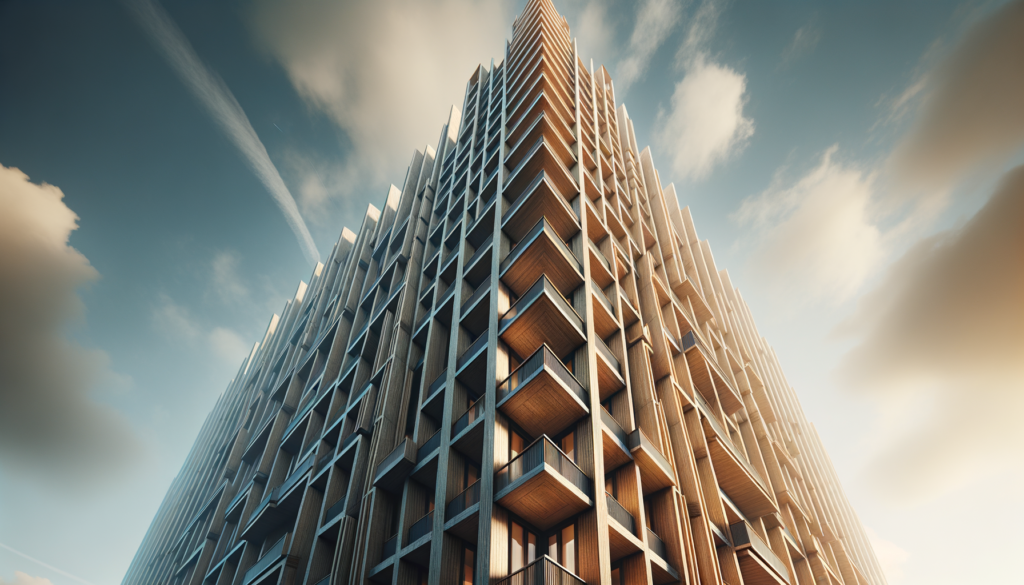
Metal building construction has emerged as a prominent choice for various applications, ranging from commercial warehouses to residential homes. As you delve into this field, you will discover that metal structures offer a unique blend of durability, versatility, and cost-effectiveness. The use of steel and other metals in construction has revolutionized the industry, allowing for faster build times and reduced labor costs. This shift towards metal buildings is not merely a trend; it reflects a broader movement towards more efficient and sustainable construction practices.
As you explore the advantages of metal building construction, you will find that these structures are not only resilient against harsh weather conditions but also require less maintenance over time. The inherent strength of metal allows for larger spans and open spaces, making it an ideal choice for various applications. Additionally, the aesthetic appeal of metal buildings has evolved significantly, with modern designs incorporating sleek lines and innovative architectural features. This introduction sets the stage for a deeper understanding of the various components and practices that define metal building construction today.
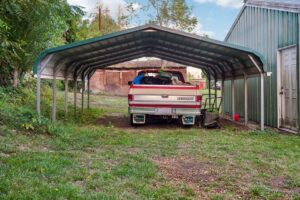
For those interested in the intricacies of metal building construction, a related article that provides valuable insights is available at this link: Metal Carport Installers Near Hot Springs County, WY. This article discusses the various options for metal carport installation, including local installers and the benefits of choosing metal structures for durability and efficiency.
Pre-engineered Metal Building Systems
Pre-engineered metal building systems represent a significant advancement in the construction industry, streamlining the design and assembly process. When you consider these systems, you will appreciate how they are manufactured off-site and then delivered to your construction site as a complete package. This approach not only reduces construction time but also minimizes waste, making it an environmentally friendly option. The components are designed to fit together seamlessly, allowing for quick assembly and reducing the need for extensive on-site labor.
As you engage with pre-engineered systems, you will notice that they come in various configurations to suit different needs. Whether you are looking for a simple storage facility or a complex commercial space, these systems can be customized to meet your specifications. The flexibility in design means that you can easily adapt the structure to accommodate future expansions or modifications. This adaptability is one of the key reasons why pre-engineered metal buildings have gained popularity across various sectors, including agriculture, retail, and industrial applications.
Lean Construction Practices for Metal Buildings
Lean construction practices have gained traction in the metal building sector as a means to enhance efficiency and reduce waste. As you familiarize yourself with these principles, you will find that they focus on maximizing value while minimizing resources. By adopting lean methodologies, you can streamline processes, improve collaboration among stakeholders, and ultimately deliver projects on time and within budget. This approach is particularly beneficial in metal building construction, where precision and efficiency are paramount.
Incorporating lean practices into your metal building projects involves careful planning and execution. You will need to analyze workflows, identify bottlenecks, and implement strategies to eliminate waste at every stage of construction. For instance, using just-in-time delivery of materials can significantly reduce storage costs and minimize delays. Additionally, fostering a culture of continuous improvement among your team members can lead to innovative solutions that enhance productivity and quality. By embracing lean construction practices, you position yourself to achieve greater success in your metal building endeavors.
Advanced Framing Techniques for Metal Buildings
Advanced framing techniques have transformed the way metal buildings are constructed, offering enhanced structural integrity and efficiency. As you explore these methods, you will discover that they focus on optimizing material usage while maintaining strength and stability. Techniques such as cold-formed steel framing allow for lighter structures without compromising durability. This innovation not only reduces material costs but also simplifies the overall construction process.
When employing advanced framing techniques, you will also benefit from improved energy efficiency. By strategically placing insulation and minimizing thermal bridging, you can create a more comfortable indoor environment while reducing energy consumption. Additionally, these techniques often allow for greater design flexibility, enabling you to create unique architectural features that set your metal building apart from traditional structures. As you implement advanced framing methods, you will find that they contribute significantly to the overall performance and sustainability of your projects.
For those interested in the advantages of metal building construction, a related article discusses the various factors to consider when selecting a metal building installer in your area. This resource can provide valuable insights into the installation process and help you make informed decisions. You can read more about it in this informative piece on metal building installers near Morgan County, UT.
Energy-efficient Insulation and Roofing Systems
| Metrics | Data |
|---|---|
| Cost per square foot | 80 – 120 |
| Construction time | 30% faster than traditional construction |
| Energy efficiency | 20-30% savings on energy costs |
| Durability | 50+ years with minimal maintenance |
Energy-efficient insulation and roofing systems play a crucial role in enhancing the performance of metal buildings. As you consider these elements, you will realize that they are essential for maintaining comfortable indoor temperatures while minimizing energy costs. Modern insulation materials, such as spray foam and rigid board insulation, provide superior thermal resistance compared to traditional options. By investing in high-quality insulation, you can significantly reduce heating and cooling demands, leading to lower utility bills over time.
In addition to insulation, the choice of roofing systems is equally important in achieving energy efficiency. Reflective roofing materials can help reduce heat absorption, keeping your building cooler during hot months. As you explore various roofing options, consider integrating features such as green roofs or solar panels to further enhance sustainability. These innovations not only contribute to energy savings but also promote environmental stewardship by reducing your building’s carbon footprint.
Sustainable Design and Construction Methods for Metal Buildings
Metal carports and buildings are available in a variety of styles, check them out at Buildings.
Sustainable design and construction methods are becoming increasingly important in the metal building industry as environmental concerns continue to rise. As you delve into this topic, you will find that sustainable practices encompass a wide range of strategies aimed at minimizing environmental impact while maximizing resource efficiency. From selecting eco-friendly materials to implementing waste reduction techniques during construction, there are numerous ways to make your metal building projects more sustainable.
One key aspect of sustainable design is the incorporation of renewable energy sources. By integrating solar panels or wind turbines into your metal building design, you can harness natural resources to power your facility. Additionally, utilizing recycled materials in your construction process not only reduces waste but also supports a circular economy. As you adopt sustainable methods in your projects, you will not only contribute to environmental preservation but also appeal to a growing market of eco-conscious consumers.
Prefabrication and Modular Construction for Metal Buildings
Prefabrication and modular construction have revolutionized the way metal buildings are designed and assembled. As you explore these concepts, you will discover that they involve manufacturing components off-site in a controlled environment before transporting them to the construction site for assembly. This method offers numerous advantages, including reduced construction time, improved quality control, and minimized disruption at the site.
When engaging with prefabrication techniques, you will find that they allow for greater precision in manufacturing. Components can be fabricated with exact specifications, reducing the likelihood of errors during assembly. Additionally, modular construction enables flexibility in design, allowing you to create complex structures with ease. As you embrace these innovative approaches in your metal building projects, you will likely experience enhanced efficiency and cost savings while delivering high-quality results.
Cost-effective Foundation and Site Preparation for Metal Buildings
Cost-effective foundation and site preparation are critical components of successful metal building construction. As you plan your projects, it is essential to consider the foundation type that best suits your building’s requirements while remaining within budget constraints. Options such as concrete slabs or pier foundations can provide adequate support without incurring excessive costs.
Site preparation is equally important in ensuring a smooth construction process. You will need to assess soil conditions, drainage requirements, and access routes to determine the most efficient approach for preparing the site. By investing time in thorough site analysis and preparation, you can avoid costly delays and complications during construction. Ultimately, focusing on cost-effective foundation solutions will set a solid groundwork for your metal building project.
Innovative Technology and Automation in Metal Building Construction
Innovative technology and automation are reshaping the landscape of metal building construction, offering new opportunities for efficiency and precision. As you explore these advancements, you will find that tools such as Building Information Modeling (BIM) enable enhanced visualization and collaboration among project stakeholders. BIM allows for detailed planning and coordination of all aspects of the construction process, reducing errors and improving overall project outcomes.
Automation also plays a significant role in streamlining operations within the metal building sector. From robotic welding systems to automated material handling equipment, technology is transforming traditional construction methods into more efficient processes. As you embrace these innovations in your projects, you will likely experience increased productivity and reduced labor costs while maintaining high standards of quality.
Safety and Quality Control in Metal Building Construction
Safety and quality control are paramount considerations in any construction project, particularly in metal building construction where structural integrity is critical. As you navigate this field, it is essential to implement robust safety protocols to protect workers on-site. Regular training sessions and safety audits can help foster a culture of safety among your team members, ensuring that everyone is aware of potential hazards and best practices.
Quality control measures are equally important in delivering successful metal building projects. You will need to establish clear standards for materials and workmanship while conducting regular inspections throughout the construction process. By prioritizing safety and quality control, you can mitigate risks associated with structural failures or accidents while enhancing client satisfaction through superior results.
Future Trends in Metal Building Construction Methods
As you look ahead to the future of metal building construction methods, several trends are poised to shape the industry landscape significantly. One notable trend is the increasing emphasis on sustainability and eco-friendly practices as clients demand greener solutions for their projects. This shift is likely to drive innovation in materials and technologies that promote energy efficiency and reduce environmental impact.
Another trend gaining momentum is the integration of smart technologies into metal buildings. As IoT devices become more prevalent, you may find opportunities to incorporate smart systems that enhance energy management, security, and overall functionality within your structures. By staying informed about these emerging trends and adapting your practices accordingly, you can position yourself at the forefront of the evolving metal building industry while meeting the needs of modern clients.
In conclusion, as you navigate the world of metal building construction, it becomes clear that this sector is rich with opportunities for innovation and growth. By embracing pre-engineered systems, lean practices, advanced framing techniques, sustainable methods, prefabrication strategies, cost-effective foundations, innovative technologies, safety measures, quality control protocols, and future trends—your projects can achieve remarkable success while contributing positively to both clients’ needs and environmental sustainability.
FAQs
What is metal building construction?
Metal building construction is a method of building structures using steel as the primary material. These buildings are commonly used for commercial, industrial, and agricultural purposes due to their durability, cost-effectiveness, and quick construction time.
What are the advantages of metal building construction?
Metal building construction offers several advantages, including high durability, resistance to fire and pests, low maintenance requirements, and the ability to be easily customized and expanded. Additionally, metal buildings are often more cost-effective and have a shorter construction time compared to traditional building materials.
What are the different types of metal building construction?
There are several types of metal building construction, including pre-engineered metal buildings, metal building systems, and metal building kits. Pre-engineered metal buildings are designed and fabricated off-site, then assembled on the construction site. Metal building systems involve using standardized components for construction, while metal building kits are pre-cut and pre-drilled materials that can be assembled on-site.
What are the common applications of metal building construction?
Metal building construction is commonly used for a variety of applications, including warehouses, manufacturing facilities, agricultural buildings, retail stores, office buildings, recreational facilities, and aircraft hangars. Additionally, metal buildings are often used for storage, workshops, and garages.
What are the environmental benefits of metal building construction?
Metal building construction offers several environmental benefits, including the ability to be recycled at the end of their lifespan, energy efficiency through insulation and reflective roofing materials, and the potential for solar panel integration. Additionally, the durability and low maintenance requirements of metal buildings contribute to their sustainability.