Regular maintenance is the cornerstone of preserving the integrity and longevity of your home. By dedicating time and resources to upkeep, you not only enhance the aesthetic appeal of your property but also prevent costly repairs down the line. Think of your home as a living entity; it requires attention and care to function optimally. When you neglect maintenance, small issues can escalate into significant problems, leading to extensive damage and financial strain. Therefore, establishing a routine maintenance schedule is essential for safeguarding your investment.
Moreover, regular maintenance contributes to the overall safety and comfort of your living environment. A well-maintained home is less likely to harbor hidden dangers, such as mold, pests, or structural weaknesses. By proactively addressing potential issues, you create a safer space for yourself and your family. Additionally, a home that is in good condition can significantly increase its market value, making it more appealing should you decide to sell in the future. In essence, regular maintenance is not just about preserving your home; it’s about enhancing your quality of life and ensuring peace of mind.
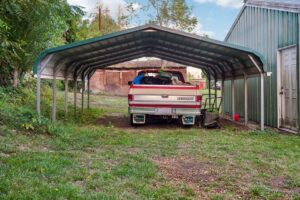
For those interested in understanding the importance of proper care for metal structures, a related article on metal building installation can provide valuable insights. This resource details the various aspects of metal carport installation, which is crucial for maintaining the longevity and durability of your metal buildings. You can read more about it here: Metal Carport Installers Near Albany County, Wyoming.
Inspecting and Repairing Roofing
Your roof is one of the most critical components of your home, acting as the first line of defense against the elements. Regular inspections are vital to identify any signs of wear and tear, such as missing shingles, leaks, or sagging areas. You should make it a habit to inspect your roof at least twice a year, ideally in the spring and fall. During these inspections, look for any debris that may have accumulated, as this can trap moisture and lead to mold growth or rot. If you notice any issues, addressing them promptly can save you from more extensive repairs in the future.
When it comes to repairs, you have options depending on the severity of the damage. Minor issues like small leaks or loose shingles can often be fixed with some DIY skills and materials from your local hardware store. However, for more significant problems or if you’re uncomfortable with heights, it’s wise to hire a professional roofing contractor. They possess the expertise and tools necessary to ensure that repairs are done correctly and safely. Remember, a well-maintained roof not only protects your home but also contributes to its overall energy efficiency.
Cleaning and Maintaining Gutters and Downspouts
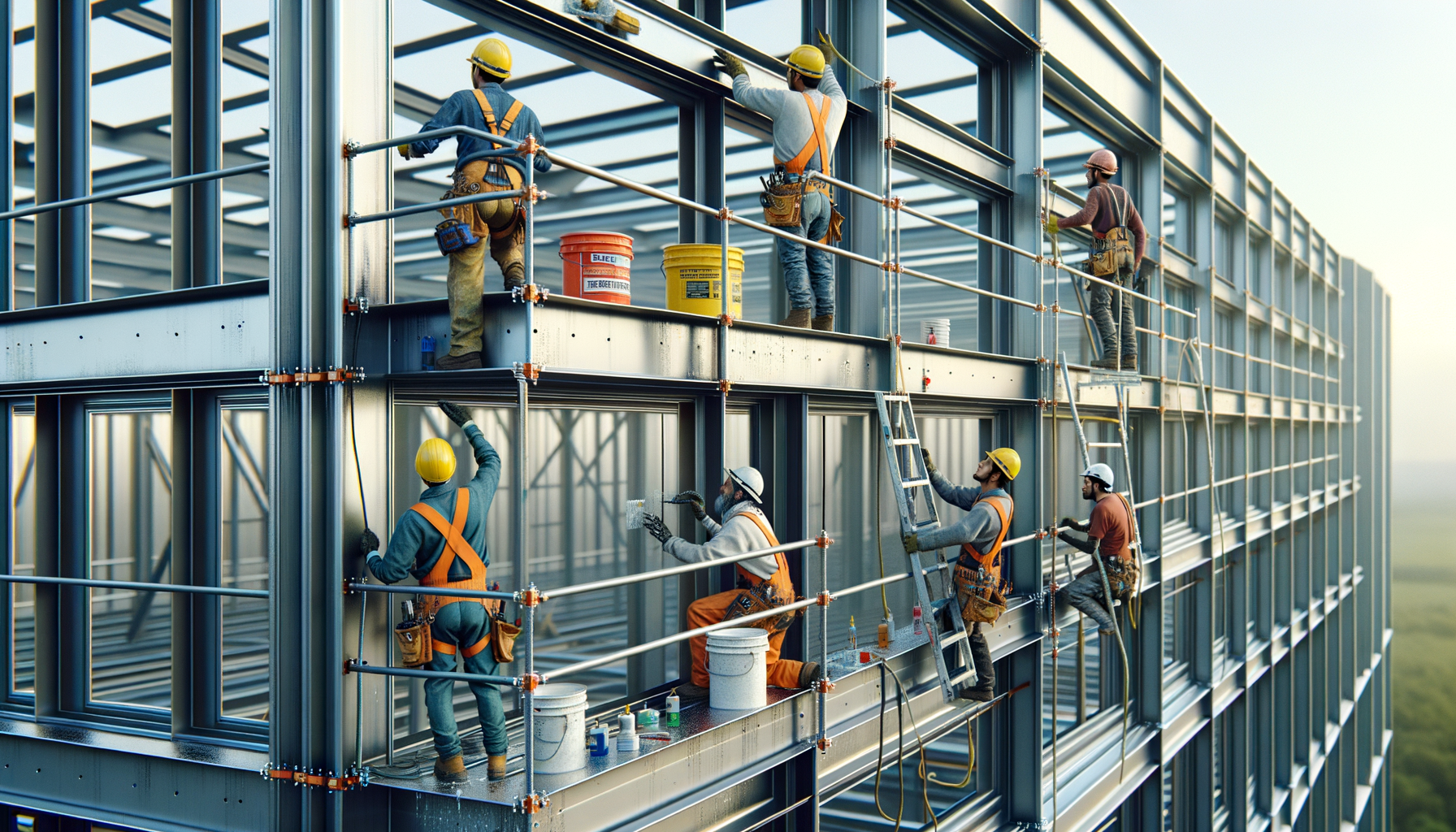
Gutters and downspouts play a crucial role in directing water away from your home’s foundation. When they become clogged with leaves, dirt, or debris, they can lead to water overflow, which may cause damage to your roof, siding, and even your foundation. To prevent these issues, you should clean your gutters at least twice a year—more frequently if you live in an area with heavy foliage. Use gloves and a sturdy ladder to safely remove debris, ensuring that water can flow freely through the system.
In addition to cleaning, inspecting your gutters for signs of wear is equally important. Look for rust spots, cracks, or sagging sections that may need repair or replacement. You might also consider installing gutter guards to minimize debris accumulation in the future. By maintaining your gutters and downspouts diligently, you protect your home from water damage and extend the lifespan of your roofing system.
Checking and Sealing Joints and Seams
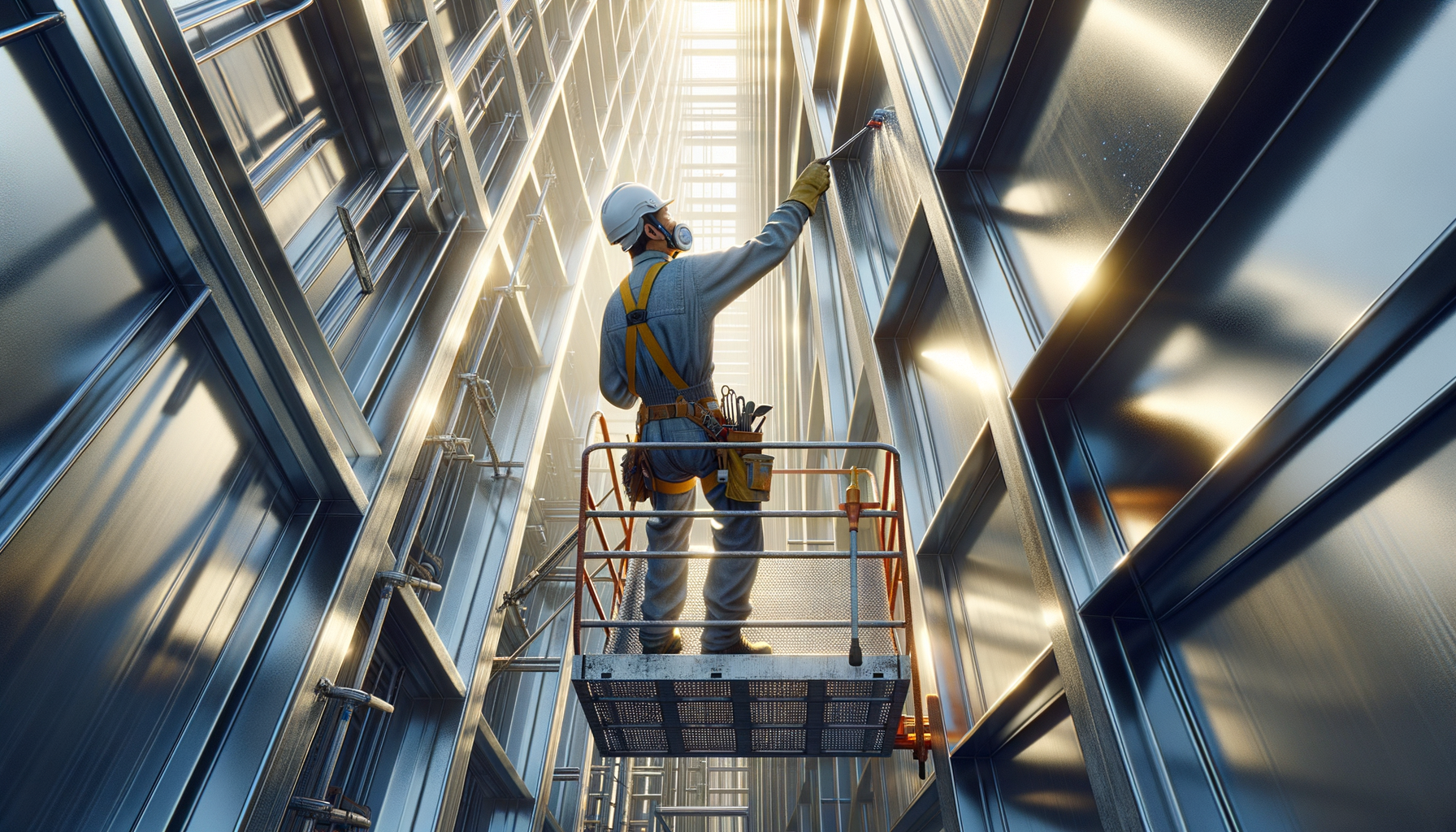
The joints and seams in your home are often overlooked but are critical areas that require regular inspection and sealing. These points are where different materials meet—such as where your roof meets the walls or where windows are installed—and they can be prone to leaks if not properly maintained. Over time, weather conditions can cause seals to deteriorate, leading to potential water intrusion and energy loss. You should routinely check these areas for any signs of gaps or cracks.
Sealing joints and seams is a straightforward process that can significantly enhance your home’s energy efficiency. You can use caulk or weatherstripping materials to fill in gaps and prevent air leaks. This not only keeps your home comfortable but also reduces energy costs by minimizing the need for heating or cooling systems to work overtime. By taking the time to inspect and seal these critical areas, you ensure that your home remains protected from moisture while also improving its overall energy performance.
For those interested in maintaining the longevity and appearance of their metal buildings, understanding the importance of regular upkeep is essential. A related article that provides valuable insights on this topic can be found here: steel buildings for sale near Uinta County, Wyoming. This resource not only discusses the benefits of metal structures but also highlights key maintenance practices that can help ensure your investment remains in top condition for years to come.
Maintaining Exterior Walls and Siding
| Aspect | Maintenance Frequency | Recommended Actions |
|---|---|---|
| Roof | Annually | Inspect for rust, sealant integrity, and loose fasteners. Clean gutters and downspouts. |
| Walls | Bi-annually | Check for rust, dents, and scratches. Clean with mild detergent and water. |
| Doors | Quarterly | Lubricate hinges and locks. Check for dents and rust. |
| Windows | Annually | Inspect for sealant integrity and clean with glass cleaner. |
The exterior walls and siding of your home are constantly exposed to various weather conditions, making them susceptible to damage over time. Regular maintenance is essential to keep them looking their best while protecting against rot, mold, and pests. Start by inspecting your siding for any signs of wear or damage, such as cracks or peeling paint. If you notice any issues, addressing them promptly can prevent further deterioration.
Cleaning your exterior walls is another vital aspect of maintenance. Depending on the material—be it wood, vinyl, or brick—you may need different cleaning methods. For instance, pressure washing can effectively remove dirt and grime from vinyl siding but should be used cautiously on more delicate materials like wood. Additionally, consider applying a fresh coat of paint or stain every few years to protect against moisture and UV damage. By maintaining your exterior walls and siding diligently, you enhance your home’s curb appeal while ensuring its structural integrity.
Preventing Rust and Corrosion
Metal carports and buildings are available in a variety of styles, check them out at Buildings.
Rust and corrosion can be insidious threats to various components of your home, particularly those made from metal. Areas such as railings, gutters, and outdoor furniture are especially vulnerable if not properly maintained. To prevent rust from taking hold, you should regularly inspect these metal components for any signs of deterioration. If you spot rust spots early on, you can often sand them down and apply a protective coating to prevent further damage.
In addition to regular inspections, consider applying rust-resistant paint or sealants to metal surfaces exposed to moisture. This proactive approach can significantly extend the lifespan of these components while maintaining their appearance. Furthermore, ensure proper drainage around metal fixtures to minimize water accumulation that could lead to corrosion. By taking these preventive measures seriously, you protect not only the aesthetics of your home but also its structural components from the damaging effects of rust.
Maintaining Insulation and Energy Efficiency
Proper insulation is essential for maintaining energy efficiency in your home. It helps regulate indoor temperatures by keeping heat in during winter months and blocking it out during summer months. Over time, insulation can settle or become damaged due to moisture or pests, reducing its effectiveness. You should periodically check areas like attics, basements, and crawl spaces for signs of wear or degradation.
If you find that your insulation is lacking or damaged, consider upgrading it with modern materials that offer better thermal performance. Additionally, sealing any gaps around windows and doors will complement your insulation efforts by preventing drafts that can lead to energy loss. By prioritizing insulation maintenance, you not only enhance comfort within your home but also reduce energy bills significantly over time.
Monitoring and Maintaining HVAC Systems
Your HVAC system plays a crucial role in maintaining a comfortable living environment throughout the year. Regular monitoring and maintenance are essential for ensuring its efficiency and longevity. Start by changing air filters every few months; clogged filters can restrict airflow and force your system to work harder than necessary. This simple task can improve indoor air quality while extending the life of your HVAC unit.
In addition to changing filters, schedule professional inspections at least once a year for comprehensive maintenance checks on your heating and cooling systems. Technicians can identify potential issues before they escalate into costly repairs while ensuring that everything operates smoothly. By staying on top of HVAC maintenance, you create a more comfortable living space while optimizing energy efficiency.
Protecting Concrete Floors and Foundations
Concrete floors and foundations are designed for durability but still require regular maintenance to prevent cracking or settling over time. You should routinely inspect these surfaces for any signs of damage or wear. If you notice cracks forming in your foundation or floors, addressing them promptly is crucial; small cracks can quickly turn into larger issues if left untreated.
To protect concrete surfaces from moisture damage or staining, consider applying sealants designed specifically for concrete protection. Regular cleaning with appropriate products will also help maintain their appearance while preventing dirt buildup that could lead to deterioration over time. By taking these steps seriously, you ensure that your concrete floors and foundations remain strong and visually appealing for years to come.
Maintaining Doors and Windows
Doors and windows are essential components of your home that contribute significantly to its security and energy efficiency. Regular maintenance is necessary to ensure they function correctly while preventing drafts or leaks that could impact indoor comfort levels. Start by inspecting door frames and window sills for any signs of wear or damage; look for gaps where air might escape or moisture could enter.
You should also check hinges and locks on doors for proper functionality; lubricating them periodically will help prevent rusting while ensuring smooth operation. For windows, consider replacing weatherstripping if it appears worn out; this simple step can significantly improve energy efficiency by reducing drafts. By maintaining doors and windows diligently, you enhance both security measures within your home while optimizing energy performance.
Regular Cleaning and Pest Control
Regular cleaning is an integral part of maintaining a healthy living environment in your home. Dust accumulation not only affects indoor air quality but can also lead to allergies or respiratory issues over time. Establishing a consistent cleaning routine will help keep surfaces free from dust while promoting overall hygiene throughout your living space.
In addition to cleaning tasks, pest control should be a priority in maintaining your home’s integrity as well as its comfort level. Regularly inspect areas prone to infestations—such as kitchens or basements—for signs of pests like rodents or insects; early detection allows for prompt action before infestations escalate into larger problems requiring professional intervention.
By combining regular cleaning with proactive pest control measures—such as sealing entry points around doors/windows—you create an environment that is not only visually appealing but also safe for you and your family members alike!
FAQs
What are the common maintenance tasks for metal buildings?
Metal building maintenance tasks include regular inspections for rust, corrosion, and leaks, cleaning gutters and downspouts, checking for loose or damaged panels, and ensuring proper sealing and insulation.
How often should metal buildings be inspected for maintenance?
Metal buildings should be inspected for maintenance at least twice a year, ideally in the spring and fall, to check for any damage or wear and tear that may have occurred.
What are the best practices for preventing rust and corrosion in metal buildings?
To prevent rust and corrosion in metal buildings, it is important to keep the building clean and free of debris, apply protective coatings or paint, ensure proper drainage to prevent water accumulation, and promptly repair any damaged or scratched areas.
How can I maintain the insulation in a metal building?
To maintain the insulation in a metal building, regularly check for gaps or tears in the insulation, ensure proper sealing around doors and windows, and consider adding additional insulation if needed to maintain energy efficiency.
What are the benefits of regular maintenance for metal buildings?
Regular maintenance for metal buildings helps to prolong the lifespan of the building, prevent costly repairs, maintain energy efficiency, and ensure a safe and functional environment for occupants.