When considering a construction project, the cost is often the first factor that comes to mind. You may find yourself weighing the initial expenses against the long-term benefits. The financial outlay for building materials, labor, and permits can vary significantly based on the type of construction you choose. For instance, traditional wood framing may be less expensive upfront compared to steel or concrete options, but it’s essential to consider the total cost of ownership over time. You might also want to factor in potential hidden costs, such as site preparation or unexpected delays, which can inflate your budget.
Moreover, financing options can play a crucial role in your decision-making process. You may explore various avenues, such as loans or grants, that can help mitigate the financial burden. Understanding the total cost of ownership, including maintenance and operational expenses, will provide you with a clearer picture of what you can afford. By taking a comprehensive approach to budgeting, you can ensure that your project remains financially viable while still meeting your needs and expectations.
When considering the advantages of metal buildings over traditional construction methods, it’s essential to explore various resources that provide insights into their benefits and applications. A related article that delves into the specifics of metal storage buildings can be found at Metal Storage Buildings Near Flathead County, MT. This article outlines the practical uses and advantages of metal structures, making it a valuable read for anyone interested in understanding the differences between metal and traditional buildings.
Durability
Durability is another critical aspect to consider when embarking on a construction project. You want to ensure that the materials and methods you choose will stand the test of time. For example, if you opt for concrete or steel, you may benefit from their inherent strength and resistance to environmental factors. These materials can withstand harsh weather conditions and require less frequent repairs compared to more traditional options like wood, which may be susceptible to rot or insect damage.
In addition to material selection, the construction techniques employed can significantly impact durability. You might want to research various building methods that enhance structural integrity, such as reinforced concrete or advanced framing techniques. By investing in durable materials and construction practices, you can minimize future repair costs and extend the lifespan of your building, ultimately providing you with peace of mind.
Construction Time
The timeline for construction is often a significant concern for many individuals and businesses alike. You may have specific deadlines to meet, whether for personal reasons or business operations. Understanding the estimated construction time for your project is essential for planning purposes. Different building methods can lead to varying timelines; for instance, modular construction often allows for quicker assembly compared to traditional stick-built homes.
Additionally, unforeseen delays can arise during any construction project. Weather conditions, supply chain issues, or labor shortages can all impact your timeline. It’s wise to build some flexibility into your schedule to accommodate these potential setbacks. By staying informed about the construction process and maintaining open communication with your contractors, you can better manage expectations and keep your project on track.
Customization Options
Customization is a vital consideration when planning your construction project. You likely have specific ideas about how you want your space to look and function. The level of customization available can vary significantly depending on the materials and methods you choose. For example, modular homes often come with predefined layouts but may offer limited options for personalization compared to traditional builds where you can select everything from floor plans to finishes.
You might also want to think about how customization can enhance your overall satisfaction with the final product. Tailoring your space to meet your unique needs not only makes it more functional but also adds a personal touch that reflects your style. Engaging with architects or designers early in the process can help you explore various customization options and ensure that your vision becomes a reality.
When considering the advantages of metal buildings over traditional construction, it’s essential to explore various factors such as durability, cost-effectiveness, and installation time. For instance, a related article discusses the benefits of metal structures, particularly in areas like Uintah County, Utah, where weather conditions can impact building longevity. You can read more about this topic in the article on RV covers and metal buildings, which highlights how these structures can be a practical choice for homeowners in the region.
Maintenance
| Aspect | Metal Building | Traditional Building |
|---|---|---|
| Cost | Lower initial cost | Higher initial cost |
| Construction Time | Shorter construction time | Longer construction time |
| Maintenance | Lower maintenance cost | Higher maintenance cost |
| Customization | Less customizable | More customizable |
| Energy Efficiency | Good insulation and energy efficiency | May require additional insulation |
Maintenance is an ongoing consideration that should not be overlooked when planning a construction project. You may find that some materials require more upkeep than others, impacting your long-term costs and time commitments. For instance, while wood may offer aesthetic appeal, it often demands regular maintenance to prevent decay and pest infestations. On the other hand, materials like brick or metal may require less frequent attention, allowing you more freedom to enjoy your space without constant worry.
Understanding the maintenance requirements of different materials and systems will help you make informed decisions that align with your lifestyle. You might also want to consider how easy it is to access various components of your building for repairs or upgrades. By choosing low-maintenance options where possible, you can save both time and money in the long run while ensuring that your space remains in excellent condition.
Energy Efficiency
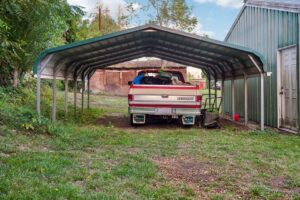
Metal carports and buildings are available in a variety of styles, including vertical roof buildings.
Energy efficiency is an increasingly important factor in modern construction projects. You likely want to minimize your environmental footprint while also reducing utility costs over time. Incorporating energy-efficient materials and systems into your design can significantly impact both your comfort and your wallet. For example, high-quality insulation and energy-efficient windows can help regulate indoor temperatures, reducing the need for heating and cooling.
You might also consider integrating renewable energy sources into your construction plans. Solar panels or geothermal heating systems can provide sustainable energy solutions that further enhance efficiency. By prioritizing energy efficiency in your project, you not only contribute positively to the environment but also create a more comfortable living or working space that aligns with contemporary standards.
Aesthetics
Aesthetics play a crucial role in how you perceive and enjoy your constructed space. The visual appeal of a building can influence everything from its market value to your personal satisfaction. You may have specific design elements in mind that reflect your style or harmonize with the surrounding environment. Choosing materials and architectural styles that resonate with you will enhance your overall experience in the space.
Additionally, aesthetics are not solely about appearance; they also encompass functionality and flow within the design. You might want to consider how natural light interacts with different spaces or how layout choices affect movement throughout the building. By thoughtfully integrating aesthetics into your construction plans, you create an environment that is not only beautiful but also practical and enjoyable.
Environmental Impact
The environmental impact of construction is an increasingly pressing concern in today’s world. As you embark on your project, you may want to consider how your choices affect the planet. Sustainable building practices can significantly reduce waste and resource consumption while promoting eco-friendly materials. For instance, using reclaimed wood or recycled materials can minimize environmental degradation while adding character to your space.
You might also explore certifications such as LEED (Leadership in Energy and Environmental Design) that recognize sustainable building practices. By prioritizing environmentally friendly options in your construction project, you contribute positively to global efforts aimed at reducing carbon footprints and preserving natural resources for future generations.
Resale Value
Resale value is an important consideration if you plan on selling your property in the future. You likely want to ensure that your investment pays off when it comes time to sell. Certain features and materials tend to attract buyers more than others; for example, energy-efficient appliances or high-quality finishes can significantly enhance market appeal. Understanding current real estate trends in your area will help guide your decisions regarding what features are most desirable.
Additionally, maintaining a balance between personal preferences and market trends is crucial for maximizing resale value. While it’s essential to create a space that reflects your style, incorporating universally appealing elements can make it easier to attract potential buyers down the line. By being mindful of resale value during the planning stages, you set yourself up for success when it comes time to sell.
Building Code Compliance
Building code compliance is a non-negotiable aspect of any construction project. You must adhere to local regulations designed to ensure safety and structural integrity. Familiarizing yourself with these codes early in the planning process will save you time and potential headaches later on. Working closely with architects or contractors who understand local regulations will help ensure that your project meets all necessary requirements.
Moreover, compliance extends beyond just structural elements; it also encompasses aspects like electrical systems, plumbing, and energy efficiency standards. You might find it beneficial to consult with professionals who specialize in navigating these codes to avoid costly mistakes or delays during inspections. By prioritizing compliance from the outset, you create a safer environment while streamlining the approval process.
Long-Term Investment
Finally, viewing your construction project as a long-term investment is essential for making informed decisions throughout the process. You likely want to ensure that every dollar spent contributes positively to both immediate needs and future goals. This perspective encourages you to think beyond initial costs and consider factors like durability, maintenance, and resale value as integral components of your investment strategy.
By approaching construction with a long-term mindset, you empower yourself to make choices that align with both personal satisfaction and financial prudence. Whether it’s selecting high-quality materials or incorporating energy-efficient systems, each decision contributes to the overall value of your investment over time. Ultimately, viewing your project through this lens will help you create a space that serves you well now and into the future.
FAQs
What are the main differences between metal buildings and traditional buildings?
Metal buildings are typically made of steel or aluminum and are pre-engineered, while traditional buildings are usually made of wood, brick, or concrete and are constructed on-site. Metal buildings are also known for their durability and low maintenance, while traditional buildings may require more upkeep over time.
Which type of building is more cost-effective, metal or traditional?
Metal buildings are often more cost-effective than traditional buildings due to their shorter construction time, lower labor costs, and reduced maintenance expenses. Additionally, the materials used in metal buildings are often less expensive than those used in traditional buildings.
What are the environmental benefits of metal buildings compared to traditional buildings?
Metal buildings are often considered more environmentally friendly than traditional buildings due to their recyclability and energy efficiency. Steel, in particular, is one of the most recycled materials in the world, and metal buildings can also be designed to maximize natural light and reduce energy consumption.
Are there any limitations to using metal buildings over traditional buildings?
While metal buildings offer many advantages, they may have limitations in terms of design flexibility compared to traditional buildings. Traditional buildings can often be more easily customized in terms of architectural style and appearance, whereas metal buildings may have more standardized designs.
What factors should be considered when deciding between a metal building and a traditional building?
When deciding between a metal building and a traditional building, factors to consider include the intended use of the structure, budget constraints, desired aesthetics, and the local building codes and regulations. It’s important to weigh the pros and cons of each type of building to determine which option best suits the specific needs of the project.