In today’s world, energy efficiency has become a critical concern for both individuals and businesses. You may find yourself increasingly aware of the rising costs of energy and the environmental implications of excessive energy consumption. By prioritizing energy efficiency, you not only reduce your utility bills but also contribute to a more sustainable future. The importance of energy efficiency extends beyond mere cost savings; it encompasses the overall health of our planet and the well-being of future generations.
As you delve deeper into the concept of energy efficiency, you will discover that it involves optimizing the use of energy in various applications, from residential homes to large commercial buildings. This optimization can lead to significant reductions in greenhouse gas emissions, which are a major contributor to climate change. By adopting energy-efficient practices and technologies, you can play a vital role in mitigating these effects while also enhancing your own comfort and productivity.
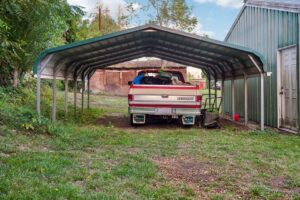
For those interested in enhancing the energy efficiency of their metal buildings, proper insulation is crucial. A related article that provides valuable insights on finding reliable metal carport installers can be found at Metal Carport Installers Near Me in Jerome County, ID. This resource not only highlights local installation services but also emphasizes the importance of quality workmanship in ensuring that your metal building remains well-insulated and energy-efficient.
Benefits of Metal Building Insulation
When it comes to energy efficiency, metal building insulation stands out as a highly effective solution. You may be surprised to learn that proper insulation can dramatically improve the thermal performance of your metal structures. This means that during the hot summer months, your building will remain cooler, and in the winter, it will retain heat more effectively. As a result, you can enjoy a more comfortable indoor environment while reducing your reliance on heating and cooling systems.
Moreover, metal building insulation can significantly lower your energy bills. By minimizing heat transfer, you can reduce the workload on your HVAC systems, leading to lower energy consumption. This not only saves you money but also extends the lifespan of your heating and cooling equipment. Additionally, many insulation materials are designed to be moisture-resistant, which helps prevent mold growth and structural damage over time. This added layer of protection can save you from costly repairs down the line.
Types of Metal Building Insulation
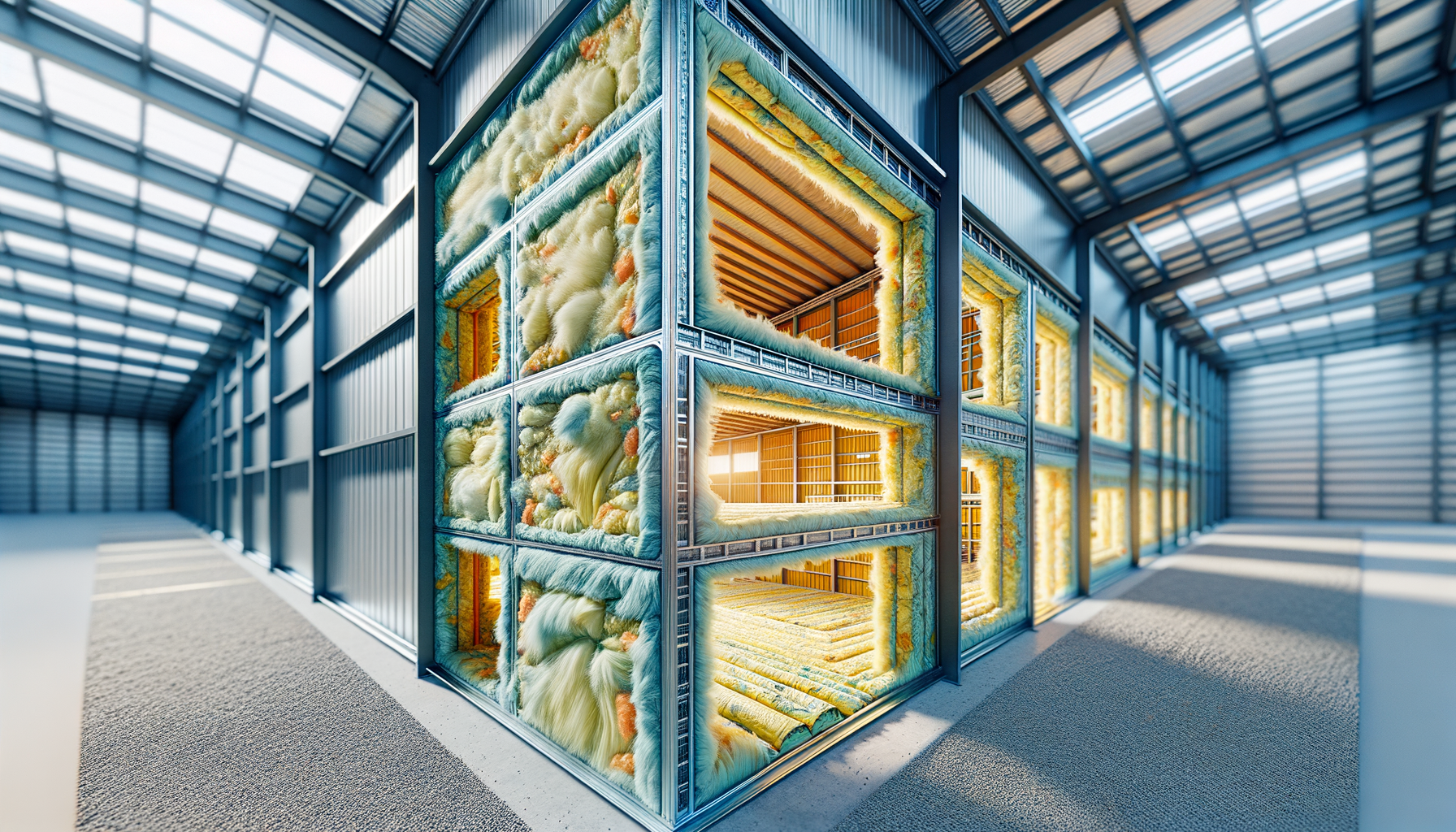
As you explore the various types of metal building insulation available, you’ll find that each option has its unique advantages and applications. One popular choice is fiberglass insulation, known for its excellent thermal performance and affordability. Fiberglass batts or rolls can be easily installed between metal studs, providing a reliable barrier against heat transfer. You may appreciate its lightweight nature and ease of handling during installation.
Another option is spray foam insulation, which offers superior air sealing capabilities. When applied, it expands to fill gaps and cracks, creating an airtight seal that prevents air leakage. This can be particularly beneficial in metal buildings where seams and joints may be prone to drafts. While spray foam tends to be more expensive than fiberglass, its long-term energy savings and performance may justify the initial investment for many property owners.
Factors to Consider When Choosing Metal Building Insulation
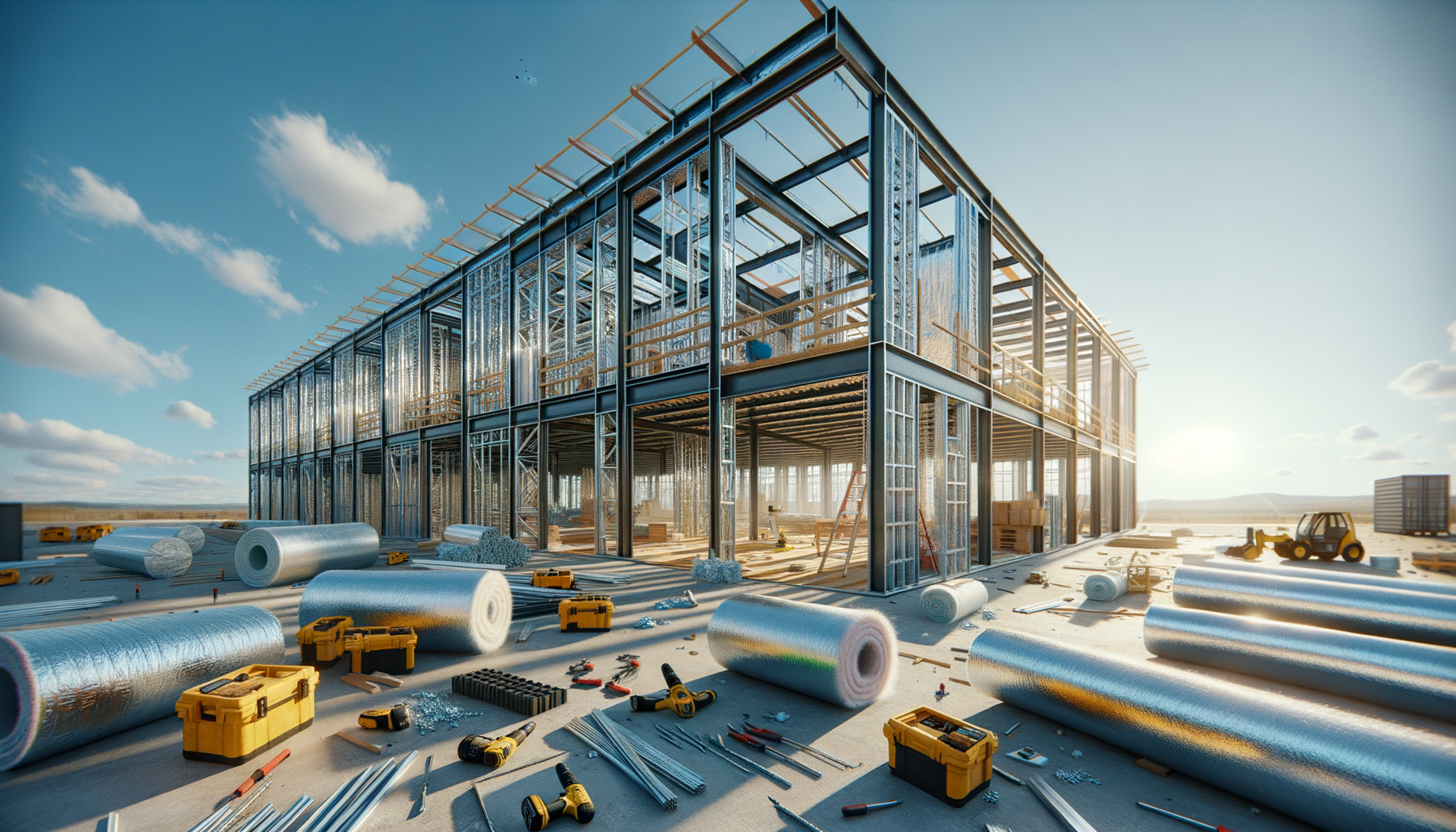
When selecting the right insulation for your metal building, several factors come into play. First and foremost, consider the climate in your area. If you live in a region with extreme temperatures, you may need insulation with a higher R-value to ensure optimal thermal performance. The R-value measures the insulation’s resistance to heat flow; the higher the R-value, the better the insulation’s effectiveness.
Additionally, think about the specific use of your metal building. Are you using it for storage, manufacturing, or as a workspace? Each application may have different insulation requirements based on factors such as humidity levels and temperature fluctuations. You should also take into account your budget and long-term energy goals. While some insulation materials may have a higher upfront cost, their energy-saving potential could lead to significant savings over time.
When considering the benefits of metal building insulation, it’s essential to understand how it contributes to energy efficiency and comfort within the structure. For those interested in enhancing their metal buildings, a related article discusses the various options available for custom metal garages, which can significantly benefit from proper insulation. You can read more about this topic in the article on custom metal garages near Clearwater County, ID. This resource provides valuable insights into the advantages of insulation and how it can improve the overall functionality of your metal building.
Proper Installation Techniques for Metal Building Insulation
| Metrics | Data |
|---|---|
| R-Value | 4.2 – 7.2 per inch |
| Thickness | 2 inches – 6 inches |
| Material | Fiberglass, Foam, Reflective Foil |
| Installation | Between purlins, under roof panels |
Proper installation is crucial for maximizing the benefits of metal building insulation. As you embark on this project, ensure that you follow best practices to achieve optimal results. Start by preparing the space; this includes cleaning the area and ensuring that any existing moisture issues are addressed before installation begins. Proper ventilation is also essential to prevent condensation buildup within the insulation.
When installing fiberglass batts or rolls, make sure they fit snugly between the metal studs without any gaps or compression. Gaps can lead to thermal bridging, where heat bypasses the insulation altogether. If you’re using spray foam insulation, apply it evenly and allow it to expand fully to create an airtight seal. Regardless of the type of insulation you choose, always refer to manufacturer guidelines for specific installation instructions to ensure compliance with safety standards.
Maintenance and Upkeep of Metal Building Insulation
Metal carports and buildings are available in a variety of styles, check them out at Buildings.
Once your metal building insulation is installed, regular maintenance is key to ensuring its longevity and effectiveness. You should periodically inspect the insulation for signs of damage or wear, such as sagging or moisture accumulation. If you notice any issues, address them promptly to prevent further deterioration or potential health hazards like mold growth.
In addition to visual inspections, consider conducting an energy audit every few years. This process can help identify areas where energy loss may be occurring and whether your insulation is still performing optimally. By staying proactive with maintenance and upkeep, you can extend the life of your insulation and continue reaping its energy-saving benefits for years to come.
Case Studies of Successful Energy Efficiency with Metal Building Insulation
To illustrate the effectiveness of metal building insulation in achieving energy efficiency, consider examining case studies from various industries. For instance, a manufacturing facility that implemented spray foam insulation reported a 30% reduction in energy costs within the first year after installation. The airtight seal created by the spray foam not only improved temperature regulation but also enhanced employee comfort and productivity.
Another example comes from a warehouse that utilized fiberglass batts for insulation. After retrofitting their building with this material, they experienced a significant decrease in heating costs during winter months. The owners noted that their investment in insulation paid off within just a few years through reduced utility bills and improved operational efficiency.
Cost-Effective Strategies for Maximizing Energy Efficiency with Metal Building Insulation
Maximizing energy efficiency doesn’t have to break the bank; there are several cost-effective strategies you can implement alongside your metal building insulation project. One approach is to combine insulation with other energy-efficient upgrades, such as installing energy-efficient windows or doors. By addressing multiple areas of energy loss simultaneously, you can create a more comprehensive solution that enhances overall performance.
Additionally, consider utilizing renewable energy sources like solar panels in conjunction with your insulated metal building. By generating your own electricity, you can further reduce reliance on traditional energy sources and lower your utility bills even more. Many local governments offer incentives or rebates for energy-efficient upgrades, so be sure to research available programs that could help offset costs.
Environmental Impact of Metal Building Insulation
The environmental impact of metal building insulation is another important consideration as you strive for greater energy efficiency. By reducing energy consumption through effective insulation, you are directly contributing to lower greenhouse gas emissions associated with power generation. This is particularly significant in regions where fossil fuels are still a primary source of electricity.
Moreover, many modern insulation materials are designed with sustainability in mind. For example, some products are made from recycled materials or are fully recyclable at the end of their life cycle. By choosing eco-friendly options for your metal building insulation, you can further minimize your environmental footprint while promoting sustainable practices within your community.
Common Mistakes to Avoid When Installing Metal Building Insulation
As with any home improvement project, there are common pitfalls to avoid when installing metal building insulation. One frequent mistake is underestimating the importance of proper ventilation. Without adequate airflow, moisture can become trapped within the insulation, leading to mold growth and reduced effectiveness over time. Always ensure that your building has sufficient ventilation before proceeding with installation.
Another common error is failing to account for thermal bridging during installation. Gaps or poorly fitted insulation can create pathways for heat transfer that undermine your efforts to improve energy efficiency. Take the time to measure carefully and ensure that all materials fit snugly together for optimal performance.
Future Trends in Metal Building Insulation Technology
As technology continues to evolve, so too does the field of metal building insulation. You may find yourself intrigued by emerging trends that promise even greater energy efficiency and sustainability in the coming years. One such trend is the development of advanced materials that offer superior thermal performance while being lightweight and easy to install.
Additionally, smart insulation systems are gaining traction in the market. These systems utilize sensors and automation technology to monitor temperature fluctuations and adjust heating or cooling systems accordingly. By integrating smart technology into your metal building’s insulation strategy, you can achieve unprecedented levels of energy efficiency while enhancing overall comfort.
In conclusion, understanding the importance of energy efficiency is crucial as you navigate choices related to metal building insulation. By exploring its benefits, types, installation techniques, and maintenance practices, you can make informed decisions that lead to significant cost savings and environmental benefits over time. As technology continues to advance, staying abreast of trends will empower you to maximize your investment in energy-efficient solutions for years to come.
FAQs
What is metal building insulation?
Metal building insulation is a type of insulation specifically designed for use in metal buildings. It is typically made of fiberglass or foam and is installed to help regulate the temperature inside the building, reduce energy costs, and provide acoustic insulation.
What are the benefits of metal building insulation?
Metal building insulation can help improve the energy efficiency of a building by reducing heat transfer through the metal walls and roof. It also helps to control condensation, improve indoor air quality, and reduce noise levels inside the building.
How is metal building insulation installed?
Metal building insulation is typically installed by attaching it to the interior walls and roof of the metal building using a combination of adhesive and mechanical fasteners. It is important to ensure that the insulation is properly installed to maximize its effectiveness.
What are the different types of metal building insulation?
There are several types of metal building insulation available, including fiberglass blanket insulation, rigid board insulation, and spray foam insulation. Each type has its own advantages and is suitable for different applications.
What factors should be considered when choosing metal building insulation?
When choosing metal building insulation, it is important to consider factors such as the climate in which the building is located, the intended use of the building, and the desired level of insulation. It is also important to consider the R-value of the insulation, which indicates its thermal resistance.