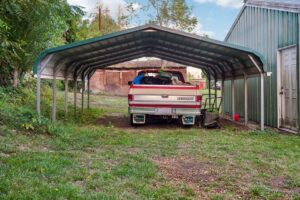
When considering roofing options for your home or commercial building, metal roofing stands out as a compelling choice. One of the primary benefits you will appreciate is its remarkable longevity. Unlike traditional roofing materials, metal roofs can last 40 to 70 years with proper maintenance. This durability means you won’t have to worry about frequent replacements, saving you both time and money in the long run. Additionally, metal roofing is resistant to many of the common issues that plague other materials, such as rot, mold, and insect damage. This resilience makes it an ideal option for various climates, from scorching heat to heavy snowfall.
Another significant advantage of metal roofing is its ability to reflect solar heat, which can lead to lower energy bills. By keeping your building cooler in the summer months, you can reduce your reliance on air conditioning systems. This energy efficiency not only benefits your wallet but also contributes to a more sustainable lifestyle. Furthermore, many metal roofing systems are made from recycled materials, making them an environmentally friendly choice. As you explore your options, you will find that the benefits of metal roofing extend beyond mere aesthetics; they encompass practicality and sustainability as well.
When considering various Metal Building Roofing Options, it’s essential to explore how these structures can be customized to meet specific needs. For instance, if you’re interested in learning more about custom metal carports and their installation in specific regions, you can check out this informative article on custom metal carports near Summit County, UT. This resource provides valuable insights into the benefits and versatility of metal buildings, including roofing options that enhance durability and aesthetic appeal.
Types of Metal Roofing Materials
As you delve into the world of metal roofing, you will encounter a variety of materials, each with its unique characteristics and advantages. Steel is one of the most common choices due to its strength and affordability. Galvanized steel, coated with a layer of zinc, offers excellent corrosion resistance, making it suitable for areas with high humidity or coastal environments. On the other hand, aluminum is lightweight and resistant to rust, making it an excellent option for coastal regions where saltwater exposure is a concern. Its natural properties allow it to withstand harsh weather conditions without deteriorating.
Copper and zinc are also popular choices for those seeking a more premium option. Copper roofs are known for their stunning appearance and can develop a beautiful patina over time, adding character to your building. Zinc, while less common, offers similar aesthetic benefits and is highly durable. Each material has its own set of pros and cons, so it’s essential to consider factors such as climate, budget, and desired appearance when selecting the right metal roofing material for your project.
Comparing the Durability of Different Metal Roofing Options
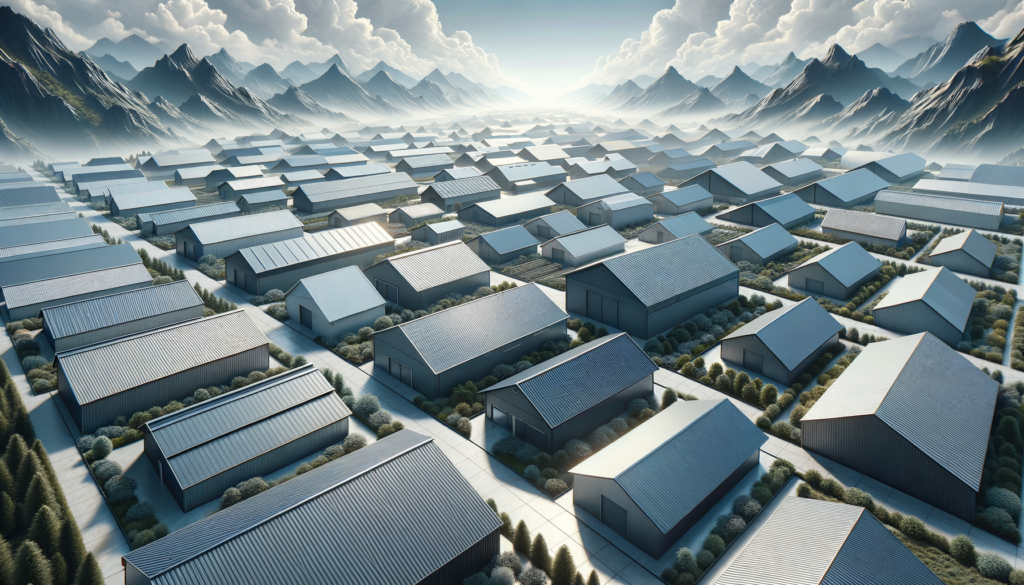
Durability is a crucial factor when choosing a roofing material, and metal roofing excels in this area. Steel roofs are particularly renowned for their strength and resistance to impact damage. They can withstand hailstorms and high winds without compromising their integrity. Aluminum roofs, while lighter, also offer impressive durability and are less prone to rusting than steel. However, they may not be as resistant to physical impacts as their steel counterparts.
When comparing copper and zinc roofs, you will find that both materials have exceptional longevity. Copper roofs can last over 100 years with minimal maintenance, while zinc roofs typically last around 80 years. Both materials develop a protective patina over time that enhances their durability against the elements. Ultimately, your choice will depend on your specific needs and preferences; however, rest assured that any metal roofing option you choose will provide superior durability compared to traditional roofing materials.
Exploring the Aesthetics of Metal Roofing
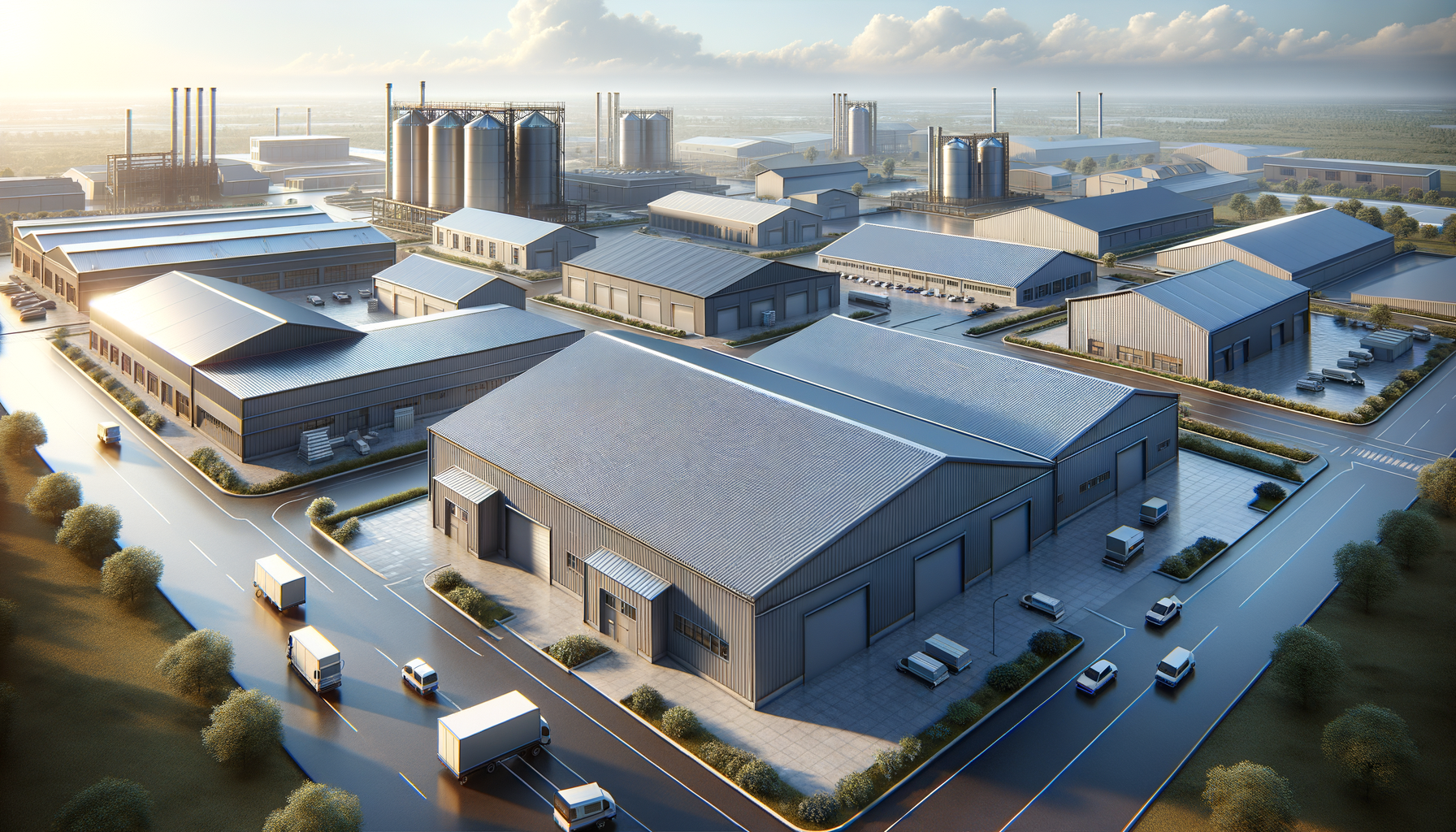
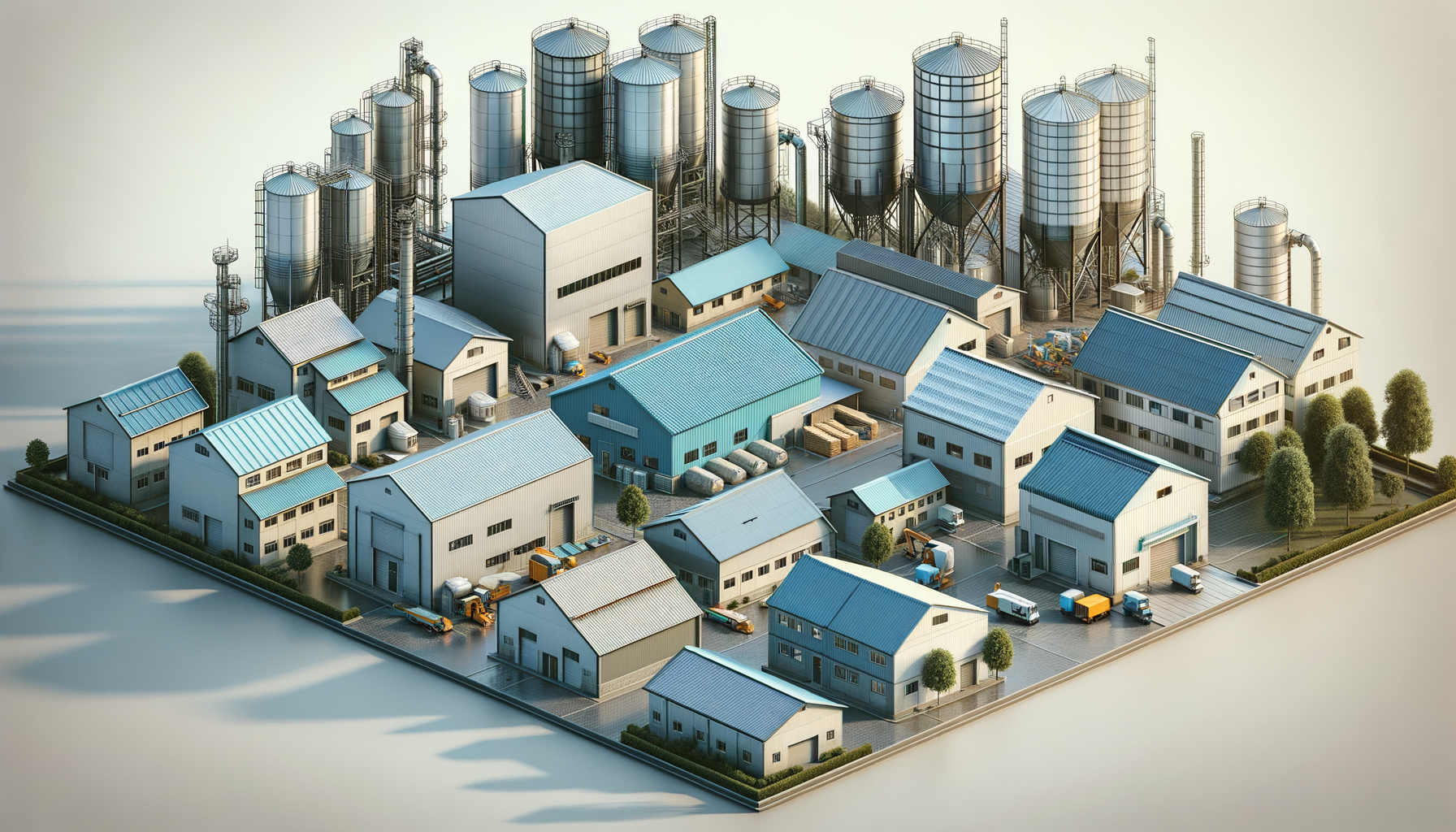
Aesthetics play a significant role in your decision-making process when selecting a roofing material. Metal roofing offers a modern and sleek appearance that can enhance the overall look of your building. Available in various styles, colors, and finishes, metal roofs can complement any architectural design—from contemporary to traditional. You can choose from standing seam panels for a clean and streamlined look or opt for metal shingles that mimic the appearance of wood or slate.
Moreover, the versatility of metal roofing allows you to customize your choice further. With an array of colors available, you can select shades that harmonize with your home’s exterior or stand out as a bold statement piece. The reflective properties of metal can also create stunning visual effects under different lighting conditions throughout the day. As you explore your options, consider how the aesthetics of metal roofing can elevate your property’s curb appeal while providing a modern touch.
When considering various Metal Building Roofing Options, it’s essential to explore how these structures can be customized to meet specific needs. For instance, a related article discusses the advantages of pre-engineered metal buildings, which can offer both durability and versatility in design. You can read more about this topic by visiting this informative resource that highlights the benefits of choosing metal buildings in Jackson County, OR. Understanding these options can help you make an informed decision for your next construction project.
Environmental Benefits of Metal Roofing
| Roofing Option | Material | Cost | Durability |
|---|---|---|---|
| Standing Seam Metal | Steel or Aluminum | – | High |
| Ribbed Metal Panels | Steel | – | Medium |
| Metal Shingles | Steel or Aluminum | – | High |
| Corrugated Metal | Steel | – | Low-Medium |
In today’s eco-conscious world, choosing environmentally friendly building materials is more important than ever. Metal roofing offers several environmental benefits that align with sustainable practices. One of the most significant advantages is its recyclability; at the end of its long life cycle, metal roofing can be fully recycled without losing its quality. This reduces waste in landfills and conserves natural resources.
Additionally, many metal roofs are manufactured using recycled materials, further minimizing their environmental impact during production. The energy efficiency of metal roofing also contributes to its eco-friendliness; by reflecting solar heat, these roofs help reduce energy consumption in buildings. This not only lowers utility bills but also decreases greenhouse gas emissions associated with energy production. By choosing metal roofing, you are making a conscious decision to support sustainability while enjoying the numerous benefits it offers.
Cost Considerations for Metal Roofing
Metal carports and buildings are available in a variety of styles, check them out at Buildings.
While the initial investment in metal roofing may be higher than traditional materials like asphalt shingles, it’s essential to consider the long-term cost benefits. The durability and longevity of metal roofs mean that you will likely save money on repairs and replacements over time. Additionally, many manufacturers offer warranties ranging from 20 to 50 years, providing peace of mind regarding your investment.
When evaluating costs, it’s also important to factor in potential energy savings due to the reflective properties of metal roofing. Lower energy bills can offset the initial expenditure over time, making metal roofing a financially sound choice in the long run. As you weigh your options, consider not just the upfront costs but also the overall value that metal roofing brings to your property.
Installation Process for Metal Roofing
The installation process for metal roofing is generally straightforward but requires skilled professionals to ensure proper application. Before installation begins, it’s crucial to prepare your roof by removing any existing materials and ensuring that the underlying structure is sound. This preparation helps create a solid foundation for your new roof.
Once the roof is ready, installers will typically lay down an underlayment to provide additional protection against moisture before attaching the metal panels or shingles. Depending on the type of metal roofing you choose—whether standing seam or corrugated—the installation techniques may vary slightly. Proper sealing and fastening are essential to prevent leaks and ensure longevity. After installation is complete, you can enjoy the benefits of your new roof for decades to come.
Maintenance and Longevity of Metal Roofing
One of the appealing aspects of metal roofing is its low maintenance requirements compared to other materials. While regular inspections are recommended—especially after severe weather events—metal roofs generally require minimal upkeep. You may need to clear debris from gutters and downspouts occasionally and check for any signs of wear or damage.
In terms of longevity, metal roofs are designed to withstand the test of time. With proper care and maintenance, you can expect your metal roof to last anywhere from 40 to 70 years or even longer in some cases. This impressive lifespan makes it a worthwhile investment for homeowners looking for durability without frequent replacements.
Energy Efficiency of Metal Roofing
Energy efficiency is a significant consideration for many property owners today, and metal roofing excels in this area as well. The reflective properties of metal help keep buildings cooler during hot summer months by reflecting solar radiation away from the structure. This can lead to reduced reliance on air conditioning systems and lower energy bills.
Moreover, some metal roofs come with special coatings designed to enhance their reflective capabilities further. These cool roof technologies can significantly improve energy efficiency by reducing heat absorption. As you contemplate your roofing options, consider how investing in a metal roof can contribute not only to your comfort but also to long-term savings on energy costs.
Customization Options for Metal Roofing
Customization is another appealing aspect of metal roofing that allows you to tailor your choice to fit your specific needs and preferences. With various styles available—such as standing seam panels or interlocking tiles—you can select a design that complements your building’s architecture perfectly. Additionally, many manufacturers offer an extensive palette of colors and finishes that enable you to achieve the desired aesthetic.
Beyond color and style, you can also choose from different textures and profiles that enhance visual interest while maintaining functionality. Whether you prefer a sleek modern look or a more traditional appearance reminiscent of classic shingles, there are customization options available to suit every taste.
Choosing the Right Metal Roofing Option for Your Building
Selecting the right metal roofing option for your building involves careful consideration of various factors such as climate, budget, aesthetics, and durability requirements. Start by assessing your local weather conditions; if you live in an area prone to heavy snowfall or high winds, opting for a robust material like galvanized steel may be wise.
Next, consider your budget—not just for installation but also for long-term maintenance and energy savings. Finally, think about how you want your building to look; with so many styles and colors available in metal roofing today, you’re sure to find an option that aligns with your vision while providing all the practical benefits associated with this versatile material.
In conclusion, as you explore the world of metal roofing, you’ll discover numerous advantages that make it an attractive choice for both residential and commercial properties alike. From its durability and energy efficiency to its aesthetic appeal and environmental benefits, investing in a metal roof can provide lasting value for years to come.
FAQs
What are the common metal building roofing options?
Metal building roofing options include standing seam metal roofs, corrugated metal roofs, and R-panel metal roofs. Each option offers different benefits in terms of durability, cost, and aesthetic appeal.
What are the advantages of standing seam metal roofs?
Standing seam metal roofs are known for their durability, low maintenance, and sleek appearance. They are also highly resistant to leaks and can be installed quickly, making them a popular choice for metal buildings.
What are the benefits of corrugated metal roofs?
Corrugated metal roofs are lightweight, cost-effective, and provide excellent protection against the elements. They are also easy to install and can be customized to fit the specific needs of a metal building.
What are the advantages of R-panel metal roofs?
R-panel metal roofs are known for their strength, versatility, and cost-effectiveness. They are also easy to install and require minimal maintenance, making them a practical choice for metal building roofing.
How do I choose the right metal building roofing option for my project?
When choosing a metal building roofing option, consider factors such as budget, climate, building design, and desired aesthetic. It’s also important to consult with a professional to determine the best option for your specific project.