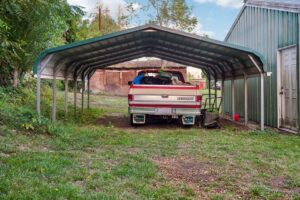
When it comes to choosing a structure for your property, durability and strength are paramount. Metal buildings, such as carports, garages, and barns, are engineered to withstand the test of time. Unlike traditional wooden structures, which can be susceptible to rot and decay, metal buildings are crafted from high-quality steel that offers exceptional resistance to harsh weather conditions. This means that whether you live in an area prone to heavy snowfall or high winds, a metal structure can provide the peace of mind that comes with knowing your investment is secure.
The strength of metal buildings is not just a matter of material; it’s also about design. Many manufacturers adhere to strict engineering standards that ensure their products can handle specific snow loads and wind loads. For instance, Mike Daniels, owner of Metal Carports and Buildings, emphasizes the importance of certification in the industry. “A certified building is engineered to meet local codes and withstand environmental challenges,” he explains. This level of engineering ensures that your metal structure will not only stand strong against the elements but also provide a safe environment for your vehicles, equipment, or livestock.
Steel frame structures offer numerous advantages over traditional wood buildings, including enhanced durability, resistance to pests, and lower maintenance costs. For those interested in exploring the benefits of metal buildings further, a related article can be found at Custom Metal Carports Near Douglas County, OR, which discusses the versatility and strength of metal carports and how they can serve as a practical alternative to wood structures.
Cost-Effectiveness
Cost-effectiveness is a significant factor for homeowners and business owners alike when considering construction options. Metal buildings often present a more affordable solution compared to traditional wood structures. The initial investment may be higher for metal, but the long-term savings are substantial. For example, metal buildings typically require less maintenance over time, which translates to lower costs in repairs and upkeep.
Additionally, the speed of construction plays a role in cost-effectiveness. Metal structures can often be erected more quickly than their wooden counterparts, reducing labor costs significantly. According to industry experts, this quick turnaround can be particularly beneficial for businesses that need to minimize downtime. By investing in a metal building, property owners can enjoy a durable structure without breaking the bank.
Sustainability and Environmental Benefits
In today’s world, sustainability is more than just a buzzword; it’s a necessity. Metal buildings are inherently more sustainable than traditional wood structures for several reasons. First and foremost, steel is one of the most recycled materials on the planet. In fact, the steel industry boasts a recycling rate of over 90%. This means that when you choose a metal building, you’re not only investing in a durable structure but also contributing to environmental conservation.
Moreover, metal buildings can be designed with energy efficiency in mind. Many manufacturers offer insulation options that help regulate temperature, reducing the need for excessive heating or cooling. This not only lowers energy bills but also minimizes your carbon footprint. As Mike Daniels points out, “Choosing metal is not just about strength; it’s about making a responsible choice for our planet.” By opting for a metal building, you’re making a decision that benefits both your wallet and the environment.
Quick Construction Time
One of the standout advantages of metal buildings is their quick construction time. Unlike traditional construction methods that can take months or even years to complete, metal structures can often be assembled in a matter of days or weeks. This rapid construction process is particularly appealing for business owners who need to get operations up and running as quickly as possible.
The prefabricated nature of many metal buildings allows for streamlined assembly. Components are manufactured off-site and delivered ready for installation, which minimizes delays caused by weather or labor shortages. For instance, if you’re looking to build an RV cover or a barn for your ranch, you can expect a much shorter wait time with a metal structure compared to traditional building methods. This efficiency not only saves time but also reduces labor costs, making it an attractive option for property owners.
When considering the advantages of steel frame structures, it’s essential to explore how metal buildings outperform wood in various applications. For instance, a related article discusses the benefits of metal storage buildings, highlighting their durability and low maintenance requirements. You can read more about these advantages and find specific information about metal storage buildings in Kootenai County, Idaho, by visiting this link. This comparison underscores why many builders and homeowners are increasingly opting for steel over traditional wood materials.
Design Flexibility
| Advantages of Steel Frame Structures |
|---|
| 1. Durability |
| 2. Strength |
| 3. Cost-effectiveness |
| 4. Sustainability |
| 5. Design flexibility |
| 6. Fire resistance |
| 7. Pest resistance |
Design flexibility is another compelling reason to consider metal buildings for your property needs. Unlike traditional materials that may limit architectural possibilities, steel can be molded into various shapes and sizes to suit your specific requirements. Whether you need a simple carport or a large commercial warehouse, metal buildings can be customized to fit your vision.
Additionally, many manufacturers offer a range of aesthetic options, including colors and finishes that allow you to create a structure that complements your existing property. This flexibility means you don’t have to sacrifice style for functionality; you can have both in one package. As Mike Daniels notes, “Metal buildings can be as unique as the people who own them.” This adaptability makes them suitable for various applications, from residential garages to expansive agricultural barns.
When considering the advantages of steel frame structures over traditional wood buildings, it’s essential to explore various factors that contribute to their superior performance. For instance, the durability and resistance to environmental factors make metal buildings a preferred choice for many. A related article discusses the benefits of custom metal carports, highlighting how they can be tailored to meet specific needs while providing robust protection against the elements. You can read more about this topic in the article on custom metal carports. This further illustrates why steel structures are often favored in construction projects.
Resistance to Fire, Mold, and Termites
Metal carports and buildings are a great investment for your property, visit https://metalcarportsandbuildings.com/building-styles/ to explore different building styles.
When considering building materials, safety should always be a top priority. Metal buildings offer significant advantages in terms of fire resistance compared to wood structures. Steel does not burn like wood does, which means that in the event of a fire, your metal building is less likely to sustain catastrophic damage. This inherent fire resistance can provide peace of mind for homeowners and business owners alike.
Moreover, metal structures are impervious to mold and termites—two common issues that plague wooden buildings. Mold thrives in damp environments, while termites feast on wood, leading to costly repairs and potential structural failure. By choosing a metal building, you eliminate these risks entirely. This durability against pests and environmental factors makes metal an ideal choice for those looking to protect their investments over the long term.
Low Maintenance Requirements
One of the most appealing aspects of metal buildings is their low maintenance requirements. Unlike wood structures that may need regular painting, sealing, or treatment against pests and rot, metal buildings require minimal upkeep. A simple wash with soap and water is often all that’s needed to keep your structure looking its best.
This low maintenance translates into significant savings over time. Property owners can allocate their resources toward other important areas rather than spending money on repairs and upkeep. Additionally, many manufacturers offer warranties on their products, providing further assurance that your investment is protected against defects or premature wear.
Longevity and Resilience
Longevity is one of the defining characteristics of metal buildings. With proper care and maintenance, these structures can last for decades—often outlasting traditional wooden buildings by many years. The resilience of steel against environmental factors such as wind, rain, and snow ensures that your investment remains intact over time.
For example, many metal buildings come with warranties ranging from 20 years to lifetime coverage on certain components. This level of assurance speaks volumes about the durability and longevity of these structures. As Mike Daniels emphasizes, “Investing in a metal building is investing in peace of mind.” Knowing that your structure will stand strong against the elements allows property owners to focus on what truly matters—using their space effectively.
Energy Efficiency
Energy efficiency is an increasingly important consideration for property owners looking to reduce their utility bills and environmental impact. Metal buildings can be designed with energy-efficient features such as insulation and reflective roofing materials that help regulate indoor temperatures. This means less reliance on heating and cooling systems, leading to lower energy costs.
Additionally, many modern metal buildings are equipped with energy-efficient windows and doors that further enhance their performance. By investing in these features upfront, property owners can enjoy significant savings over time while also contributing to a more sustainable future. As industry experts note, energy-efficient designs are not just good for the environment; they’re also good for your wallet.
Adaptability for Various Applications
One of the most significant advantages of metal buildings is their adaptability for various applications. Whether you need a carport for your vehicle, a barn for livestock, or a workshop for your business, metal structures can be tailored to meet your specific needs. This versatility makes them an ideal choice for homeowners and business owners alike.
For instance, if you own a ranch and require additional storage space for equipment or feed, a custom-designed metal barn can provide ample room while ensuring durability against harsh weather conditions. Similarly, businesses looking for warehouse space can benefit from the expansive design options available with metal buildings. The ability to customize size and layout means that no matter your requirements, there’s likely a metal solution that fits perfectly.
Reduced Risk of Warping, Shrinkage, and Swelling
Finally, one of the lesser-known benefits of metal buildings is their reduced risk of warping, shrinkage, and swelling compared to traditional wood structures. Wood is susceptible to changes in humidity and temperature; it can expand or contract over time, leading to structural issues such as cracks or misalignments.
In contrast, steel maintains its shape regardless of environmental conditions. This stability ensures that doors close properly and roofs remain intact over time—factors that contribute significantly to the overall longevity of the structure. By choosing a metal building, property owners can rest assured that they are making an investment that will stand strong against the test of time without the common issues associated with wood.
In conclusion, when considering options for carports, garages, barns, RV covers, or any other type of structure on your property, metal buildings offer numerous advantages that make them an attractive choice. From durability and cost-effectiveness to sustainability and low maintenance requirements, these structures provide long-term value that traditional materials simply cannot match. As you explore your options in this growing market, remember the insights shared by industry experts like Mike Daniels and consider how investing in a metal building could benefit you today and well into the future.
### FAQ
**1. How long do metal buildings last?**
Metal buildings can last 30 years or more with proper maintenance.
**2. Are metal buildings fire-resistant?**
Yes! Metal structures are inherently fire-resistant compared to wood.
**3. Can I customize my metal building?**
Absolutely! Metal buildings offer extensive design flexibility for various applications.
**4. What maintenance do metal buildings require?**
Minimal maintenance is needed—typically just cleaning with soap and water.
**5. Are there energy-efficient options available?**
Yes! Many manufacturers offer insulation and reflective materials for energy efficiency.
For more information on building codes and standards related to metal structures, visit organizations like the Metal Building Manufacturers Association (MBMA) [here](https://www.mbma.com).
FAQs
What are the advantages of steel frame structures over wood?
Steel frame structures offer several advantages over wood, including greater strength, durability, and resistance to pests and fire. They also require less maintenance and have a longer lifespan.
How do steel frame structures outperform wood in terms of strength and durability?
Steel frame structures are stronger and more durable than wood, as steel has a higher strength-to-weight ratio and does not warp, twist, or rot like wood. This makes steel frame structures better equipped to withstand extreme weather conditions and natural disasters.
What are the benefits of steel frame structures in terms of pest and fire resistance?
Steel frame structures are inherently resistant to pests such as termites and other wood-destroying insects, which can cause significant damage to wood structures. Additionally, steel is non-combustible, making steel frame structures more resistant to fire than wood.
How do steel frame structures compare to wood in terms of maintenance and lifespan?
Steel frame structures require less maintenance than wood, as they do not need to be treated for pests or regularly repainted. Additionally, steel frame structures have a longer lifespan than wood structures, making them a more cost-effective long-term investment.
What are some other advantages of steel frame structures?
In addition to the aforementioned benefits, steel frame structures offer advantages such as design flexibility, faster construction times, and environmental sustainability. Steel is also a recyclable material, making steel frame structures a more eco-friendly option compared to wood.