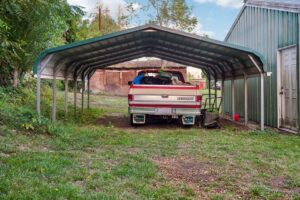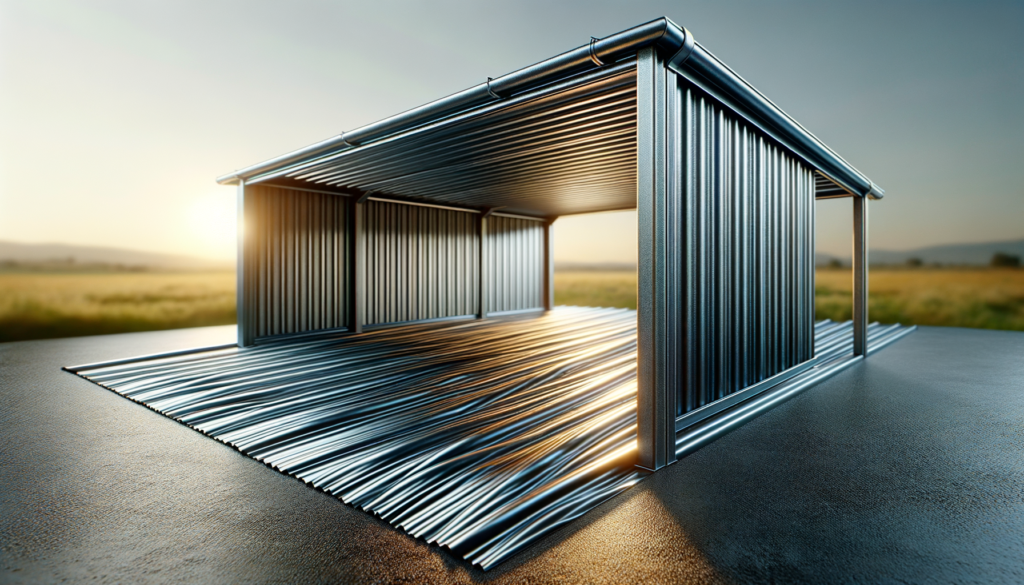
Rust is a common concern for metal carport owners, and understanding its causes is the first step in prevention. At its core, rust is the result of a chemical reaction between iron, oxygen, and moisture. When metal surfaces are exposed to these elements, they can corrode over time, leading to unsightly and potentially damaging rust spots. Factors such as humidity, rain, and even snow can accelerate this process, especially in areas with high moisture levels. Additionally, pollutants in the air, such as salt from coastal environments or industrial emissions, can contribute to rust formation.
Another significant factor in rust development is the quality of the metal used in the carport’s construction. Lower-grade metals may lack protective coatings or treatments that help resist corrosion. For instance, untreated steel is particularly susceptible to rusting when exposed to moisture. Understanding these causes allows homeowners to take proactive measures to protect their investments. As Mike Daniels, an industry expert, notes, “The key to prolonging the life of your metal carport lies in understanding the environmental factors at play and choosing quality materials from the start.”
To effectively prevent rust on a metal carport, it’s essential to understand the importance of proper installation and maintenance techniques. For those interested in learning more about the installation of vertical roof metal carports, which can significantly enhance durability and resistance to the elements, you can refer to this informative article: Vertical Roof Metal Carports Near Chelan County, WA. This resource provides valuable insights that can help you choose the right carport design and materials to minimize rust and extend the lifespan of your structure.
Regular Cleaning and Maintenance
Regular cleaning and maintenance are essential practices for preventing rust on metal carports. Dust, dirt, and debris can trap moisture against the metal surface, creating an ideal environment for rust to develop. Homeowners should aim to clean their carports at least twice a year, using a mild detergent and water solution. A soft brush or cloth can help remove grime without scratching the metal surface. It’s also important to pay attention to hard-to-reach areas where water may accumulate, such as corners and joints.
In addition to cleaning, routine inspections are crucial for identifying early signs of rust or damage. Homeowners should look for discoloration, flaking paint, or any signs of corrosion during their maintenance checks. Addressing these issues promptly can prevent more extensive damage down the line. As Mike Daniels emphasizes, “A little bit of regular care goes a long way in maintaining the integrity of your metal carport.”
Applying Protective Coatings
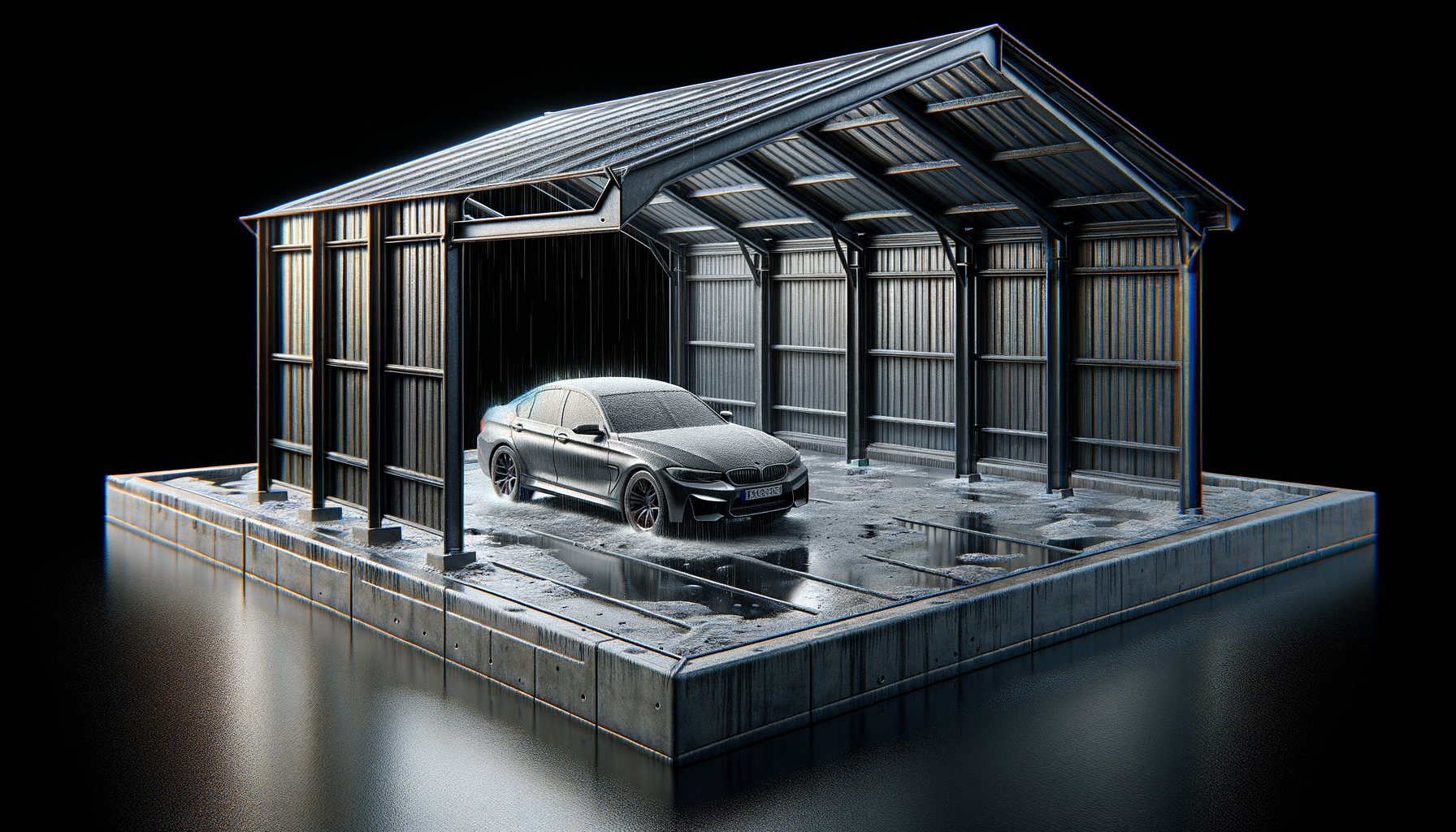
Applying protective coatings is one of the most effective ways to prevent rust on metal carports. These coatings act as a barrier between the metal and environmental elements that can cause corrosion. There are various types of protective coatings available, including paint, powder coating, and galvanization. Each option has its benefits; for example, powder coating provides a durable finish that resists chipping and fading, while galvanization involves coating steel with a layer of zinc for enhanced corrosion resistance.
When selecting a protective coating, it’s essential to consider the specific environmental conditions your carport will face. For instance, if you live in a coastal area with high salt exposure, a more robust coating may be necessary. Additionally, applying a fresh coat of paint or sealant every few years can help maintain the protective barrier and extend the life of your carport. As Mike Daniels advises, “Investing in quality coatings not only protects your carport but also enhances its aesthetic appeal.”
Using Rust Inhibitors
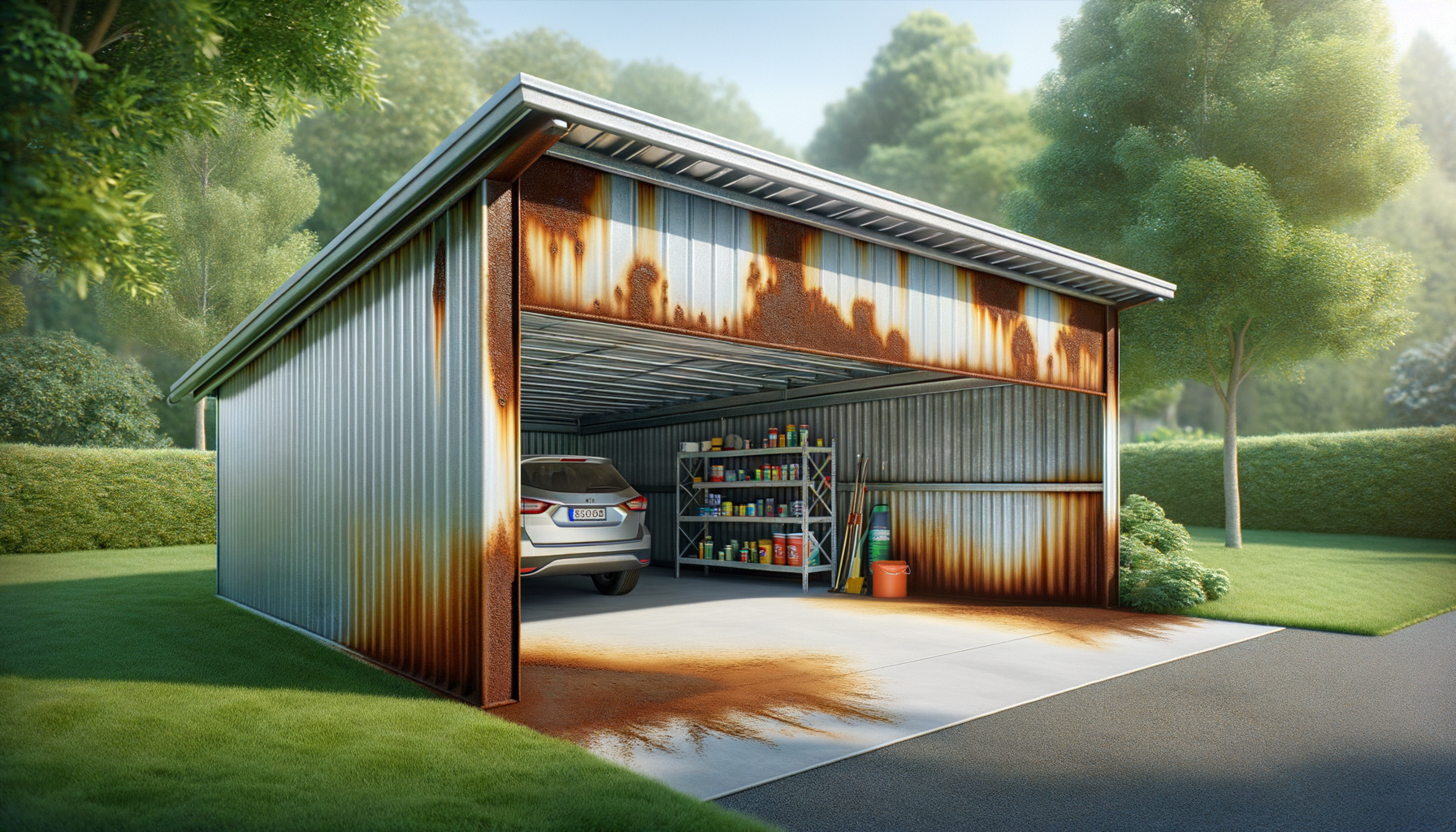
Rust inhibitors are chemical compounds designed to prevent or slow down the oxidation process that leads to rust formation. These products can be applied directly to metal surfaces or mixed into paints and coatings for added protection. Rust inhibitors work by creating a protective layer that blocks moisture and oxygen from reaching the metal surface. They are particularly useful in areas prone to high humidity or frequent rainfall.
When choosing a rust inhibitor, it’s important to select one that is compatible with your carport’s material and existing coatings. Some inhibitors are designed specifically for use on galvanized steel or aluminum, while others may be more versatile. Regular application of rust inhibitors can significantly extend the lifespan of your metal carport by providing an additional layer of defense against corrosion. As Mike Daniels points out, “Incorporating rust inhibitors into your maintenance routine can be a game-changer for preserving your metal structures.”
To effectively prevent rust on a metal carport, it’s essential to understand the various protective measures that can be implemented. Regular maintenance, such as cleaning and applying protective coatings, plays a crucial role in extending the lifespan of your carport. For those interested in exploring more about metal structures and their installation, you might find this article on RV covers near Boundary County, ID particularly insightful, as it provides additional context on the benefits of metal constructions and how to care for them properly.
Proper Drainage and Ventilation
| Preventive Measures | Effectiveness |
|---|---|
| Regular cleaning and washing | High |
| Applying a rust-resistant coating | High |
| Keeping the carport dry | High |
| Inspecting for scratches and damages | Medium |
| Using rust inhibitors | Medium |
| Regular maintenance and repairs | High |
Proper drainage and ventilation are critical factors in preventing rust on metal carports. Water accumulation can lead to prolonged exposure of metal surfaces to moisture, which accelerates rust formation. Ensuring that your carport has adequate drainage systems—such as gutters and downspouts—can help direct water away from the structure. Additionally, sloping the ground around the carport can prevent water pooling near its base.
Ventilation is equally important in reducing humidity levels within the carport. Installing vents or windows can promote airflow and help dissipate moisture that may accumulate inside. This is especially crucial for carports used for storing vehicles or equipment that may release moisture over time. By prioritizing proper drainage and ventilation, homeowners can create an environment less conducive to rust development. As Mike Daniels notes, “A well-designed drainage system combined with good ventilation can make all the difference in protecting your investment.”
Inspecting and Repairing Damaged Areas
Sure, here is the sentence with the clickable link:
Please visit our website to Request a Free No Obligation Quote: https://metalcarportsandbuildings.com/contact
Regular inspections are vital for identifying damaged areas on your metal carport that may be susceptible to rust. Look for signs of wear and tear such as scratches, dents, or areas where protective coatings have worn away. Addressing these issues promptly can prevent moisture from penetrating the metal surface and causing corrosion.
When repairing damaged areas, it’s essential to use high-quality materials that match the original construction of the carport. For instance, if you need to repaint a section, ensure that you use paint designed for metal surfaces with rust-inhibiting properties. Additionally, consider applying a protective coating over repaired areas to enhance their resistance to rust. As Mike Daniels emphasizes, “Timely repairs not only maintain the appearance of your carport but also safeguard it against future damage.”
Avoiding Exposure to Harsh Elements
While metal carports are designed to withstand various weather conditions, prolonged exposure to harsh elements can still lead to rust formation over time. Factors such as heavy rain, snow accumulation, and extreme temperatures can all contribute to corrosion risks. Homeowners should take proactive measures to minimize exposure by positioning their carports strategically—ideally in locations that offer some natural protection from wind and precipitation.
Additionally, using tarps or covers during severe weather events can provide an extra layer of protection against moisture accumulation. If possible, consider investing in a carport with a roof design that allows for efficient snow shedding or water runoff. By being mindful of environmental factors and taking steps to shield your carport from harsh elements, you can significantly reduce the risk of rust development.
Installing a Galvanized or Stainless Steel Carport
When considering new installations or replacements, opting for galvanized or stainless steel carports can provide superior resistance to rust compared to traditional steel options. Galvanized steel is coated with zinc through a process called galvanization, which creates a protective barrier against moisture and oxygen. This makes it an excellent choice for areas with high humidity or salt exposure.
Stainless steel offers even greater corrosion resistance due to its alloy composition, which includes chromium that forms a passive layer on the surface. While both options may come at a higher initial cost than standard steel, their long-term durability and reduced maintenance needs often make them more cost-effective over time. As Mike Daniels advises potential buyers: “Investing in galvanized or stainless steel not only enhances your carport’s lifespan but also provides peace of mind knowing you’re protected against rust.”
Using Rust-resistant Materials for Construction
When constructing a new metal carport or barn, selecting rust-resistant materials is crucial for long-term durability. In addition to galvanized and stainless steel options mentioned earlier, consider materials like aluminum or coated metals that offer inherent resistance to corrosion. Aluminum is lightweight yet strong and does not rust like steel; however, it may not be suitable for all applications due to its lower strength compared to steel.
Coated metals—such as those treated with powder coating—can also provide excellent protection against rust while offering aesthetic versatility in color choices. When discussing material options with contractors or suppliers, inquire about their corrosion resistance ratings and certifications to ensure you’re making an informed decision. As Mike Daniels emphasizes: “Choosing the right materials from the outset sets the foundation for a long-lasting structure.”
Keeping the Carport Dry and Clean
Maintaining a dry and clean environment within your metal carport is essential for preventing rust formation. Regularly removing debris such as leaves or dirt can help minimize moisture retention on surfaces. Additionally, if you store vehicles or equipment inside the carport, ensure they are dry before parking them inside; this will prevent excess moisture from accumulating.
Consider using absorbent mats or pads under vehicles to capture any drips or spills that may occur during storage. Furthermore, if you notice any leaks from stored items—such as fuel containers—address them immediately to prevent moisture buildup within the carport space. By prioritizing cleanliness and dryness inside your carport, you create an environment less conducive to rust development.
Seeking Professional Help if Necessary
While many homeowners can manage basic maintenance tasks themselves, there are times when seeking professional help becomes necessary—especially when dealing with extensive rust damage or structural concerns. Professional contractors have the expertise needed to assess damage accurately and recommend appropriate repair solutions tailored specifically for your metal carport.
Additionally, if you’re considering installing a new carport or making significant modifications to an existing structure, consulting with professionals ensures compliance with local building codes and regulations regarding safety standards and engineering requirements. As Mike Daniels advises: “Don’t hesitate to reach out for professional assistance when needed; it can save you time and money in the long run.”
In conclusion, protecting your metal carport from rust requires a combination of regular maintenance practices, strategic material choices during construction or installation phases, and proactive measures against environmental factors contributing to corrosion risks. By understanding these principles—and implementing them diligently—you can extend the lifespan of your investment while enjoying peace of mind knowing you’ve taken steps toward safeguarding it against rust damage.
For more information on building styles and materials suitable for your needs, visit [Metal Carports and Buildings](https://metalcarportsandbuildings.com/building-styles/). If you’re looking for resources on maintenance tips or installation guidance tailored specifically for your area, check out our [service area](https://metalcarportsandbuildings.com/service-area/) page or explore our [resources](https://metalcarportsandbuildings.com/resources/) section for valuable insights!
FAQs
What is rust and why does it form on metal carports?
Rust is a reddish-brown oxide that forms on iron or steel when exposed to oxygen and moisture. Metal carports are susceptible to rust due to their exposure to the elements, such as rain, snow, and humidity.
How can I prevent rust from forming on my metal carport?
To prevent rust on a metal carport, it is important to regularly clean and inspect the carport for any signs of rust. Applying a rust-resistant coating or paint can also help protect the metal from corrosion. Additionally, keeping the carport dry and free from standing water can help prevent rust formation.
What are some maintenance tips to prevent rust on a metal carport?
Regularly cleaning the metal carport with a mild detergent and water can help remove dirt and debris that can contribute to rust formation. Inspecting the carport for any scratches or chips in the paint and promptly repairing them can also help prevent rust from developing.
Are there any specific products or treatments that can help prevent rust on a metal carport?
There are rust-resistant coatings and paints available that are specifically designed to protect metal surfaces from corrosion. These products can be applied to the metal carport to provide an additional layer of protection against rust.
What are the benefits of preventing rust on a metal carport?
Preventing rust on a metal carport can help extend its lifespan and maintain its structural integrity. It can also improve the overall appearance of the carport and reduce the need for costly repairs or replacements in the future.