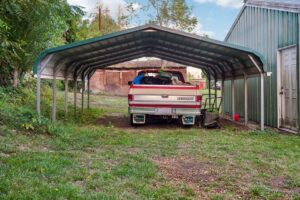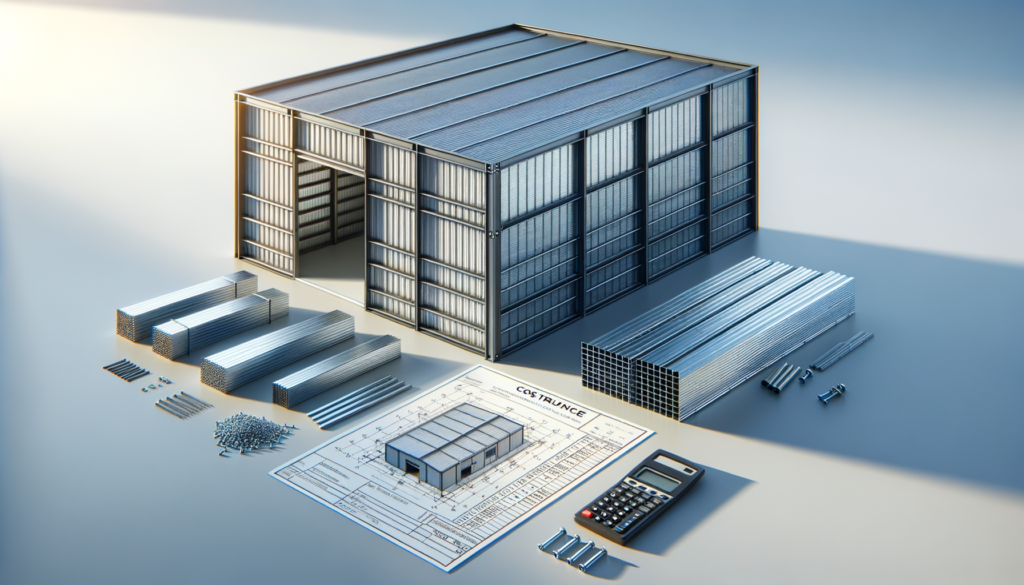
When considering a metal building for your property, whether it’s a carport, garage, barn, or commercial structure, understanding the costs involved is crucial. Metal buildings have gained popularity due to their durability, versatility, and relatively low maintenance requirements. However, the price can vary significantly based on several factors. This guide aims to provide homeowners, ranch owners, business owners, and property owners with a comprehensive overview of what to expect when budgeting for a metal building project.
Metal buildings are not just a one-size-fits-all solution; they come in various shapes, sizes, and materials. From small storage units to expansive commercial warehouses, the cost can fluctuate based on your specific needs and local market conditions. By breaking down the elements that influence pricing, we hope to equip you with the knowledge necessary to make informed decisions about your investment.
For those interested in understanding the various factors that influence metal building costs, the article “Custom Metal Carports Near Converse County, WY” provides valuable insights into installation specifics and pricing variations based on location. This resource complements the Metal Building Cost Guide (2026): Prices by Size, Type & Location, offering a deeper look into how local market conditions can affect overall expenses. You can read more about it by visiting this link: Custom Metal Carports Near Converse County, WY.
Factors Affecting Metal Building Costs
Several key factors influence the overall cost of metal buildings. First and foremost is the material used in construction. Steel is the most common choice due to its strength and longevity, but aluminum and hybrid options are also available. Each material has its own price point and benefits, which can significantly affect your budget.
Another critical factor is the size of the building. Larger structures require more materials and labor, which naturally increases costs. Additionally, the complexity of the design plays a role; custom features such as windows, doors, and insulation can add to the overall expense. As Mike Daniels, owner of Metal Carports and Buildings, states, “Understanding your specific needs and how they translate into design will help you avoid unexpected costs down the line.”
Location also plays a significant role in determining costs. Prices can vary based on regional labor rates, material availability, and local building codes. For instance, urban areas may have higher labor costs compared to rural locations, while certain regions may require additional engineering to meet local wind or snow load requirements.
Price Comparison by Size: Small, Medium, and Large Metal Buildings
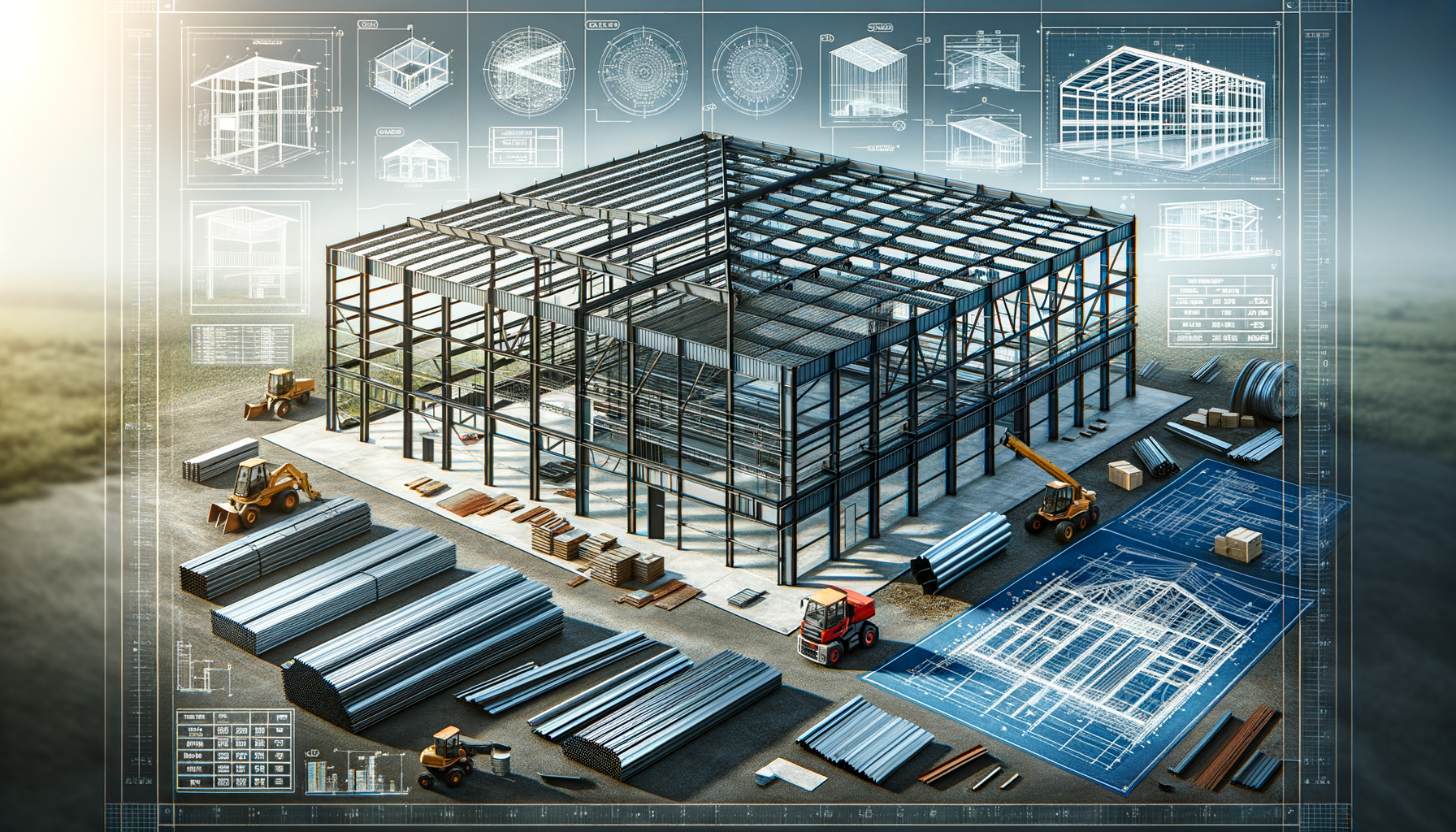
When it comes to metal buildings, size is one of the most significant determinants of cost. Small metal buildings, typically ranging from 12×20 feet to 20×30 feet, can start at around $3,000 to $5,000. These structures are ideal for personal storage or small workshops. For example, a 20×30-foot garage can provide ample space for a couple of vehicles and some tools without breaking the bank.
Medium-sized buildings, which range from 30×40 feet to 40×60 feet, generally fall within the $10,000 to $25,000 range. These buildings are suitable for larger workshops or commercial applications. A 30×50-foot barn could serve as a great space for livestock or equipment storage while still being manageable in terms of cost.
Large metal buildings, exceeding 60 feet in width or length, can range from $25,000 to well over $100,000 depending on specifications. These structures are often used for industrial purposes or large-scale agricultural operations. For instance, a 60×100-foot warehouse could serve as a distribution center or manufacturing facility. The investment in larger buildings often pays off in terms of functionality and long-term durability.
Cost Variations by Type: Steel, Aluminum, and Hybrid Metal Buildings
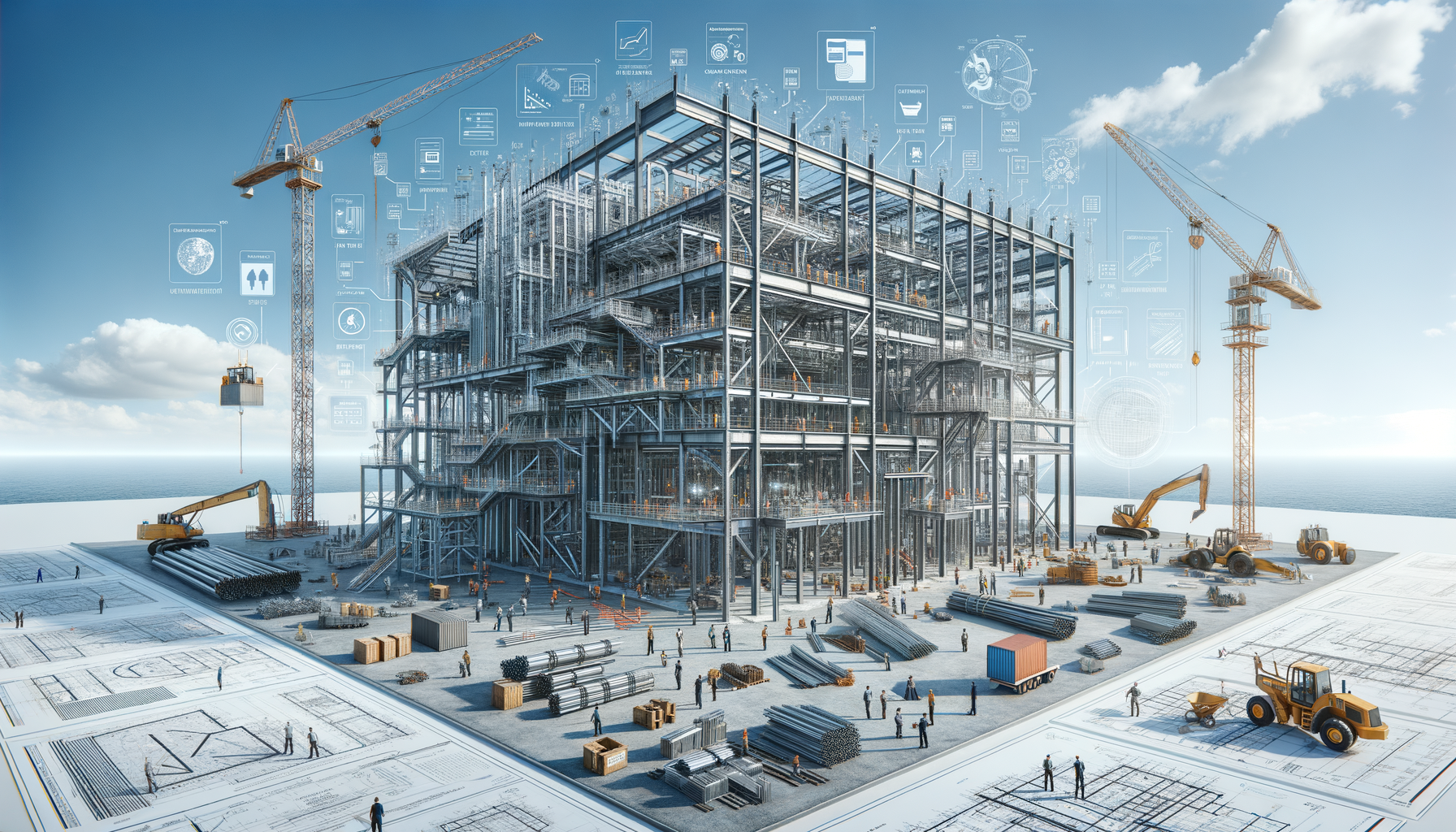
The type of metal used in construction significantly impacts pricing. Steel buildings are typically the most economical choice due to their strength and availability. A standard steel building can cost anywhere from $10 to $20 per square foot depending on the gauge of steel used and any additional features.
Aluminum buildings tend to be more expensive than their steel counterparts but offer unique advantages such as corrosion resistance and lighter weight. Prices for aluminum structures can range from $15 to $30 per square foot. This makes them an excellent choice for coastal areas where saltwater exposure is a concern.
Hybrid metal buildings combine different materials to optimize performance and cost-effectiveness. For example, a hybrid structure might use steel framing with aluminum siding. These buildings can offer a balance between durability and aesthetics but may come at a premium price point of $20 to $35 per square foot. As you consider your options, it’s essential to weigh the benefits against the costs to determine what best fits your needs.
For those considering the investment in metal buildings, the Metal Building Cost Guide (2026) provides comprehensive insights into prices based on size, type, and location, making it an invaluable resource. Additionally, if you’re looking for specific installation options in your area, you might find it helpful to explore the related article on metal carports near Payette County, Idaho, which offers detailed information on local services and pricing. This combination of resources can help you make an informed decision for your metal building project.
Location-based Pricing: Urban, Suburban, and Rural Areas
| Building Size | Building Type | Location | Cost |
|---|---|---|---|
| 1000 sq ft | Standard | Rural | XXXX |
| 2000 sq ft | Custom | Suburban | XXXX |
| 3000 sq ft | Industrial | Urban | XXXX |
Location is another critical factor that affects metal building costs. In urban areas, labor costs tend to be higher due to demand and living expenses. Additionally, urban zoning laws may impose stricter regulations that could require additional permits or engineering assessments, further driving up costs.
Suburban areas often present a middle ground in terms of pricing. While labor costs may be lower than in urban settings, they can still be influenced by proximity to major cities. It’s essential to research local contractors and suppliers to get accurate quotes based on your specific location.
Rural areas typically offer the most competitive pricing due to lower labor costs and fewer regulatory hurdles. However, sourcing materials may take longer or incur additional shipping fees if suppliers are not nearby. Understanding these location-based pricing variations will help you budget more effectively for your metal building project.
For those considering the investment in metal buildings, understanding the various factors that influence costs is essential. The Metal Building Cost Guide (2026): Prices by Size, Type & Location provides a comprehensive overview of pricing structures based on different specifications. Additionally, if you’re looking for reliable installation services, you might find it helpful to explore the article on steel building contractors near Silver Bow County, Montana, which offers insights into local professionals who can assist with your project.
Additional Costs to Consider: Permits, Site Preparation, and Insulation
Metal carports and buildings are a durable and cost-effective solution for protecting your vehicles and equipment, learn more at metal.
Beyond the base cost of the metal building itself, several additional expenses should be factored into your budget. Permits are often required for construction projects and can vary widely based on local regulations. It’s advisable to check with your local building department early in the planning process to understand what permits you’ll need and their associated costs.
Site preparation is another crucial aspect that can add to your overall expenses. Depending on the condition of your land, you may need to clear trees, level the ground, or install a foundation before construction begins. These tasks can range from a few hundred dollars for minor grading work to several thousand for extensive site preparation.
Insulation is also an important consideration if you plan to use your metal building for temperature-sensitive activities or storage. Insulation costs can vary based on the type used—fiberglass batts are generally less expensive than spray foam—but it’s an investment that can lead to significant energy savings in the long run.
Cost-saving Tips for Metal Building Construction
While constructing a metal building can be a significant investment, there are several strategies you can employ to save money without compromising quality. First, consider purchasing a pre-engineered building kit from reputable manufacturers. These kits often come with everything you need for assembly and can save you on labor costs.
Another way to cut costs is by opting for standard sizes rather than custom designs. Custom features can quickly add up in price; sticking with standard dimensions can help keep your project within budget while still meeting your needs.
Timing your purchase can also lead to savings. Many manufacturers offer discounts during off-peak seasons or promotional sales events. Additionally, consider bundling services—such as site preparation and installation—with your building purchase for potential discounts.
Financing Options for Metal Building Projects
Financing options are available for those looking to invest in metal buildings but who may not have all the funds upfront. Traditional bank loans are one option; however, they often require good credit scores and collateral. Alternatively, some manufacturers offer financing plans directly through their companies.
Another option is personal loans or home equity lines of credit (HELOCs), which can provide flexible funding solutions based on your financial situation. It’s essential to shop around for the best interest rates and terms that fit your budget.
Lastly, consider government-backed loans or grants aimed at agricultural or commercial development if applicable. Organizations like the U.S. Department of Agriculture (USDA) offer programs that may assist with financing rural development projects.
Case Studies: Real-life Examples of Metal Building Costs
To illustrate how various factors affect metal building costs, let’s look at a couple of real-life examples:
1. A homeowner in Texas decided to build a 30×40-foot steel garage for $15,000. The project included basic insulation and standard doors but no custom features. The homeowner saved money by purchasing a pre-engineered kit and handling some of the site preparation work themselves.
2. A small business owner in California opted for a 50×100-foot hybrid metal building for $75,000 as a new warehouse space. The project required extensive site preparation due to uneven terrain and included custom windows and insulation for climate control purposes.
These case studies highlight how size, location, material choice, and additional features can significantly impact overall costs.
Future Trends in Metal Building Costs
As we look ahead, several trends may influence metal building costs in the coming years. The increasing demand for sustainable construction practices is likely to drive innovation in materials and design techniques that could affect pricing structures.
Additionally, advancements in technology—such as prefabrication methods—may lead to reduced labor costs and faster construction times. As more manufacturers adopt these technologies, we could see competitive pricing emerge across the industry.
Finally, fluctuations in raw material prices due to global supply chain issues could impact overall costs as well. Staying informed about these trends will help you make better decisions regarding your metal building investments.
Conclusion and Final Thoughts on Metal Building Cost Guide
Understanding the various factors that influence metal building costs is essential for homeowners, ranch owners, business owners, and property owners alike. By considering size, material type, location-based pricing variations, additional expenses like permits and site preparation, as well as financing options available to you, you can make informed decisions that align with your budgetary constraints.
As Mike Daniels aptly puts it: “Knowledge is power when it comes to investing in metal buildings.” By arming yourself with this information and exploring case studies that reflect real-world scenarios, you’ll be better prepared to navigate the complexities of metal building construction.
In summary, whether you’re looking for a simple carport or an expansive commercial structure, this guide serves as a valuable resource in understanding what drives costs in the metal building industry today—and how you can make choices that will benefit you in the long run.
FAQs
What factors influence the cost of a metal building?
The cost of a metal building is influenced by factors such as size, type of metal building (e.g. agricultural, commercial, residential), location, customization, and additional features such as insulation and accessories.
How does the size of a metal building affect its cost?
The size of a metal building directly impacts its cost, with larger buildings generally costing more than smaller ones. The cost per square foot decreases as the size of the building increases due to economies of scale.
What are the different types of metal buildings and how do they vary in cost?
Metal buildings come in various types including agricultural, commercial, and residential. The cost varies based on the intended use and specific requirements of each type. For example, commercial buildings may require more customization and features, leading to higher costs compared to agricultural buildings.
How does location impact the cost of a metal building?
Location plays a significant role in determining the cost of a metal building. Factors such as local building codes, labor costs, and material availability can vary by location, leading to differences in overall cost.
What are some additional factors that can affect the cost of a metal building?
Additional factors that can impact the cost of a metal building include customization options, such as insulation, windows, doors, and accessories like ventilation systems and skylights. Site preparation, foundation requirements, and shipping costs can also contribute to the overall cost.