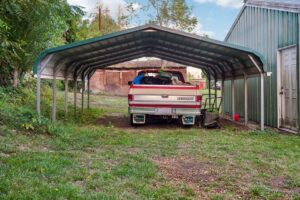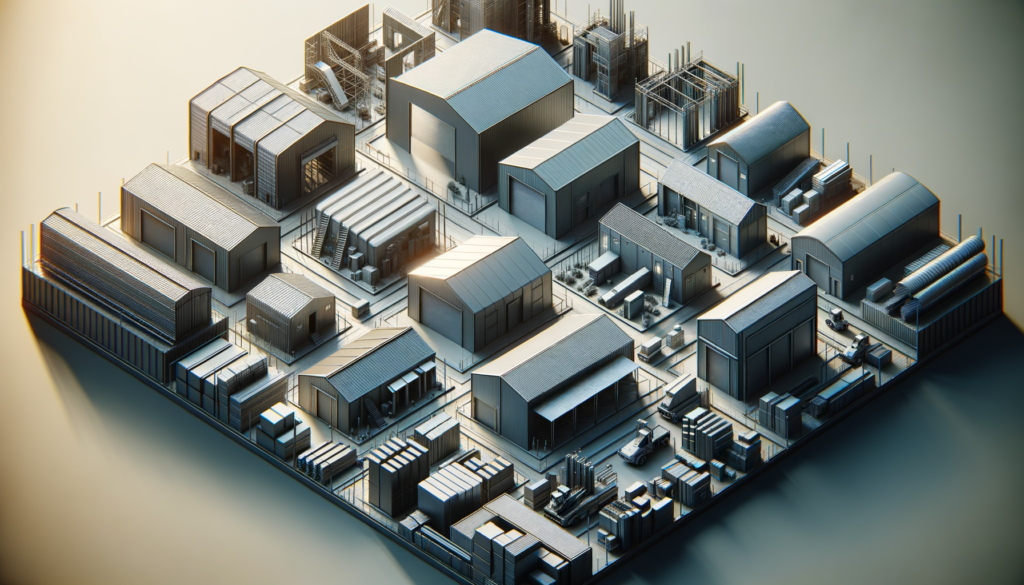
When considering a metal building for your property, one of the first factors to evaluate is the cost. Metal building kits typically offer a more budget-friendly option compared to fully installed buildings. A metal building kit can range from $3,000 to $30,000, depending on size and specifications. This price often includes the essential components such as steel frames, panels, and fasteners, but excludes labor costs. On the other hand, a fully installed building can cost significantly more, often ranging from $10,000 to $50,000 or more, depending on the complexity of the structure and local labor rates.
While the initial cost of a metal building kit may seem appealing, it’s essential to consider the total cost of ownership. Fully installed buildings come with the advantage of professional installation, which can save you time and ensure that the structure meets local building codes. Additionally, many manufacturers offer warranties on their fully installed buildings, providing peace of mind that your investment is protected. As Mike Daniels, owner of Metal Carports and Buildings, states, “Investing in a fully installed building can save you headaches down the road, especially if you’re not familiar with construction.”
When considering whether metal building kits are worth the investment compared to fully installed buildings, it’s essential to explore various factors, including cost, customization, and installation ease. A related article that delves deeper into the benefits and options available for metal structures is available at Metal Garages for Sale Near Kootenai County, ID. This resource provides insights into the different types of metal garages, their features, and how they can meet your specific needs, helping you make an informed decision.
Time and Labor Considerations
Time is a critical factor when deciding between metal building kits and fully installed structures. Metal building kits require a significant amount of time for assembly, especially if you are not experienced in construction. Depending on the size and complexity of the kit, it could take anywhere from a few days to several weeks to complete the installation. This timeframe can be extended if you encounter any issues or if weather conditions are not favorable.
In contrast, opting for a fully installed building means that you can have your structure completed in a fraction of the time. Professional installers are trained to handle the assembly efficiently and can often complete the project in just a few days. This is particularly beneficial for business owners or ranch owners who need their buildings operational quickly. Moreover, hiring professionals eliminates the need for you to manage labor and logistics, allowing you to focus on other important aspects of your property.
Customization and Design Options
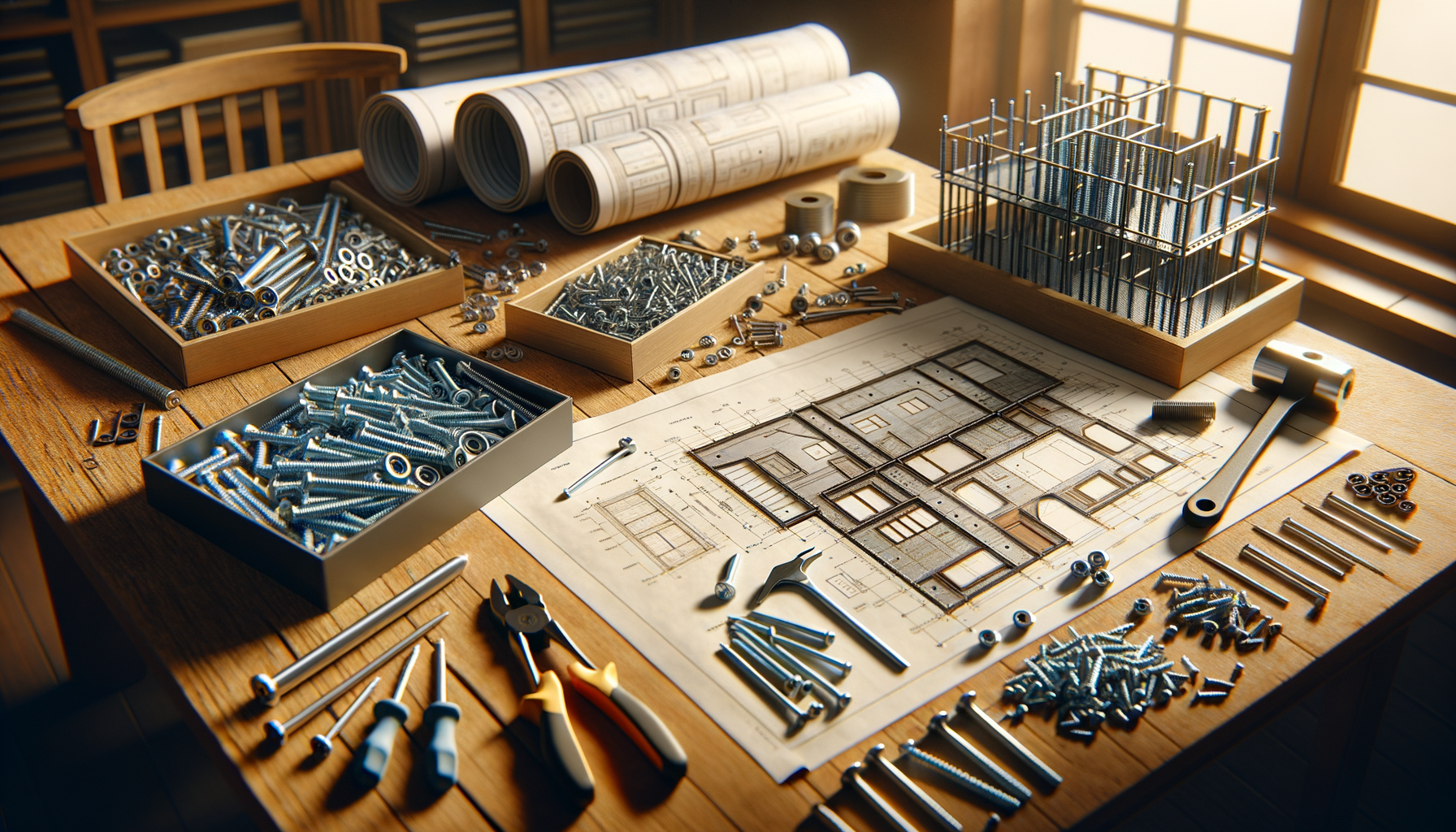
Customization is another significant consideration when choosing between metal building kits and fully installed buildings. Metal building kits often come with a range of standard designs and sizes; however, customization options may be limited unless you are willing to pay extra for modifications. This can be a drawback for homeowners or business owners who have specific needs or aesthetic preferences.
On the other hand, fully installed buildings typically offer more extensive customization options. Many manufacturers work closely with clients to design structures that meet their unique requirements, whether it’s specific dimensions, additional features like windows and doors, or even specialized finishes. This level of customization ensures that your building not only serves its intended purpose but also complements the overall look of your property. As industry experts emphasize, investing in a customized solution can enhance functionality and increase property value.
Quality and Durability
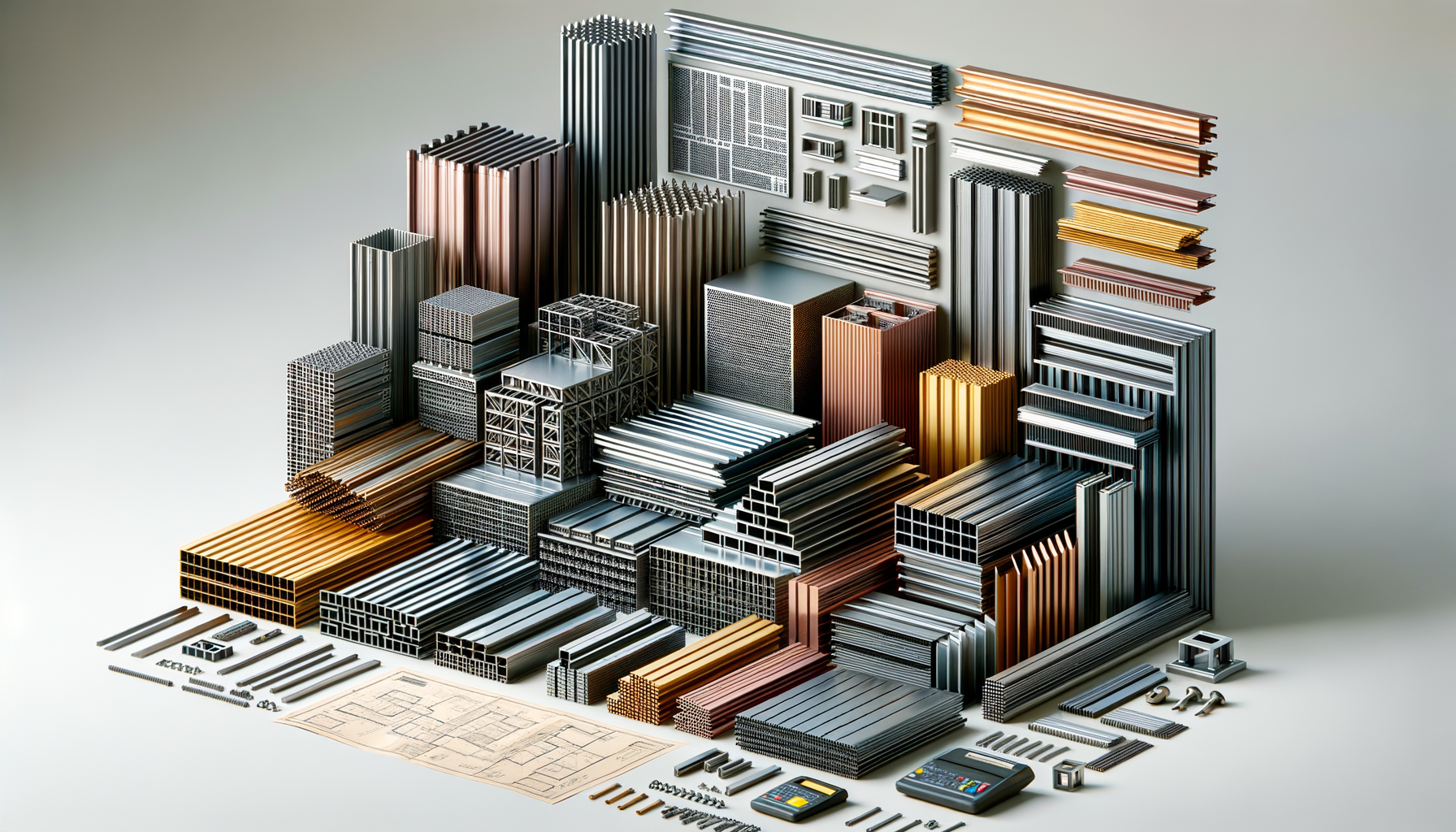
Quality and durability are paramount when investing in a metal building. Metal structures are known for their strength and longevity; however, the quality can vary significantly between kits and fully installed buildings. Metal building kits may use lower-grade materials to keep costs down, which could affect the overall durability of the structure over time.
Fully installed buildings often come with higher-quality materials and are built to meet stringent engineering standards. These buildings are designed to withstand various environmental factors such as snow loads and wind loads, ensuring they remain safe and functional for years to come. When selecting a metal building, it’s crucial to inquire about certifications and engineering specifications to ensure that your investment will stand the test of time.
When considering whether metal building kits are worth the investment compared to fully installed buildings, it’s essential to explore various factors such as cost, assembly time, and customization options. A related article that delves deeper into the benefits of different building types can be found here, which provides insights on how to choose the right structure for your needs. This resource can help you make an informed decision about whether a DIY approach or professional installation is the best fit for your project. For more information on specific building options available in your area, you might find the details on RV carports near Madison County, MT particularly useful.
Permits and Building Codes
| Factors | Metal Building Kits | Fully Installed Buildings |
|---|---|---|
| Cost | Lower initial cost, but requires DIY assembly | Higher initial cost, but includes professional installation |
| Time | Longer construction time due to DIY assembly | Shorter construction time with professional installation |
| Customization | More flexibility for customization and modifications | Limited customization options |
| Quality | Quality of construction depends on DIY skills | Assured quality with professional installation |
| Warranty | Varies by manufacturer and components | Typically comes with a warranty for installation and materials |
Navigating permits and building codes can be a daunting task for property owners. When opting for a metal building kit, you may find yourself responsible for obtaining the necessary permits and ensuring compliance with local building codes. This process can be time-consuming and may require additional costs for inspections or modifications.
In contrast, many manufacturers of fully installed buildings handle the permitting process on behalf of their clients. They are familiar with local regulations and can ensure that your structure meets all necessary codes from the outset. This not only saves you time but also reduces the risk of costly fines or required modifications down the line. It’s essential to discuss these aspects with your chosen provider to understand what is included in their service.
When considering whether metal building kits are worth it compared to fully installed buildings, it’s essential to explore various factors that can influence your decision. For instance, the level of customization, ease of assembly, and overall cost can play significant roles in determining the best option for your needs. If you’re interested in learning more about the benefits of custom metal garages and how they can fit into your specific requirements, you might find this article on custom metal garages near Rich County, UT, particularly insightful.
Warranty and Support
Metal carports and buildings are a great investment for your property, visit https://metalcarportsandbuildings.com/building-styles/ to explore different building styles.
Warranties and support are critical components of any investment in a metal building. Metal building kits often come with limited warranties that cover only specific components or defects in materials. If you encounter issues during assembly or after installation, you may find it challenging to receive adequate support from the manufacturer.
Fully installed buildings typically come with comprehensive warranties that cover both materials and workmanship. This means that if any issues arise after installation, you have recourse through the manufacturer or installer. Additionally, many companies offer ongoing support services, ensuring that you have access to assistance whenever needed. As Mike Daniels notes, “A solid warranty is an indicator of a manufacturer’s confidence in their product.”
Potential for DIY Installation
For those who enjoy hands-on projects or want to save on labor costs, DIY installation is an appealing option with metal building kits. Many kits are designed with ease of assembly in mind, often including detailed instructions and all necessary components. However, it’s important to assess your own skills and experience before embarking on such a project.
While DIY installation can be rewarding, it also comes with risks. Improper assembly can lead to structural issues down the line, potentially voiding warranties or leading to costly repairs. If you’re considering this route, ensure that you have access to tools and resources necessary for successful installation. Conversely, if you prefer peace of mind and professional quality assurance, opting for a fully installed building may be the better choice.
Long-Term Value and Resale Potential
When investing in a metal building, it’s essential to consider long-term value and resale potential. Metal buildings are generally low-maintenance and durable, making them an attractive option for future buyers. However, the initial choice between a kit or a fully installed structure can impact resale value.
Fully installed buildings often command higher resale prices due to their quality construction and compliance with local codes. Buyers are typically more willing to invest in a property that features professionally built structures over DIY installations that may raise concerns about quality or safety. As industry experts suggest, investing in a high-quality fully installed building can yield better returns when it comes time to sell your property.
Environmental Impact and Sustainability
Sustainability is becoming an increasingly important consideration for property owners today. Metal buildings are often made from recycled materials and can be designed for energy efficiency, making them an environmentally friendly choice compared to traditional wood structures.
When comparing metal building kits versus fully installed buildings, it’s essential to consider how each option aligns with your sustainability goals. Fully installed buildings may offer more opportunities for energy-efficient designs and materials that reduce environmental impact over time. Additionally, many manufacturers are committed to sustainable practices throughout their production processes.
Financing and Payment Options
Financing options can significantly influence your decision when purchasing a metal building. Metal building kits often require upfront payment in full before delivery, which may not be feasible for all buyers. Some manufacturers do offer financing options; however, these may be limited compared to those available for fully installed buildings.
Fully installed buildings typically come with more flexible financing options that allow buyers to spread payments over time or secure loans specifically designed for construction projects. This flexibility can make it easier for homeowners or business owners to invest in high-quality structures without straining their budgets.
Customer Satisfaction and Reviews
Finally, customer satisfaction is an essential aspect of any purchase decision. Researching reviews and testimonials from previous customers can provide valuable insights into the quality of both metal building kits and fully installed structures.
Many reputable manufacturers will showcase customer reviews on their websites or third-party platforms like Google Reviews or Yelp. Pay attention to feedback regarding product quality, customer service experiences, and overall satisfaction with the final product. Engaging with past customers through forums or social media can also provide additional perspectives on what you can expect from your investment.
In conclusion, whether you choose a metal building kit or a fully installed structure depends on various factors including cost, time considerations, customization options, quality assurance, permits, warranties, DIY potential, long-term value, environmental impact, financing options, and customer satisfaction. By carefully weighing these elements against your specific needs and goals as a homeowner or property owner, you can make an informed decision that aligns with your vision for your property.
For further information on metal buildings and industry standards, consider visiting organizations such as the Metal Building Manufacturers Association (MBMA) or the American Institute of Steel Construction (AISC). These resources provide valuable insights into best practices and industry trends that can help guide your decision-making process.
FAQs
1. What are the main differences between metal building kits and fully installed buildings?
Metal building kits are pre-engineered and come with all the necessary components for assembly, while fully installed buildings are constructed by professionals from start to finish.
2. What are the cost differences between metal building kits and fully installed buildings?
Metal building kits are generally more cost-effective than fully installed buildings, as they require less labor and construction time. However, fully installed buildings may offer more customization options and professional construction expertise.
3. What are the advantages of choosing a metal building kit?
Metal building kits offer cost savings, faster construction time, and the flexibility to customize the building to suit specific needs. They also provide the satisfaction of building a structure from the ground up.
4. What are the advantages of choosing a fully installed building?
Fully installed buildings offer the convenience of professional construction, potentially higher quality construction, and the ability to customize the building with professional guidance. They also save time and effort for the customer.
5. How should one decide between a metal building kit and a fully installed building?
The decision between a metal building kit and a fully installed building depends on factors such as budget, time constraints, construction expertise, and desired level of customization. Customers should weigh these factors carefully before making a decision.