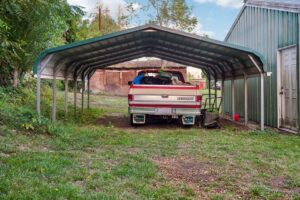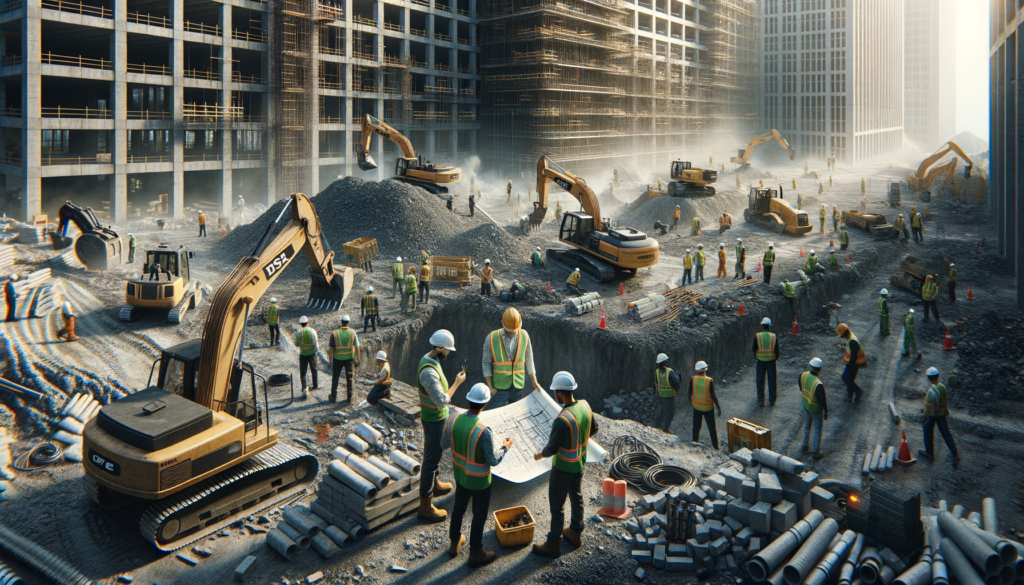
Site preparation is a critical first step in any construction project, whether you’re building a metal carport, garage, barn, or a larger steel building. Proper site preparation ensures that the structure will be stable, durable, and compliant with local regulations. It sets the foundation for everything that follows, from the installation of utilities to the final touches on your new building. As Mike Daniels, owner of Metal Carports and Buildings, emphasizes, “A well-prepared site is the backbone of any successful construction project.” Without adequate preparation, you risk costly delays, structural issues, and even safety hazards.
Moreover, site preparation involves more than just clearing the land. It encompasses a comprehensive assessment of the area where your building will be located. This includes understanding the topography, soil conditions, and environmental factors that could impact your structure. By investing time and resources into thorough site preparation, you can ensure that your building will stand the test of time and meet your specific needs.
For those interested in the intricacies of site preparation for metal buildings, a valuable resource is the article on RV covers near Blaine County, Idaho. This piece provides insights into the installation process and considerations specific to metal structures, which can complement the information found in the Complete Guide to Site Preparation for Metal Buildings. You can read more about it here: RV Covers Metal Near Blaine County, Idaho.
Clearing and Grading the Land
The first step in site preparation is clearing and grading the land. This process involves removing any vegetation, debris, or obstacles that may interfere with construction. Trees, shrubs, rocks, and old structures must be cleared away to create a clean slate for your new building. Grading is equally important; it involves leveling the ground to provide a stable base for your structure. A well-graded site helps prevent water pooling and ensures proper drainage.
When grading your land, it’s essential to consider the slope and elevation. A slight slope away from your building can help direct water runoff, reducing the risk of flooding or erosion. Additionally, grading can help create a more aesthetically pleasing landscape around your new structure. For example, if you’re building a barn on a ranch, a well-graded site can enhance the overall look of your property while ensuring functionality.
Soil Testing and Compaction
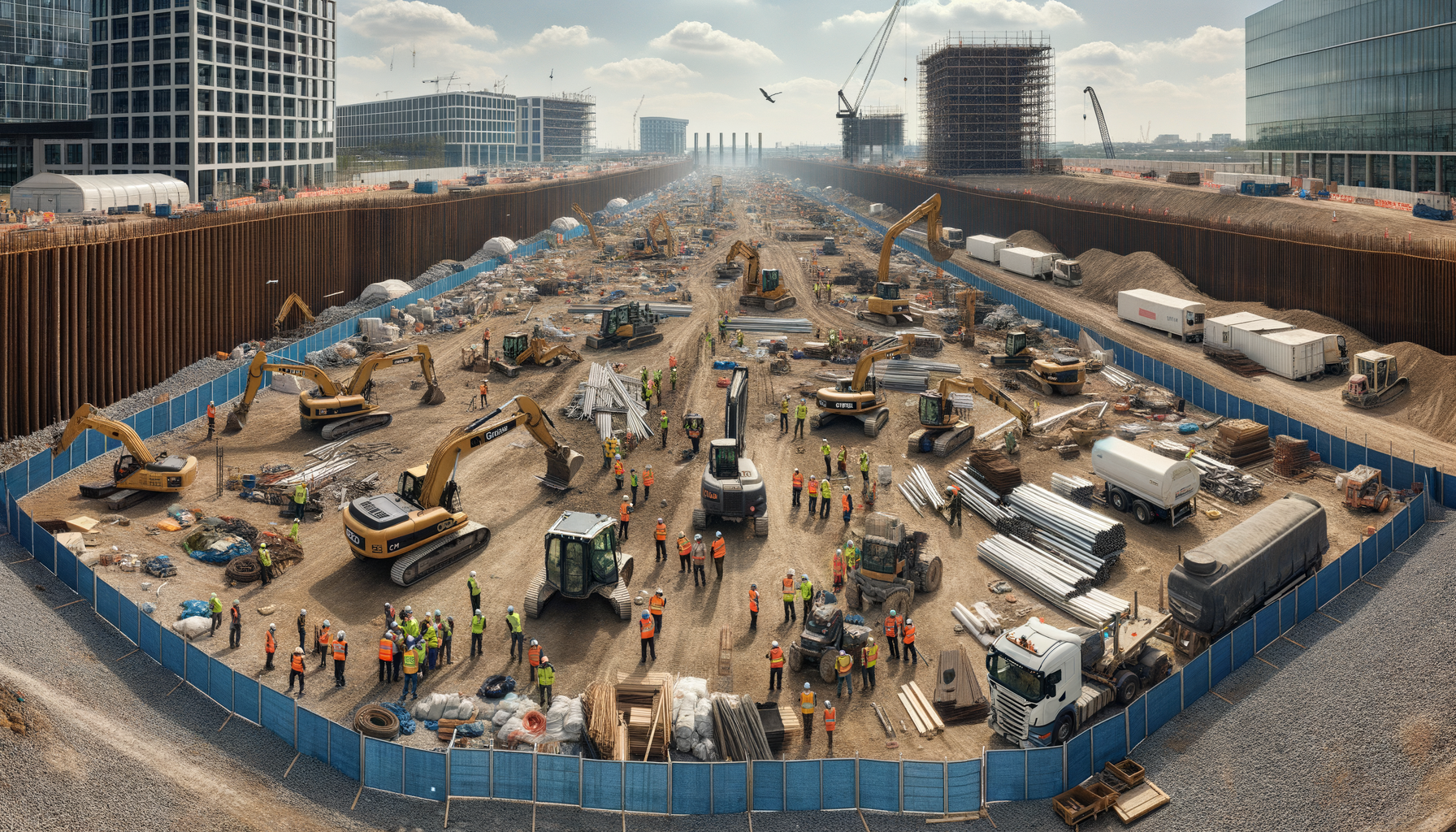
Soil testing is a crucial aspect of site preparation that often goes overlooked. Understanding the soil composition and its load-bearing capacity is vital for determining the appropriate foundation type for your building. Soil tests can reveal whether your land has clay, sand, silt, or a combination of these materials. Each type of soil behaves differently under load; for instance, clay can expand when wet and shrink when dry, which may lead to structural issues if not properly addressed.
Once you have your soil tested, compaction becomes necessary. Compaction involves compressing the soil to increase its density and load-bearing capacity. This process helps prevent settling or shifting after construction is complete. For example, if you’re planning to build an RV cover on a sandy lot, proper compaction will ensure that the structure remains stable over time. Engaging a professional for soil testing and compaction can save you from future headaches and expenses.
Drainage Considerations

Effective drainage is a fundamental aspect of site preparation that cannot be overlooked. Poor drainage can lead to water accumulation around your building, which can cause structural damage over time. When preparing your site, it’s essential to assess the natural drainage patterns in the area and implement solutions to manage water runoff effectively.
One common approach is to install drainage systems such as French drains or swales that direct water away from your building’s foundation. Additionally, grading the land to create a slope away from the structure can further enhance drainage capabilities. For instance, if you’re constructing a metal garage in an area prone to heavy rainfall, ensuring proper drainage will protect your investment and prolong its lifespan.
When planning for the construction of metal buildings, understanding the nuances of site preparation is crucial for ensuring a solid foundation and longevity of the structure. For those looking to explore related topics, an informative resource can be found in this article about metal carports in Uinta County, Wyoming, which delves into the specifics of installation and site considerations that can significantly impact the overall project.
Utility Connections
| Site Preparation Steps | Details |
|---|---|
| Clearing the Site | Removing trees, rocks, and debris from the area where the metal building will be placed. |
| Leveling the Ground | Ensuring the site is flat and level to provide a stable foundation for the metal building. |
| Grading the Site | Creating proper drainage by shaping the land to direct water away from the building. |
| Installing a Vapor Barrier | Preventing moisture from seeping into the building by laying a vapor barrier on the ground. |
| Adding a Base Material | Applying a layer of gravel or crushed stone to further support the building’s foundation. |
| Compacting the Base | Using heavy machinery to compact the base material and ensure a solid foundation. |
Before construction begins, it’s crucial to plan for utility connections such as electricity, water, and sewage systems. Understanding where these utilities are located in relation to your site will help you determine the best approach for connecting them to your new building. This planning phase is essential for avoiding costly delays during construction.
In many cases, you may need to work with local utility companies to ensure that connections are made safely and efficiently. For example, if you’re building a barn on a ranch that requires water access for livestock, coordinating with local water authorities will be necessary to establish a reliable supply. Proper utility planning not only enhances functionality but also ensures compliance with local codes and regulations.
When planning the site preparation for metal buildings, it’s essential to consider various factors that can impact the construction process and the longevity of the structure. For those looking for additional insights, you might find the article on RV carports in Coos County, Oregon particularly useful, as it discusses site selection and preparation specific to that region. You can read more about it in this related article. Understanding these elements can help ensure a successful installation and optimal performance of your metal building.
Foundation Options
Metal carports and buildings are a great investment for your property, visit https://metalcarportsandbuildings.com/building-styles/ to explore different building styles.
Choosing the right foundation is one of the most critical decisions you’ll make during site preparation. The foundation type will depend on various factors such as soil conditions, building size, and local climate. Common foundation options include concrete slabs, pier foundations, and crawl spaces.
A concrete slab is often preferred for metal buildings due to its durability and ease of installation. However, if you’re in an area with expansive clay soils or high water tables, a pier foundation may be more suitable as it elevates the structure above potential moisture issues. For example, if you’re constructing an RV cover in a flood-prone area, opting for a pier foundation can provide added protection against water damage.
Permits and Regulations
Navigating permits and regulations is an essential part of site preparation that can significantly impact your project timeline and budget. Before breaking ground on your new building, it’s crucial to research local zoning laws and obtain any necessary permits from municipal authorities. These regulations often dictate aspects such as building height, setbacks from property lines, and land use.
Failing to secure the proper permits can lead to fines or even forced removal of your structure after construction is complete. Therefore, it’s advisable to consult with local building officials or hire a contractor familiar with local regulations to ensure compliance throughout the process. As Mike Daniels notes, “Understanding local codes is just as important as choosing the right materials.”
Environmental Considerations
Environmental considerations play a significant role in site preparation and should not be overlooked. Factors such as wildlife habitats, wetlands, and protected areas can influence where and how you build. Conducting an environmental assessment can help identify any potential issues before construction begins.
For instance, if your property is near a wetland area, you may need to implement specific measures to protect local ecosystems during construction. Additionally, considering sustainable practices such as using eco-friendly materials or implementing rainwater harvesting systems can enhance your project’s environmental impact positively.
Access and Entry Points
Planning for access and entry points is another vital aspect of site preparation that affects both functionality and safety. Consider how vehicles will enter and exit the property during construction and after completion. Adequate access roads should be established to facilitate transportation of materials and equipment.
Furthermore, think about how you want visitors or customers to access your new building once it’s completed. For example, if you’re constructing a commercial steel building for your business, ensuring easy access for customers can enhance their experience and improve foot traffic.
Security and Safety Measures
Security and safety measures should be integrated into your site preparation plan from the outset. This includes assessing potential risks such as theft or vandalism during construction and implementing strategies to mitigate these risks. Installing temporary fencing around the construction site can deter unauthorized access while keeping workers safe.
Additionally, consider long-term security measures for your completed structure. This may involve installing surveillance cameras or alarm systems to protect valuable equipment stored in garages or barns. As Mike Daniels advises, “Investing in security measures upfront can save you significant costs down the line.”
Final Inspections and Site Readiness
Once all preparations are complete, conducting final inspections is essential before construction begins. This step ensures that all aspects of site preparation meet local codes and regulations while confirming that utilities are properly connected and functional.
After passing inspections, you can confidently move forward with construction knowing that your site is ready for the next phase of development. A well-prepared site not only enhances safety but also contributes to the overall success of your project.
In conclusion, thorough site preparation is fundamental for any construction project involving metal carports, garages, barns, or steel buildings. By focusing on clearing and grading land, soil testing and compaction, drainage considerations, utility connections, foundation options, permits and regulations, environmental considerations, access points, security measures, and final inspections, you set yourself up for success in creating a durable structure that meets all your needs.
### FAQ
1. **What is the first step in site preparation?**
The first step is clearing and grading the land to create a stable base for construction.
2. **Why is soil testing important?**
Soil testing helps determine load-bearing capacity and informs foundation choices.
3. **What are common foundation options?**
Common options include concrete slabs, pier foundations, and crawl spaces.
4. **Do I need permits for my construction project?**
Yes, obtaining necessary permits ensures compliance with local regulations.
5. **How can I ensure proper drainage?**
Implementing drainage systems like French drains or grading land away from structures can help manage water runoff effectively.
By following these guidelines and considering each aspect of site preparation carefully, you can ensure that your construction project proceeds smoothly while meeting all necessary requirements.
FAQs
1. What is site preparation for metal buildings?
Site preparation for metal buildings involves the process of clearing and leveling the construction site, ensuring proper drainage, and preparing the foundation for the metal building to be erected.
2. What are the steps involved in site preparation for metal buildings?
The steps involved in site preparation for metal buildings include clearing the site of any vegetation or debris, grading the land to ensure proper drainage, compacting the soil, and constructing a suitable foundation for the metal building.
3. Why is site preparation important for metal buildings?
Proper site preparation is important for metal buildings as it ensures a stable and level foundation, prevents water damage, and allows for proper installation of the metal building components. It also helps to extend the lifespan of the building.
4. What are the common challenges in site preparation for metal buildings?
Common challenges in site preparation for metal buildings include dealing with uneven terrain, addressing poor soil conditions, and ensuring proper drainage. Additionally, environmental factors such as local regulations and permits may also pose challenges.
5. How can I ensure proper site preparation for my metal building?
To ensure proper site preparation for a metal building, it is important to consult with a professional contractor or engineer who has experience in metal building construction. They can assess the site, address any potential challenges, and develop a plan for proper site preparation.