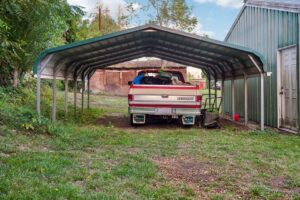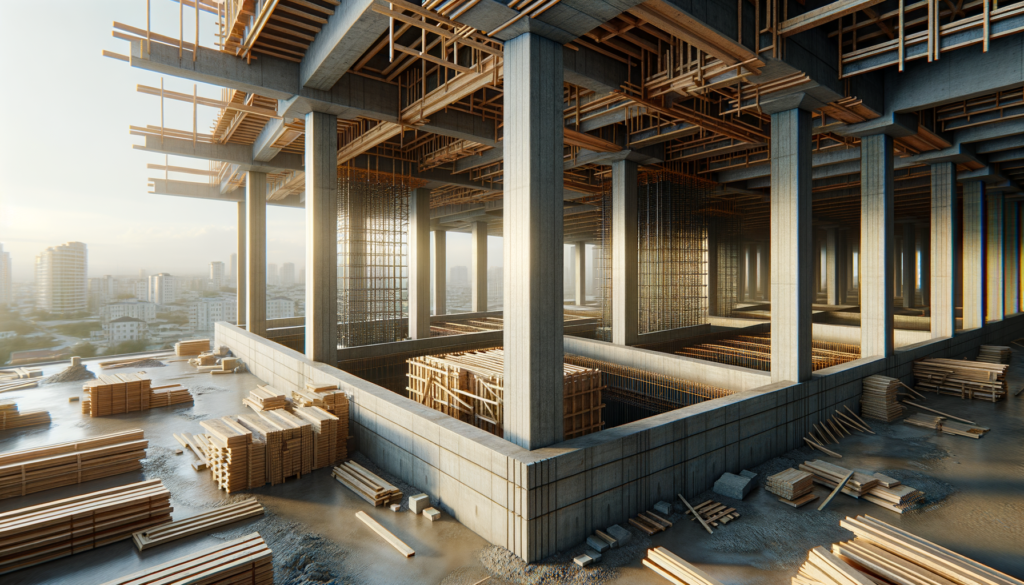
When it comes to pre-engineered metal buildings, the foundation is not just an afterthought; it is a critical component that ensures the structural integrity and longevity of the entire structure. A solid foundation provides stability, supports the weight of the building, and helps resist environmental forces such as wind and snow loads. Without a proper foundation, even the most well-designed metal building can suffer from issues like settling, shifting, or even catastrophic failure.
The foundation serves as the interface between the building and the ground, making it essential for load distribution. It is crucial to understand that different types of foundations can significantly affect the performance and durability of your metal building. Whether you opt for a concrete or gravel foundation, each has its unique benefits and considerations that can impact your investment in the long run.
When considering the best foundation for a pre-engineered metal building, it’s essential to weigh the pros and cons of different materials, such as concrete and gravel. For those looking to explore more about the installation of metal structures and the various options available, you can read a related article that discusses the specifics of metal barns and their foundations in Kittitas County, WA. This resource provides valuable insights into local installation practices and can help you make an informed decision. For more information, visit this link.
The Benefits of Concrete Foundation for Pre-Engineered Metal Buildings
Concrete foundations are often regarded as the gold standard for pre-engineered metal buildings due to their strength and durability. One of the primary benefits of a concrete foundation is its ability to withstand heavy loads. This is particularly important for larger structures or those located in areas with high snow loads or strong winds. A concrete slab can effectively distribute weight across a wider area, reducing the risk of settling or cracking over time.
Moreover, concrete foundations offer excellent resistance to moisture and pests. Unlike wood or other organic materials, concrete does not rot or attract termites, making it a more reliable choice for long-term use. This durability translates into lower maintenance costs and fewer repairs over the lifespan of your building. As Mike Daniels, owner of Metal Carports and Buildings, states, “Investing in a solid concrete foundation is investing in the future of your building.”
The Advantages of Gravel Foundation for Pre-Engineered Metal Buildings

On the other hand, gravel foundations present a cost-effective alternative for pre-engineered metal buildings. One of the most significant advantages of a gravel foundation is its ease of installation. Gravel can be laid down quickly and requires less labor compared to pouring concrete. This can lead to reduced construction timelines and lower initial costs, making it an attractive option for budget-conscious property owners.
Additionally, gravel foundations provide excellent drainage capabilities. Water can easily flow through the gravel, reducing the risk of pooling and subsequent water damage to your building. This feature is particularly beneficial in areas prone to heavy rainfall or flooding. However, it’s essential to ensure that the gravel is properly compacted and leveled to maintain stability over time.
The Durability of Concrete Foundation for Pre-Engineered Metal Buildings
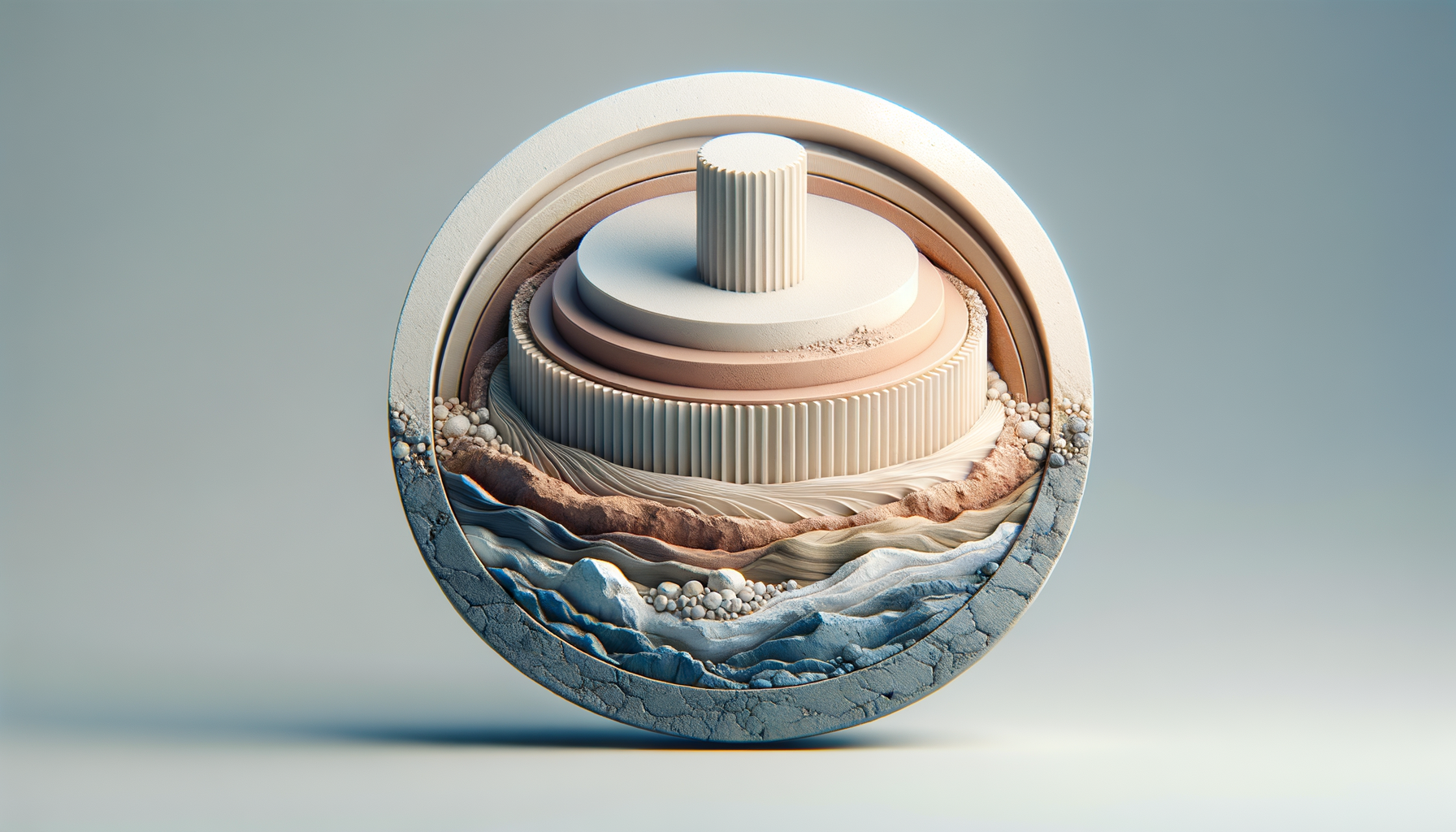
Concrete foundations are renowned for their durability, which is one of the primary reasons they are favored in construction. A well-constructed concrete foundation can last for decades, if not longer, with minimal signs of wear and tear. This longevity is particularly advantageous for property owners who want to avoid frequent repairs or replacements.
Moreover, concrete’s resistance to environmental factors such as extreme temperatures and moisture makes it an ideal choice for various climates. In regions with heavy snowfall or high winds, a concrete foundation can provide the necessary support to withstand these forces without compromising structural integrity. This durability not only enhances safety but also contributes to the overall value of your property.
When considering the best foundation for a pre-engineered metal building, it’s essential to weigh the pros and cons of different materials, such as concrete and gravel. Each option offers unique benefits that can impact the durability and stability of your structure. For a deeper understanding of the installation process and to find local experts who can assist you with your project, you can explore this informative article on metal building installers near Park County, Montana. This resource can guide you in making the right choice for your foundation needs.
The Cost-Effectiveness of Gravel Foundation for Pre-Engineered Metal Buildings
| Foundation Type | Concrete | Gravel |
|---|---|---|
| Cost | Higher initial cost | Lower initial cost |
| Installation Time | Longer installation time | Shorter installation time |
| Strength | Higher strength | Lower strength |
| Maintenance | Low maintenance | Regular maintenance required |
| Environmental Impact | Higher environmental impact | Lower environmental impact |
While concrete foundations offer numerous benefits, gravel foundations can be more cost-effective in certain situations. The initial investment for a gravel foundation is typically lower than that of a concrete slab, making it an appealing option for those looking to save on upfront costs. Additionally, because gravel foundations are easier and quicker to install, property owners can save on labor costs as well.
However, it’s essential to consider long-term expenses when evaluating cost-effectiveness. While gravel may be cheaper initially, it may require more maintenance over time compared to a concrete foundation. For instance, periodic replenishment of gravel may be necessary to maintain stability and drainage capabilities. Therefore, property owners should weigh both initial costs and long-term maintenance when deciding on a foundation type.
When considering the best foundation for a pre-engineered metal building, it’s essential to weigh the pros and cons of different materials, such as concrete and gravel. For a deeper understanding of how these foundations can impact the longevity and stability of your structure, you might find it helpful to read this related article on pre-engineered metal buildings in Douglas County, Washington. This resource provides valuable insights that can aid in your decision-making process. You can access the article [here](https://metalcarportsandbuildings.com/installationcounties/pre-engineered-metal-buildings-near-douglas-county-washington/).
The Structural Integrity of Concrete Foundation for Pre-Engineered Metal Buildings
Metal carports and buildings are a great investment for your property, visit https://metalcarportsandbuildings.com/building-styles/ to explore different building styles.
The structural integrity provided by a concrete foundation cannot be overstated. Concrete’s compressive strength allows it to support heavy loads without buckling or cracking under pressure. This characteristic is particularly important for pre-engineered metal buildings that may house heavy equipment or machinery.
Furthermore, concrete foundations can be engineered to meet specific load requirements based on local building codes and environmental conditions. This level of customization ensures that your building will remain stable and secure throughout its lifespan. As industry experts emphasize, “A well-engineered foundation is the backbone of any successful construction project.”
The Ease of Installation of Gravel Foundation for Pre-Engineered Metal Buildings
One of the standout features of gravel foundations is their ease of installation. Unlike concrete, which requires careful mixing and pouring, gravel can be spread quickly with minimal equipment. This simplicity allows for faster project completion times, which can be particularly beneficial for business owners looking to minimize downtime.
Additionally, gravel foundations do not require extensive site preparation compared to concrete options. In many cases, existing soil can be used as a base after proper compaction, further reducing labor costs and time spent on site preparation. However, it’s crucial to ensure that the gravel is adequately compacted to prevent settling over time.
The Longevity of Concrete Foundation for Pre-Engineered Metal Buildings
When considering longevity, concrete foundations have a clear advantage over gravel options. A well-constructed concrete slab can last 30 years or more with minimal maintenance required. This longevity makes concrete an attractive option for property owners who want a long-term solution without frequent repairs or replacements.
Moreover, advancements in concrete technology have led to the development of high-performance mixes that enhance durability even further. These modern formulations can withstand extreme weather conditions and resist cracking better than traditional mixes. As Mike Daniels notes, “Choosing a high-quality concrete mix can significantly extend the life of your foundation.”
The Environmental Impact of Gravel Foundation for Pre-Engineered Metal Buildings
While both concrete and gravel foundations have their merits, it’s essential to consider their environmental impact as well. Gravel foundations are often viewed as more environmentally friendly due to their natural composition and ability to promote drainage. Properly installed gravel allows rainwater to percolate through the ground rather than pooling around your building, which can help mitigate erosion and water damage.
However, sourcing gravel can have environmental implications depending on how it is extracted and transported. It’s crucial to choose suppliers who prioritize sustainable practices in their operations. On the other hand, concrete production is energy-intensive and contributes to carbon emissions; however, using recycled materials in concrete mixes can help offset some environmental concerns.
The Maintenance Requirements of Concrete Foundation for Pre-Engineered Metal Buildings
Concrete foundations require relatively low maintenance compared to other options but are not entirely maintenance-free. Regular inspections are essential to identify any cracks or signs of wear early on. Sealing cracks promptly can prevent water infiltration and further damage over time.
In contrast, gravel foundations may require more frequent upkeep due to shifting or settling over time. Property owners should periodically check the levelness of the gravel and replenish it as needed to maintain stability and drainage capabilities. While gravel may be easier to install initially, ongoing maintenance should be factored into your decision-making process.
Choosing the Best Foundation for Your Pre-Engineered Metal Building
In conclusion, selecting the right foundation for your pre-engineered metal building is a critical decision that will impact its performance and longevity. Concrete foundations offer unparalleled durability and structural integrity but come with higher initial costs and maintenance requirements. Conversely, gravel foundations provide a cost-effective solution with easier installation but may require more upkeep over time.
Ultimately, your choice should align with your specific needs, budget constraints, and local environmental conditions. Consulting with industry experts and local building codes will help you make an informed decision that ensures your investment stands the test of time. Whether you choose concrete or gravel, understanding the implications of your choice will lead you toward a successful construction project that meets your expectations for years to come.
For further information on best practices in foundation construction, consider visiting organizations like the American Concrete Institute (ACI) or the National Association of Home Builders (NAHB). These resources provide valuable insights into industry standards and guidelines that can help you make informed decisions about your pre-engineered metal building project.
FAQs
1. What are the advantages of using concrete as a foundation for a pre-engineered metal building?
Concrete foundations provide a strong and durable base for the metal building, offering excellent support and stability. They are resistant to moisture and can withstand heavy loads, making them ideal for long-term use.
2. What are the benefits of using gravel as a foundation for a pre-engineered metal building?
Gravel foundations are cost-effective and easy to install, making them a popular choice for smaller metal buildings or temporary structures. They also provide good drainage and can be easily adjusted to create a level surface.
3. What factors should be considered when choosing between concrete and gravel for a metal building foundation?
Considerations include the size and intended use of the building, the local climate and soil conditions, budget constraints, and the desired longevity of the foundation. Concrete may be more suitable for larger, permanent structures, while gravel may be sufficient for smaller, temporary buildings.
4. Are there any drawbacks to using concrete as a foundation for a pre-engineered metal building?
Concrete foundations can be more expensive and time-consuming to install compared to gravel. They also require professional expertise and equipment for proper installation, which may add to the overall cost.
5. Are there any drawbacks to using gravel as a foundation for a pre-engineered metal building?
Gravel foundations may not provide the same level of stability and load-bearing capacity as concrete, and they may require more frequent maintenance to ensure proper compaction and leveling. Additionally, they may not be suitable for larger or permanent structures.