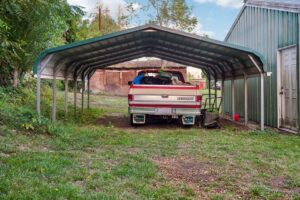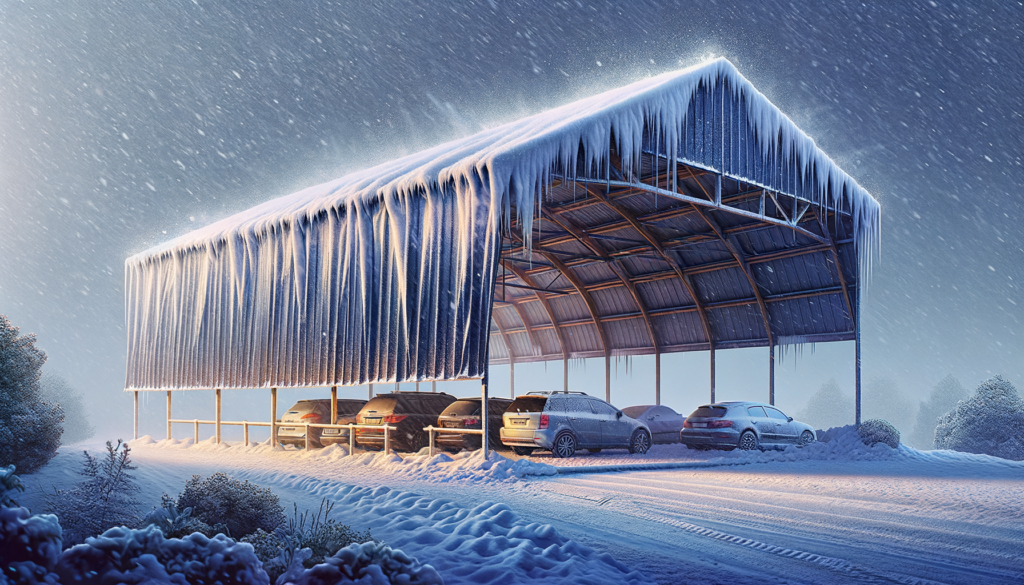
When it comes to constructing a metal building, understanding snow loads is crucial. Snow load refers to the weight of snow that accumulates on a structure’s roof. This weight can vary significantly based on geographic location, climate conditions, and the design of the building itself. The snow load is typically measured in pounds per square foot (psf) and is influenced by factors such as the type of snow (wet or dry), the slope of the roof, and the duration of snow accumulation. For instance, a flat roof may accumulate more snow than a pitched roof, leading to higher snow loads.
In many regions, building codes dictate the minimum snow load requirements for structures. These codes are designed to ensure that buildings can withstand the weight of snow without compromising structural integrity. Homeowners, ranchers, and property owners should familiarize themselves with these codes to ensure their metal buildings are adequately designed to handle local snow loads. Consulting with a professional engineer or a reputable metal building supplier can provide valuable insights into the specific snow load requirements for your area.
When considering the purchase of a metal building, it’s crucial to assess the snow load requirements for your specific location to avoid potential structural issues. Failing to do so can lead to costly repairs or even catastrophic failures during heavy snowfall. For more insights on the importance of understanding local building requirements, you can read a related article on pre-engineered metal buildings in Mineral County, MT, which highlights the significance of proper installation and adherence to local regulations. Check it out here: Pre-Engineered Metal Buildings in Mineral County, MT.
Importance of Checking Snow Loads Before Purchasing a Metal Building
Before investing in a metal building, it’s essential to check the snow load specifications. This step is not just a formality; it’s a critical aspect of ensuring the safety and longevity of your investment. By understanding the snow load requirements for your area, you can select a building that meets or exceeds these standards. This proactive approach can save you from potential headaches down the line, including structural failures or costly repairs.
Additionally, many manufacturers offer customizable options that allow you to adjust the design of your metal building to accommodate higher snow loads. For example, if you live in an area prone to heavy snowfall, you might consider opting for a steeper roof pitch or reinforced structural components. By addressing these factors upfront, you can ensure that your metal building is not only compliant with local regulations but also tailored to withstand the specific challenges posed by your environment.
Potential Risks of Ignoring Snow Loads
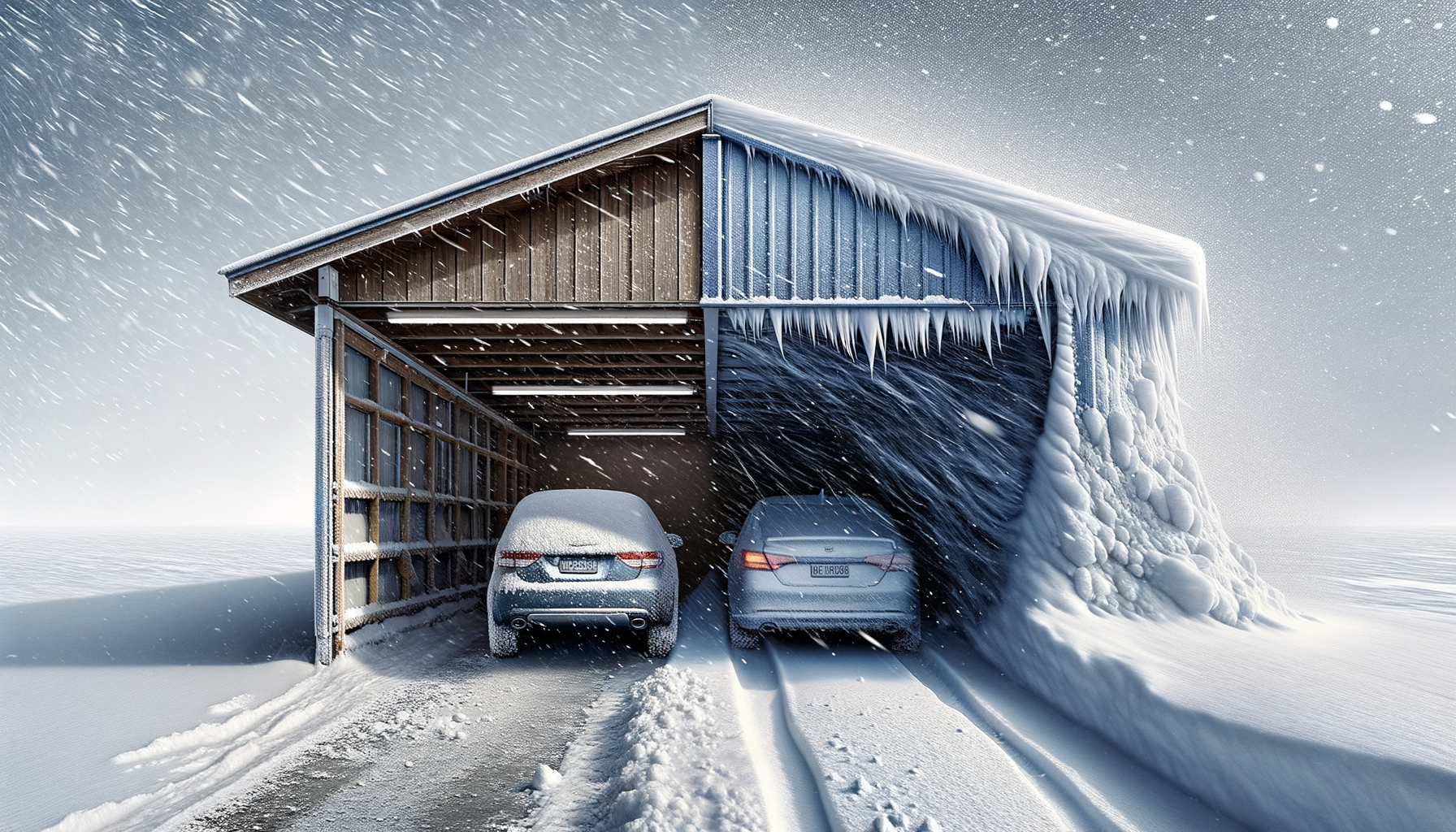
Ignoring snow load considerations when purchasing a metal building can lead to significant risks. One of the most immediate concerns is structural failure. If a building is not designed to handle the weight of accumulated snow, it may experience sagging roofs or even collapse under pressure. This risk is particularly pronounced in regions that experience heavy snowfall or rapid temperature fluctuations that can lead to ice formation.
Moreover, neglecting snow load requirements can result in costly repairs and maintenance issues. A building that suffers from structural damage due to inadequate snow load capacity may require extensive renovations or even complete replacement. This not only incurs financial costs but also disrupts your operations, whether you’re using the building for storage, as a workshop, or for other purposes.
Structural Damage Caused by Excessive Snow Loads
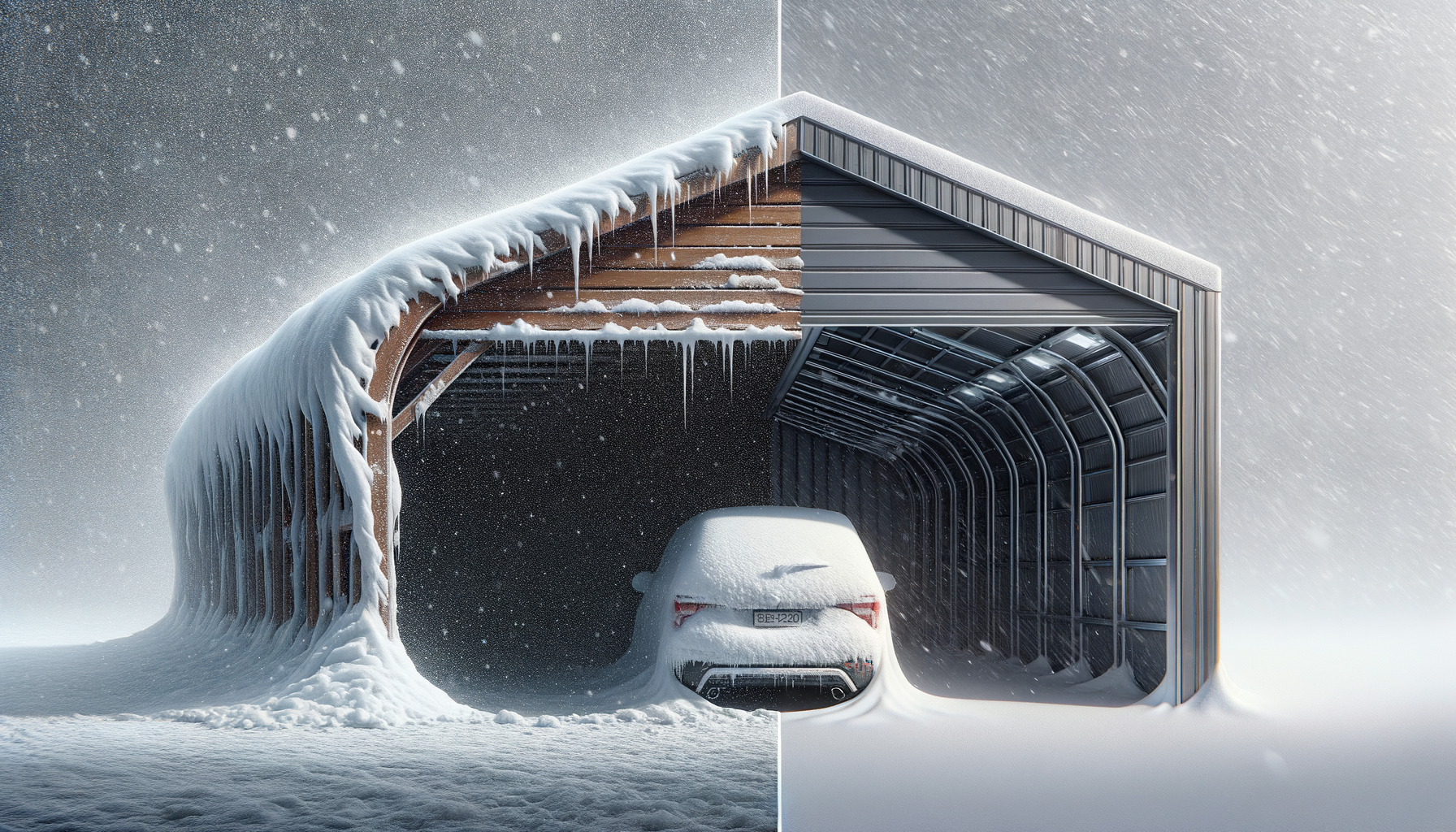
Excessive snow loads can lead to various forms of structural damage in metal buildings. One common issue is roof sagging, which occurs when the weight of accumulated snow exceeds the design capacity of the roof structure. Over time, this sagging can lead to cracks in walls and ceilings, compromised insulation, and even water leaks as the roof begins to fail.
In more severe cases, excessive snow loads can cause catastrophic failures such as roof collapses. This is particularly dangerous for buildings that house valuable equipment or livestock. For instance, ranchers who rely on barns for sheltering animals must ensure that their structures can withstand local snow loads to prevent tragic outcomes. Regular inspections and maintenance are essential to identify any signs of stress or damage before they escalate into more significant problems.
When considering the purchase of a metal building, it’s crucial to understand the implications of not checking snow loads, as it can lead to structural issues and costly repairs. For those looking to ensure their metal structures are built to withstand local weather conditions, exploring related topics can be beneficial. For instance, you might find valuable insights in an article about RV carports near Boise County, which discusses installation considerations and the importance of local regulations. You can read more about it here.
Safety Concerns for Occupants and Contents
| Consequences of Buying a Metal Building Without Checking Snow Loads |
|---|
| Roof collapse due to excessive snow accumulation |
| Structural damage to the building |
| Safety hazards for occupants and nearby individuals |
| Potential legal and financial liabilities |
| Costly repairs and reconstruction |
The safety of occupants and stored contents is paramount when considering snow loads in metal buildings. A structure that cannot support the weight of accumulated snow poses a direct threat to anyone inside or near it. In addition to potential injuries from falling debris, there are risks associated with trapped occupants if a roof collapses unexpectedly.
Furthermore, valuable contents such as machinery, tools, or livestock can be at risk if a building fails due to inadequate snow load capacity. For example, if a workshop collapses under heavy snow, not only could tools be damaged beyond repair, but there could also be significant financial losses for the owner. Ensuring that your metal building meets or exceeds local snow load requirements is essential for protecting both people and property.
When considering the purchase of a metal building, it’s crucial to understand the implications of not checking snow loads, as this can lead to structural issues and costly repairs. For those looking to explore more about the installation of steel structures in specific regions, a related article provides valuable insights into the options available in Goshen County, Wyoming. You can read more about it in this informative guide that highlights local considerations and best practices for ensuring your building meets the necessary requirements.
Legal and Insurance Implications
Sure, here is the sentence with the clickable link:
Please visit our website to Request a Free No Obligation Quote: https://metalcarportsandbuildings.com/contact
Failing to adhere to local building codes regarding snow loads can have legal implications for property owners. If a structure collapses due to inadequate design, owners may face liability issues, especially if injuries occur or if damage affects neighboring properties. Local authorities may impose fines or require costly modifications to bring non-compliant structures up to code.
Insurance companies also take snow load compliance seriously. If a claim arises from structural failure due to inadequate snow load capacity, insurers may deny coverage based on non-compliance with building codes. This could leave property owners facing significant out-of-pocket expenses for repairs or replacements. Therefore, ensuring compliance with local regulations not only protects your investment but also safeguards you from potential legal and financial repercussions.
Cost of Retrofitting or Replacing Inadequate Metal Buildings
If you discover that your metal building does not meet the necessary snow load requirements after purchase, retrofitting or replacing it can be an expensive endeavor. Retrofitting involves reinforcing existing structures to improve their load-bearing capacity, which may include adding support beams or modifying roof designs. While this can be a viable solution, it often comes with high costs and may not always be feasible depending on the extent of the required modifications.
In some cases, replacing an inadequate building may be more cost-effective than retrofitting it. However, this option involves significant expenses related to demolition, site preparation, and construction of a new structure that meets current standards. Property owners should weigh these costs against the potential risks of maintaining an inadequate building and consider investing in a properly designed metal structure from the outset.
Impact on Building’s Longevity and Durability
The longevity and durability of a metal building are directly influenced by its ability to handle local snow loads effectively. A structure designed with adequate snow load capacity will experience less stress over time, leading to fewer maintenance issues and extending its lifespan. Conversely, buildings that are not built to withstand expected snow loads may suffer from accelerated wear and tear.
For example, metal buildings with insufficient support may develop rust or corrosion more quickly due to moisture accumulation from melting snow or ice. Additionally, frequent repairs due to structural damage can lead to increased costs over time and diminish the overall value of the property. Investing in a well-designed metal building that meets local snow load requirements is essential for ensuring long-term durability and minimizing future expenses.
Considerations for Different Geographic Locations and Climate Conditions
Geographic location plays a significant role in determining the appropriate snow load requirements for metal buildings. Areas with heavy snowfall or extreme winter weather conditions necessitate more robust designs compared to regions with milder climates. For instance, buildings in mountainous areas may need to accommodate higher snow loads due to increased snowfall rates and wind patterns.
Additionally, climate conditions such as temperature fluctuations can impact how snow accumulates on roofs. In regions where temperatures rise and fall rapidly, ice dams may form on roofs, leading to additional weight and potential structural issues. Property owners should consider these factors when selecting a metal building and consult with professionals who understand local climate conditions and their implications for design.
Importance of Professional Assessment and Engineering
Engaging professionals for assessment and engineering is crucial when planning a metal building project. Experienced engineers can evaluate your site’s specific conditions and provide recommendations tailored to your needs. They will consider factors such as soil type, drainage patterns, and local weather data to ensure that your building is designed appropriately for its intended use.
Moreover, working with reputable manufacturers who offer engineering services can provide peace of mind that your structure will meet all necessary codes and standards. These professionals can help you navigate complex regulations related to snow loads and ensure that your investment is sound from both a safety and financial perspective.
Steps to Take if You Discover Inadequate Snow Loads After Purchase
If you find out that your metal building does not meet adequate snow load requirements after purchase, it’s essential to take immediate action. First, consult with a structural engineer who can assess the situation and recommend appropriate solutions—whether that involves retrofitting or replacing components of the structure.
Next, contact your manufacturer or supplier for guidance on available options for addressing inadequate snow loads. Many reputable companies offer support in these situations and may provide solutions tailored to your specific needs. Finally, consider reaching out to local authorities regarding compliance issues; they may offer resources or assistance in bringing your building up to code.
In conclusion, understanding snow loads is vital for anyone considering a metal building investment. By prioritizing this aspect during planning and construction phases, property owners can protect their investments while ensuring safety and compliance with local regulations. For those looking for reliable information on metal buildings tailored to their needs, visit [Metal Carports and Buildings](https://metalcarportsandbuildings.com/) today for a free no-obligation quote at (435) 250-4446!
FAQs
1. What are snow loads and why are they important when buying a metal building?
Snow loads refer to the weight of snow that a building’s roof must be able to support. It is important to consider snow loads when buying a metal building to ensure that the structure can withstand the weight of snow accumulation in the area where it will be installed.
2. What happens if you buy a metal building without checking snow loads?
If you buy a metal building without checking snow loads, you run the risk of the building not being able to support the weight of snow accumulation. This can lead to structural damage, roof collapse, and potential safety hazards for anyone inside the building.
3. How can I determine the snow loads for my area when buying a metal building?
You can determine the snow loads for your area by consulting local building codes, contacting a structural engineer, or using online resources provided by organizations such as the American Society of Civil Engineers (ASCE) or the International Building Code (IBC).
4. What are the consequences of not meeting snow load requirements for a metal building?
Not meeting snow load requirements for a metal building can result in structural failure, damage to property, and potential injury or loss of life. It can also lead to legal and financial liabilities if the building does not meet local building codes and regulations.
5. How can I ensure that the metal building I purchase meets snow load requirements?
To ensure that the metal building you purchase meets snow load requirements, work with a reputable manufacturer or supplier who can provide engineering calculations and certifications for the building’s snow load capacity. It is also important to consult with a structural engineer to verify that the building meets local building codes and regulations.