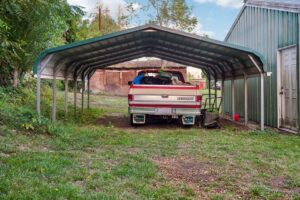
When it comes to selecting a metal carport, understanding wind ratings is crucial for homeowners and property owners, especially in regions like Texas where wind conditions can vary significantly. Wind ratings indicate the structure’s ability to withstand wind pressure, which is essential for ensuring the safety and longevity of your investment. These ratings are typically expressed in terms of miles per hour (mph) and are determined by various factors, including the design of the carport, the materials used, and the specific wind load requirements of the area.
Wind ratings are not just arbitrary numbers; they are based on rigorous testing and engineering standards. For instance, a carport rated for 90 mph winds is designed to endure sustained winds of that speed without structural failure. This is particularly important in Texas, where severe weather events, including hurricanes and tornadoes, can produce high winds that pose a risk to inadequately rated structures. Understanding these ratings helps you make informed decisions about the type of carport that will best protect your vehicles and property.
When considering the wind rating needed for a metal carport in Texas, it’s essential to understand the local weather conditions and building regulations. For further insights on related structures, you might find the article on metal barns in Washakie County, Wyoming, particularly informative. It discusses the importance of proper installation and wind ratings for various metal buildings, which can be beneficial for anyone looking to invest in durable outdoor structures. You can read more about it in this article: Metal Barns Near Washakie County, WY.
Factors Affecting Wind Ratings in Texas
Several factors influence the wind ratings of metal carports in Texas. One of the primary considerations is the geographical location of your property. Texas is a vast state with diverse climates, ranging from coastal areas prone to hurricanes to inland regions that may experience strong thunderstorms. The local topography also plays a significant role; for example, structures located in open fields may face higher wind loads than those shielded by trees or buildings.
Another critical factor is the design and construction of the carport itself. The shape of the roof, the height of the structure, and the materials used all contribute to its wind resistance. A carport with a steeply pitched roof may perform better in high winds compared to a flat-roofed design, as it allows wind to flow over rather than against the structure. Additionally, using high-quality steel and proper anchoring techniques can significantly enhance a carport’s ability to withstand strong winds.
Importance of Wind Ratings for Metal Carports in Texas
The importance of wind ratings cannot be overstated, especially for property owners in Texas. A metal carport with an inadequate wind rating can lead to catastrophic damage during severe weather events. Not only can this result in costly repairs, but it can also jeopardize the safety of your vehicles and any individuals nearby. For ranchers and homeowners alike, investing in a carport with a suitable wind rating is essential for protecting valuable assets.
Moreover, understanding wind ratings is vital for compliance with local building codes and regulations. Many municipalities in Texas have specific requirements regarding wind loads for structures, particularly in areas prone to extreme weather. By choosing a carport that meets or exceeds these standards, you ensure that your investment is not only safe but also legally compliant.
Local Building Codes and Wind Ratings
Local building codes play a significant role in determining the wind ratings required for metal carports in Texas. These codes are established by local authorities to ensure that structures can withstand the environmental conditions typical of their locations. In many cases, building codes will specify minimum wind load requirements based on historical data and risk assessments.
For example, coastal areas may have stricter regulations due to the potential for hurricanes, while inland regions might have different standards based on their unique weather patterns. It’s essential to consult your local building department or a qualified contractor to understand the specific wind rating requirements for your area. This knowledge will help you select a carport that not only meets your needs but also adheres to local regulations.
When considering the wind rating needed for a metal carport in Texas, it’s essential to understand the local weather conditions and building codes. For those looking to explore similar topics, you might find valuable insights in an article about pre-engineered metal buildings, which discusses various factors to consider when selecting the right structure for your area. You can read more about it here. This information can help ensure that your investment is both safe and compliant with local regulations.
Choosing the Right Wind Rating for Your Metal Carport in Texas
| Wind Speed (mph) | Wind Rating Required |
|---|---|
| Up to 110 | 130 mph |
| 111-130 | 140 mph |
| 131-150 | 150 mph |
| 151-180 | 160 mph |
| 181-200 | 170 mph |
Selecting the appropriate wind rating for your metal carport involves assessing both your location and your specific needs. Start by evaluating the typical weather patterns in your area. If you live in a region known for high winds or severe storms, opting for a higher wind rating is advisable. For instance, if your property is located near the Gulf Coast, consider a carport rated for at least 120 mph winds to ensure adequate protection.
Additionally, think about how you plan to use your carport. If it will house valuable vehicles or equipment, investing in a higher wind rating can provide peace of mind. It’s also worth considering future weather trends; as climate change continues to impact weather patterns, having a robust structure can safeguard against unexpected storms.
When considering the wind rating needed for a metal carport in Texas, it’s essential to understand the specific weather conditions in your area. Factors such as local building codes and the typical wind speeds can greatly influence your decision. For those looking to explore similar topics, you might find the article on steel buildings for sale in Cache County, Utah, particularly insightful, as it discusses various aspects of metal structures and their resilience against harsh weather. You can read more about it here.
High Wind Areas in Texas and Their Impact on Carport Wind Ratings
Sure, here is the sentence with the clickable link:
Please visit our website to Request a Free No Obligation Quote: https://metalcarportsandbuildings.com/contact
Texas has several regions classified as high wind areas, which directly impact the wind ratings required for metal carports. Areas along the Gulf Coast, such as Houston and Galveston, are particularly susceptible to hurricanes and tropical storms, necessitating higher wind ratings for structures. Similarly, parts of West Texas may experience strong gusts due to open plains and minimal natural barriers.
Understanding these regional classifications is crucial when selecting a metal carport. For example, if you reside in a high wind area, you may need a carport rated for 130 mph or more to ensure it can withstand potential storm conditions. Consulting with local experts can provide valuable insights into the specific requirements for your location.
Tips for Increasing the Wind Resistance of Your Metal Carport in Texas
If you want to enhance the wind resistance of your metal carport beyond its initial rating, there are several strategies you can employ. First and foremost, proper anchoring is essential. Ensure that your carport is securely anchored to the ground using concrete footings or anchors designed for high winds. This will help prevent it from being lifted or moved during severe weather.
Another effective method is to choose a design that minimizes wind resistance. Opting for a carport with a sloped roof can help direct wind over the structure rather than against it. Additionally, consider adding side panels or windbreaks that can help shield the carport from direct gusts. Regular maintenance is also key; inspect your carport periodically for any signs of wear or damage that could compromise its structural integrity.
Common Wind Rating Standards for Metal Carports in Texas
In Texas, common wind rating standards for metal carports typically range from 90 mph to 150 mph, depending on the location and intended use of the structure. For most residential applications, a rating of 90 mph may suffice in areas with mild weather conditions. However, as you move closer to coastal regions or areas known for severe storms, higher ratings become necessary.
For instance, many manufacturers offer carports rated at 120 mph or even 140 mph specifically designed for high-wind areas. These structures undergo rigorous testing to ensure they meet safety standards and can withstand extreme weather conditions. When shopping for a metal carport, always inquire about its wind rating and ensure it aligns with your local requirements.
Consulting with a Professional for Wind Rating Recommendations
Navigating the complexities of wind ratings can be challenging, which is why consulting with a professional is highly recommended. A qualified contractor or engineer can assess your property’s specific conditions and provide tailored recommendations based on local building codes and environmental factors. They can also help you understand how different designs and materials impact wind resistance.
Additionally, professionals can guide you through the permitting process and ensure that your chosen carport complies with all local regulations. This not only saves you time but also helps avoid potential issues down the line related to safety or legal compliance.
Maintenance and Inspections for Ensuring Wind Rating Compliance
Once you’ve installed your metal carport, ongoing maintenance and inspections are vital for ensuring it remains compliant with its wind rating over time. Regularly check for any signs of rust or corrosion on metal components, as these can weaken the structure’s integrity. Additionally, inspect anchoring systems to ensure they remain secure and effective.
It’s also wise to conduct seasonal inspections before storm season begins. Look for any loose panels or connections that may have developed over time due to wear and tear or environmental factors. By staying proactive with maintenance, you can extend the lifespan of your carport and ensure it continues to meet safety standards.
Ensuring Safety and Durability with the Right Wind Rating for Your Metal Carport in Texas
In conclusion, understanding and selecting the right wind rating for your metal carport is essential for ensuring safety and durability in Texas’s diverse weather conditions. By considering factors such as local building codes, geographical location, and intended use, you can make an informed decision that protects your investment.
Investing time in research and consulting with professionals will pay off in peace of mind knowing that your carport is built to withstand whatever Mother Nature throws its way. For those looking to explore options further or get started on their project today, reach out for a free no-obligation quote at (435) 250-4446 or visit us at metalcarportsandbuildings.com. Your safety and satisfaction are our top priorities!
FAQs
1. What is the wind rating for a metal carport in Texas?
The wind rating for a metal carport in Texas varies depending on the specific location within the state. Generally, the wind rating for metal carports in Texas ranges from 90 mph to 150 mph, with coastal areas requiring higher wind ratings due to the increased risk of hurricanes and strong winds.
2. How do I determine the wind rating I need for a metal carport in Texas?
To determine the wind rating needed for a metal carport in Texas, it is important to consider the specific location and local building codes. Factors such as the proximity to the coast, elevation, and historical weather patterns should be taken into account when determining the appropriate wind rating for a metal carport.
3. Are there specific building codes for metal carports in Texas related to wind ratings?
Yes, Texas has specific building codes related to wind ratings for structures, including metal carports. These codes are designed to ensure that structures can withstand the wind forces common in the region. It is important to consult local building authorities and codes to ensure compliance with the required wind ratings for metal carports in Texas.
4. Can I install a metal carport with a lower wind rating than the recommended for my area in Texas?
It is not recommended to install a metal carport with a lower wind rating than the recommended rating for the specific area in Texas. Doing so may result in the structure being unable to withstand the wind forces common in the region, leading to potential damage or safety hazards.
5. What are some common wind-rated options for metal carports in Texas?
Common wind-rated options for metal carports in Texas include designs and materials that are specifically engineered to withstand high wind forces. This may include reinforced steel frames, bracing systems, and anchoring methods that are designed to meet the required wind ratings for the specific location within Texas.