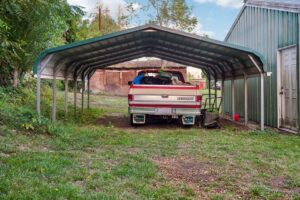
When it comes to building in mountainous regions, homeowners and property owners face unique challenges. The combination of rugged terrain, heavy snowfall, and high winds can make traditional construction methods less viable. This is where metal buildings come into play. Metal structures, such as garages, barns, workshops, and RV covers, offer a robust solution tailored to withstand the harsh conditions often found in snowy mountain environments. With their versatility and strength, metal buildings are becoming increasingly popular among ranchers, RV owners, and homeowners looking for durable and efficient options.
Metal buildings are not just functional; they also provide aesthetic appeal. With various designs and finishes available, you can create a structure that complements your mountain property while meeting your specific needs. Whether you require a spacious workshop for your tools or a sturdy carport to protect your vehicles from the elements, metal buildings can be customized to fit your vision. As Mike Daniels, a seasoned property owner in the Rockies, puts it, “Metal buildings have transformed how I manage my property. They’re not just practical; they look great too.”
When considering the suitability of metal buildings for mountain properties that experience heavy snowfall, it’s essential to explore various factors such as structural integrity, insulation, and design. For those looking for local expertise in metal building construction, a related article can provide valuable insights. You can find more information about finding steel building contractors in your area by visiting this link.
Benefits of Metal Buildings in Snowy Mountain Environments
One of the primary benefits of metal buildings in snowy mountain environments is their exceptional strength-to-weight ratio. Unlike traditional wood structures, metal buildings can support significant weight without compromising structural integrity. This is particularly important in areas prone to heavy snowfall, where roofs must bear the load of accumulated snow. Metal buildings are engineered to handle these conditions, ensuring that your investment remains safe and sound.
Additionally, metal buildings are resistant to many common issues that plague wooden structures, such as rot, pests, and warping. In snowy climates, moisture can lead to mold and mildew growth in traditional buildings. Metal structures, on the other hand, are impervious to these problems, making them a more reliable choice for mountain properties. As Mike notes, “I’ve seen too many wooden barns succumb to the elements. My metal building has stood strong through every storm.”
Durability of Metal Buildings in Snowy Conditions
Durability is a hallmark of metal buildings, especially in snowy conditions. Constructed from high-quality steel, these structures are designed to withstand extreme weather events, including heavy snowfalls and strong winds. Many manufacturers offer buildings with certifications that guarantee their performance under specific snow load requirements. This means you can rest easy knowing your building is built to last.
Moreover, metal buildings are often treated with protective coatings that enhance their resistance to rust and corrosion. This is particularly important in snowy regions where salt and moisture can accelerate deterioration. By investing in a well-constructed metal building, you’re ensuring that your property remains functional and visually appealing for years to come. Mike emphasizes this point: “I’ve had my metal workshop for over a decade now, and it still looks as good as the day it was installed.”
Insulation and Energy Efficiency in Metal Buildings
While metal buildings are known for their strength, they can also be energy-efficient when properly insulated. In snowy mountain environments, maintaining a comfortable temperature inside your building is crucial. Insulation options such as spray foam or fiberglass can be added to metal structures to enhance thermal performance. This not only keeps your space warm during the winter months but also reduces energy costs.
Additionally, energy-efficient designs can include features like reflective roofing materials that minimize heat absorption during the summer months. This dual benefit of insulation helps maintain a stable internal climate year-round. Mike shares his experience: “I was surprised at how well my insulated metal garage retains heat. It’s made working on my projects in winter much more enjoyable.”
When considering the suitability of metal buildings for mountain properties that experience heavy snowfall, it’s essential to evaluate their structural integrity and insulation properties. A related article discusses the advantages of steel buildings in various environments, including their resilience against harsh weather conditions. You can read more about this topic in the article on steel buildings for sale near Oneida County, ID, which provides insights into how these structures can be beneficial for mountainous regions.
Considerations for Snow Load and Roof Pitch in Metal Buildings
| Aspect | Information |
|---|---|
| Strength | Metal buildings are strong and can withstand heavy snow loads common in mountain properties. |
| Durability | They are durable and resistant to harsh weather conditions, including snow and ice. |
| Low Maintenance | Metal buildings require minimal maintenance, making them ideal for mountain properties with snow. |
| Customization | They can be customized to suit the specific needs and aesthetic preferences of mountain property owners. |
| Energy Efficiency | With proper insulation, metal buildings can be energy efficient in cold mountain climates. |
When planning a metal building for a snowy mountain property, understanding snow load requirements is essential. Snow load refers to the weight of snow that a roof must support at any given time. Local building codes often dictate specific snow load ratings based on regional weather patterns. It’s crucial to consult with professionals who can help you determine the appropriate specifications for your building.
Roof pitch is another critical factor to consider. A steeper roof pitch allows snow to slide off more easily, reducing the risk of accumulation that could lead to structural damage. Many metal building manufacturers offer various roof styles, including gable and A-frame designs, which can be tailored to meet both aesthetic preferences and functional needs. Mike advises potential buyers: “Always check local regulations and consult with experts about snow loads and roof designs before making a purchase.”
Maintenance and Longevity of Metal Buildings in Snowy Climates
Sure, here is the sentence with the clickable link:
Please visit our website to Request a Free No Obligation Quote: https://metalcarportsandbuildings.com/contact
One of the standout features of metal buildings is their low maintenance requirements compared to traditional structures. In snowy climates, regular maintenance is essential to ensure longevity and performance. Fortunately, metal buildings require minimal upkeep—typically just periodic inspections and cleaning to remove debris or snow buildup.
The durability of steel means that you won’t have to worry about issues like rotting wood or insect infestations that can plague wooden structures over time. With proper care, a metal building can last for decades without significant repairs or replacements. Mike reflects on his experience: “I’ve spent far less time maintaining my metal barn than I ever did with my old wooden one. It’s been a game-changer for me.”
Customization and Design Options for Metal Buildings in Mountain Properties
Customization is one of the most appealing aspects of metal buildings. Homeowners can choose from various sizes, colors, and styles to create a structure that fits their specific needs and complements their mountain property’s aesthetic. Whether you want a simple carport or an elaborate workshop with multiple bays, the options are virtually limitless.
Additionally, many manufacturers offer design tools that allow you to visualize your building before making a commitment. This means you can experiment with different layouts and features until you find the perfect fit for your property. Mike encourages prospective buyers: “Don’t hesitate to explore customization options! You’ll be amazed at how many ways you can tailor a metal building to suit your needs.”
Cost-Effectiveness of Metal Buildings in Snowy Mountain Environments
When considering the cost-effectiveness of metal buildings in snowy mountain environments, it’s essential to look beyond the initial purchase price. While metal structures may have a higher upfront cost than traditional wood buildings, their long-term savings often outweigh this initial investment. The durability and low maintenance requirements mean fewer repairs and replacements over time.
Moreover, energy-efficient designs can lead to significant savings on heating and cooling costs throughout the year. When you factor in these long-term benefits, metal buildings often prove to be a more economical choice for property owners in snowy regions. Mike sums it up well: “I’ve saved so much on maintenance and energy bills since switching to a metal building—it’s been worth every penny.”
Environmental Impact of Metal Buildings in Mountain Properties
In today’s environmentally conscious world, many property owners are concerned about the ecological impact of their building choices. Metal buildings offer several advantages in this regard. Steel is one of the most recycled materials globally; choosing a metal structure means supporting sustainable practices.
Additionally, energy-efficient designs reduce overall energy consumption, contributing to lower carbon footprints over time. Many manufacturers also prioritize eco-friendly production methods and materials in their building processes. By opting for a metal building on your mountain property, you’re making a choice that aligns with environmentally responsible values while still meeting your practical needs.
Case Studies of Successful Metal Buildings in Snowy Mountain Areas
To illustrate the effectiveness of metal buildings in snowy mountain environments, let’s look at some successful case studies:
1. **Mountain Ranch Workshop**: A rancher in Colorado built a 30×40-foot insulated metal workshop designed specifically for heavy snowfall conditions. With a steep roof pitch and reinforced structure, it has successfully withstood multiple harsh winters without any structural issues.
2. **RV Cover in Utah**: An RV owner opted for a custom-designed carport made from galvanized steel to protect their vehicle from snow and ice accumulation during winter months. The structure has proven effective at preventing damage while providing easy access year-round.
3. **Sustainable Barn**: A farmer in Wyoming constructed an eco-friendly barn using recycled steel materials and energy-efficient insulation techniques. The barn not only meets local snow load requirements but also minimizes environmental impact through sustainable practices.
These examples highlight how versatile and effective metal buildings can be when tailored to meet the specific challenges posed by snowy mountain environments.
Is a Metal Building Right for Your Snowy Mountain Property?
In conclusion, metal buildings present an excellent solution for homeowners, ranchers, RV owners, and property owners navigating the challenges of snowy mountain environments. Their durability, low maintenance requirements, energy efficiency, and customization options make them an attractive choice for anyone looking to invest in a long-lasting structure.
If you’re considering adding a metal building to your property or need assistance navigating local regulations regarding snow loads and permits, don’t hesitate to reach out for expert guidance. For a free no-obligation quote or more information about our offerings at Metal Carports and Buildings, call us at (435) 250-4446 or visit our website at [metalcarportsandbuildings.com](https://metalcarportsandbuildings.com/). Let us help you find the perfect solution for your snowy mountain property!
FAQs
1. Are metal buildings suitable for mountain properties with heavy snowfall?
Metal buildings are a popular choice for mountain properties with heavy snowfall due to their durability and strength. They are designed to withstand extreme weather conditions, including heavy snow loads.
2. How do metal buildings perform in snowy mountain environments?
Metal buildings are well-suited for snowy mountain environments as they are resistant to rust, corrosion, and moisture. Their sturdy construction and ability to handle heavy snow loads make them a reliable choice for such locations.
3. What are the benefits of using metal buildings in mountain properties with snow?
Metal buildings offer several benefits for mountain properties with snow, including their ability to withstand heavy snow loads, low maintenance requirements, and long-term durability. They also provide excellent insulation and energy efficiency.
4. Can metal buildings be customized to suit the specific needs of mountain properties with snow?
Yes, metal buildings can be customized to meet the specific needs of mountain properties with snow. They can be designed to accommodate larger snow loads, incorporate insulation for cold climates, and feature snow-shedding roof designs.
5. Are there any considerations to keep in mind when choosing a metal building for a mountain property with snow?
When choosing a metal building for a mountain property with snow, it’s important to consider factors such as the local snow load requirements, insulation needs, and the building’s structural design. Additionally, working with a reputable manufacturer or builder experienced in mountain properties is recommended.