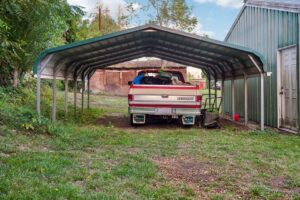
When it comes to installing a metal carport on dirt, anchoring is not just an option; it’s a necessity. Proper anchoring ensures that your carport remains stable and secure, especially in adverse weather conditions. Wind, rain, and snow can exert significant pressure on a structure, and without adequate anchoring, your carport could shift, tilt, or even collapse. This is particularly crucial for homeowners in areas prone to high winds or heavy snowfall, where the integrity of the carport can be compromised without proper support.
Moreover, anchoring your metal carport protects your investment. A well-anchored structure can withstand the test of time, providing shelter for your vehicles and equipment while minimizing the risk of damage. For ranchers and property owners, this means safeguarding valuable assets from the elements. By ensuring that your carport is securely anchored, you can enjoy peace of mind knowing that your investment is protected against nature’s unpredictability.
If you’re looking for more information on securing a metal carport on dirt, you might find the article on metal buildings in Benjamin, Utah, particularly helpful. It provides insights into various installation techniques and considerations for different types of foundations. For further details, you can check out the article here: metal buildings in Benjamin, Utah.
Assessing the Soil for Anchoring
Before you begin the anchoring process, it’s essential to assess the soil where your carport will be installed. Different soil types have varying load-bearing capacities, which can significantly affect the stability of your carport. Sandy soils, for instance, may not provide the same level of support as clay or loamy soils. Conducting a soil test can help you determine the best anchoring method to use.
To assess the soil, start by digging a small hole about 12 inches deep in the area where you plan to install the carport. Observe the soil texture and moisture content. If the soil crumbles easily and feels dry, it may not provide adequate support. Conversely, if it’s dense and holds together well, you’re likely in good shape for anchoring. Additionally, consider factors such as drainage and erosion potential, as these can also impact the stability of your carport over time.
Selecting the Right Anchoring Method
Once you’ve assessed the soil, the next step is to select the right anchoring method for your metal carport. There are several options available, each suited for different soil types and environmental conditions. For instance, if you’re dealing with loose or sandy soil, auger anchors may be the best choice. These spiral-shaped anchors dig deep into the ground and provide excellent holding power.
On the other hand, if you have clay or rocky soil, concrete anchors might be more appropriate. These anchors are set in concrete footings, providing a solid base that can withstand heavy loads and high winds. It’s essential to consider both the soil type and local weather conditions when making your selection to ensure that your carport remains secure throughout its lifespan.
Tools and Materials Needed for Anchoring
Before you begin anchoring your metal carport, gather all necessary tools and materials to streamline the process. Common tools include a post hole digger or auger for digging holes, a level to ensure your carport is straight, and a hammer or mallet for driving in anchors. If you’re using concrete anchors, you’ll also need a mixing container for the concrete and a trowel for smoothing it out.
In terms of materials, make sure you have your chosen anchors on hand—whether they are auger anchors or concrete anchors—as well as any additional hardware required for installation. This may include bolts, washers, and nuts to secure the anchors to the carport frame. Having everything ready before you start will save you time and frustration during installation.
When considering how to anchor a metal carport on dirt, it’s essential to understand the various methods and materials that can be used for effective stabilization. For those looking for additional insights into metal structures, you might find it helpful to explore a related article that discusses pre-engineered metal buildings and their installation processes. This resource can provide valuable information on the benefits and considerations of metal buildings in different environments. You can read more about it here.
Preparing the Ground for Anchoring
| Method | Pros | Cons |
|---|---|---|
| Auger Anchors | Easy to install, good for temporary setups | May not provide enough stability for larger carports |
| Concrete Anchors | Very secure, suitable for larger carports | Requires more effort and time to install |
| Mobile Home Anchors | Strong and durable, good for windy areas | May require professional installation |
Preparing the ground is a crucial step in ensuring that your metal carport is anchored correctly. Start by clearing the area of any debris, rocks, or vegetation that could interfere with the installation process. A clean workspace will allow for better access and visibility when digging holes for your anchors.
Next, level the ground as much as possible. If there are any significant dips or rises in the area where you plan to install your carport, consider using a shovel to fill in low spots or remove excess soil from high spots. A level surface will not only make installation easier but will also contribute to the overall stability of your carport once it’s anchored.
Installing Ground Anchors
Sure, here is the sentence with the clickable link:
Please visit our website to Request a Free No Obligation Quote: https://metalcarportsandbuildings.com/contact
With the ground prepared and your tools ready, it’s time to install the ground anchors. If you’re using auger anchors, begin by using an auger or post hole digger to create holes at each anchor point specified in your carport’s installation manual. The depth of these holes will depend on the type of anchor being used and local building codes.
Once the holes are dug, insert the auger anchors into each hole and twist them into place until they are securely embedded in the ground. For concrete anchors, mix your concrete according to package instructions and pour it into each hole before placing the anchor in the wet concrete. Ensure that each anchor is level and aligned with your carport frame before allowing the concrete to set.
Securing the Carport with Auger Anchors
After installing auger anchors, it’s time to secure your metal carport to them. Begin by aligning the base rails of your carport with the installed anchors. Use bolts or lag screws to attach each base rail to its corresponding anchor point securely. It’s essential to follow the manufacturer’s instructions regarding spacing and fastening techniques to ensure maximum stability.
Once all base rails are secured to their respective auger anchors, double-check that everything is level and aligned correctly. This step is crucial because any misalignment can lead to structural issues down the line. After confirming that everything is in place, tighten all bolts securely to ensure that your carport is firmly anchored.
Using Concrete Anchors for Stability
If you opted for concrete anchors instead of auger anchors, securing your metal carport will involve a slightly different process. After allowing the concrete to cure fully—typically 24-48 hours—return to check that each anchor is solidly set in place. Once confirmed, align your carport’s base rails with each concrete anchor.
Using bolts designed for concrete applications, attach each base rail to its corresponding anchor point. It’s vital to use appropriate hardware that can withstand outdoor conditions without rusting or corroding over time. As with auger anchors, ensure everything is level before tightening all connections securely.
Securing the Carport with Ratchet Straps
In addition to using ground or concrete anchors, securing your metal carport with ratchet straps can provide an extra layer of stability—especially during high winds or storms. Ratchet straps can be attached from the frame of your carport down to stakes driven into the ground around its perimeter.
To use ratchet straps effectively, first determine where you want to place them around your carport—typically at each corner and along longer sides for maximum support. Drive stakes into the ground at these points and attach one end of each strap to the frame of your carport and the other end to its corresponding stake. Tighten each strap securely using the ratchet mechanism until there is no slack left.
Regular Maintenance and Inspections
Once your metal carport is anchored securely, regular maintenance and inspections are essential for ensuring its longevity and stability over time. Periodically check all anchor points—whether they are auger or concrete—to ensure they remain secure and free from rust or corrosion.
Additionally, inspect the overall structure of your carport for any signs of wear or damage caused by weather conditions or shifting soil. Addressing minor issues promptly can prevent more significant problems down the line and help maintain the integrity of your investment.
Professional Installation Options
If you’re unsure about any aspect of anchoring your metal carport or simply prefer a hands-off approach, consider hiring professionals for installation. Many companies specialize in metal building installations and can ensure that everything is anchored correctly according to local building codes.
Professional installers bring expertise and experience that can save you time and potential headaches down the road. They’ll have access to specialized tools and techniques that may not be readily available to homeowners. Plus, many companies offer warranties on their work, providing added peace of mind regarding your investment.
In conclusion, anchoring a metal carport on dirt is a critical step that should not be overlooked. By assessing soil conditions, selecting appropriate anchoring methods, preparing the ground properly, and conducting regular maintenance checks, you can ensure that your carport remains stable and secure for years to come.
For more information on metal buildings and professional installation options tailored to your needs, visit [Metal Carports and Buildings](https://metalcarportsandbuildings.com/) or call (435) 250-4446 for a free no-obligation quote today!
FAQs
1. What are the common methods for anchoring a metal carport on dirt?
Common methods for anchoring a metal carport on dirt include using ground anchors, concrete anchors, and auger anchors.
2. How do ground anchors work for anchoring a metal carport on dirt?
Ground anchors are typically driven into the ground at each corner of the carport and then attached to the frame to provide stability and prevent movement.
3. What are concrete anchors and how are they used to anchor a metal carport on dirt?
Concrete anchors are installed by drilling holes into the ground, inserting the anchors, and then securing the carport frame to the anchors using bolts or screws.
4. How do auger anchors help anchor a metal carport on dirt?
Auger anchors are twisted into the ground at each corner of the carport and then attached to the frame to provide secure anchoring in the soil.
5. Are there any additional considerations for anchoring a metal carport on dirt?
It’s important to consider the soil type, local weather conditions, and the size and weight of the carport when choosing the appropriate anchoring method for a metal carport on dirt.