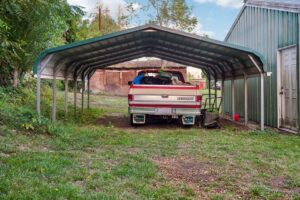
When considering the investment in a fully enclosed metal garage, several factors come into play that can significantly influence the overall cost. Understanding these elements is crucial for homeowners, ranchers, RV owners, and property owners who want to make informed decisions. The primary factors include size, materials, additional features, location, labor costs, and regulatory requirements. Each of these components can vary widely based on individual needs and local market conditions.
For instance, the size of the garage is often the most significant determinant of cost. A larger garage will naturally require more materials and labor, leading to higher expenses. Additionally, the type of metal used in construction can also impact pricing. High-quality steel may come at a premium but offers better durability and longevity. Other factors such as site preparation and installation complexity can further add to the total cost. By understanding these variables, you can better estimate your budget and make choices that align with your financial goals.
If you’re considering investing in a fully enclosed metal garage, you might find it helpful to explore related topics that can provide additional insights into the costs and benefits of such structures. For instance, an informative article on residential metal buildings in Mapleton, Utah, discusses various options and pricing details that could aid in your decision-making process. You can read more about it here: Residential Metal Buildings in Mapleton, UT.
Size and Dimensions of the Garage
The size and dimensions of your metal garage are pivotal in determining its cost. A standard single-car garage typically measures around 12×20 feet, while a two-car garage can range from 20×20 feet to 24×36 feet or larger. The dimensions you choose will not only affect the price but also dictate how much space you have for storage or vehicle parking. For example, if you plan to store an RV or a boat, you’ll need a taller and wider structure, which will increase your investment.
Moreover, it’s essential to consider future needs when deciding on size. If you anticipate needing more space down the line, opting for a larger garage from the start may save you money in the long run. Additionally, local building codes may dictate minimum size requirements based on your property’s zoning regulations. Therefore, it’s wise to consult with local authorities or a professional builder to ensure your garage meets all necessary specifications.
Type of Metal Used for Construction
The type of metal used in constructing your garage plays a crucial role in both durability and cost. Most metal garages are made from steel or aluminum, with steel being the more popular choice due to its strength and resilience. Galvanized steel is particularly favored for its corrosion resistance, making it ideal for various climates. While aluminum is lighter and resistant to rust, it may not provide the same level of structural integrity as steel.
When comparing costs, it’s important to note that higher-quality metals may come with a higher upfront price but can lead to lower maintenance costs over time. For instance, investing in galvanized steel may seem more expensive initially, but its longevity and durability can save you money on repairs and replacements in the future. Additionally, consider whether you want a painted finish or a natural look; painted finishes can add to the cost but also enhance aesthetics and protection against the elements.
Additional Features and Customizations
Customization options can significantly affect the cost of your fully enclosed metal garage. Features such as windows, doors, insulation, ventilation systems, and electrical wiring can enhance functionality but will also increase your overall investment. For example, adding windows not only improves natural light but also adds aesthetic appeal; however, they come with additional framing and installation costs.
Insulation is another feature worth considering, especially if you plan to use the garage as a workshop or living space. Insulated garages can help regulate temperature and reduce energy costs in extreme weather conditions. Additionally, think about whether you want a standard roll-up door or a more elaborate sectional door; each option has different price points and benefits. Ultimately, while these customizations can elevate your garage’s functionality and comfort, they should be carefully weighed against your budget.
If you’re considering investing in a fully enclosed metal garage, understanding the various factors that influence its cost is essential. For a deeper insight into the installation process and pricing specifics in different regions, you might find this article on metal building installation in Cedar City, Utah particularly helpful. It provides valuable information that can aid you in making an informed decision about your garage project.
Location and Site Preparation
| Size of Garage | Cost Range |
|---|---|
| 20′ x 20′ | 5,000 – 10,000 |
| 24′ x 24′ | 7,000 – 12,000 |
| 30′ x 40′ | 10,000 – 20,000 |
| 40′ x 60′ | 20,000 – 40,000 |
The location of your metal garage can have a significant impact on its overall cost. Factors such as accessibility, terrain type, and local climate conditions all play a role in determining site preparation needs. For instance, if your property is on uneven ground or requires extensive grading or leveling before construction can begin, this will add to your expenses.
Additionally, local climate conditions can influence design choices that affect costs. In areas prone to heavy snowfall or high winds, you may need to invest in stronger materials or specific design features to ensure structural integrity. It’s essential to conduct thorough research on local building codes and environmental factors before finalizing your garage plans. Consulting with professionals who understand local regulations can help streamline this process and avoid unexpected costs down the line.
If you’re considering investing in a fully enclosed metal garage, you might also find it helpful to explore options for metal barns, which can offer additional storage solutions for your property. For instance, a related article discusses the various features and pricing of metal barns in Ballard, Utah, providing insights that could complement your garage purchase. You can read more about it in this informative article. Understanding the costs and benefits of different structures can help you make a more informed decision for your needs.
Labor and Installation Costs
Sure, here is the sentence with the clickable link:
Please visit our website to Request a Free No Obligation Quote: https://metalcarportsandbuildings.com/contact
Labor costs are another critical factor when budgeting for a fully enclosed metal garage. The complexity of the installation process can vary based on the design and size of the structure. For example, a simple rectangular garage may require less labor than a custom-designed building with multiple angles or features. Additionally, if you choose to hire professionals for installation rather than opting for a DIY approach, labor costs will significantly impact your total investment.
It’s advisable to obtain multiple quotes from reputable contractors to ensure you’re getting a fair price for labor. Be sure to ask about their experience with metal buildings specifically; specialized knowledge can lead to better workmanship and potentially lower long-term maintenance costs. Furthermore, consider the timeline for installation; expedited services may come at a premium but could be worth it if you need your garage completed quickly.
Permits and Regulations
Before constructing a fully enclosed metal garage, it’s essential to understand the permits and regulations that may apply in your area. Most municipalities require building permits for new structures, which often involve submitting plans for approval before construction begins. The cost of permits can vary widely depending on local regulations but should be factored into your overall budget.
In addition to permits, be aware of zoning laws that dictate where you can place your garage on your property. Some areas have restrictions on setbacks from property lines or height limitations that could affect your design choices. Engaging with local building authorities early in the planning process can help ensure compliance with all regulations and avoid costly delays or fines later on.
Maintenance and Long-Term Costs
While the initial investment in a fully enclosed metal garage is important, it’s equally crucial to consider long-term maintenance costs. Metal buildings are generally low-maintenance compared to traditional wood structures; however, they still require periodic upkeep to ensure longevity. Regular inspections for rust or corrosion are essential, especially in areas with high humidity or salt exposure.
Additionally, consider how climate conditions may affect maintenance needs over time. For instance, if you live in an area with heavy snowfall, you may need to clear snow off the roof regularly to prevent structural damage. Investing in high-quality materials upfront can reduce long-term maintenance costs significantly; therefore, it’s wise to weigh initial expenses against potential future savings.
Comparing Costs with Other Types of Garages
When evaluating the cost of a fully enclosed metal garage, it’s beneficial to compare it with other types of garages available on the market. Traditional wood garages often come with higher material costs due to lumber prices and require more maintenance over time due to susceptibility to rot and pests. Concrete garages offer durability but can be significantly more expensive upfront due to labor-intensive installation processes.
Metal garages typically provide a balance between affordability and durability. They are often quicker to install than wood or concrete options and require less ongoing maintenance. When considering long-term value, metal garages frequently emerge as a cost-effective solution for homeowners looking for reliable storage options without breaking the bank.
Financing and Payment Options
Financing options are available for those looking to invest in a fully enclosed metal garage but who may not have all the funds upfront. Many manufacturers offer financing plans that allow buyers to spread payments over time while enjoying their new structure immediately. It’s essential to review interest rates and terms carefully before committing to any financing agreement.
Additionally, some homeowners may consider personal loans or home equity lines of credit as alternative financing options for their garage project. These methods can provide flexibility in payment terms but should be approached with caution due to potential impacts on credit scores and financial stability.
Tips for Saving Money on a Fully Enclosed Metal Garage
If you’re looking to save money on your fully enclosed metal garage without compromising quality, there are several strategies you can employ. First, consider purchasing during off-peak seasons when demand is lower; this could lead to discounts from manufacturers eager to boost sales during slower months.
Another effective way to save is by opting for standard sizes and designs rather than custom builds; customizations often come with added costs that can quickly add up. Additionally, doing some of the site preparation work yourself—such as clearing debris or leveling the ground—can reduce labor costs significantly.
Finally, always shop around for quotes from multiple suppliers before making a decision; this ensures you get the best deal possible while also allowing you to compare different features and materials offered by various manufacturers.
In conclusion, investing in a fully enclosed metal garage involves careful consideration of various factors that affect cost—from size and materials to location and installation expenses. By understanding these elements and planning accordingly, homeowners can make informed decisions that align with their needs and budget.
For more information on metal buildings or to get started on your project today, visit [Metal Carports and Buildings](https://metalcarportsandbuildings.com/) or call (435) 250-4446 for a free no-obligation quote!
FAQs
1. What factors influence the cost of a fully enclosed metal garage?
Factors that can influence the cost of a fully enclosed metal garage include the size of the garage, the type of metal used, additional features such as windows or doors, the location of the installation, and any customization or special requirements.
2. What is the average cost range for a fully enclosed metal garage?
The cost of a fully enclosed metal garage can vary widely, but on average, you can expect to pay between $5,000 and $30,000. This cost range depends on the factors mentioned above and can fluctuate based on market conditions and other variables.
3. Are there any additional costs to consider when purchasing a fully enclosed metal garage?
In addition to the base cost of the metal garage, you may need to consider additional costs such as delivery and installation fees, site preparation, building permits, and any customization or special features you may want to add to the garage.
4. Are there any cost-saving options for fully enclosed metal garages?
To save on costs, you can consider standard sizes and designs, opting for a simpler metal type, and comparing quotes from different suppliers. Additionally, some suppliers may offer discounts or promotions that can help reduce the overall cost.
5. What are the long-term cost benefits of investing in a fully enclosed metal garage?
While the initial cost of a fully enclosed metal garage may be higher than other options, the long-term cost benefits include minimal maintenance, durability, and potential energy savings. Metal garages are also known for their longevity, which can result in cost savings over time compared to other building materials.