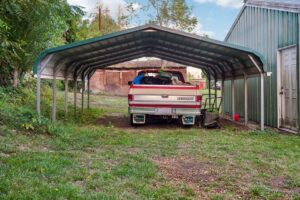
When it comes to metal buildings, understanding the risk categories is crucial for homeowners, ranch owners, and business proprietors alike. Risk Category 1 (RC1) and Risk Category 2 (RC2) buildings are defined by the International Building Code (IBC) based on their occupancy and the potential consequences of failure. RC1 structures are typically low-risk buildings, such as agricultural storage or utility structures, where the loss of life or significant property damage is minimal. In contrast, RC2 buildings include structures like commercial warehouses or office buildings, where a higher level of safety is required due to increased occupancy and potential hazards.
The classification of these risk categories is not just a bureaucratic formality; it has real implications for design, construction, and insurance. For instance, an RC1 building may not require the same stringent engineering standards as an RC2 building. This distinction can affect everything from material selection to the overall cost of construction. Understanding these categories helps property owners make informed decisions about their investments and ensures compliance with local building codes.
When considering the differences between Risk Category 1 and Risk Category 2 metal buildings, it’s essential to understand how these classifications impact the design and construction of structures in various environments. For a detailed exploration of metal buildings and their features, including options like roll-up doors, you can refer to this related article on metal buildings in El Paso, Texas. For more information, visit Metal Buildings with Roll-Up Doors in El Paso, TX.
Structural Requirements for Risk Category 1 Metal Buildings
Structural requirements for Risk Category 1 metal buildings are generally less stringent than those for higher-risk categories. These buildings are designed to withstand basic environmental loads, such as snow and wind, but they do not require the same level of engineering oversight. For example, a simple agricultural barn may only need to meet minimum standards for snow load and wind resistance, which can vary based on geographic location.
In practical terms, this means that RC1 buildings can often be constructed using lighter materials and simpler designs. The focus is on functionality rather than elaborate engineering solutions. However, it’s essential to ensure that even these simpler structures are built to last. As Mike Daniels, owner of Metal Carports and Buildings, states, “Even a basic structure needs to be sound; cutting corners can lead to costly repairs down the line.” Therefore, while RC1 buildings may have fewer requirements, they still need to be designed with care.
Structural Requirements for Risk Category 2 Metal Buildings
In contrast, Risk Category 2 metal buildings face more rigorous structural requirements due to their higher occupancy levels and potential risks associated with failure. These buildings must be engineered to withstand greater wind loads, seismic activity, and other environmental factors. For instance, a commercial warehouse in a region prone to high winds will require specialized design features to ensure stability and safety.
The engineering process for RC2 buildings often involves detailed calculations and simulations to assess how the structure will perform under various conditions. This includes considerations for load-bearing walls, roof trusses, and foundation strength. Property owners should work closely with qualified engineers who understand local building codes and can provide insights into the best materials and designs for their specific needs. The investment in proper engineering can save money in the long run by preventing structural failures and ensuring compliance with safety regulations.
Importance of Wind and Seismic Design in Risk Category 1 Metal Buildings
While Risk Category 1 metal buildings may not face the same level of scrutiny as RC2 structures, wind and seismic design still play a vital role in their construction. Even low-risk buildings can suffer significant damage from extreme weather events or seismic activity. For example, a barn located in a windy area must be designed to resist uplift forces that could compromise its integrity.
Incorporating wind and seismic design elements into RC1 buildings can enhance their durability and longevity. This might include using reinforced connections between structural components or selecting materials that offer better resistance to wind forces. As Mike Daniels emphasizes, “It’s about being proactive rather than reactive; investing in good design can prevent future headaches.” Homeowners and property owners should consult with engineers familiar with local conditions to ensure their RC1 structures are adequately prepared for potential environmental challenges.
When considering the differences between Risk Category 1 and Risk Category 2 metal buildings, it’s essential to understand how these classifications impact the design and construction of structures in various environments. For a deeper insight into the specifications and benefits of metal buildings, you can refer to this informative article on 50×35 metal buildings in Utah, which highlights key features and considerations that can help you make an informed decision based on your specific needs.
Importance of Wind and Seismic Design in Risk Category 2 Metal Buildings
“`html
| Metrics | Risk Category 1 Metal Buildings | Risk Category 2 Metal Buildings |
|---|---|---|
| Cost | 100,000 | 120,000 |
| Construction Time | 6 months | 8 months |
| Structural Strength | High | Very High |
| Permitting Requirements | Standard | Complex |
“`
For Risk Category 2 metal buildings, wind and seismic design is not just important; it is essential. Given the higher occupancy levels and potential consequences of structural failure, these buildings must be engineered to withstand significant environmental forces. For instance, a commercial building located in a seismic zone must adhere to strict guidelines that dictate how it should be constructed to minimize risk during an earthquake.
The design process for RC2 buildings often involves advanced modeling techniques that simulate various scenarios, including high winds or seismic events. This allows engineers to identify potential weaknesses in the structure and make necessary adjustments before construction begins. Additionally, local building codes may require specific materials or construction methods that enhance the building’s resilience against these forces. Property owners should prioritize working with experienced professionals who understand these complexities to ensure their investments are protected.
Differences in Construction and Material Requirements for Risk Category 1 and Risk Category 2 Metal Buildings
Metal carports and buildings are a great investment for your property, visit https://metalcarportsandbuildings.com/building-styles/ to explore different building styles.
The differences in construction and material requirements between Risk Category 1 and Risk Category 2 metal buildings are significant. RC1 structures often utilize lighter gauge steel and simpler designs that meet basic safety standards without extensive engineering oversight. This can lead to lower initial costs but may also result in reduced durability over time if not properly maintained.
On the other hand, RC2 buildings require heavier gauge steel and more complex designs that can withstand greater loads and stresses. This often translates into higher upfront costs due to the need for specialized materials and engineering services. However, investing in robust construction can yield long-term savings by reducing maintenance costs and enhancing the building’s lifespan. Property owners should carefully weigh these factors when deciding on the type of metal building that best suits their needs.
Considerations for Occupancy and Use in Risk Category 1 Metal Buildings
When planning a Risk Category 1 metal building, occupancy and use considerations are crucial but often straightforward. These structures typically serve low-risk purposes such as storage or agricultural use, where the likelihood of human occupancy is minimal. As such, the design can focus more on functionality than on accommodating large numbers of people.
However, even low-risk buildings must consider factors like ventilation, accessibility, and basic safety features. For example, if an RC1 building is used for storing chemicals or equipment, proper ventilation systems should be installed to prevent hazardous conditions. Property owners should also consider future uses; if there’s a chance that the building may be repurposed for higher occupancy in the future, it may be wise to incorporate some additional safety features during initial construction.
Considerations for Occupancy and Use in Risk Category 2 Metal Buildings
In contrast, occupancy and use considerations for Risk Category 2 metal buildings are far more complex due to their higher risk profiles. These structures often serve commercial purposes where large numbers of people may be present at any given time. As such, they must adhere to stricter safety regulations regarding egress routes, fire safety measures, and accessibility standards.
For instance, an RC2 warehouse must have clearly marked exits and fire suppression systems in place to ensure the safety of employees and visitors alike. Additionally, considerations around load capacities become critical; the design must account for not only the weight of stored goods but also the potential for human occupancy during operations. Property owners should engage with architects and engineers who specialize in commercial construction to ensure compliance with all relevant codes and regulations.
Cost Differences Between Risk Category 1 and Risk Category 2 Metal Buildings
Cost differences between Risk Category 1 and Risk Category 2 metal buildings can be substantial due to varying material requirements, engineering needs, and compliance costs. Generally speaking, RC1 structures tend to be more affordable upfront because they require less stringent engineering oversight and can utilize lighter materials.
Conversely, RC2 buildings often come with higher price tags due to the need for robust materials capable of withstanding greater environmental forces as well as more complex designs that necessitate professional engineering services. While this may seem like a disadvantage at first glance, it’s essential to consider the long-term benefits of investing in a well-engineered structure that meets all safety standards.
Advantages and Disadvantages of Risk Category 1 Metal Buildings
Risk Category 1 metal buildings offer several advantages that make them appealing for certain applications. Their lower initial costs make them accessible for homeowners or small business owners looking for functional storage solutions without breaking the bank. Additionally, their simpler designs often allow for quicker construction timelines.
However, there are disadvantages as well. The reduced engineering requirements mean that these structures may not perform as well under extreme weather conditions or seismic events compared to their RC2 counterparts. This could lead to higher maintenance costs over time if issues arise due to inadequate design considerations.
Advantages and Disadvantages of Risk Category 2 Metal Buildings
Risk Category 2 metal buildings come with their own set of advantages that make them suitable for commercial applications. Their robust design ensures greater safety for occupants while also providing long-term durability against environmental stresses like high winds or earthquakes. This makes them a wise investment for business owners who prioritize safety and compliance with local regulations.
On the downside, the higher upfront costs associated with RC2 buildings can be a barrier for some property owners. Additionally, the complexity of design may lead to longer construction timelines compared to simpler RC1 structures. However, many find that the benefits outweigh these disadvantages when considering long-term value and safety.
In conclusion, understanding the differences between Risk Category 1 and Risk Category 2 metal buildings is essential for making informed decisions about construction projects. By considering factors such as structural requirements, occupancy needs, cost implications, and safety measures, property owners can choose the right type of building that meets their specific needs while ensuring compliance with local codes and regulations.
FAQs
What are Risk Category 1 and Risk Category 2 metal buildings?
Risk Category 1 and Risk Category 2 metal buildings are classifications used in the construction industry to determine the level of risk a building may face from natural disasters such as earthquakes, hurricanes, and other environmental factors.
What factors determine if a metal building falls into Risk Category 1 or Risk Category 2?
The factors that determine if a metal building falls into Risk Category 1 or Risk Category 2 include the location of the building, the building’s occupancy classification, the building’s importance to the community, and the potential consequences of a building failure.
What are the differences between Risk Category 1 and Risk Category 2 metal buildings?
Risk Category 1 buildings are considered to have a lower risk of damage from natural disasters, while Risk Category 2 buildings are considered to have a higher risk. This classification affects the design and construction requirements for the buildings.
How do Risk Category 1 and Risk Category 2 classifications impact the construction of metal buildings?
The Risk Category classification impacts the design and construction of metal buildings by influencing the structural requirements, material specifications, and construction methods to ensure the building can withstand potential natural disasters.
Why is it important to understand the Risk Category classification for metal buildings?
Understanding the Risk Category classification for metal buildings is important because it ensures that the buildings are designed and constructed to meet the necessary safety standards and regulations, ultimately protecting the occupants and the surrounding community from potential harm in the event of a natural disaster.