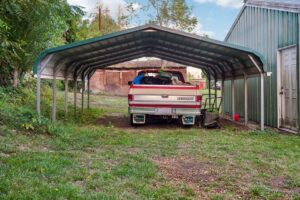
Insulation plays a crucial role in the overall performance and comfort of metal buildings. Unlike traditional wood structures, metal buildings are prone to temperature fluctuations, which can lead to discomfort for occupants and potential damage to stored items. Insulation acts as a barrier against heat transfer, helping to maintain a stable internal environment regardless of external weather conditions. This is particularly important for homeowners, ranchers, and property owners who use their metal buildings for various purposes, from workshops to storage facilities.
Moreover, insulation can significantly impact energy efficiency. By reducing the need for heating and cooling systems to work overtime, proper insulation can lead to lower energy bills. This is especially beneficial for those who rely on their metal buildings year-round. In essence, insulation not only enhances comfort but also contributes to long-term savings, making it a vital consideration for anyone investing in a metal structure.
If you’re considering enhancing the energy efficiency of your metal building, you might find it helpful to explore the article on commercial metal buildings in Chadron, NE. This resource discusses various options for insulation and how they can improve the comfort and utility of your structure. For more information, you can read the article here: Commercial Metal Buildings in Chadron, NE.
Factors to Consider Before Adding Insulation to a Metal Building
Before diving into the insulation process, several factors must be taken into account. First and foremost is the climate of your area. Regions with extreme temperatures—whether hot or cold—will require more robust insulation solutions. For instance, if you live in an area with heavy snowfall or high winds, you’ll need insulation that can withstand these conditions while also providing adequate thermal resistance.
Another critical factor is the intended use of the building. A workshop may require different insulation properties compared to a barn or RV cover. Understanding how you plan to use the space will help you choose the right type of insulation and installation method. Additionally, consider local building codes and regulations, as some areas may have specific requirements regarding insulation materials and methods.
Types of Insulation Suitable for Metal Buildings
When it comes to insulating metal buildings, several types of insulation are suitable for various applications. One popular option is fiberglass insulation, known for its excellent thermal resistance and affordability. It comes in batts or rolls and can be easily installed between the metal framing of the building. However, fiberglass can absorb moisture, so it’s essential to ensure proper vapor barriers are in place.
Another effective choice is spray foam insulation, which expands upon application and fills gaps and cracks effectively. This type of insulation provides superior air sealing and thermal performance but can be more expensive than fiberglass. Additionally, reflective insulation is an option that works well in hot climates by reflecting radiant heat away from the building. Each type has its pros and cons, so it’s essential to evaluate your specific needs before making a decision.
Steps to Take Before Adding Insulation to a Metal Building
Before adding insulation to your metal building, it’s crucial to prepare adequately. Start by assessing the current condition of your building. Look for any signs of moisture intrusion or damage that could affect the insulation’s performance. Addressing these issues beforehand will ensure that your insulation works effectively and lasts longer.
Next, consider conducting an energy audit. This process will help you identify areas where heat loss occurs and determine the best insulation strategy for your building. Once you have a clear understanding of your needs, you can select the appropriate insulation type and gather necessary materials. Finally, ensure that you have all required permits and adhere to local building codes before beginning installation.
When it comes to installing insulation in your metal building, you have two primary options: hiring a professional or tackling the project yourself. Hiring a professional can save you time and ensure that the job is done correctly. Experts have the experience and tools necessary to handle various insulation types and can navigate any challenges that may arise during installation.
On the other hand, a DIY approach can be more cost-effective if you have some construction experience and are comfortable working with insulation materials. However, keep in mind that improper installation can lead to issues such as moisture buildup or inadequate thermal performance. Weighing the pros and cons of each option will help you make an informed decision based on your skills, budget, and timeline.
If you’re considering enhancing the energy efficiency of your metal building, you might find it helpful to explore related topics such as the benefits of pre-engineered metal structures. For instance, an informative article discusses the advantages of these buildings in various locations, including Weber County, Utah. You can read more about it here. Understanding the characteristics of pre-engineered metal buildings can provide valuable insights when deciding on insulation options for your existing structure.
Common Challenges When Adding Insulation to a Metal Building
| Question | Answer |
|---|---|
| Can You Add Insulation to a Metal Building Later? | Yes, it is possible to add insulation to a metal building later. There are various insulation options available for metal buildings, including blanket insulation, spray foam insulation, and rigid board insulation. The method of adding insulation will depend on the specific construction of the metal building and the desired level of insulation. |
Adding insulation to a metal building is not without its challenges. One common issue is moisture control; metal structures are susceptible to condensation, which can lead to mold growth if not properly managed. Ensuring that vapor barriers are installed correctly is essential to prevent moisture from compromising your insulation.
Another challenge is achieving proper air sealing. Gaps and cracks can significantly reduce the effectiveness of your insulation, leading to energy loss and discomfort. It’s crucial to take the time to seal all openings before installing insulation. Additionally, navigating local building codes can be daunting; ensuring compliance with regulations is vital for safety and long-term performance.
Benefits of Adding Insulation to a Metal Building
Sure, here is the sentence with the clickable link:
Please visit our website to Request a Free No Obligation Quote: https://metalcarportsandbuildings.com/contact
The benefits of adding insulation to a metal building are numerous and impactful. First and foremost, improved comfort levels are often cited by owners after installation. Insulation helps maintain a consistent temperature throughout the space, making it more enjoyable for occupants whether they are working in a workshop or storing valuable equipment.
Energy efficiency is another significant advantage. With proper insulation in place, heating and cooling systems don’t have to work as hard, leading to reduced energy consumption and lower utility bills over time. Additionally, insulated metal buildings often have higher resale values due to their enhanced performance features, making them a wise investment for property owners.
Cost Considerations for Adding Insulation to a Metal Building
When considering adding insulation to your metal building, it’s essential to factor in costs beyond just materials. The price of insulation varies widely depending on the type chosen; fiberglass tends to be more affordable than spray foam but may not offer the same level of performance. Installation costs also play a significant role; hiring professionals will increase your overall expenses but may save you money in the long run by ensuring proper installation.
Additionally, consider potential energy savings when evaluating costs. While the initial investment may seem high, improved energy efficiency can lead to significant savings on utility bills over time. It’s wise to conduct a cost-benefit analysis that takes into account both upfront costs and long-term savings when deciding on insulation options.
Maintenance and Upkeep of Insulation in a Metal Building
Once you’ve added insulation to your metal building, ongoing maintenance is crucial for ensuring its effectiveness over time. Regular inspections should be conducted to check for signs of moisture intrusion or damage that could compromise the insulation’s performance. If you notice any issues, addressing them promptly will help prevent further complications.
Additionally, keeping the area around your building clear of debris and vegetation can help minimize moisture buildup and protect your insulation from potential damage. If you’ve opted for spray foam insulation, be aware that it may require periodic reapplication or touch-ups over time due to wear and tear.
How Insulation Can Improve Energy Efficiency in a Metal Building
Insulation significantly enhances energy efficiency in metal buildings by reducing heat transfer between the interior and exterior environments. In colder months, insulated buildings retain heat more effectively, reducing reliance on heating systems. Conversely, during hot weather, insulation helps keep cool air inside, minimizing the need for air conditioning.
This improved energy efficiency translates into lower utility bills for property owners over time. Additionally, many utility companies offer incentives or rebates for energy-efficient upgrades like insulation, further offsetting costs. By investing in quality insulation now, you’re not only enhancing comfort but also making a smart financial decision for the future.
Making an Informed Decision about Adding Insulation to a Metal Building
Adding insulation to your metal building is an investment that pays off in comfort, energy efficiency, and long-term savings. By understanding the importance of insulation and considering factors such as climate, intended use, and local regulations, you can make an informed decision that best suits your needs.
Whether you choose to hire a professional or take on a DIY project, being aware of common challenges and maintenance requirements will help ensure your insulation performs optimally over time. If you’re ready to explore your options further or need assistance with your project, don’t hesitate to reach out for a free no-obligation quote at (435) 250-4446 or visit us at metalcarportsandbuildings.com for more information on how we can help you with your metal building needs!
FAQs
1. Can insulation be added to a metal building after it has been constructed?
Yes, insulation can be added to a metal building after it has been constructed. There are various methods for adding insulation to a metal building, including blanket insulation, spray foam insulation, and rigid board insulation.
2. What are the benefits of adding insulation to a metal building?
Adding insulation to a metal building can provide several benefits, including improved energy efficiency, better temperature control, reduced condensation, and enhanced soundproofing. Insulation can also help protect the building from extreme weather conditions.
3. What are the different types of insulation that can be used in a metal building?
There are several types of insulation that can be used in a metal building, including fiberglass blanket insulation, spray foam insulation, rigid board insulation, and reflective insulation. Each type of insulation has its own advantages and is suitable for different applications.
4. Are there any considerations to keep in mind when adding insulation to a metal building?
When adding insulation to a metal building, it is important to consider factors such as the building’s design, the local climate, and the intended use of the building. It is also important to ensure that the insulation is properly installed to maximize its effectiveness.
5. Can adding insulation to a metal building help reduce energy costs?
Yes, adding insulation to a metal building can help reduce energy costs by improving the building’s thermal performance. Insulation can help keep the building cooler in the summer and warmer in the winter, reducing the need for heating and cooling systems and lowering energy bills.