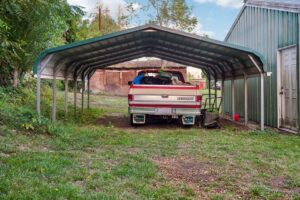
St. George, Utah, is known for its stunning red rock landscapes and a climate that can be both scorching and unpredictable. As homeowners, ranch owners, and business proprietors consider their building options, metal structures have emerged as a popular choice. Metal buildings, including carports, garages, barns, and RV covers, offer durability, versatility, and cost-effectiveness. With the right design and materials, these structures can withstand the unique environmental challenges posed by the region.
Metal buildings are not just functional; they can also be aesthetically pleasing. With various customization options available, property owners can create structures that complement their surroundings while meeting their specific needs. As Mike Daniels, owner of Metal Carports and Buildings, states, “Investing in a metal building is about more than just shelter; it’s about creating a lasting asset that can adapt to your lifestyle.” This article will explore essential considerations for building metal structures in St. George, focusing on wind load, heat resistance, insulation, roofing materials, siding options, ventilation, foundation impacts, maintenance, and customization.
When considering the construction of metal buildings in St. George, Utah, it’s essential to take into account the unique wind and heat considerations of the region. For a deeper understanding of how these factors can influence the design and durability of metal structures, you may find the article on vertical roof metal buildings in Edmond, Oklahoma, particularly insightful. It discusses various aspects of metal building construction that can help mitigate the effects of extreme weather conditions. You can read more about it here: Vertical Roof Metal Buildings in Edmond, OK.
Understanding Wind Load Considerations for Metal Buildings
Wind load is a critical factor when designing metal buildings in St. George. The region experiences strong winds, especially during seasonal storms. Understanding wind load involves calculating the pressure exerted by wind on a structure based on its height, shape, and location. Engineers use specific formulas to determine the appropriate design specifications to ensure safety and stability.
For instance, a metal building designed to withstand high wind loads will typically feature reinforced frames and anchoring systems. This is particularly important for larger structures like barns or commercial buildings that may house valuable equipment or livestock. According to industry experts from the American Institute of Steel Construction (AISC), “Proper engineering and adherence to local building codes are essential for ensuring that metal buildings can withstand extreme weather conditions.” Property owners should consult with experienced builders who understand local regulations and can provide certified designs that meet or exceed wind load requirements.
Factors to Consider for Heat Resistance in Metal Buildings
Heat resistance is another crucial consideration for metal buildings in St. George’s hot climate. Metal structures can absorb and retain heat, leading to uncomfortable interior temperatures and increased energy costs. To combat this issue, property owners should consider several factors when designing their metal buildings.
One effective strategy is to choose reflective roofing materials that minimize heat absorption. Additionally, incorporating thermal breaks—insulating materials placed between metal components—can significantly reduce heat transfer. For example, using insulated panels or adding a layer of insulation beneath the roof can help maintain a comfortable indoor environment. As Mike Daniels emphasizes, “A well-insulated metal building not only enhances comfort but also improves energy efficiency.” By investing in heat-resistant features, property owners can create spaces that remain cool even during the hottest months.
Importance of Proper Insulation in Metal Buildings in St George, Utah
Proper insulation is vital for maintaining temperature control and energy efficiency in metal buildings. In St. George’s climate, where summer temperatures can soar above 100°F, effective insulation helps regulate indoor conditions and reduces reliance on air conditioning systems. This not only enhances comfort but also lowers energy bills.
There are various insulation options available for metal buildings, including fiberglass batts, spray foam insulation, and rigid foam boards. Each type has its advantages and disadvantages depending on the specific needs of the building. For instance, spray foam insulation provides an excellent air seal and high R-value per inch but may require professional installation. On the other hand, fiberglass batts are more affordable and easier to install but may not provide the same level of air sealing.
When selecting insulation materials, property owners should consider factors such as R-value (a measure of thermal resistance), moisture resistance, and fire safety ratings. Consulting with insulation experts or local contractors can help ensure that the chosen insulation meets both performance standards and local building codes.
When considering the construction of metal buildings in St. George, Utah, it’s essential to take into account various environmental factors such as wind and heat. These elements can significantly impact the durability and efficiency of your structure. For more insights on how to effectively manage these considerations, you can refer to a related article that discusses pre-engineered metal buildings and their benefits in different climates. To learn more about this topic, visit this informative resource.
Choosing the Right Roofing Material for Wind and Heat Resistance
| Consideration | Wind | Heat |
|---|---|---|
| Impact | Strong winds can cause structural damage | High temperatures can affect interior comfort |
| Design Solution | Use wind-resistant materials and proper anchoring | Implement insulation and ventilation systems |
| Importance | Crucial for structural integrity | Essential for occupant comfort |
The roofing material selected for a metal building plays a significant role in its overall performance against wind and heat. In St. George, where high winds and intense sun exposure are common, choosing durable roofing materials is essential for long-term resilience.
Metal roofing panels are a popular choice due to their lightweight nature and ability to withstand harsh weather conditions. Galvalume steel roofing offers excellent corrosion resistance while reflecting sunlight to reduce heat absorption. Additionally, standing seam roofs provide superior wind resistance due to their interlocking design that minimizes the risk of leaks during storms.
When selecting roofing materials, property owners should also consider factors such as warranty coverage and maintenance requirements. A reputable manufacturer will provide warranties that cover both material defects and performance against wind uplift. As Mike Daniels notes, “Investing in quality roofing materials is crucial for protecting your investment over time.” By prioritizing durability and heat resistance in roofing choices, property owners can ensure their metal buildings remain safe and comfortable.
When considering metal buildings in St. George, Utah, it’s essential to take into account various environmental factors such as wind and heat. These elements can significantly impact the durability and efficiency of your structure. For a deeper understanding of how to navigate these challenges, you might find the article on metal garages particularly helpful, as it discusses similar considerations for different regions.
Selecting the Best Siding Options for Wind and Heat Resistance
Metal carports and buildings are a great investment for your property, you can find different building styles at https://metalcarportsandbuildings.com/building-styles/.
Just as roofing materials are critical for performance, siding options also play a significant role in a metal building’s ability to withstand wind and heat. In St. George’s climate, choosing the right siding can enhance both aesthetics and functionality.
Metal siding panels are often favored for their durability and low maintenance requirements. Options such as insulated metal panels provide excellent thermal performance while offering a sleek appearance. Additionally, choosing siding with a high-quality finish can help protect against fading from UV exposure.
When selecting siding materials, property owners should consider factors such as wind resistance ratings and thermal performance metrics. For example, some siding products are designed specifically to withstand high wind loads and may feature additional reinforcements or interlocking designs. Consulting with local suppliers or contractors can help ensure that the chosen siding meets both aesthetic preferences and performance standards.
Ventilation and Airflow Considerations for Metal Buildings in St George, Utah
Effective ventilation is essential for maintaining air quality and temperature control within metal buildings. In St. George’s hot climate, proper airflow helps prevent heat buildup and moisture accumulation that can lead to mold growth or structural damage.
There are several ventilation strategies that property owners can implement in their metal buildings. Ridge vents allow hot air to escape from the highest point of the roof while intake vents at lower levels promote fresh air circulation. Additionally, installing exhaust fans can help remove excess heat during peak temperatures.
Natural ventilation through strategically placed windows or doors can also enhance airflow without relying solely on mechanical systems. As industry experts recommend, “Incorporating passive ventilation strategies can significantly improve indoor comfort while reducing energy costs.” By prioritizing ventilation design during the planning phase, property owners can create healthier living or working environments within their metal structures.
Impact of Wind and Heat on Metal Building Foundations
The foundation of a metal building is critical for its overall stability and longevity. In St. George’s climate, where high winds and extreme heat can impact soil conditions, understanding foundation requirements is essential for ensuring structural integrity.
Wind forces exert pressure on a building’s foundation; therefore, it must be designed to resist uplift forces caused by strong gusts. This often involves using deep footings or reinforced concrete slabs that anchor the structure securely to the ground.
Heat can also affect foundation performance by causing soil expansion or contraction due to temperature fluctuations. Property owners should consider soil testing before construction to determine appropriate foundation designs based on local soil conditions. Consulting with structural engineers familiar with local geology can help ensure that foundations are designed to withstand both wind forces and thermal effects.
Maintenance and Upkeep Tips for Wind and Heat Resistance in Metal Buildings
Regular maintenance is key to preserving the performance of metal buildings against wind and heat challenges. Property owners should establish a routine inspection schedule to identify potential issues before they escalate into costly repairs.
For instance, checking for rust or corrosion on metal surfaces is crucial in preventing structural deterioration over time. Applying protective coatings or paints can enhance resistance against moisture and UV exposure while improving aesthetics.
Additionally, inspecting roofing systems for loose panels or damaged seals helps maintain wind resistance capabilities. Cleaning gutters and downspouts ensures proper drainage during storms while preventing water accumulation around the foundation.
As Mike Daniels advises, “A little proactive maintenance goes a long way in extending the life of your metal building.” By prioritizing upkeep tasks regularly, property owners can safeguard their investments against the elements.
Customization Options for Wind and Heat Resistance in Metal Buildings
Customization options allow property owners to tailor their metal buildings to meet specific needs while enhancing performance against wind and heat challenges. From layout adjustments to material selections, there are numerous ways to create a structure that aligns with individual preferences.
For example, adding overhangs or awnings can provide shade from direct sunlight while protecting entryways from rain or snow accumulation during storms. Additionally, incorporating energy-efficient windows with low-E coatings can improve thermal performance while allowing natural light into the space.
Property owners may also consider customizing insulation levels based on intended use—such as higher R-values for climate-controlled storage facilities versus lower levels for agricultural barns. Collaborating with experienced builders who understand local conditions ensures that customization choices align with both aesthetic desires and functional requirements.
Building Durable and Resilient Metal Structures in St George, Utah
In conclusion, constructing durable metal buildings in St. George requires careful consideration of various factors related to wind load, heat resistance, insulation, roofing materials, siding options, ventilation strategies, foundation impacts, maintenance practices, and customization opportunities. By prioritizing these elements during the planning phase—and consulting with industry experts—property owners can create resilient structures that stand up against the region’s unique environmental challenges.
As Mike Daniels aptly puts it: “Building a metal structure isn’t just about putting up walls; it’s about creating a lasting legacy that withstands time.” With thoughtful design choices backed by engineering principles tailored to local conditions, homeowners and business owners alike can enjoy the benefits of sturdy metal buildings that serve their needs for years to come.
For further information on best practices in metal building construction or to connect with industry professionals who specialize in this field, consider visiting organizations such as the Metal Building Manufacturers Association (MBMA) or the American Institute of Steel Construction (AISC). These resources provide valuable insights into industry standards and innovations that can enhance your building project’s success.
FAQs
1. What are the wind considerations for metal buildings in St. George, Utah?
Metal buildings in St. George, Utah need to be designed to withstand high wind speeds, as the area is prone to strong winds, especially during the spring and fall seasons. It is important to consider wind load requirements and ensure that the metal building is properly anchored and braced to withstand these conditions.
2. How does heat affect metal buildings in St. George, Utah?
St. George, Utah experiences hot and dry summers, which can lead to high temperatures inside metal buildings. It is important to consider insulation, ventilation, and reflective roofing materials to help regulate the temperature inside the building and reduce the impact of the heat.
3. What are some design considerations for metal buildings in St. George, Utah to address wind and heat?
Design considerations for metal buildings in St. George, Utah to address wind and heat include selecting the appropriate roofing materials, ensuring proper insulation and ventilation, and incorporating features such as overhangs and shade structures to help mitigate the impact of the heat and protect the building from strong winds.
4. Are there specific building codes and regulations for metal buildings in St. George, Utah related to wind and heat considerations?
Yes, there are specific building codes and regulations in St. George, Utah that address wind and heat considerations for metal buildings. These codes may include requirements for wind load design, insulation standards, and roofing materials to ensure that metal buildings are able to withstand the local climate conditions.
5. What are some common solutions for addressing wind and heat considerations in metal buildings in St. George, Utah?
Common solutions for addressing wind and heat considerations in metal buildings in St. George, Utah include using insulated metal panels, incorporating natural ventilation systems, installing reflective roofing materials, and ensuring proper anchoring and bracing to withstand high wind speeds. Additionally, designing the building with proper orientation and shading can also help mitigate the impact of the heat.