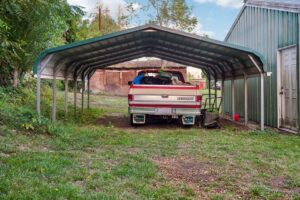
Metal buildings have become increasingly popular among homeowners, ranch owners, business owners, and property owners alike. These structures offer a versatile solution for various needs, from carports and garages to barns and RV covers. The durability and low maintenance of metal buildings make them an attractive option for those looking to invest in long-lasting structures. As Mike Daniels, owner of Metal Carports and Buildings, states, “Metal buildings are not just about strength; they represent a smart investment for anyone looking to protect their assets.”
The appeal of metal buildings lies in their ability to withstand harsh weather conditions, including heavy snow loads and high winds. With proper engineering and certification, these structures can be designed to meet local building codes, ensuring safety and longevity. Whether you are considering a metal garage for your vehicles or a barn for livestock, understanding the various factors that influence metal building pricing and installation is crucial for making an informed decision.
For those interested in understanding the nuances of metal building pricing and installation, a related article that provides valuable insights is available at this link: Steel Buildings in Little Cottonwood Creek Valley, Utah. This resource delves into the specific considerations and benefits of steel buildings in the region, complementing the information found in the Metal Buildings ID: Pricing and Installation Guide.
Factors Affecting Metal Building Pricing
When it comes to pricing metal buildings, several factors come into play. First and foremost is the size of the structure. Larger buildings require more materials and labor, which can significantly increase costs. Additionally, the complexity of the design can also affect pricing. A simple rectangular building will generally be less expensive than a custom-designed structure with multiple sections or unique features.
Another critical factor is the type of metal used in construction. Steel is the most common material for metal buildings due to its strength and durability. However, the quality of steel can vary, impacting both the price and the building’s longevity. Galvanized steel, for example, offers superior corrosion resistance but may come at a higher cost. Furthermore, local market conditions can influence pricing; areas with high demand for metal buildings may see increased prices due to competition among suppliers.
Types of Metal Buildings
Metal buildings come in various types, each serving different purposes. Carports are one of the most popular options for homeowners looking to protect their vehicles from the elements. These structures can be freestanding or attached to an existing building and are available in various sizes and styles.
Garages are another common type of metal building, providing secure storage for vehicles and tools. They can be customized with features such as insulation, windows, and doors to suit individual needs. For ranch owners, metal barns offer a robust solution for housing livestock and storing equipment. These buildings can be designed with specific features like ventilation systems and feed storage areas.
RV covers are essential for those who own recreational vehicles, providing protection from sun damage and harsh weather conditions. Steel buildings can also serve as versatile spaces for businesses, offering ample room for storage, workshops, or even retail spaces. Each type of metal building has its unique advantages, making it essential to choose one that aligns with your specific requirements.
Cost of Metal Building Materials
The cost of materials is a significant component of the overall price of a metal building. Steel prices fluctuate based on market demand and availability, so it’s essential to stay informed about current trends. On average, steel prices can range from $0.50 to $1.50 per pound, depending on the quality and type of steel used.
In addition to steel, other materials such as insulation, roofing, and siding can also impact costs. Insulation is particularly important for those living in areas with extreme temperatures, as it helps regulate indoor climate and reduces energy costs. The choice of roofing material can also affect pricing; options range from basic corrugated panels to more durable standing seam roofs.
When budgeting for a metal building project, it’s crucial to consider not only the cost of materials but also the potential need for additional features like windows, doors, and electrical systems. These elements can add significant value to your building but will also increase the overall cost.
If you’re considering investing in metal buildings, understanding the various factors that influence pricing and installation is crucial. A helpful resource that complements the Metal Buildings ID: Pricing and Installation Guide is an article on wind-rated metal buildings, which discusses how these structures can withstand harsh weather conditions. You can read more about it in this informative piece on wind-rated metal buildings. This information can assist you in making an informed decision for your construction needs.
Labor Costs for Metal Building Installation
| Building Size | Price Range | Installation Time |
|---|---|---|
| 20′ x 20′ | 3,000 – 5,000 | 1-2 days |
| 30′ x 40′ | 6,000 – 10,000 | 2-3 days |
| 40′ x 60′ | 10,000 – 15,000 | 3-4 days |
Labor costs are another critical factor in determining the total price of a metal building project. The complexity of the installation process can significantly influence labor expenses. For instance, a straightforward carport installation may require less labor than constructing a large barn with multiple sections.
On average, labor costs for metal building installation can range from $2 to $5 per square foot. This price can vary based on local labor rates and the experience level of the contractors involved. It’s essential to obtain multiple quotes from different contractors to ensure you receive a fair price for your project.
Additionally, consider whether you want to hire a general contractor or work directly with a specialized metal building installer. While general contractors may offer convenience by managing all aspects of the project, specialized installers often have more experience with metal structures and may provide better quality workmanship.
Additional Costs to Consider
Metal carports and buildings are a great investment for your property, visit https://metalcarportsandbuildings.com/building-styles/ to explore different building styles.
Beyond materials and labor, several additional costs should be factored into your budget when planning a metal building project. Site preparation is one such expense; leveling the ground and clearing debris can add significant costs depending on your property’s condition.
Permits and inspections are another essential consideration. Many local governments require permits for metal building installations to ensure compliance with zoning laws and safety regulations. The cost of permits can vary widely based on location but should always be included in your budget.
Finally, consider ongoing maintenance costs associated with your metal building. While these structures are generally low-maintenance compared to traditional wood buildings, periodic inspections and minor repairs may still be necessary over time.
Tips for Saving Money on Metal Building Installation
Saving money on your metal building project doesn’t have to mean sacrificing quality or functionality. One effective strategy is to plan ahead and conduct thorough research before making any decisions. Understanding your needs and budget will help you avoid unnecessary expenses down the line.
Another way to save is by purchasing materials in bulk or during sales events when prices may be lower. Many suppliers offer discounts for larger orders or seasonal promotions that can help reduce overall costs.
Additionally, consider opting for a simpler design that requires fewer materials and less labor for installation. While custom features may be appealing, they often come with higher price tags. Sticking to standard sizes and designs can help keep your project within budget without compromising on quality.
Average Pricing for Metal Buildings in Idaho
In Idaho, the average pricing for metal buildings varies based on size, type, and location within the state. For instance, a basic carport may start at around $2,000, while larger garages or barns can range from $10,000 to $30,000 or more depending on customization options.
It’s essential to note that regional factors can influence pricing as well. Areas with higher demand for metal buildings may see increased prices due to competition among suppliers and contractors. Therefore, it’s advisable to obtain quotes from multiple sources before making a final decision.
Choosing the Right Metal Building Contractor
Selecting the right contractor is crucial for ensuring a successful metal building project. Start by researching local contractors who specialize in metal structures; look for reviews and testimonials from previous clients to gauge their reputation.
When interviewing potential contractors, ask about their experience with similar projects and request references from past clients. It’s also essential to verify that they are licensed and insured to protect yourself from potential liabilities during the installation process.
Finally, obtain detailed quotes from multiple contractors that outline all costs associated with your project. This transparency will help you make an informed decision based on both price and quality of service.
Permits and Regulations for Metal Building Installation in Idaho
Before beginning any metal building project in Idaho, it’s essential to understand local permits and regulations that may apply. Most municipalities require permits for new construction projects to ensure compliance with zoning laws and safety standards.
The specific requirements can vary by location; therefore, it’s advisable to contact your local planning department or building authority for guidance on necessary permits and inspections. Failure to obtain the required permits can result in fines or delays in your project.
Additionally, familiarize yourself with any zoning restrictions that may affect your building’s size or placement on your property. Understanding these regulations upfront will help you avoid potential issues down the line.
Conclusion and Final Considerations
Investing in a metal building can provide significant benefits for homeowners, ranch owners, business owners, and property owners alike. By understanding the various factors that influence pricing—such as materials, labor costs, additional expenses, and local regulations—you can make informed decisions that align with your budget and needs.
As you embark on this journey, remember that thorough research is key to finding the right contractor and ensuring compliance with local regulations. By taking these steps, you can enjoy the many advantages that come with owning a durable and versatile metal building while protecting your investments for years to come.
For more information on metal buildings and industry standards, consider visiting organizations such as the Metal Building Manufacturers Association (MBMA) or the American Institute of Steel Construction (AISC). These resources provide valuable insights into best practices and industry trends that can further inform your decision-making process.
FAQs
1. What are the typical pricing ranges for metal buildings in Idaho?
Metal building prices in Idaho can vary depending on factors such as size, customization, and additional features. On average, the cost of a metal building in Idaho can range from $6 to $20 per square foot.
2. What factors can affect the pricing of metal buildings in Idaho?
Several factors can impact the pricing of metal buildings in Idaho, including the size of the building, customization options, additional features such as insulation or windows, and the complexity of the installation process.
3. Are there any specific building codes or regulations in Idaho that may affect the installation of metal buildings?
Yes, Idaho has specific building codes and regulations that may affect the installation of metal buildings. It is important to consult with local authorities and obtain the necessary permits before installing a metal building in Idaho.
4. What are the typical installation timelines for metal buildings in Idaho?
The installation timeline for metal buildings in Idaho can vary depending on factors such as the size and complexity of the building, as well as the availability of materials and labor. On average, the installation process for a metal building in Idaho can take anywhere from a few days to a few weeks.
5. Are there any reputable metal building suppliers and installers in Idaho?
Yes, there are several reputable metal building suppliers and installers in Idaho. It is important to research and compare different companies to find one that meets your specific needs and budget. Additionally, it is recommended to read customer reviews and ask for references before choosing a supplier or installer for your metal building project.