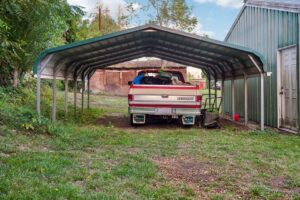
Metal buildings are increasingly popular among homeowners, ranchers, and property owners due to their durability, versatility, and cost-effectiveness. These structures are typically made from steel or aluminum, which provide a robust framework that can withstand various environmental conditions. The design of a metal building often includes a series of vertical columns and horizontal beams, creating a strong skeleton that supports the roof and walls. This structural integrity is essential for ensuring the building can handle snow loads, wind loads, and other stresses.
One of the key advantages of metal buildings is their customizable nature. Owners can choose from various roof styles, sizes, and finishes to suit their specific needs. For instance, a rancher might opt for a large barn with high ceilings to accommodate livestock, while an RV owner may prefer a carport designed to protect their vehicle from the elements. Understanding the structure of a metal building is crucial for anyone considering moving one, as it impacts how the building can be disassembled and reassembled.
If you’re considering the possibility of relocating your metal building in the future, you may find it helpful to read about the various options available for custom metal carports. An insightful article on this topic can be found at Custom Metal Carports Near Sublette County, WY, which discusses installation considerations and the flexibility of metal structures. Understanding these factors can help you make informed decisions about your metal building’s placement and potential relocation.
Factors to Consider Before Moving a Metal Building
Before deciding to move a metal building, several factors must be taken into account. First and foremost is the reason for the move. Are you relocating to a new property, or do you simply need to reposition the building on your current land? Understanding your motivation will help guide your decision-making process. Additionally, consider the size and weight of the building; larger structures may require specialized equipment for transport.
Another critical factor is the local climate and environmental conditions at the new location. For example, if you’re moving to an area with heavier snowfall or stronger winds, you may need to reinforce the building to meet local building codes. It’s also essential to evaluate the foundation at the new site; a solid foundation is crucial for the longevity and stability of your metal building. Consulting with professionals can provide valuable insights into these considerations.
Assessing the Condition of the Metal Building
Before moving a metal building, it’s vital to assess its current condition thoroughly. Look for signs of rust, corrosion, or structural damage that could complicate the move. A visual inspection can reveal issues such as bent beams or weakened joints that may need repair before disassembly. Additionally, check for any leaks in the roof or walls that could lead to further deterioration during transport.
It’s also wise to consider how well the building has been maintained over the years. Regular maintenance can significantly extend the life of a metal structure, so if you have kept up with repairs and upkeep, your building may be in better shape than you think. Documenting any repairs or upgrades made over time can also be beneficial when discussing the move with professionals.
Hiring Professional Services for Moving a Metal Building
Moving a metal building is not a DIY project; it requires specialized knowledge and equipment. Hiring professional services ensures that the move is executed safely and efficiently. Look for companies that specialize in metal building relocation, as they will have experience with disassembly, transport, and reassembly. They can also provide valuable advice on any necessary modifications needed for your new location.
When selecting a moving company, consider their reputation and customer reviews. Ask for references and check their credentials to ensure they are licensed and insured. A reputable company will also provide a detailed estimate that outlines all costs associated with the move, helping you avoid unexpected expenses down the line.
If you’re considering the flexibility of your metal building, you might find it useful to explore how metal storage buildings can be installed in various locations, as discussed in this article on metal storage buildings near Coos County, Oregon. Understanding the installation process and the potential for relocation can help you make informed decisions about your investment.
Obtaining Necessary Permits and Approvals
| Question | Answer |
|---|---|
| Can a Metal Building Be Moved Later? | Yes, metal buildings can be disassembled and relocated to a new site if needed. |
| Factors to Consider | Cost of disassembly and reassembly, transportation, and site preparation at the new location. |
| Professional Assistance | It is recommended to hire professionals with experience in moving metal buildings to ensure the process is done safely and efficiently. |
Before moving your metal building, it’s essential to obtain any necessary permits and approvals from local authorities. Building codes vary by location, so check with your local zoning office to understand what is required for relocating a structure. This may include permits for disassembly, transport, and reassembly at the new site.
In some cases, you may also need to submit plans for how the building will be reassembled at its new location. This is particularly important if you’re making any modifications or upgrades during the move. Failing to secure the proper permits can lead to fines or complications down the road, so it’s best to be proactive in this regard.
If you’re considering the flexibility of your metal building, you might find it useful to explore whether a metal structure can be relocated in the future. This topic is closely related to the considerations outlined in an article about metal carports in Utah, which discusses various aspects of installation and mobility. For more insights on this subject, you can read the article on metal carports in Skull Valley, UT. Understanding these factors can help you make informed decisions about your metal building investment.
Disassembling and Preparing the Metal Building for Transport
Sure, here is the sentence with the clickable link:
Please visit our website to Request a Free No Obligation Quote: Request a Free No Obligation Quote.
Once you’ve secured permits and hired professionals, it’s time to disassemble the metal building. This process typically involves removing panels, disconnecting utilities, and carefully taking apart structural components. It’s crucial to label each piece during disassembly to ensure that reassembly goes smoothly at the new site.
Preparation for transport also includes securing all components properly to prevent damage during transit. Professionals will use specialized equipment such as cranes or forklifts to handle heavy parts safely. Additionally, they will ensure that all necessary safety protocols are followed during this phase to protect both workers and the structure itself.
Transportation and Reassembly of the Metal Building
Transportation of a metal building requires careful planning and execution. The route should be assessed for any potential obstacles such as low bridges or narrow roads that could hinder transport. Depending on the size of your building, you may need special permits for oversized loads.
Upon arrival at the new location, reassembly begins with laying a solid foundation if necessary. Professionals will follow the original design plans closely to ensure that everything fits together correctly. This phase may also involve reinforcing certain areas of the structure based on local building codes or environmental conditions.
Potential Challenges and Risks of Moving a Metal Building
While moving a metal building can be a rewarding endeavor, it does come with its share of challenges and risks. One significant concern is potential damage during disassembly or transport; even minor dents or scratches can compromise the integrity of the structure over time. Additionally, unforeseen weather conditions can delay transport or complicate reassembly.
Another risk involves compliance with local regulations; failing to adhere to building codes can result in fines or even forced removal of the structure. It’s essential to work closely with professionals who understand these regulations and can help navigate any potential pitfalls.
Cost Considerations for Moving a Metal Building
The cost of moving a metal building can vary widely based on several factors, including size, distance of transport, and any necessary modifications or repairs. On average, homeowners can expect to pay anywhere from $1,500 to $5,000 for a standard-sized building move; however, larger structures may incur higher costs due to additional labor and equipment needs.
It’s also important to factor in costs associated with obtaining permits and making any necessary upgrades at the new site. To get an accurate estimate tailored to your specific situation, consider reaching out for quotes from multiple moving companies.
Alternative Options for Repurposing a Metal Building
If moving your metal building proves too costly or complicated, consider alternative options for repurposing it on your current property. For instance, you might transform it into a workshop or storage space rather than relocating it entirely. This approach allows you to maximize your investment while avoiding the challenges associated with moving.
Another option is to sell or lease the building if you no longer need it but want to recoup some of your investment. Many buyers are interested in purchasing used metal buildings for various purposes, from agricultural use to commercial applications.
Is Moving a Metal Building Feasible?
In conclusion, moving a metal building is feasible but requires careful planning and consideration of various factors such as structural integrity, local regulations, and costs involved. By assessing your needs and working with experienced professionals, you can navigate this process successfully.
If you’re contemplating moving your metal building or exploring alternative options, don’t hesitate to reach out for expert guidance. For a free no-obligation quote tailored to your specific needs, contact us at (435) 250-4446 or visit metalcarportsandbuildings.com today!
FAQs
Can a metal building be moved later?
Yes, metal buildings can be disassembled and moved to a new location if necessary.
What is involved in moving a metal building?
Moving a metal building involves disassembling the structure, transporting the components to the new location, and reassembling the building.
Is it cost-effective to move a metal building?
The cost-effectiveness of moving a metal building depends on factors such as the size of the building, the distance of the move, and the condition of the building components.
Can any metal building be moved?
Not all metal buildings are designed to be moved, so it’s important to consult with a professional to determine if a specific building can be relocated.
Are there any limitations to moving a metal building?
Some limitations to moving a metal building may include local building codes, structural integrity, and the availability of professional movers with experience in relocating metal buildings.