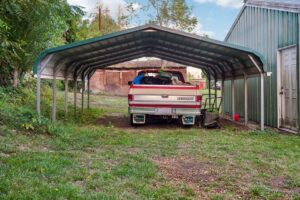
When it comes to constructing a metal building, whether it’s a garage, barn, or workshop, the importance of proper ground preparation cannot be overstated. The foundation is the backbone of any structure, and if it’s not done right, the entire building can suffer from structural issues down the line. A well-prepared site ensures that your metal building will stand strong against the elements, including heavy snow loads and high winds. It also helps prevent water damage, which can lead to costly repairs and maintenance.
Proper ground preparation also plays a crucial role in meeting local building codes and regulations. Many areas require specific permits and inspections before construction can begin. By ensuring that your site is adequately prepared, you can streamline the permitting process and avoid potential delays. This proactive approach not only saves time but also provides peace of mind knowing that your investment is built on a solid foundation.
When considering the preparation of ground for a metal building, it’s essential to understand the various factors that contribute to a solid foundation. For further insights into the construction and benefits of metal structures, you can explore a related article on metal workshop buildings in Lake Oswego, Oregon. This resource provides valuable information on design options, construction techniques, and site preparation that can enhance your understanding of how to effectively prepare your land for a metal building. For more details, visit this article.
Clearing and Leveling the Site
The first step in preparing your ground for a metal building is clearing and leveling the site. This involves removing any vegetation, rocks, or debris that may interfere with the construction process. It’s essential to have a clean slate to work with, as any obstructions can lead to uneven settling and structural issues later on. Depending on the size of your project, this may require heavy machinery or manual labor.
Once the site is cleared, leveling is the next critical step. A level surface is vital for ensuring that your metal building sits evenly, which helps distribute weight properly and prevents stress on the structure. You can use tools like a laser level or a transit level to achieve precision in leveling. If your land has significant slopes or dips, you may need to consider grading or filling to create a flat surface.
Soil Testing and Analysis
Before proceeding with construction, conducting soil testing and analysis is essential. This step helps determine the soil’s load-bearing capacity and composition, which are crucial factors in deciding the type of foundation your metal building will require. Soil tests can reveal whether your ground is sandy, clayey, or rocky, each of which has different implications for stability and drainage.
Understanding the soil conditions can also help you identify potential issues such as expansive soils that may shift with moisture changes. For instance, clay soils can swell when wet and shrink when dry, leading to foundation problems if not addressed properly. By investing in soil testing upfront, you can make informed decisions about your foundation design and avoid costly mistakes down the road.
Compacting the Soil
Once you have analyzed the soil and determined its characteristics, the next step is compacting it. Soil compaction is crucial for increasing the density of the soil, which enhances its load-bearing capacity. This process involves using a compactor or roller to compress the soil particles together, reducing air pockets and increasing stability.
Compacting the soil not only strengthens the foundation but also minimizes settling over time. If you skip this step, you risk having your metal building settle unevenly, leading to cracks in walls or floors and misaligned doors and windows. For optimal results, it’s advisable to compact the soil in layers rather than all at once, allowing for better density throughout the foundation area.
When considering how to prepare ground for a metal building, it’s essential to understand the specific requirements that ensure stability and longevity. A well-prepared site can significantly impact the overall performance of the structure. For those interested in enhancing their metal buildings with additional features, you might find it helpful to read about wind-rated metal buildings, which provide extra durability against harsh weather conditions. This information can be invaluable in making informed decisions about your construction project.
Installing Drainage Systems
| Steps for Preparing Ground for a Metal Building |
|---|
| 1. Clear the area of any vegetation, rocks, and debris. |
| 2. Level the ground using a grader or bulldozer to ensure a flat surface. |
| 3. Compact the soil to create a stable foundation. |
| 4. Install a layer of gravel or crushed stone to improve drainage and stability. |
| 5. Consider adding a vapor barrier to prevent moisture from seeping into the building. |
| 6. Consult with a professional to ensure the ground is properly prepared for the specific requirements of your metal building. |
Effective drainage systems are vital for protecting your metal building from water damage. Poor drainage can lead to water pooling around the foundation, which can cause erosion and weaken the structure over time. Before laying down your foundation, consider installing a drainage system that directs water away from your building site.
There are various types of drainage solutions available, including French drains, surface drains, and swales. Each option has its advantages depending on your specific site conditions. For example, if your property has a natural slope, a swale may be an effective way to redirect water flow. Consulting with a drainage expert can help you choose the best system for your needs.
Adding a Layer of Gravel or Sand
Sure, here is the sentence with the clickable link:
Please visit our website to Request a Free No Obligation Quote: https://metalcarportsandbuildings.com/contact
After ensuring proper drainage, adding a layer of gravel or sand is an excellent way to create a stable base for your metal building’s foundation. This layer serves multiple purposes: it provides additional drainage, helps with leveling, and offers a solid surface for construction.
Gravel is particularly beneficial because it allows water to flow through while providing excellent support for heavy structures. A thickness of 4 to 6 inches is typically recommended for gravel layers. If you opt for sand instead, ensure it is well-compacted to prevent shifting over time. This layer acts as a buffer between the soil and your foundation, further enhancing stability.
Setting the Foundation Anchors
With your gravel or sand layer in place, it’s time to set the foundation anchors for your metal building. These anchors are crucial for securing your structure against wind loads and other environmental factors. Depending on local building codes and the size of your building, you may need to use different types of anchors such as concrete piers or ground anchors.
When setting anchors, it’s essential to follow manufacturer guidelines closely to ensure they are installed correctly. Proper anchoring not only enhances stability but also helps prevent movement during extreme weather conditions. For larger buildings or those in high-wind areas, additional anchoring methods may be necessary to meet safety standards.
Ensuring Proper Drainage and Erosion Control
As you prepare for construction, ensuring proper drainage and erosion control remains paramount. Even after installing drainage systems and adding gravel or sand layers, ongoing maintenance is necessary to keep water away from your foundation. Regularly inspect drainage systems for blockages and ensure that gutters and downspouts direct water away from the building.
Erosion control measures such as planting grass or installing retaining walls can also help protect your site from water runoff that could undermine your foundation over time. These proactive steps will safeguard your investment and extend the lifespan of your metal building.
Considering Environmental Factors
When preparing the ground for your metal building, it’s essential to consider environmental factors that could impact its longevity and performance. For instance, if you live in an area prone to heavy snowfall or high winds, you’ll need to ensure that your foundation can withstand these forces.
Additionally, local climate conditions such as rainfall patterns can influence drainage needs. Understanding these factors will help you make informed decisions about materials and construction methods that will best suit your environment. For example, if you’re in a flood-prone area, elevating your building on piers may be necessary to prevent water damage.
Consulting with Professionals
While many homeowners and property owners may feel confident tackling ground preparation on their own, consulting with professionals can provide invaluable insights and expertise. Engineers or contractors specializing in metal buildings can offer guidance on best practices tailored to your specific site conditions.
Professional consultations can also help ensure compliance with local building codes and regulations, which can vary significantly by location. By working with experts in the field, you can avoid common pitfalls and ensure that your metal building is constructed on a solid foundation that meets all safety standards.
Final Inspections and Preparing for Construction
Before breaking ground on your metal building project, conducting final inspections of your prepared site is crucial. This includes checking that all drainage systems are functioning correctly, verifying that soil compaction meets standards, and ensuring that all permits are in place.
Once everything is confirmed to be in order, you’ll be ready to move forward with construction confidently. Proper preparation not only sets the stage for a successful build but also ensures that your metal structure will stand strong against whatever nature throws its way.
In conclusion, preparing the ground for a metal building involves several critical steps that require careful planning and execution. From clearing and leveling the site to ensuring proper drainage and consulting with professionals, each phase plays a vital role in creating a solid foundation for your investment. By taking these steps seriously, you’ll set yourself up for success in constructing a durable and long-lasting metal structure.
If you’re ready to take the next step in your metal building project or have questions about any aspect of preparation or construction, don’t hesitate to reach out for assistance! Contact us at (435) 250-4446 for a free no-obligation quote or visit us at metalcarportsandbuildings.com for more information on our services and offerings!
FAQs
What is the first step in preparing ground for a metal building?
The first step in preparing ground for a metal building is to clear the area of any vegetation, rocks, and debris. This will ensure a smooth and level surface for the building’s foundation.
What are the different methods for leveling the ground for a metal building?
There are several methods for leveling the ground for a metal building, including using a bulldozer or excavator to remove excess soil, using a laser level to ensure an even surface, and using a compactor to compact the soil.
Why is it important to properly prepare the ground for a metal building?
Properly preparing the ground for a metal building is important to ensure the stability and longevity of the structure. A well-prepared foundation will prevent settling, shifting, and other issues that can compromise the integrity of the building.
What materials are commonly used for the foundation of a metal building?
Common materials used for the foundation of a metal building include concrete, gravel, and asphalt. The choice of material will depend on factors such as the building’s size, local building codes, and the soil composition of the site.
Are there any specific considerations for preparing ground for a metal building in areas with extreme weather conditions?
In areas with extreme weather conditions, such as high winds or heavy snowfall, it is important to take additional precautions when preparing the ground for a metal building. This may include using deeper footings, reinforcing the foundation, and ensuring proper drainage to prevent water damage.