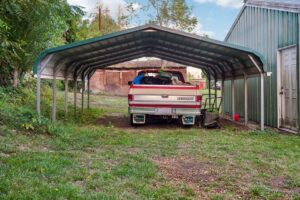
When considering a metal building for your property, understanding its lifespan is crucial. Metal buildings, such as garages, barns, and workshops, are known for their durability and longevity. On average, a well-constructed metal building can last anywhere from 30 to 50 years, depending on various factors. This impressive lifespan is one of the reasons why homeowners, ranchers, and property owners are increasingly opting for metal structures over traditional wood or brick buildings.
The longevity of metal buildings is primarily attributed to the materials used in their construction. Steel, the most common material for metal buildings, is resistant to many of the issues that plague other building materials, such as rot, pests, and warping. Additionally, advancements in metal building technology have led to the development of coatings and treatments that enhance corrosion resistance and overall durability. As a result, investing in a metal building can provide peace of mind for years to come.
If you’re curious about the longevity of metal buildings, you might find it helpful to explore related topics, such as the installation of RV covers in various locations. A comprehensive article on this subject can be found at RV Covers Metal Near Weston County, WY, which discusses the benefits and durability of metal structures in different environments. This information can provide additional insights into how metal buildings can withstand the test of time.
Factors Affecting the Longevity of Metal Buildings
Several factors can influence the lifespan of a metal building. One of the most significant is the quality of materials used in its construction. High-grade steel with protective coatings will outperform lower-quality alternatives. When selecting a metal building, it’s essential to choose a reputable manufacturer that uses premium materials and adheres to industry standards.
Another critical factor is the design and engineering of the building. Properly designed structures can withstand environmental stresses such as wind and snow loads. For instance, if you live in an area prone to heavy snowfall, it’s vital to ensure that your metal building is engineered to handle those loads. This not only extends the life of the building but also ensures safety and functionality.
Maintenance and Care for Extending the Life of Metal Buildings
Regular maintenance is key to extending the lifespan of your metal building. While metal structures require less upkeep than traditional buildings, they still need attention to remain in optimal condition. Routine inspections should be conducted to check for signs of rust, corrosion, or damage. Cleaning the exterior surfaces periodically can help prevent dirt and debris from accumulating, which can lead to corrosion over time.
Additionally, paying attention to the roof is crucial. Metal roofs are generally durable, but they can be susceptible to damage from falling branches or debris during storms. Regularly inspecting and maintaining your roof will help ensure that it remains intact and functional for years to come. Simple tasks like clearing gutters and ensuring proper drainage can significantly impact the longevity of your metal building.
Common Issues that Affect the Longevity of Metal Buildings
Despite their durability, metal buildings can face common issues that may affect their lifespan. One such issue is rust, which can occur if the protective coating on the steel is compromised. Rust not only affects the aesthetic appeal of the building but can also weaken its structural integrity over time. To combat this, it’s essential to choose buildings with high-quality finishes and to perform regular maintenance checks.
Another concern is improper installation. A poorly installed metal building may experience issues such as misalignment or inadequate anchoring, leading to structural problems down the line. Ensuring that your building is installed by experienced professionals can mitigate these risks and enhance its longevity.
When considering the longevity of metal buildings, it’s essential to also evaluate the costs associated with their installation and maintenance. A related article that provides valuable insights into the pricing of steel structures can be found here: steel shed installation costs. Understanding these factors can help you make a more informed decision about investing in a metal building for your needs.
The Impact of Environmental Conditions on Metal Building Lifespan
| Factors | Expected Lifespan |
|---|---|
| Quality of Materials | 50+ years |
| Maintenance | 50+ years |
| Environmental Conditions | 40-60 years |
| Construction Quality | 50+ years |
Environmental conditions play a significant role in determining how long a metal building will last. Areas with extreme weather conditions—such as heavy snowfall, high winds, or intense heat—can put additional stress on a structure. For example, buildings in regions with heavy snowfall must be designed with adequate roof slopes and support systems to handle the weight of accumulated snow.
Additionally, coastal areas may face challenges due to saltwater exposure, which can accelerate corrosion if not properly addressed. Choosing materials with enhanced corrosion resistance and ensuring proper maintenance can help mitigate these environmental impacts and extend the life of your metal building.
When considering the longevity of metal buildings, it’s essential to explore various factors that contribute to their durability and maintenance. A related article discusses the pricing and costs associated with different sizes of metal structures, which can influence their overall lifespan. For more insights on this topic, you can check out the article on metal shop building pricing. Understanding these aspects can help you make informed decisions about your investment in metal buildings.
Comparing the Lifespan of Metal Buildings to Other Construction Materials
Sure, here is the sentence with the clickable link:
Please visit our website to Request a Free No Obligation Quote: https://metalcarportsandbuildings.com/contact
When comparing metal buildings to other construction materials like wood or concrete, it becomes clear why many property owners prefer steel structures. Wood buildings are susceptible to rot, pests, and fire damage, which can significantly shorten their lifespan. In contrast, metal buildings are resistant to these issues, making them a more durable option.
Concrete buildings offer excellent longevity but often come with higher costs and longer construction times. Metal buildings provide a balance between durability and affordability, making them an attractive choice for homeowners and ranchers alike. With proper care and maintenance, metal structures can outlast their wooden or concrete counterparts by decades.
Benefits of Choosing Metal Buildings for Long-Term Use
Choosing a metal building offers numerous benefits for long-term use. One of the most significant advantages is their low maintenance requirements compared to traditional structures. With minimal upkeep needed, property owners can save both time and money over the years.
Additionally, metal buildings are highly customizable. Whether you need a garage, barn, or workshop, you can design a structure that meets your specific needs while ensuring it adheres to local building codes and regulations. This flexibility allows you to create a space that not only serves its purpose but also enhances your property’s value.
Case Studies of Long-Lasting Metal Buildings
Numerous case studies highlight the longevity of metal buildings across various applications. For instance, many agricultural operations have successfully utilized metal barns for decades without significant structural issues. These barns have withstood harsh weather conditions while providing reliable storage for equipment and livestock.
In another example, RV owners have reported using metal carports for over 20 years without any major repairs needed. These structures have effectively protected their vehicles from the elements while maintaining their structural integrity. Such real-world examples demonstrate that when properly constructed and maintained, metal buildings can indeed stand the test of time.
Tips for Choosing a Durable Metal Building
When selecting a durable metal building, consider several key factors to ensure you make an informed decision. First, research manufacturers thoroughly; look for companies with positive reviews and a proven track record in producing high-quality structures. Additionally, inquire about warranties offered on materials and workmanship—this can provide added peace of mind regarding your investment.
Next, pay attention to local building codes and regulations when designing your structure. Ensuring compliance will not only help avoid potential legal issues but also guarantee that your building is engineered to withstand local environmental conditions effectively.
Extending the Lifespan of Existing Metal Buildings
If you already own a metal building and want to extend its lifespan further, there are several steps you can take. Regular inspections are crucial; look for signs of wear or damage that may need addressing before they become more significant issues. If you notice rust or corrosion, consider applying protective coatings or treatments designed specifically for metal surfaces.
Additionally, ensure that your building is adequately anchored to withstand environmental stresses such as high winds or heavy snowfall. Reinforcing connections and adding support where necessary can significantly enhance your structure’s durability.
Planning for the Long-Term Use of Metal Buildings
When planning for long-term use of a metal building, consider future needs as well as current requirements. Think about how your space may need to adapt over time—whether it’s expanding storage capacity or converting a workshop into a living space down the line.
Moreover, investing in quality materials from reputable manufacturers will pay off in the long run. By prioritizing durability and proper design from the outset, you’ll set yourself up for success with a structure that meets your needs now and into the future.
In conclusion, investing in a metal building offers numerous advantages in terms of longevity and durability compared to traditional construction materials. By understanding factors affecting lifespan, performing regular maintenance, and choosing quality materials from trusted manufacturers like those found at [Metal Carports and Buildings](https://metalcarportsandbuildings.com/), you can ensure that your investment stands strong for decades to come.
For a free no-obligation quote on your next project or any questions about metal buildings, call us at (435) 250-4446 or visit [metalcarportsandbuildings.com](https://metalcarportsandbuildings.com/).
FAQs
1. What is the typical lifespan of a metal building?
Metal buildings are known for their durability and longevity, with an average lifespan of 30-40 years. However, with proper maintenance and care, metal buildings can last well over 50 years.
2. What factors can affect the lifespan of a metal building?
Several factors can impact the lifespan of a metal building, including the quality of materials used, the level of maintenance and upkeep, exposure to harsh weather conditions, and the presence of corrosive elements such as salt or chemicals.
3. How can I extend the lifespan of my metal building?
Regular maintenance, including inspections for rust or corrosion, repainting, and addressing any structural issues, can help extend the lifespan of a metal building. Additionally, proper drainage and ventilation can prevent moisture buildup, which can lead to rust and deterioration.
4. Are there any specific maintenance tasks that should be performed to prolong the lifespan of a metal building?
Regularly inspecting the building for signs of rust, corrosion, or damage, as well as promptly addressing any issues, is crucial for maintaining the longevity of a metal building. Additionally, applying a new coat of paint every 10-15 years can help protect the metal from corrosion and extend its lifespan.
5. Can metal buildings be recycled at the end of their lifespan?
Yes, metal buildings are highly recyclable. At the end of their lifespan, the metal components can be recycled and used to create new products, making them an environmentally friendly building option.