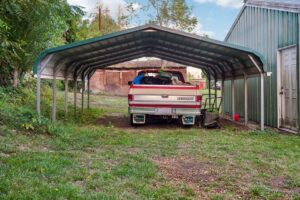
Installing a metal building yourself can be a rewarding endeavor that offers numerous benefits. First and foremost, it allows you to save on labor costs, which can significantly reduce the overall expense of your project. By taking on the installation yourself, you can allocate those savings toward higher-quality materials or additional features for your building. This financial flexibility is particularly appealing for homeowners, ranchers, and property owners who are looking to maximize their investment.
Moreover, a DIY installation provides you with complete control over the project timeline. You can work at your own pace, ensuring that every detail meets your standards. This flexibility is especially beneficial for those with busy schedules or other commitments. Additionally, the process of building your own structure can be incredibly satisfying. It gives you a sense of accomplishment and pride in creating something functional and durable that will serve your needs for years to come.
If you’re considering the DIY approach to installing a metal building, you might find it helpful to read a related article that discusses the various aspects of commercial metal buildings and their installation. This article provides insights into the benefits of metal structures, as well as tips for ensuring a successful installation. For more information, check out this resource on commercial metal buildings in Fairfield, UT.
Assessing Your Skills and Resources for DIY Metal Building Installation
Before diving into a DIY metal building installation, it’s crucial to assess your skills and resources. Consider your experience with construction projects—do you have a background in carpentry or metalwork? If you’ve tackled home improvement projects before, you may find that many of the skills you’ve developed will transfer to this new challenge. However, if you’re new to construction, it may be wise to start with a smaller project or seek guidance from someone with more experience.
In addition to skills, evaluate the resources at your disposal. Do you have access to the necessary tools and equipment? A successful installation often requires specific tools such as wrenches, drills, and levels. If you don’t own these tools, consider whether you can borrow them or rent them from a local hardware store. Furthermore, think about the time you can dedicate to the project. A metal building installation can take several days, depending on its size and complexity, so ensure you have the time to commit without rushing through critical steps.
Understanding the Legal and Safety Requirements for DIY Metal Building Installation
Before starting your DIY metal building project, it’s essential to understand the legal and safety requirements in your area. Most municipalities require permits for constructing metal buildings, especially if they exceed certain dimensions or are intended for commercial use. Check with your local zoning office to determine what permits are necessary and ensure that your building complies with local codes and regulations.
Safety is another critical aspect to consider. Metal buildings can be heavy and unwieldy, so it’s vital to follow safety protocols during installation. Wear appropriate personal protective equipment (PPE), such as gloves, safety glasses, and hard hats. Additionally, if you’re working at heights or using ladders, ensure that you have a spotter or someone to assist you. Taking these precautions will help prevent accidents and ensure a smoother installation process.
Choosing the Right Type of Metal Building for DIY Installation
Selecting the right type of metal building is crucial for a successful DIY installation. There are various styles available, including garages, carports, barns, workshops, and sheds. Each type serves different purposes and has unique design considerations. For instance, if you’re looking for a simple storage solution, a shed may be the best option. However, if you need space for vehicles or equipment, a garage or carport might be more suitable.
When choosing a building type, also consider factors such as size and roof style. A gable roof offers excellent snow runoff and is aesthetically pleasing, while a flat roof may be easier to install but could require additional drainage considerations. Think about how much space you need and whether you plan to expand in the future. By carefully evaluating your needs and preferences, you can select a metal building that aligns with your goals.
If you’re considering the DIY approach for your metal building project, it’s essential to understand the costs involved to make an informed decision. A related article that provides valuable insights into the expenses associated with constructing a metal shop building can be found here: metal shop building costs. This resource outlines various factors that can influence your budget, helping you assess whether taking on the installation yourself is a feasible option.
Gathering the Necessary Tools and Equipment for DIY Metal Building Installation
| Task | Difficulty Level | Time Required |
|---|---|---|
| Site Preparation | Easy | 1-2 days |
| Foundation Installation | Moderate | 1-2 days |
| Building Assembly | Difficult | 3-5 days |
| Finishing Touches | Easy | 1-2 days |
Once you’ve chosen the right type of metal building for your project, it’s time to gather the necessary tools and equipment for installation. A well-equipped toolbox will make the process smoother and more efficient. Essential tools typically include wrenches, socket sets, drills, levels, measuring tapes, and safety gear like gloves and goggles.
In addition to hand tools, consider any power tools that may expedite the installation process. For example, an electric drill can save time when securing bolts and screws. If you’re working on a larger structure, you might also need equipment like scaffolding or ladders to reach higher areas safely. Make sure everything is in good working condition before starting your project to avoid delays caused by malfunctioning tools.
If you’re considering taking on the project of installing a metal building yourself, it’s essential to understand the various factors involved in the process. A helpful resource that can provide insights into finding professional assistance is available in this article about locating steel building contractors in your area. By exploring this related article, you can determine whether hiring a contractor might be a better option for your specific needs, ensuring a successful installation.
Preparing the Site for DIY Metal Building Installation
Sure, here is the sentence with the clickable link:
Please visit our website to Request a Free No Obligation Quote: https://metalcarportsandbuildings.com/contact
Preparing the site is a critical step in ensuring a successful DIY metal building installation. Start by selecting a level area that is free from debris and obstacles. A flat surface will help ensure that your building is stable and secure once installed. If necessary, clear away any vegetation or rocks that could interfere with the foundation.
Next, consider laying a solid foundation for your metal building. Depending on local regulations and the size of your structure, this could involve pouring concrete footings or using gravel as a base. A proper foundation not only supports the weight of the building but also helps prevent shifting or settling over time. Take measurements carefully to ensure that your building will fit within the designated area without encroaching on property lines or easements.
Step-by-Step Guide to DIY Metal Building Installation
With everything prepared, it’s time to dive into the step-by-step process of installing your metal building. Start by laying out all components according to the manufacturer’s instructions. This typically includes assembling the frame first before attaching walls and roofing panels.
Begin with the foundation—if you’ve poured concrete footings or laid gravel, ensure they are set before proceeding. Next, assemble the frame according to the provided plans; this usually involves connecting vertical posts with horizontal beams using bolts or screws. Once the frame is secure, attach wall panels starting from one corner and working your way around.
After securing the walls, move on to installing the roof panels. Depending on your chosen roof style, this may involve different techniques for securing panels at angles or seams. Finally, double-check all connections and ensure everything is level before finishing up with any additional features like doors or windows.
Common Challenges and Pitfalls of DIY Metal Building Installation
While installing a metal building yourself can be rewarding, it’s not without its challenges. One common pitfall is underestimating the time required for installation. Many DIYers find themselves overwhelmed when they realize how long it takes to assemble all components correctly. To avoid this issue, create a detailed timeline before starting and allocate extra time for unexpected delays.
Another challenge is ensuring proper alignment during assembly. If components are not aligned correctly from the start, it can lead to structural issues down the line. Take your time during each step of assembly to ensure everything is level and square before moving on to the next phase of installation.
Tips for Successfully Completing DIY Metal Building Installation
To successfully complete your DIY metal building installation, consider these helpful tips. First, always refer back to the manufacturer’s instructions throughout the process; they provide valuable guidance specific to your building model. Additionally, don’t hesitate to ask for help from friends or family members—having an extra set of hands can make tasks like lifting heavy panels much easier.
Another tip is to take frequent breaks during installation to avoid fatigue. Working too long without rest can lead to mistakes or accidents. Finally, keep all tools organized and within reach; this will help streamline your workflow and minimize frustration as you progress through each step.
Seeking Professional Help for Certain Aspects of DIY Metal Building Installation
While many aspects of metal building installation can be tackled by determined DIYers, there are certain situations where seeking professional help may be beneficial. For instance, if you’re unsure about local building codes or permit requirements, consulting with a professional can save you from potential legal issues down the line.
Additionally, if you’re uncomfortable with specific tasks—such as electrical work or plumbing—it’s wise to hire licensed professionals who specialize in those areas. This ensures that everything is done safely and up to code while allowing you to focus on other aspects of your project.
Final Considerations and Recommendations for DIY Metal Building Installation
As you embark on your DIY metal building installation journey, keep these final considerations in mind. Always prioritize safety by wearing appropriate gear and following best practices throughout the process. Take your time during each step; rushing can lead to mistakes that may compromise the integrity of your structure.
Finally, remember that resources are available to assist you along the way. Websites like [Metal Carports and Buildings](https://metalcarportsandbuildings.com/) offer valuable information on different building styles and designs that can help guide your decision-making process.
If you’re ready to take the plunge into installing your own metal building but want some expert advice or assistance along the way, don’t hesitate to reach out for a free no-obligation quote at (435) 250-4446 or visit [metalcarportsandbuildings.com](https://metalcarportsandbuildings.com/). With careful planning and execution, you’ll soon have a durable structure that meets all your needs!
FAQs
1. What are the advantages of installing a metal building yourself?
Installing a metal building yourself can save you money on labor costs and give you the flexibility to work at your own pace. It can also be a rewarding DIY project for those who enjoy hands-on work.
2. What are the challenges of installing a metal building yourself?
Installing a metal building yourself requires a certain level of skill and expertise, as well as access to the necessary tools and equipment. It can also be time-consuming and physically demanding.
3. Are there any legal or permit requirements for installing a metal building yourself?
Before installing a metal building yourself, it’s important to check with local building codes and regulations to ensure that you have the necessary permits and approvals. Failure to comply with these requirements can result in fines or other legal consequences.
4. What tools and equipment are needed to install a metal building yourself?
The tools and equipment needed to install a metal building yourself may include a level, drill, screwdriver, wrench, ladder, and safety gear such as gloves and goggles. The specific requirements will depend on the size and complexity of the building.
5. Are there any resources or guides available for installing a metal building yourself?
There are numerous resources and guides available, including instructional videos, manuals, and online forums where DIY enthusiasts can share tips and advice. It’s important to thoroughly research and plan the installation process before beginning the project.