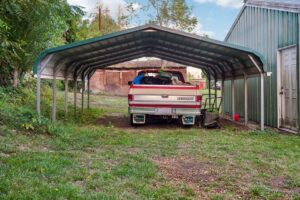
Metal buildings are structures primarily constructed from steel or aluminum, designed for various purposes, including storage, workshops, and even residential living. These buildings are known for their durability, strength, and versatility. Unlike traditional wooden structures, metal buildings can withstand harsh weather conditions, making them an excellent choice for homeowners, ranchers, RV owners, and property owners looking for reliable and long-lasting solutions.
The construction of metal buildings typically involves pre-engineered components that can be assembled quickly and efficiently. This prefabrication process not only reduces construction time but also minimizes labor costs. With a variety of styles and sizes available, metal buildings can be tailored to meet specific needs, whether you’re looking for a simple garage or a fully equipped cabin.
If you’re considering the versatility of metal buildings, you might find it interesting to explore how these structures can serve various purposes, including as cabins. For a deeper understanding of the options available, check out this article on steel buildings for sale near Snohomish County, Washington, which highlights the benefits and features of metal structures: Steel Buildings for Sale Near Snohomish County.
Advantages of Using a Metal Building as a Cabin
One of the most significant advantages of using a metal building as a cabin is its exceptional durability. Metal structures are resistant to pests, rot, and extreme weather conditions, which means they require less maintenance over time. For homeowners in areas prone to heavy snowfall or strong winds, this durability translates into peace of mind. Mike Daniels, an experienced property owner, emphasizes that his metal cabin has withstood several harsh winters without any signs of wear or damage.
Another advantage is the cost-effectiveness of metal buildings. Compared to traditional wooden cabins, metal structures often come with lower upfront costs and reduced long-term maintenance expenses. The longevity of metal buildings means that you won’t have to worry about frequent repairs or replacements, making them a smart investment for those looking to build a cabin on a budget. Additionally, the energy efficiency of modern metal buildings can lead to lower utility bills, further enhancing their appeal.
Considerations Before Using a Metal Building as a Cabin
Before deciding to use a metal building as a cabin, there are several considerations to keep in mind. First and foremost is the local climate. While metal buildings are designed to withstand various weather conditions, it’s essential to ensure that the structure is engineered to handle specific snow and wind loads in your area. This is particularly important for regions that experience heavy snowfall or strong storms.
Another consideration is the layout and design of the cabin. Metal buildings offer flexibility in terms of floor plans and configurations, but it’s crucial to think about how you want to use the space. Will it be a weekend getaway or a full-time residence? Understanding your needs will help you choose the right size and layout for your metal cabin.
Design Options for Metal Building Cabins
When it comes to design options for metal building cabins, the possibilities are nearly endless. From rustic aesthetics to modern designs, metal cabins can be customized to fit your personal style. You can choose from various roof styles, including gable, hip, or flat roofs, each offering unique benefits in terms of aesthetics and functionality.
Additionally, many manufacturers provide options for exterior finishes, colors, and textures that can mimic traditional materials like wood or stone. This allows you to create a cabin that blends seamlessly with its natural surroundings while still enjoying the benefits of a metal structure. Mike Daniels notes that he was able to select a color scheme that matched his landscape perfectly, enhancing the overall appeal of his property.
If you’re considering the practicality of using a metal building as a cabin, you might find it helpful to explore the costs associated with such a project. A related article provides insights into the pricing and estimates for various metal building sizes, which can help you make an informed decision. For more details, you can check out this helpful resource that outlines the financial aspects of constructing a metal structure.
Cost Comparison Between Metal Building Cabins and Traditional Cabins
| Pros | Cons |
|---|---|
| Durable and long-lasting | May require insulation for temperature control |
| Low maintenance | May have limited design options |
| Fire resistant | Can be noisy during heavy rain or hail |
| Cost-effective | May have a perception of being less cozy |
When comparing costs between metal building cabins and traditional cabins, it’s essential to consider both initial investment and long-term expenses. Generally speaking, metal cabins tend to have lower upfront costs due to the efficiency of prefabricated components and quicker assembly times. For example, while a traditional wooden cabin may require extensive labor and materials, a metal building can often be erected in a fraction of the time.
In terms of long-term costs, metal cabins typically require less maintenance than their wooden counterparts. Wood is susceptible to rot, pests, and weather damage, which can lead to costly repairs over time. In contrast, metal buildings are designed to last for decades with minimal upkeep. This cost-effectiveness makes metal cabins an attractive option for those looking to maximize their investment.
Insulation and Energy Efficiency in Metal Building Cabins
Sure, here is the sentence with the clickable link:
Please visit our website to Request a Free No Obligation Quote: https://metalcarportsandbuildings.com/contact
Insulation is a critical factor in ensuring energy efficiency in metal building cabins. While metal structures can conduct heat more readily than wood, modern insulation materials can effectively mitigate this issue. Spray foam insulation, fiberglass batts, or rigid foam boards can be used to create a comfortable living environment year-round.
Proper insulation not only helps maintain comfortable indoor temperatures but also reduces energy consumption. Homeowners can enjoy lower heating and cooling bills while minimizing their environmental footprint. Mike Daniels highlights that after insulating his metal cabin properly, he noticed a significant drop in his energy costs during both summer and winter months.
Customization and Personalization of Metal Building Cabins
One of the standout features of metal building cabins is the level of customization available. Homeowners can tailor their cabins to meet specific needs and preferences by choosing from various layouts, sizes, and finishes. Whether you want an open-concept living space or separate rooms for privacy, the flexibility of metal buildings allows for creative design solutions.
Additionally, many manufacturers offer customizable features such as windows, doors, and porches that enhance both functionality and aesthetics. This level of personalization ensures that your metal cabin reflects your unique style while meeting your practical needs. Mike Daniels shares that he was able to incorporate large windows into his design to take advantage of natural light and scenic views.
Maintenance and Durability of Metal Building Cabins
Metal building cabins are renowned for their durability and low maintenance requirements. Unlike wooden structures that may require regular painting or sealing to protect against moisture and pests, metal buildings are designed to withstand the elements with minimal upkeep. A simple wash with soap and water is often all that’s needed to keep the exterior looking fresh.
The longevity of metal buildings is another significant advantage. With proper installation and care, these structures can last for decades without significant deterioration. Mike Daniels notes that after several years of ownership, his metal cabin shows no signs of rust or wear—an impressive feat compared to traditional wooden cabins he has owned in the past.
Building Codes and Permits for Metal Building Cabins
Before constructing a metal building cabin, it’s essential to understand local building codes and permit requirements. Regulations can vary significantly by location, so it’s crucial to check with local authorities before starting your project. Some areas may have specific guidelines regarding snow loads, wind resistance, and overall structural integrity.
Obtaining the necessary permits not only ensures compliance with local laws but also protects your investment in the long run. Working with experienced manufacturers who understand these regulations can help streamline the process and ensure that your cabin meets all safety standards.
Environmental Impact of Using a Metal Building as a Cabin
Using a metal building as a cabin can have positive environmental implications compared to traditional wooden structures. Steel is often made from recycled materials and is itself recyclable at the end of its life cycle. This reduces the demand for new resources and minimizes waste in landfills.
Additionally, the energy efficiency of well-insulated metal cabins contributes to lower energy consumption over time. By reducing reliance on heating and cooling systems, homeowners can decrease their carbon footprint while enjoying comfortable living spaces year-round.
Tips for Converting a Metal Building into a Cabin
If you’re considering converting a metal building into a cabin, there are several tips to keep in mind for a successful transformation. First, focus on insulation—this will be key in creating a comfortable living environment. Invest in high-quality insulation materials that suit your climate.
Next, think about layout and design carefully. Plan your space thoughtfully to maximize functionality while ensuring it meets your lifestyle needs. Consider adding features like porches or decks that enhance outdoor living opportunities.
Finally, don’t overlook aesthetics; choose finishes that reflect your personal style while complementing the natural surroundings. With careful planning and execution, converting a metal building into a cozy cabin can result in a beautiful retreat that stands the test of time.
In conclusion, metal building cabins offer numerous advantages over traditional structures in terms of durability, cost-effectiveness, customization options, and environmental impact. If you’re considering making this investment for your property or getaway spot, reach out for more information on how you can get started today! For a free no-obligation quote on your project needs, call (435) 250-4446 or visit us at [metalcarportsandbuildings.com](https://metalcarportsandbuildings.com/).
FAQs
1. What is a metal building?
A metal building is a structure made primarily of metal, typically steel, that is used for various purposes such as storage, workshops, or even residential living spaces.
2. Can a metal building be used as a cabin?
Yes, a metal building can be used as a cabin. With the right design and customization, a metal building can provide a durable and cost-effective option for a cabin in a rural or remote location.
3. What are the benefits of using a metal building as a cabin?
Some benefits of using a metal building as a cabin include durability, low maintenance, energy efficiency, and the ability to customize the interior and exterior to fit specific aesthetic and functional needs.
4. Are there any limitations to using a metal building as a cabin?
One limitation of using a metal building as a cabin is the potential for heat retention in warmer climates, although this can be mitigated with proper insulation and ventilation. Additionally, some people may prefer the traditional look of a wood cabin over a metal building.
5. What should be considered when using a metal building as a cabin?
When using a metal building as a cabin, it’s important to consider factors such as insulation, interior layout, exterior finishes, and any local building codes or regulations that may impact the construction and use of the cabin.