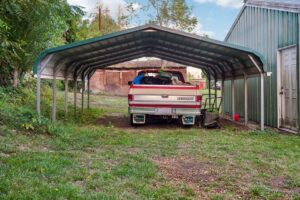
Metal buildings have gained immense popularity among homeowners, ranchers, RV owners, and property owners due to their durability, versatility, and cost-effectiveness. At their core, metal buildings are constructed using steel or aluminum frames, which provide a robust structure capable of withstanding various environmental conditions. Unlike traditional wooden structures, metal buildings are resistant to pests, rot, and fire, making them a safer and more reliable option for storage or workspace.
When considering a metal building, it’s essential to understand the different components involved in its construction. The primary elements include the frame, roof, walls, and foundation. Each of these components plays a crucial role in the overall integrity and functionality of the building. For instance, the frame must be designed to handle specific snow and wind loads based on your geographical location. This ensures that your building remains stable and secure during adverse weather conditions. Additionally, the choice of roofing material and style can significantly impact the building’s performance and aesthetic appeal.
If you’re considering investing in a metal building, it’s essential to understand the various options available to you. A related article that provides valuable insights is about the benefits of 40×65 metal equipment covers in Utah. This resource highlights the durability, versatility, and cost-effectiveness of metal structures, making them an excellent choice for various applications. To learn more about these metal buildings and their advantages, you can read the article here: 40×65 Metal Equipment Covers in Utah.
Choosing the Right Type of Metal for Your Building
Selecting the appropriate type of metal for your building is a critical decision that can affect its longevity and performance. Steel is the most common choice due to its strength and resistance to corrosion when properly treated. Galvanized steel, for example, is coated with zinc to prevent rusting, making it an excellent option for areas with high humidity or precipitation. On the other hand, aluminum is lighter and more resistant to corrosion but may not provide the same structural strength as steel.
When choosing between these metals, consider factors such as your budget, the intended use of the building, and local climate conditions. For instance, if you live in an area prone to heavy snowfall or strong winds, investing in high-quality galvanized steel may be worth the extra cost for added durability. Additionally, think about the aesthetic aspects; some metal buildings can be customized with various colors and finishes to match your property’s style.
Hiring the Right Contractor for Your Metal Building Project
Finding a reputable contractor is crucial for ensuring that your metal building project runs smoothly from start to finish. Look for contractors who specialize in metal building construction and have a proven track record of successful projects. Reading reviews and asking for references can help you gauge their reliability and quality of work. A good contractor will not only help you with the construction but also guide you through the design process and ensure compliance with local building codes.
During your search, consider interviewing multiple contractors to compare their services and pricing. Ask about their experience with similar projects and inquire about their approach to handling challenges that may arise during construction. A knowledgeable contractor will be able to provide insights into snow and wind load requirements specific to your area, ensuring that your building is built to last.
Obtaining the Necessary Permits and Approvals for Metal Building Construction
Before breaking ground on your metal building project, it’s essential to obtain the necessary permits and approvals from local authorities. Building codes vary by location, so familiarize yourself with your area’s regulations regarding metal structures. This may include zoning laws, environmental regulations, and safety standards that must be adhered to during construction.
The permitting process can be complex and time-consuming, but it’s a crucial step in ensuring that your building is compliant with local laws. Working with an experienced contractor can simplify this process, as they will likely have knowledge of the required permits and can assist you in submitting the necessary documentation. Failing to secure proper permits can lead to fines or even having to dismantle your building, so it’s best to approach this step with diligence.
When considering the benefits of metal buildings, it’s essential to explore various options and configurations that suit your needs. One interesting article that delves into the specifics of custom metal buildings is available at this link. It provides valuable insights into the design and functionality of a 26×25 custom metal building in Utah, highlighting its versatility and durability. Understanding these features can help you make an informed decision when investing in a metal structure for your property.
Designing a Functional and Efficient Metal Building Layout
| Aspect | Information |
|---|---|
| Durability | Metal buildings are known for their durability and can withstand harsh weather conditions. |
| Cost | They are often cost-effective compared to traditional construction methods. |
| Customization | Metal buildings can be customized to fit specific needs and design preferences. |
| Maintenance | They require minimal maintenance compared to other building materials. |
| Construction Time | Metal buildings can be constructed relatively quickly compared to traditional buildings. |
A well-thought-out layout is key to maximizing the functionality of your metal building. Start by considering how you plan to use the space—whether it’s for storage, a workshop, or housing livestock—and design accordingly. For example, if you’re creating a workshop, think about incorporating designated areas for tools, equipment storage, and workspace. This will help streamline your workflow and make the most of your available space.
Additionally, consider future needs when designing your layout. Flexibility is one of the advantages of metal buildings; you can easily modify or expand them as your requirements change. Incorporating features like removable walls or adjustable shelving can enhance the adaptability of your space over time.
When considering the construction of a metal building, it’s essential to understand the associated costs and pricing factors. A detailed resource on this topic can be found in an article that discusses the average price of a 30×60 metal shop building. This information can help you budget effectively and make informed decisions about your project. For more insights, you can check out the article here: average price of a 30×60 metal shop building.
Selecting the Best Insulation and Ventilation Options for Your Metal Building
Setup a free consultation!
Insulation and ventilation are critical components that contribute to the comfort and energy efficiency of your metal building. Proper insulation helps regulate temperature, keeping your space warm in winter and cool in summer. There are various insulation options available, including fiberglass batts, spray foam, and reflective insulation. Each type has its pros and cons; for instance, spray foam offers superior thermal resistance but may come at a higher cost.
Ventilation is equally important in preventing moisture buildup and maintaining air quality within your building. Consider installing ridge vents or exhaust fans to promote airflow and reduce humidity levels. Proper ventilation not only enhances comfort but also prolongs the life of your building by preventing rust and mold growth.
Incorporating Energy-Efficient Features into Your Metal Building Design
Energy efficiency is a growing concern for many property owners looking to reduce their environmental impact and lower utility costs. When designing your metal building, consider incorporating energy-efficient features such as solar panels, energy-efficient windows, and LED lighting. Solar panels can significantly reduce electricity costs over time while contributing to a sustainable energy solution.
Additionally, choosing reflective roofing materials can help minimize heat absorption during hot months, reducing cooling costs. By investing in energy-efficient features upfront, you can create a more sustainable building that pays off in savings over time.
Understanding the Importance of Proper Maintenance and Upkeep for Metal Buildings
While metal buildings are known for their durability, regular maintenance is essential to ensure their longevity. Routine inspections can help identify potential issues such as rust or structural damage before they become significant problems. Simple tasks like cleaning gutters, checking seals around doors and windows, and inspecting the roof can go a long way in maintaining your building’s integrity.
Moreover, consider establishing a maintenance schedule that includes periodic checks on insulation and ventilation systems. Keeping these systems in good working order will enhance energy efficiency and comfort within your space.
Budgeting and Cost Considerations for Metal Building Construction
Budgeting for a metal building project involves more than just the initial construction costs; it’s essential to account for ongoing expenses such as maintenance, utilities, and potential upgrades. Start by determining your overall budget and breaking it down into categories such as materials, labor, permits, and design fees.
When comparing costs between different contractors or materials, be sure to consider long-term value rather than just upfront expenses. Investing in higher-quality materials or experienced contractors may lead to lower maintenance costs down the line.
Ensuring Safety and Compliance with Building Codes for Metal Building Projects
Safety should always be a top priority when constructing a metal building. Familiarize yourself with local building codes that dictate safety standards for structural integrity, fire safety, electrical systems, and more. Compliance with these codes not only ensures safety but also protects you from potential legal issues down the road.
Working with a knowledgeable contractor can help ensure that all aspects of your project meet safety standards. They will be familiar with local regulations regarding snow loads, wind loads, and other factors that could impact your building’s safety.
Maximizing the Longevity and Durability of Your Metal Building
To maximize the longevity of your metal building, focus on quality materials and proper installation techniques from the outset. Choose high-grade steel or aluminum that meets industry standards for strength and corrosion resistance. Additionally, ensure that your contractor follows best practices during installation to avoid future issues.
Regular maintenance is also key to durability; keep an eye out for signs of wear or damage and address them promptly. By taking proactive steps in both construction and upkeep, you can enjoy a durable metal building that serves you well for years to come.
In conclusion, investing in a metal building offers numerous benefits for homeowners, ranchers, RV owners, and property owners alike. By understanding the basics of construction, choosing the right materials, hiring qualified contractors, obtaining necessary permits, designing efficient layouts, incorporating energy-efficient features, maintaining safety compliance, budgeting wisely, and focusing on longevity through proper maintenance—you’re setting yourself up for success.
For those ready to take the next step in their metal building journey or seeking more information on styles available at [Metal Carports & Buildings](https://metalcarportsandbuildings.com/), feel free to reach out for a free no-obligation quote at (435) 250-4446 or visit [metalcarportsandbuildings.com](https://metalcarportsandbuildings.com/). Your ideal metal structure awaits!
FAQs
What are the benefits of metal buildings?
Metal buildings are known for their durability, low maintenance, and cost-effectiveness. They are also highly customizable and can be designed to meet specific needs and requirements.
What are the common uses of metal buildings?
Metal buildings are commonly used for commercial, industrial, agricultural, and residential purposes. They can be used as warehouses, workshops, storage facilities, barns, garages, and even as homes.
What are the different types of metal buildings available?
There are several types of metal buildings available, including steel buildings, metal garages, metal barns, and metal storage buildings. Each type is designed to serve a specific purpose and can be customized to meet individual needs.
What factors should be considered when choosing a metal building?
When choosing a metal building, it is important to consider factors such as the intended use, size, location, local building codes, and budget. It is also important to work with a reputable manufacturer or supplier to ensure quality and reliability.
Are metal buildings environmentally friendly?
Metal buildings are considered to be environmentally friendly due to their recyclability, energy efficiency, and long lifespan. They can also be designed to incorporate sustainable features such as solar panels and rainwater harvesting systems.