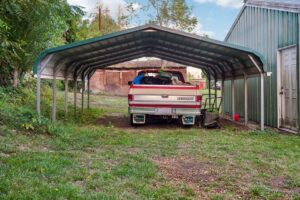
When it comes to building structures in snowy regions, the roof design is a critical factor that can significantly impact the longevity and functionality of your building. Vertical roofs, characterized by their steep pitch and unique design, have gained popularity among homeowners, ranchers, and property owners in snow-prone areas. These roofs are not just aesthetically pleasing; they are engineered to withstand the harsh conditions that come with heavy snowfall. As Mike Daniels, a seasoned property owner in a snow-heavy region, puts it, “Choosing the right roof can mean the difference between a safe structure and costly repairs.”
In this article, we will explore the various aspects of vertical roofs, particularly their advantages in snowy climates. From understanding snow loads to maintenance considerations, we will provide you with the insights needed to make an informed decision for your property. Whether you’re considering a new garage, barn, or workshop, understanding the benefits of vertical roofs can help you protect your investment.
In regions prone to heavy snowfall, the design of roofs plays a crucial role in ensuring structural integrity and longevity. A related article that delves into the advantages of metal carports in areas like Chelan County, WA, highlights how vertical roofs are particularly beneficial for snow country. These roofs allow snow to slide off more easily, reducing the risk of accumulation and potential damage. For more insights on this topic, you can read the article here: Custom Metal Carports Near Chelan County, WA.
The Importance of Roof Design in Snowy Climates
Roof design is not merely a matter of aesthetics; it plays a crucial role in the structural integrity and safety of buildings in snowy climates. In regions where heavy snowfall is common, roofs must be designed to handle significant snow loads without compromising their stability. A well-designed roof can prevent issues such as sagging, leaks, and even structural failure.
Vertical roofs are particularly effective in snowy climates due to their steep pitch. This design allows snow to slide off more easily compared to flat or low-pitched roofs. Additionally, vertical roofs often come with enhanced structural support, which is essential for bearing the weight of accumulated snow. As Mike Daniels emphasizes, “A roof that can handle the elements is an investment in peace of mind.”
Understanding the Challenges of Snow Buildup on Roofs
Snow buildup on roofs can lead to a myriad of problems if not properly managed. When snow accumulates, it exerts pressure on the roof structure, which can lead to sagging or even collapse in extreme cases. This is particularly concerning for flat or low-pitched roofs that do not facilitate snow runoff effectively.
Moreover, melting snow can create ice dams along the eaves of the roof, leading to leaks and water damage inside the building. Understanding these challenges is crucial for property owners in snowy regions. It’s not just about having a roof over your head; it’s about ensuring that roof can withstand the unique challenges posed by winter weather.
Advantages of Vertical Roofs in Snow Country
Vertical roofs offer several advantages that make them an ideal choice for properties located in snow country. One of the primary benefits is their ability to shed snow efficiently. The steep pitch allows snow to slide off rather than accumulate, reducing the risk of excessive weight on the structure.
Additionally, vertical roofs are often constructed with durable materials that can withstand harsh weather conditions. This durability translates into lower maintenance costs over time. Property owners like Mike Daniels appreciate that investing in a vertical roof means fewer worries about repairs and replacements down the line.
Another advantage is the increased ventilation that vertical roofs provide. The design allows for better airflow within the building, which can help prevent moisture buildup and reduce the risk of mold and mildew. This is particularly important for barns and workshops where equipment and livestock are housed.
In regions that experience heavy snowfall, the design of roofs plays a crucial role in ensuring structural integrity and longevity. One insightful article that delves deeper into this topic is Why Vertical Roofs Are Recommended for Snow Country, which explains how vertical roofs effectively shed snow and prevent accumulation. By understanding the benefits of different roof designs, homeowners can make informed decisions that enhance the durability of their buildings in winter conditions.
How Vertical Roofs Help Prevent Snow Accumulation
| Reasons for recommending vertical roofs in snow country |
|---|
| 1. Better snow shedding capability |
| 2. Reduced risk of snow accumulation |
| 3. Increased structural strength |
| 4. Improved drainage and water runoff |
| 5. Minimized risk of roof collapse |
The design of vertical roofs plays a pivotal role in preventing snow accumulation. The steep pitch encourages snow to slide off rather than settle on the surface. This natural shedding process minimizes the risk of heavy snow loads that can compromise structural integrity.
Moreover, vertical roofs often feature additional design elements such as overhangs and gutters that further facilitate snow runoff. These features help direct melting snow away from the building’s foundation, reducing the risk of water damage and erosion. Mike Daniels notes, “It’s all about smart design—having a roof that works with nature rather than against it.”
The Impact of Snow Load on Roof Structures
Sure, here is the sentence with the clickable link:
Please visit our website to Request a Free No Obligation Quote: https://metalcarportsandbuildings.com/contact
Snow load refers to the weight of accumulated snow on a roof and is a critical factor in roof design for snowy climates. Each region has specific snow load requirements based on historical snowfall data, which must be considered when constructing or renovating a building.
Vertical roofs are engineered to handle higher snow loads due to their robust construction and steep pitch. This means they can support more weight without compromising safety. Property owners should always consult local building codes and regulations to ensure their roof design meets or exceeds these requirements.
Failing to account for snow load can lead to severe consequences, including structural damage or collapse. Therefore, understanding how different roof designs handle snow load is essential for anyone considering a new building project in a snowy area.
Considerations for Choosing the Right Roof Design in Snowy Areas
When selecting a roof design for your property in a snowy region, several factors should be taken into account. First and foremost is the local climate and typical snowfall patterns. Understanding how much snow your area receives annually will help you determine the appropriate roof pitch and materials.
Another consideration is the type of building you are constructing. For example, a barn may require different roofing specifications compared to a workshop or garage. Additionally, think about your long-term goals for the property—will you need extra space for storage or equipment? A vertical roof may provide the versatility you need.
Lastly, consult with professionals who specialize in metal buildings and roofing solutions. They can provide valuable insights into local building codes and help you choose a design that meets your needs while ensuring safety and durability.
The Role of Pitched Roofs in Snow Country
Pitched roofs play an essential role in managing snow accumulation and runoff in snowy climates. The angle of the pitch directly affects how quickly snow can slide off the roof surface. Steeper pitches are generally more effective at shedding snow compared to flatter designs.
Vertical roofs are an excellent example of pitched roofing that excels in snowy environments. Their design not only facilitates snow runoff but also enhances overall structural integrity by distributing weight more evenly across the framework. This is particularly important for buildings that may experience heavy snowfall during winter months.
Mike Daniels emphasizes that “the right pitch can save you from headaches down the road.” By choosing a pitched roof like a vertical design, property owners can significantly reduce maintenance issues related to snow buildup.
When comparing vertical roofs to other roof designs such as flat or low-pitched roofs, it becomes clear why vertical roofs are often favored in snowy climates. Flat roofs tend to accumulate snow, leading to increased risk of structural damage due to excessive weight. They also require more frequent maintenance to remove snow buildup.
Low-pitched roofs may offer some advantages but still struggle with snow accumulation compared to their vertical counterparts. While they may be easier to construct and less expensive initially, they often lead to higher long-term costs due to potential damage from snow loads.
In contrast, vertical roofs provide a balance of durability, efficiency, and aesthetic appeal. They are designed specifically for challenging weather conditions, making them a smart investment for property owners looking to protect their structures from winter’s wrath.
Maintenance and Upkeep of Vertical Roofs in Snow Country
While vertical roofs are designed to withstand harsh conditions, regular maintenance is still essential for ensuring their longevity and performance. Property owners should conduct routine inspections after heavy snowfall or storms to check for any signs of damage or wear.
Cleaning gutters and downspouts is also crucial for preventing ice dams and ensuring proper drainage during thawing periods. Additionally, removing any accumulated debris from the roof surface can help maintain its integrity and prevent moisture buildup.
Mike Daniels advises homeowners to “stay proactive with maintenance.” By addressing minor issues before they escalate into major problems, property owners can extend the lifespan of their vertical roofs and avoid costly repairs down the line.
The Benefits of Vertical Roofs for Snowy Environments
In conclusion, vertical roofs offer numerous benefits for property owners in snowy climates. Their steep pitch allows for efficient snow runoff, reducing the risk of structural damage from heavy snow loads. Additionally, their durable construction ensures long-term performance with minimal maintenance.
Choosing a vertical roof is not just about aesthetics; it’s about making a smart investment in your property’s future. By understanding the unique challenges posed by snowy environments and selecting a roof design that meets those challenges head-on, you can protect your investment while enjoying peace of mind during winter months.
If you’re considering a new building project or need more information about vertical roofs and other metal building options, visit [Metal Carports and Buildings](https://metalcarportsandbuildings.com/) or call (435) 250-4446 for a free no-obligation quote today!
FAQs
What are the benefits of vertical roofs in snow country?
Vertical roofs are recommended for snow country because they allow snow to slide off more easily, reducing the risk of heavy snow accumulation and potential roof damage.
How do vertical roofs compare to other roof designs in snow country?
Vertical roofs are more effective in snow country compared to other roof designs such as flat or low-slope roofs, as they minimize the risk of snow buildup and potential structural damage.
What are the potential drawbacks of other roof designs in snow country?
Other roof designs, such as flat or low-slope roofs, can be more prone to snow accumulation, leading to increased weight on the roof and potential leaks or structural damage.
What materials are commonly used for vertical roofs in snow country?
Common materials used for vertical roofs in snow country include metal, steel, and standing seam roofing, which are durable and effective in shedding snow.
Are there any specific building codes or regulations related to vertical roofs in snow country?
In snow country, building codes and regulations may require specific roof designs, such as vertical roofs, to ensure the safety and structural integrity of buildings in areas prone to heavy snowfall.