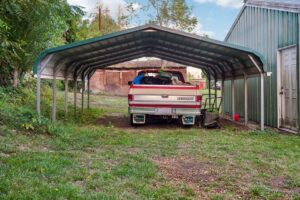
Metal buildings have gained popularity in various sectors, from residential garages to expansive agricultural barns, due to their durability and versatility. However, in tornado-prone regions, the question arises: how well do these structures withstand the ferocious winds and debris associated with tornadoes? Understanding the resilience of metal buildings against such extreme weather events is crucial for homeowners, ranchers, and property owners who want to protect their investments.
Tornadoes are unpredictable and can cause catastrophic damage in mere minutes. As a result, selecting the right type of building material is essential for ensuring safety and longevity. Metal buildings, constructed from high-quality steel, offer unique advantages that can make them a viable option in areas frequently affected by tornadoes. This article will delve into the dynamics of tornado wind forces, the factors influencing the survival of metal structures, and the importance of proper design and construction.
In exploring the resilience of metal buildings against extreme weather conditions, particularly tornado winds, it’s essential to consider various factors that contribute to their durability. For those interested in understanding more about the installation and benefits of metal structures, a related article can provide valuable insights. You can read more about RV carports and their advantages in different locations by visiting this link: RV Carports Near Stillwater County, MT. This resource highlights how metal buildings can be tailored to withstand harsh environmental challenges while offering practical solutions for storage and protection.
Understanding Tornado Wind Forces
Tornadoes are characterized by their intense wind speeds, which can exceed 300 miles per hour in the most severe cases. These winds create a combination of uplift and lateral forces that can easily dismantle poorly constructed buildings. The Fujita Scale categorizes tornadoes based on their wind speeds and the resulting damage, ranging from EF0 (weak) to EF5 (incredible). Understanding these classifications helps property owners gauge the potential risks associated with tornadoes in their area.
The wind forces exerted during a tornado are not uniform; they can vary significantly based on the structure’s orientation, shape, and surrounding environment. For instance, a building with a flat roof may experience different stress levels compared to one with a pitched roof. Additionally, debris carried by tornado winds can act as projectiles, further increasing the risk of damage. Therefore, it is essential for property owners to consider these factors when evaluating the resilience of metal buildings against tornado forces.
Factors Affecting the Survival of Metal Buildings in Tornado Winds
Several factors influence how well metal buildings can withstand tornado winds. One of the most critical aspects is the building’s design. Structures that are aerodynamically shaped tend to fare better against high winds than those with flat surfaces. For example, a building with a sloped roof can help deflect wind rather than allowing it to build up pressure against flat surfaces.
Another significant factor is the quality of materials used in construction. High-grade steel that meets or exceeds industry standards is essential for ensuring structural integrity during extreme weather events. Additionally, proper anchoring systems play a vital role in keeping metal buildings grounded during high winds. Buildings that are securely anchored to their foundations are less likely to be lifted or moved by tornado forces.
Importance of Proper Design and Construction
The design and construction of metal buildings are paramount in ensuring their resilience against tornadoes. A well-designed structure will incorporate features that enhance its ability to withstand extreme weather conditions. For instance, engineers may recommend specific roof styles that minimize wind resistance or suggest additional reinforcements at critical stress points.
Moreover, adhering to local building codes and regulations is crucial for ensuring safety and durability. These codes often include guidelines for wind load requirements based on regional weather patterns. By following these standards, builders can create metal structures that are not only compliant but also optimized for performance during tornado events.
In exploring the resilience of metal buildings against extreme weather, particularly tornado winds, it’s interesting to consider how proper installation can enhance their durability. For instance, an article on steel shed installation in Emporia, KS, discusses various techniques that can significantly improve the structural integrity of metal buildings. You can read more about these methods in the article linked here: steel shed installation. This information can be invaluable for anyone looking to ensure their metal structures can withstand severe weather conditions.
Case Studies of Metal Buildings in Tornado-Prone Areas
| Building Type | Tornado Wind Survival |
|---|---|
| Metal Buildings | Can survive tornado winds with proper design and construction |
| Traditional Buildings | May not withstand tornado winds as well as metal buildings |
Examining real-life examples of metal buildings in tornado-prone areas provides valuable insights into their performance during extreme weather events. For instance, after a devastating EF3 tornado struck Joplin, Missouri, in 2011, several metal structures remained standing while nearby traditional buildings were reduced to rubble. These metal buildings were designed with reinforced frames and proper anchoring systems, showcasing the effectiveness of thoughtful engineering.
Another notable case occurred in Oklahoma, where a series of tornadoes tested various building types. Metal barns and workshops withstood the storms better than many wood-framed structures. Property owners reported minimal damage to their metal buildings, primarily due to their robust construction and adherence to local building codes designed for high-wind areas.
Advantages of Metal Buildings in Tornado-Prone Regions
Sure, here is the sentence with the clickable link:
Please visit our website to Request a Free No Obligation Quote: https://metalcarportsandbuildings.com/contact
Metal buildings offer several advantages for property owners in tornado-prone regions. One of the most significant benefits is their durability; steel structures are less susceptible to rot, pests, and other forms of deterioration compared to traditional wood buildings. This longevity translates into lower maintenance costs over time.
Additionally, metal buildings can be designed to meet specific wind load requirements, making them customizable for various environments. Their modular nature allows for quick assembly and expansion as needed, which is particularly beneficial for ranchers or homeowners looking to adapt their structures over time. Furthermore, metal buildings often come with warranties that provide peace of mind regarding their performance against extreme weather conditions.
Common Misconceptions about Metal Buildings and Tornadoes
Despite their advantages, several misconceptions about metal buildings persist among property owners. One common myth is that metal structures are more prone to lightning strikes than wood buildings. In reality, while metal does conduct electricity, it is not inherently more likely to be struck by lightning. Proper grounding systems can mitigate any potential risks associated with lightning.
Another misconception is that metal buildings are noisy during storms or high winds. While it’s true that rain or hail may create more sound on a metal roof compared to shingles, modern insulation techniques can significantly reduce noise levels inside the building. This means that comfort does not have to be sacrificed for durability.
Measures to Enhance the Tornado Resistance of Metal Buildings
To further enhance the tornado resistance of metal buildings, property owners can implement several measures during construction and design phases. First and foremost, selecting a reputable manufacturer who specializes in tornado-resistant designs is crucial. These manufacturers often have experience with local building codes and can provide guidance on best practices.
Incorporating additional reinforcements such as cross-bracing or reinforced corners can also improve structural integrity. Furthermore, using high-quality fasteners and anchoring systems will ensure that the building remains securely attached to its foundation during extreme weather events. Regular maintenance checks can help identify any potential weaknesses before they become significant issues.
Regulatory Standards and Codes for Tornado-Resistant Metal Buildings
Regulatory standards play a vital role in ensuring that metal buildings are designed to withstand tornado forces effectively. The International Building Code (IBC) provides guidelines for wind load requirements based on geographic location and building type. Local jurisdictions may have additional codes tailored to specific environmental conditions.
When selecting a metal building manufacturer, it’s essential to verify that they comply with these regulations. A reputable company will provide documentation demonstrating adherence to local codes and industry standards, ensuring that your investment is protected against extreme weather events.
Cost Considerations for Tornado-Resistant Metal Buildings
Cost is always a consideration when investing in a new building, especially one designed for tornado resistance. While metal buildings may have a higher upfront cost compared to traditional wood structures, their long-term benefits often outweigh initial expenses. The durability and low maintenance requirements of metal buildings can lead to significant savings over time.
Additionally, many insurance companies offer discounts for properties built with tornado-resistant features or materials. This can help offset some of the initial costs associated with constructing a metal building designed to withstand severe weather conditions.
The Viability of Metal Buildings in Tornado-Prone Areas
In conclusion, metal buildings present a viable option for homeowners, ranchers, and property owners in tornado-prone areas seeking durable and resilient structures. With proper design, construction practices, and adherence to regulatory standards, these buildings can withstand the forces of nature while providing safety and security for occupants and belongings alike.
As you consider your options for building or upgrading your property, remember that investing in a well-designed metal structure can offer peace of mind during storm season. For more information on how metal buildings can meet your needs or to receive a free no-obligation quote, contact us at (435) 250-4446 or visit [metalcarportsandbuildings.com](https://metalcarportsandbuildings.com/). Your safety and investment deserve nothing less than the best!
FAQs
1. What are the wind resistance capabilities of metal buildings in tornadoes?
Metal buildings are designed to withstand high wind speeds, making them a viable option for areas prone to tornadoes. Many metal buildings are engineered to meet specific wind load requirements, including those for tornado-prone regions.
2. How do metal buildings compare to traditional structures in tornado-prone areas?
Metal buildings often outperform traditional structures in tornado-prone areas due to their strength and durability. The rigid frame construction of metal buildings can provide greater resistance to high winds and flying debris.
3. Are there any additional measures that can be taken to enhance the tornado resistance of metal buildings?
In tornado-prone areas, additional measures such as reinforcing the building’s frame, using impact-resistant doors and windows, and securing the structure to its foundation can further enhance the tornado resistance of metal buildings.
4. Can metal buildings be designed to meet specific tornado resistance requirements?
Yes, metal buildings can be custom-designed and engineered to meet specific tornado resistance requirements. This may include using heavier gauge steel, incorporating additional bracing, and implementing other design features to enhance the building’s ability to withstand tornado winds.
5. Are there any real-life examples of metal buildings surviving tornado winds?
Yes, there are numerous real-life examples of metal buildings surviving tornado winds. Many metal buildings have been able to withstand severe tornadoes and remain standing, demonstrating their resilience in the face of extreme weather events.