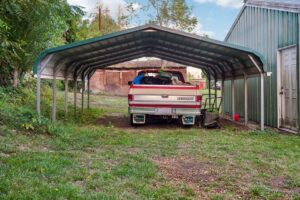
Metal buildings have gained significant popularity among homeowners, ranch owners, business owners, and property owners alike. These structures are not only durable and versatile but also offer a range of applications, from carports and garages to barns and commercial spaces. The appeal of metal buildings lies in their strength, longevity, and low maintenance requirements. As Mike Daniels, owner of Metal Carports and Buildings, states, “Metal buildings are engineered to withstand the elements, making them a smart investment for anyone looking to protect their assets.”
When considering a metal building, it’s essential to understand the various types available. Steel buildings can be customized to fit specific needs, whether you require a simple carport or a large commercial warehouse. The engineering behind these structures ensures they can handle various environmental factors, such as snow loads and wind loads, which are critical for safety and longevity. Additionally, many metal buildings come with certifications that guarantee they meet local building codes and standards, providing peace of mind for property owners.
For those interested in understanding more about metal buildings, a comprehensive resource is available in the article titled “Metal Carports in Murray, UT,” which provides insights into pricing and installation options specific to the region. This guide can help potential buyers make informed decisions about their metal building needs. You can read the article here: Metal Carports in Murray, UT.
Factors Affecting the Pricing of Metal Buildings
The pricing of metal buildings can vary widely based on several factors. One of the most significant influences is the size of the structure. Larger buildings require more materials and labor, which naturally increases costs. Additionally, the complexity of the design can impact pricing; custom features or intricate layouts may lead to higher expenses. According to industry experts, understanding these variables is crucial for budgeting effectively.
Another key factor is the type of metal used in construction. Galvanized steel is often preferred for its corrosion resistance and durability, but it may come at a premium compared to other materials. Furthermore, regional differences in labor costs and material availability can also affect pricing. For instance, areas with a high demand for metal buildings may see increased prices due to competition among suppliers. It’s essential to gather multiple quotes from reputable manufacturers to ensure you’re getting a fair price.
Comparing the Cost of Metal Buildings to Traditional Construction
When comparing metal buildings to traditional construction methods, the cost differences can be striking. Traditional wood-framed structures often require more labor-intensive processes and materials that can be subject to rot and pest damage over time. In contrast, metal buildings typically have lower upfront costs due to faster installation times and fewer materials needed for structural integrity.
For example, a standard metal garage can be erected in a fraction of the time it takes to build a wooden garage. This efficiency translates into lower labor costs and quicker project completion. Additionally, metal buildings often require less maintenance over their lifespan, which can lead to significant savings in long-term ownership costs. As Mike Daniels points out, “Investing in a metal building means investing in durability and reduced maintenance—two factors that can save you money in the long run.”
Choosing the Right Size and Style for Your Metal Building
Selecting the appropriate size and style for your metal building is crucial for ensuring it meets your needs. Start by assessing what you plan to use the building for—whether it’s for vehicle storage, livestock housing, or commercial purposes. This assessment will guide you in determining the necessary dimensions and layout.
Consideration of local zoning laws and building codes is also essential when choosing size and style. Some areas may have restrictions on building height or footprint that could affect your plans. Additionally, think about future needs; if you anticipate expanding your operations or acquiring more vehicles, opting for a larger structure now could save you from costly renovations later.
If you’re considering investing in a metal building, you might find it helpful to explore a related article that provides a comprehensive overview of pricing and installation options. This guide can help you understand the various factors that influence the cost and the steps involved in setting up your structure. For more detailed information, you can check out this pricing and installation guide that covers essential aspects of metal buildings.
The Process of Installing a Metal Building: What to Expect
| Aspect | Details |
|---|---|
| Types of Metal Buildings | Commercial, agricultural, industrial, residential |
| Cost Factors | Size, customization, location, accessories |
| Installation Time | Varies based on size and complexity |
| Maintenance | Regular inspections, cleaning, and repairs |
| Permits and Regulations | Local building codes, permits, and zoning regulations |
The installation process for a metal building typically involves several key steps. First, site preparation is essential; this may include leveling the ground and ensuring proper drainage to prevent water accumulation around the foundation. Once the site is ready, the assembly of the building begins with erecting the frame, followed by adding walls and roofing.
Most manufacturers provide detailed instructions or even professional installation services to ensure everything is done correctly. It’s important to follow these guidelines closely to maintain structural integrity and comply with local building codes. Depending on the complexity of your design and local regulations, installation can take anywhere from a few days to several weeks.
When it comes to installing a metal building, property owners often face the decision of hiring professionals or opting for a DIY approach. Each option has its pros and cons that should be carefully considered.
Hiring professionals can provide peace of mind; experienced installers are familiar with local codes and best practices, ensuring that your building is safe and compliant. However, this option typically comes with higher costs due to labor fees. On the other hand, DIY installation can save money upfront but requires a significant time investment and a certain level of skill. Mistakes made during installation can lead to costly repairs down the line.
Additional Costs to Consider When Installing a Metal Building
Metal carports and buildings are a durable and cost-effective solution for protecting your vehicles and equipment, learn more at metal.
Beyond the initial purchase price of a metal building, several additional costs should be factored into your budget. Site preparation is often overlooked; leveling the ground or pouring a concrete slab can add significant expenses depending on your location and soil conditions.
Moreover, consider any necessary permits or inspections required by local authorities. These fees can vary widely based on your area’s regulations. Finally, don’t forget about utilities; if you plan to run electricity or plumbing in your new building, these installations will incur additional costs that should be planned for in advance.
Tips for Saving Money on the Purchase and Installation of a Metal Building
Saving money on your metal building purchase and installation is possible with careful planning and research. Start by comparing quotes from multiple suppliers; this will give you a better understanding of market rates and help you identify competitive pricing.
Additionally, consider purchasing during off-peak seasons when demand may be lower; many manufacturers offer discounts during these times. If you’re comfortable with DIY projects, taking on some aspects of the installation yourself can also lead to significant savings. Just ensure you have the necessary skills and tools before committing to this route.
Maintenance and Long-Term Costs of Metal Buildings
One of the most appealing aspects of metal buildings is their low maintenance requirements compared to traditional structures. Regular inspections are recommended to check for any signs of rust or damage, especially in areas prone to harsh weather conditions. A simple wash with soap and water can help maintain the appearance of your building while preventing corrosion.
Long-term costs should also be considered; while metal buildings generally have lower maintenance costs, it’s essential to budget for potential repairs or upgrades over time. For instance, if you plan to add insulation or HVAC systems later on, these expenses should be factored into your overall financial planning.
Customizing Your Metal Building: Upgrades and Add-Ons
Customization options for metal buildings are virtually limitless, allowing property owners to tailor their structures to meet specific needs. Common upgrades include insulation packages for temperature control, windows for natural light, and roll-up doors for easy access.
Additionally, consider adding features like skylights or ventilation systems to enhance functionality further. While these upgrades may increase initial costs, they can significantly improve comfort and usability in the long run.
Making an Informed Decision about Metal Building Pricing and Installation
In conclusion, investing in a metal building offers numerous advantages for homeowners, ranch owners, business owners, and property owners alike. By understanding the factors affecting pricing, comparing costs with traditional construction methods, and carefully considering size and style options, you can make an informed decision that meets your needs.
Whether you choose professional installation or opt for a DIY approach, being aware of additional costs and maintenance requirements will help you budget effectively for your new structure. With proper planning and research, you can enjoy all the benefits that come with owning a durable and versatile metal building while ensuring it remains a valuable asset for years to come.
For more information on metal buildings and industry standards, consider visiting organizations like the Metal Building Manufacturers Association (MBMA) or the American Institute of Steel Construction (AISC). These resources provide valuable insights into best practices and innovations within the industry.
FAQs
What are the benefits of metal buildings?
Metal buildings are known for their durability, low maintenance, and cost-effectiveness. They are also highly customizable and can be used for a variety of purposes such as storage, workshops, and even residential homes.
How much do metal buildings typically cost?
The cost of metal buildings can vary depending on factors such as size, customization, and location. On average, the cost can range from $6 to $20 per square foot for a basic structure, with additional costs for customization and installation.
What factors can affect the pricing of metal buildings?
Factors that can affect the pricing of metal buildings include size, customization, location, additional features such as insulation and windows, and the complexity of the installation process.
How long does it take to install a metal building?
The installation time for a metal building can vary depending on the size and complexity of the structure, as well as the availability of materials and labor. On average, the installation process can take anywhere from a few days to a few weeks.
Are there any specific considerations for installing a metal building?
When installing a metal building, it’s important to consider factors such as site preparation, local building codes and regulations, foundation requirements, and the need for professional installation services.