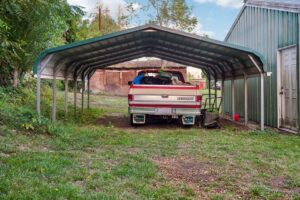
Insulating metal garage buildings is a crucial consideration for homeowners, ranch owners, and business proprietors alike. Metal structures, while durable and low-maintenance, can be prone to extreme temperature fluctuations. Without proper insulation, these buildings can become uncomfortably hot in the summer and frigid in the winter. This not only affects the comfort of any occupants but can also impact the longevity of stored items, vehicles, and equipment. Insulation acts as a barrier against these temperature extremes, creating a more stable environment inside the garage.
Moreover, insulation plays a significant role in energy efficiency. A well-insulated metal garage can reduce heating and cooling costs significantly. According to Mike Daniels, owner of Metal Carports and Buildings, “Investing in insulation is not just about comfort; it’s about saving money in the long run.” By minimizing the need for heating and cooling systems to work overtime, property owners can enjoy lower utility bills while also reducing their carbon footprint.
When considering the insulation options for metal garage buildings, it’s essential to understand the various materials available and their associated costs. For a deeper insight into the benefits of metal structures, you can explore a related article on commercial metal buildings in Clinton, Utah, which discusses their durability and design flexibility. To learn more, visit this link.
Types of Insulation for Metal Garage Buildings
When it comes to insulating metal garage buildings, several types of insulation materials are available, each with its unique benefits and drawbacks. The choice of insulation depends on various factors, including climate, budget, and intended use of the garage. Understanding these options is essential for making an informed decision that meets your specific needs.
Common types of insulation for metal garages include fiberglass insulation, spray foam insulation, reflective insulation, and radiant barrier insulation. Each type has its own installation methods, R-values (a measure of thermal resistance), and suitability for different environments. For instance, fiberglass insulation is often favored for its affordability and ease of installation, while spray foam insulation is known for its superior air sealing capabilities. By evaluating these options carefully, property owners can select the best insulation type for their metal garage buildings.
Fiberglass Insulation
Fiberglass insulation is one of the most widely used materials for insulating metal garage buildings. It consists of tiny glass fibers that trap air, providing excellent thermal resistance. One of the primary advantages of fiberglass insulation is its cost-effectiveness; it is generally less expensive than other insulation types while still offering decent R-values. This makes it an attractive option for budget-conscious homeowners looking to insulate their garages without breaking the bank.
However, fiberglass insulation does have some limitations. It can be less effective in areas with high humidity or moisture since it may absorb water over time, leading to mold growth. Additionally, proper installation is crucial; if not installed correctly, gaps can form that reduce its effectiveness. For those considering fiberglass insulation, it’s essential to ensure that it is installed with a vapor barrier to prevent moisture issues and maximize its insulating properties.
Spray Foam Insulation
Spray foam insulation has gained popularity in recent years due to its superior insulating properties and air-sealing capabilities. This type of insulation is applied as a liquid that expands upon contact with surfaces, filling gaps and creating a tight seal. The result is a highly effective barrier against air leaks and temperature fluctuations. Spray foam insulation boasts a high R-value per inch, making it an excellent choice for those seeking maximum thermal performance.
While spray foam insulation offers numerous benefits, it also comes with a higher price tag compared to other options like fiberglass. Additionally, the installation process requires professional expertise to ensure proper application and safety. Homeowners should weigh these factors carefully when considering spray foam insulation for their metal garage buildings. However, many find that the long-term energy savings and comfort justify the initial investment.
When considering the insulation options for metal garage buildings, it’s essential to explore various factors that can influence both comfort and energy efficiency. For those looking to enhance their understanding of related services, you might find it helpful to read about RV cover installation, which can also play a role in protecting your investments. To learn more about this service, check out the article on RV cover installation in Afton, WY. This resource can provide valuable insights that complement your knowledge of insulation choices and their associated costs.
Reflective Insulation
| Insulation Type | R-Value | Cost per Square Foot |
|---|---|---|
| Fiberglass Batt | R-3 to R-4.3 | 0.40 to 0.80 |
| Spray Foam | R-6 to R-7 | 1.00 to 2.50 |
| Reflective Foil | R-3.5 to R-6 | 0.20 to 0.60 |
Reflective insulation is another viable option for insulating metal garage buildings, particularly in warmer climates where heat gain is a concern. This type of insulation consists of reflective materials that bounce radiant heat away from living spaces. It works best when installed in conjunction with other types of insulation to enhance overall thermal performance.
One of the key advantages of reflective insulation is its ability to reduce cooling costs during hot summer months. By reflecting radiant heat away from the interior of the garage, it helps maintain a more comfortable temperature without relying heavily on air conditioning systems. However, reflective insulation may not be as effective in colder climates where heat retention is more critical. Therefore, property owners should consider their local climate when deciding whether reflective insulation is the right choice for their metal garage buildings.
Radiant Barrier Insulation
Metal carports and buildings are a great investment for your property, visit https://metalcarportsandbuildings.com/building-styles/ to explore different building styles.
Radiant barrier insulation is specifically designed to combat heat transfer through radiation. It consists of a highly reflective material that reflects radiant heat away from living spaces, making it particularly effective in hot climates. Radiant barriers are often installed in attics or on roofs but can also be used in metal garages to enhance energy efficiency.
The primary benefit of radiant barrier insulation is its ability to keep indoor spaces cooler during hot weather, which can lead to significant energy savings on cooling costs. However, like reflective insulation, radiant barriers are most effective when used in conjunction with other types of insulation to provide comprehensive thermal protection. Property owners should evaluate their specific needs and local climate conditions when considering radiant barrier insulation for their metal garage buildings.
Cost of Insulating a Metal Garage Building
The cost of insulating a metal garage building can vary widely based on several factors, including the type of insulation chosen, the size of the garage, and whether you opt for professional installation or a DIY approach. On average, homeowners can expect to spend anywhere from $0.50 to $3.00 per square foot for materials alone, depending on the insulation type.
For example, fiberglass insulation tends to be on the lower end of the price spectrum, while spray foam insulation can be significantly more expensive due to its application process and material costs. Additionally, labor costs for professional installation can add another $1 to $2 per square foot to the overall expense. It’s essential for property owners to budget accordingly and consider both upfront costs and long-term energy savings when deciding on insulation options.
DIY vs Professional Installation
When it comes to insulating metal garage buildings, one critical decision property owners face is whether to tackle the project themselves or hire professionals. DIY installation can save money on labor costs but requires a certain level of skill and knowledge about insulation materials and techniques. For those who are handy and willing to invest time into learning about proper installation methods, DIY can be a rewarding option.
On the other hand, professional installation ensures that the job is done correctly and efficiently. Experts have the experience needed to navigate potential challenges and ensure that the insulation performs optimally. While this option may come at a higher cost upfront, many homeowners find peace of mind knowing that their investment is protected by professional workmanship.
Energy Efficiency Benefits of Insulating Metal Garage Buildings
Insulating metal garage buildings offers numerous energy efficiency benefits that extend beyond mere comfort. A well-insulated garage can significantly reduce heating and cooling costs by minimizing temperature fluctuations throughout the year. This not only leads to lower utility bills but also contributes to a more sustainable lifestyle by reducing energy consumption.
Additionally, insulated garages provide better protection for vehicles and equipment stored inside. Extreme temperatures can cause damage over time; for instance, batteries may drain faster in cold conditions while heat can warp sensitive materials. By maintaining a stable environment through proper insulation, property owners can prolong the lifespan of their investments.
Maintenance and Longevity of Insulated Metal Garage Buildings
The maintenance requirements for insulated metal garage buildings are generally minimal compared to traditional structures. However, regular inspections are essential to ensure that the insulation remains effective over time. Property owners should check for signs of moisture intrusion or damage that could compromise the integrity of the insulation.
In terms of longevity, insulated metal garages tend to have extended lifespans due to their durable construction materials combined with effective thermal protection. Properly installed insulation can last for decades with minimal degradation if maintained correctly. This longevity makes investing in quality insulation a wise choice for property owners looking to protect their investments over time.
Choosing the Best Insulation for Your Metal Garage Building
Choosing the best insulation for your metal garage building involves careful consideration of various factors such as climate, budget, and intended use. Each type of insulation—fiberglass, spray foam, reflective, or radiant barrier—has its unique advantages and disadvantages that must be weighed against your specific needs.
Ultimately, investing in quality insulation not only enhances comfort but also contributes to energy efficiency and longevity for your metal garage building. Whether you opt for DIY installation or hire professionals, ensuring that your garage is properly insulated will pay dividends in terms of reduced energy costs and improved protection for your valuable assets. As Mike Daniels aptly puts it, “A well-insulated building is an investment in comfort and savings.” By making an informed choice about insulation materials and methods, you can create a functional space that meets your needs for years to come.
FAQs
What are the benefits of insulating metal garage buildings?
Insulating metal garage buildings can help regulate the temperature inside, reduce energy costs, prevent condensation, and provide a more comfortable working environment.
What are the best insulation options for metal garage buildings?
The best insulation options for metal garage buildings include fiberglass batts, spray foam insulation, and reflective foil insulation. Each option has its own advantages and cost considerations.
How much does it cost to insulate a metal garage building?
The cost of insulating a metal garage building can vary depending on the size of the building, the chosen insulation material, and whether professional installation is required. On average, the cost can range from $1,500 to $5,000.
Can I install insulation in my metal garage building myself?
While it is possible to install insulation in a metal garage building yourself, it is recommended to consult with a professional to ensure proper installation and to consider any safety precautions.
What factors should I consider when choosing insulation for my metal garage building?
When choosing insulation for a metal garage building, it is important to consider factors such as the climate, intended use of the building, budget, and any local building codes or regulations.