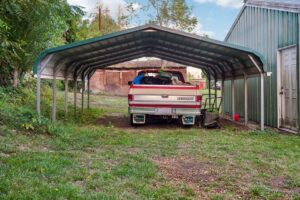
When you’re looking to protect your vehicles, equipment, or even create new functional spaces on your property, the choice between wood and metal can feel daunting. As homeowners, ranchers, RV owners, and property owners ourselves, we understand you want durability, affordability, and peace of mind. Here at Metal Carports and Buildings, we help folks like you every day make informed decisions. We’re going to dive deep into the wood vs. metal debate, focusing on critical factors like snow and wind loads, fire resistance, and long-term maintenance, especially pertinent here in our climate.
“Many of our customers come to us initially considering wood, often because it feels ‘traditional’ or ‘familiar’,” says Mike Daniels, owner of Metal Carports and Buildings. “But once we break down the practicalities – especially for weather resilience and upkeep – metal quickly becomes the clear winner for most.”
You’ve likely seen metal carports, garages, and barns springing up in your neighborhood. There’s a good reason for this surge in popularity: they offer a compelling blend of strength, versatility, and value. From protecting a classic car to housing heavy machinery or simply providing a comfortable workshop, metal structures are increasingly becoming the go-to solution.
Unpacking the Advantages of Steel Construction
So, what makes metal such a strong contender? At its core, steel offers a superior strength-to-weight ratio compared to wood. This means you get a robust structure that resists warping, rotting, pests, and fire, all while often being quicker to install.
For a comprehensive look at the range of options available, explore our selections at https://metalcarportsandbuildings.com/.
In exploring the advantages of metal buildings over wood, it’s essential to consider various factors such as durability, maintenance, and resistance to environmental challenges. A related article that provides valuable insights into the benefits of prefabricated metal structures is available at Prefab Metal Buildings Installed in Thornton, CO. This resource highlights the installation process, customization options, and the long-term advantages of choosing metal buildings, making it a great complement to the discussion on whether metal buildings are indeed better than wood.
Understanding Snow and Wind Loads: Metal’s Dominance
When you live in an area that experiences significant snowfall or strong winds, the structural integrity of your building isn’t just about convenience – it’s about safety and protecting your investment. This is where metal truly shines.
Snow Load: Holding Up Under Pressure
Imagine a foot of wet, heavy snow accumulating on your roof. That’s a tremendous amount of weight. Metal buildings, particularly those engineered with reinforced trusses and appropriate roof pitches, are designed to withstand these forces.
- Engineering for Your Climate: Reputable metal building manufacturers calculate snow loads based on your specific location’s historical weather data and local building codes. This is expressed in pounds per square foot (PSF). For example, a 30 PSF snow load means the roof can safely support 30 pounds of snow per square foot.
- Roof Styles for Snow Shedding: The roof style plays a crucial role. A regular roof (rounded edges) offers good protection, but a boxed-eave roof (A-frame style) or, even better, a vertical roof (A-frame with panels running vertically) excels at shedding snow and debris, preventing accumulation. Vertical roofs are highly recommended in heavy snow areas because they allow snow to slide off effortlessly. You can visualize these styles on our building styles page.
- Comparison to Wood: Wooden structures, while capable, often require more frequent and costly maintenance to prevent rot and deterioration caused by snow and moisture. Over time, wood can sag and weaken under prolonged snow pressure, leading to costly repairs or even collapse if not properly maintained and reinforced.
“We always recommend vertical roofs for our customers in regions with significant snowfall,” advises Mike Daniels. “It’s a small upgrade that pays huge dividends in long-term peace of mind and structural integrity. Nobody wants to be shoveling their roof in a blizzard.”
Wind Load: Standing Strong Against the Gales
High winds can wreak havoc on any structure not built to withstand them. Metal buildings are inherently more resistant to wind uplift and pressure.
- Certified Wind Resistance: Metal structures are typically engineered to meet specific wind load requirements, measured in miles per hour (MPH). These certifications ensure the building can withstand certain wind speeds without sustaining structural damage. Look for certifications like 140 MPH or 150 MPH, depending on your local codes and our service area.
- Anchoring Systems: Proper anchoring is critical for wind resistance. Whether you have concrete, asphalt, dirt, or gravel, we offer various anchoring options, including rebar anchors, concrete anchors, and auger anchors, to secure your building firmly to the ground. This prevents uplift and shifting during high winds.
- Shear Strength of Steel: Steel’s inherent tensile strength and the way metal panels interlock provide excellent shear strength, resisting lateral forces from strong winds far better than many conventional wood-framed structures.
Fire Resistance: A Critical Safety Factor
For property owners, especially those living in rural or fire-prone areas, the fire resistance of a building is not just a benefit; it’s a necessity.
The Inherent Non-Combustibility of Steel
Unlike wood, which is a combustible material, steel is non-combustible. This means a metal structure will not ignite, contribute to, or spread a fire.
- Reducing Fire Risk: In the event of a wildfire, a metal building acts as a critical fire break, protecting the contents within and potentially preventing the spread of fire to other parts of your property.
- Insurance Benefits: Many insurance companies offer lower premiums for metal buildings due to their fire-resistant properties, translating into long-term savings for you.
- Comparison to Wood: While wood can be treated with fire retardants, its core nature remains combustible. In a serious fire, a wooden building can be completely consumed. This makes metal a superior choice for storing valuable equipment, hazardous materials, or creating a safe space.
“We’ve heard countless stories from customers where their metal barn or garage was the only structure left standing after a wildfire or even a local structure fire,” shares Mike. “That kind of resilience isn’t just about cost savings; it’s about protecting livelihoods and irreplaceable items.”
Setup a free consultation!
Maintenance and Durability: Long-Term Value
The true cost of a building extends far beyond the initial purchase price. Long-term maintenance, repairs, and replacement costs significantly impact the overall value. This is another area where metal buildings excel.
The Low-Maintenance Lifestyle of Steel
Imagine spending less time painting, patching, and worrying, and more time enjoying your property. That’s the promise of a metal building.
- Pest and Rot Resistant: Unlike wood, steel is impervious to termites, carpenter ants, rodents, and fungi that can cause rot and structural damage.
- No Warping, Cracking, or Splitting: Wood is susceptible to environmental factors, expanding and contracting with temperature and humidity changes, leading to warping, cracking, and splitting. Metal maintains its structural integrity and aesthetic appeal without these issues.
- Longevity of Materials: Galvanized steel framing and durable paint finishes (often with 20-year or longer warranties) ensure your metal building will look good and perform well for decades with minimal intervention. Just occasional washing to remove dirt and debris is usually all that’s needed.
- Comparison to Wood: Wooden structures demand regular maintenance: painting, staining, sealing, and checking for pest infestations or rot. This can be time-consuming and expensive. Ignoring these duties leads to premature deterioration and costly repairs.
Durability Against the Elements
Our metal buildings are engineered to withstand the test of time and the harshest weather conditions.
- Galvanized Steel: Our steel components are galvanized, meaning they are coated with zinc to prevent rust and corrosion, extending the life of your structure.
- Heavy-Gauge Steel: We use durable, heavy-gauge steel for framing and panels, ensuring robustness and rigidity. You can customize your gauge based on your needs, from 14-gauge to even stronger 12-gauge options.
When considering whether metal buildings are better than wood, it’s essential to explore various factors such as durability and maintenance requirements. A related article that delves deeper into the advantages of metal structures can be found at this link, which discusses commercial metal buildings and their resilience against harsh weather conditions. Understanding these aspects can help local buyers make informed decisions tailored to their specific needs, especially in areas prone to snow, wind, and fire hazards.
Certifications, Permits, and Installation: What You Need to Know
| Comparison Factor | Metal Buildings | Wood Buildings |
|---|---|---|
| Strength | Stronger against snow and wind loads | Less resistant to heavy snow and strong winds |
| Fire Resistance | Non-combustible material | Combustible material |
| Maintenance | Low maintenance, no need for painting or termite treatment | Regular maintenance required, painting and termite treatment |
| Customization | Can be easily customized for specific needs | Limited customization options |
Navigating the logistics of a new building can seem complex, but we’re here to simplify it.
Understanding Building Certifications
When we talk about certified buildings, we mean structures that have been rigorously tested and approved by independent engineers to meet specific structural requirements for snow and wind loads.
- Ensuring Safety and Compliance: Certified buildings provide an extra layer of assurance that your structure is robust enough for your local conditions and will pass local building inspections.
- The Importance of Local Codes: Building codes vary by state, county, and even city. It’s crucial to understand these requirements. Our team is knowledgeable about codes in our service area and can guide you through the process.
Permits: Your Local Requirements
Most permanent structures require a building permit. This isn’t just bureaucracy; it’s a process designed to ensure your structure is safe and meets local zoning and construction standards.
- Pre-Installation Steps: Before you even think about installation, check with your local planning department. They will inform you about setback requirements (how far the building must be from property lines), maximum height restrictions, and any necessary inspections.
- Assistance and Resources: While obtaining the permit is ultimately the property owner’s responsibility, we provide certified plans and documentation to support your application. Our resources page offers more information.
“Getting the permit upfront saves a huge headache down the line,” cautions Mike Daniels. “Don’t let excitement rush you. A little groundwork here prevents major issues later.”
Installation: Our Process
Our installation process is streamlined and efficient, designed to get your building up quickly and correctly.
- Site Preparation: The most crucial step for a smooth installation is a level site. Whether it’s concrete, asphalt, gravel, or dirt, ensuring it’s level to within 3-4 inches is essential for proper structural integrity.
- Professional Crews: Our experienced crews are trained to install our metal buildings efficiently and safely.
- Timeframe: Depending on the size and complexity, most standard carports, garages, and sheds can be installed in a single day, minimizing disruption to your property.
Sizing, Customization, and Cost: Designing Your Ideal Metal Building
One of the great advantages of metal buildings is the vast array of sizing and customization options, allowing you to perfectly tailor a structure to your specific needs and budget. Use our online design tool to build your perfect structure today!
Finding the Right Size and Style
Whether you need a compact shed or a sprawling barn, there’s a metal building solution.
- Carports: From single-car protection to multi-car options, RV covers, or even boat covers.
- Garages: Fully enclosed, secure spaces for vehicles, workshops, or storage. Available in single, double, triple car widths and beyond.
- Barns: Utility barns, horse barns, or loafing sheds, offering ample space for agricultural needs or large equipment.
- Workshops & Sheds: Customizable sizes for hobbyists, contractors, or general storage.
- Roof Styles Revisited:
- Regular Roof: The most economical option, with horizontally oriented panels and rounded edges. Good for mild climates.
- Boxed-Eave Roof: An A-frame style with horizontally oriented panels. A more traditional look, but still requires good snow shedding.
- Vertical Roof: The strongest and most recommended option, especially in snow-prone areas. Vertically oriented panels shed snow and debris efficiently.
Customization Options
Make your building truly yours with various features.
- Colors: Choose from a wide palette of colors for the roof, trim, and side walls to match your existing property or aesthetic preference.
- Doors and Windows: Add walk-in doors, garage doors (roll-up or sectional), and windows for accessibility, light, and ventilation.
- Enclosures: Opt for partial or full enclosures, gables, or side panels to create different levels of protection.
- Gauge Steel: Select between 14-gauge (standard) and 12-gauge (heavy-duty) framing for enhanced strength, particularly important for larger structures or higher snow/wind load requirements.
Understanding Metal Building Pricing
The cost of a metal building is influenced by several factors:
- Size: Larger buildings naturally cost more due to more materials.
- Gauge of Steel: 12-gauge steel is more expensive than 14-gauge but offers superior strength.
- Certification: Certified buildings typically have a slightly higher cost due to engineering and material requirements.
- Roof Style: Vertical roofs are generally more expensive due to their design and additional framing.
- Customizations: Doors, windows, end walls, gables, and other accessories add to the total cost.
- Anchoring: Specific anchoring for different surfaces can vary in price.
- Location: Delivery and installation costs can vary depending on your specific location within our service area.
“While the initial price point for a metal building might sometimes seem higher than a basic DIY wood shed, the long-term value, lower maintenance, and superior durability often make it the more economical choice,” explains Mike Daniels. “Think about the cost of repainting a wood barn every few years, or replacing rotten boards. Those costs add up fast.”
FAQs: Quick Answers to Common Questions
Q: Do I need a concrete slab for my metal building?
A: Not necessarily! While a concrete slab provides the most stable foundation and is required for some permits, we can install on asphalt, gravel, or even level dirt pads with appropriate anchoring.
Q: How long does installation take?
A: Most standard carports, garages, and sheds can be installed in a single day, depending on size and complexity, provided the site is properly prepared.
Q: Can I customize the colors of my building?
A: Yes! We offer a wide range of color options for the roof, trim, and side walls to match your property’s aesthetic.
Q: Are your buildings covered by a warranty?
A: Our buildings typically come with a 20-year rust-through warranty on the galvanized steel framing and a 1-year workmanship warranty on the installation. Specific paint warranties may also apply.
Q: What if I need a custom size not listed on your site?
A: We specialize in custom solutions! Contact us with your specific dimensions and requirements, and we’ll work with you to design a building that fits your needs.
Q: What’s the difference between 14-gauge and 12-gauge steel?
A: 12-gauge steel is thicker and stronger than 14-gauge steel, offering enhanced durability and higher resistance to snow and wind loads. It’s often recommended for larger structures or in areas with extreme weather.
Conclusion: Making the Smart Choice for Your Property
For homeowners, ranchers, RV owners, and property owners seeking durable, low-maintenance, and resilient structures, metal buildings consistently outperform wood, especially when considering snow and wind loads, fire resistance, and long-term costs. From protecting your prized RV to providing a sturdy workshop or equipment storage, the benefits of metal construction are clear and compelling.
Ready to explore the possibilities for your property? Don’t let your valuable assets remain exposed to the elements.
Get a free, no-obligation quote today! Call us at (435) 250-4446 or visit our website to start designing your ideal metal building at metalcarportsandbuildings.com.
FAQs
1. What are the advantages of metal buildings over wood buildings?
Metal buildings are often preferred over wood buildings due to their durability, resistance to fire, and ability to withstand extreme weather conditions such as snow and wind. They also require less maintenance and have a longer lifespan compared to wood buildings.
2. How do metal buildings perform in snowy and windy climates?
Metal buildings are well-suited for snowy and windy climates as they are designed to withstand heavy snow loads and high wind speeds. Their sturdy construction and ability to resist corrosion make them a reliable choice for areas prone to harsh weather conditions.
3. Are metal buildings more resistant to fire compared to wood buildings?
Yes, metal buildings are more resistant to fire compared to wood buildings. They do not contribute to the spread of fire and are often preferred in areas where fire safety is a concern.
4. What is the maintenance requirement for metal buildings compared to wood buildings?
Metal buildings generally require less maintenance compared to wood buildings. They are not susceptible to rot, termites, or other common issues associated with wood, making them a low-maintenance option for property owners.
5. Are there any drawbacks to choosing a metal building over a wood building?
While metal buildings offer numerous advantages, some property owners may find the initial cost of construction to be higher compared to wood buildings. Additionally, metal buildings may require insulation to regulate temperature and condensation, which can add to the overall cost.