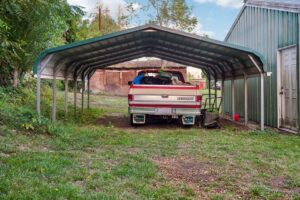
When considering the installation of a metal building on your property, understanding property line regulations is crucial. These regulations dictate how close you can build to your property boundaries and are designed to prevent disputes with neighbors. Each municipality has its own set of rules, which can vary significantly from one area to another. For instance, some regions may allow structures to be built as close as five feet from the property line, while others may require a minimum distance of ten feet or more.
To ensure compliance, it’s essential to check with your local zoning office or planning department. They can provide you with the specific regulations that apply to your property. Additionally, it’s wise to have a survey conducted to clearly define your property lines. This not only helps in adhering to regulations but also protects you from potential legal issues down the road.
When considering the placement of a metal building near property lines, it’s essential to understand local zoning laws and regulations. For further insights on this topic, you can refer to a related article that discusses the installation of custom metal garages in Klamath County, Oregon. This article provides valuable information on the necessary permits and guidelines to ensure compliance with local ordinances. For more details, visit this link.
Zoning Laws and Metal Buildings
Zoning laws play a pivotal role in determining whether you can erect a metal building on your property. These laws categorize land into different zones, each with its own set of permissible uses. For example, residential zones may have strict limitations on the types of structures allowed, while agricultural or commercial zones may offer more flexibility.
Before proceeding with your metal building project, it’s essential to consult your local zoning regulations. This will help you understand what is permissible in your area and whether you need to apply for a zoning variance. A variance allows you to deviate from the standard zoning requirements under certain conditions, which can be particularly useful if your intended use doesn’t align perfectly with existing laws.
Setback Requirements for Metal Buildings
Setback requirements are another critical aspect of building regulations that homeowners must consider. These requirements dictate how far a structure must be set back from property lines, roads, and other structures. The purpose of these regulations is to ensure safety, accessibility, and aesthetic harmony within neighborhoods.
For instance, if you’re planning to build a workshop or a carport, knowing the setback requirements will help you determine the optimal location on your property. In many cases, setbacks can range from five to twenty-five feet, depending on local laws and the type of building being constructed. It’s advisable to consult with local authorities or a professional builder to ensure that your plans comply with these requirements.
Obtaining Permits for Metal Building Placement
Once you’ve navigated property line regulations and zoning laws, the next step is obtaining the necessary permits for your metal building. Most municipalities require permits for any new construction, including metal buildings, to ensure that they meet safety and building codes. The permit application process typically involves submitting detailed plans of your proposed structure, including dimensions, materials, and intended use.
The timeline for obtaining permits can vary widely based on your location and the complexity of your project. In some cases, permits can be issued within a few days, while others may take weeks or even months. It’s essential to factor this timeline into your project planning to avoid delays. Additionally, working with a contractor who is familiar with local permitting processes can streamline this step significantly.
When considering the placement of a metal building near property lines, it’s essential to understand local zoning laws and regulations that may affect your decision. For those interested in exploring the costs associated with metal garages, a related article provides valuable insights into pricing in specific areas. You can find more information about this topic by visiting metal garage prices in Vernal, UT, which can help you make an informed choice based on your budget and location.
Considerations for Adjacent Property Owners
| Property Line Distance | Regulations |
|---|---|
| Less than 5 feet | May require a variance or special permit |
| 5-10 feet | May be allowed with certain restrictions |
| More than 10 feet | Likely permitted without special requirements |
When planning to install a metal building, it’s important to consider how it may affect adjacent property owners. Open communication with neighbors can help mitigate potential disputes and foster goodwill in your community. For example, if your building will block sunlight or views for neighboring properties, it may lead to objections.
Moreover, understanding how your project aligns with neighborhood aesthetics is crucial. If most homes in your area feature traditional designs, a large metal building might stand out in an unappealing way. Engaging with neighbors early in the planning process can help address concerns and potentially lead to compromises that satisfy everyone involved.
When considering the placement of a metal building near property lines, it’s essential to understand local zoning laws and regulations that may affect your project. For those interested in the financial aspects of constructing a metal building, you might find it helpful to explore the cost implications outlined in a related article. This resource provides valuable insights into the pricing of various metal structures, including a detailed breakdown of expenses associated with a 30×80 metal shop building. To learn more about these costs, you can visit this article.
Potential Impact on Property Value
Sure, here is the sentence with the clickable link:
Please visit our website to Request a Free No Obligation Quote: https://metalcarportsandbuildings.com/contact
The addition of a metal building can have varying effects on property value, depending on several factors such as location, design, and intended use. In some cases, a well-constructed metal building can enhance property value by providing additional storage or workspace. For instance, ranchers may find that a new barn increases their land’s appeal to potential buyers.
Conversely, if the metal building is poorly designed or placed in a way that detracts from the overall aesthetic of the property or neighborhood, it could negatively impact value. It’s essential to consider how your project aligns with market trends and buyer preferences in your area before proceeding.
Safety and Security Concerns
Safety and security are paramount when installing a metal building on your property. Metal structures are generally durable and resistant to many environmental factors; however, they are not immune to risks such as fire or severe weather events. Ensuring that your building meets local safety codes is essential for protecting both your investment and the well-being of those who use it.
Additionally, consider incorporating security features such as locks, alarms, or surveillance cameras to protect valuable equipment or materials stored inside the building. By taking proactive measures to enhance safety and security, you can enjoy peace of mind knowing that your metal building is both functional and secure.
Environmental and Aesthetic Considerations
When planning for a metal building, environmental impact and aesthetic considerations should not be overlooked. Metal buildings are often praised for their sustainability; they can be made from recycled materials and are typically energy-efficient when designed properly. However, it’s essential to consider how the structure will fit into the natural landscape and existing architecture.
For example, choosing colors and designs that complement the surrounding environment can enhance visual appeal and reduce potential objections from neighbors. Additionally, consider landscaping around the building to soften its appearance and integrate it more harmoniously into the landscape.
Legal Implications of Metal Building Placement
The legal implications of placing a metal building on your property can be complex. Failing to adhere to local regulations can result in fines or even orders to remove the structure. It’s crucial to understand not only zoning laws but also any homeowners’ association (HOA) rules that may apply if you live in a community governed by an HOA.
In some cases, disputes may arise over property lines or setbacks that could lead to legal action from neighbors. To protect yourself legally, it’s advisable to keep thorough documentation of all communications with local authorities and neighbors regarding your project.
Alternative Options for Metal Building Placement
If traditional placement options seem challenging due to regulations or neighbor concerns, consider alternative solutions for your metal building project. For instance, some homeowners opt for portable structures that can be moved if necessary or temporary installations that don’t require extensive permitting.
Additionally, exploring different designs or sizes may help you find a solution that meets both your needs and regulatory requirements. Consulting with professionals who specialize in metal buildings can provide valuable insights into alternative options that may be available.
Seeking Professional Advice and Guidance
Navigating the complexities of installing a metal building can be daunting; therefore, seeking professional advice is highly recommended. Experienced builders and contractors can guide you through every step of the process—from understanding local regulations to selecting the right materials for your project.
Moreover, professionals can help you design a structure that meets both functional needs and aesthetic preferences while ensuring compliance with all relevant laws and regulations. Investing in expert guidance can save you time and money in the long run while ensuring that your project is successful.
In conclusion, understanding the various factors involved in placing a metal building on your property is essential for ensuring compliance and maximizing benefits. From navigating property line regulations and zoning laws to considering safety and aesthetic implications, each step requires careful thought and planning.
If you’re ready to explore options for metal buildings tailored to your needs—whether it’s a garage, workshop, or barn—contact us today for a free no-obligation quote at (435) 250-4446 or visit us at metalcarportsandbuildings.com for more information!
FAQs
1. What are the typical setback requirements for placing a metal building near property lines?
In most areas, setback requirements for placing a metal building near property lines are determined by local zoning regulations. These regulations typically specify the minimum distance that a building must be set back from the property lines. It is important to check with the local zoning department to determine the specific setback requirements for your area.
2. Are there any restrictions on placing a metal building near property lines?
Some areas may have restrictions on placing a metal building near property lines, such as height limitations or aesthetic considerations. It is important to check with the local zoning department to determine if there are any specific restrictions that apply to placing a metal building near property lines.
3. What factors should be considered when placing a metal building near property lines?
When considering placing a metal building near property lines, it is important to consider factors such as setback requirements, local zoning regulations, potential impact on neighboring properties, and any restrictions that may apply. It is also important to consider the intended use of the building and how it will fit within the overall property layout.
4. Are there any permits required for placing a metal building near property lines?
In many areas, permits are required for placing a metal building near property lines. These permits may include zoning permits, building permits, or other specific permits related to the construction and placement of the building. It is important to check with the local building department to determine the specific permits that may be required for your project.
5. What are the potential consequences of not complying with setback requirements for placing a metal building near property lines?
Failure to comply with setback requirements for placing a metal building near property lines can result in legal consequences, such as fines or orders to remove the building. It can also lead to disputes with neighboring property owners and potential legal action. It is important to ensure compliance with setback requirements to avoid these potential consequences.