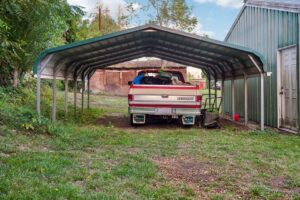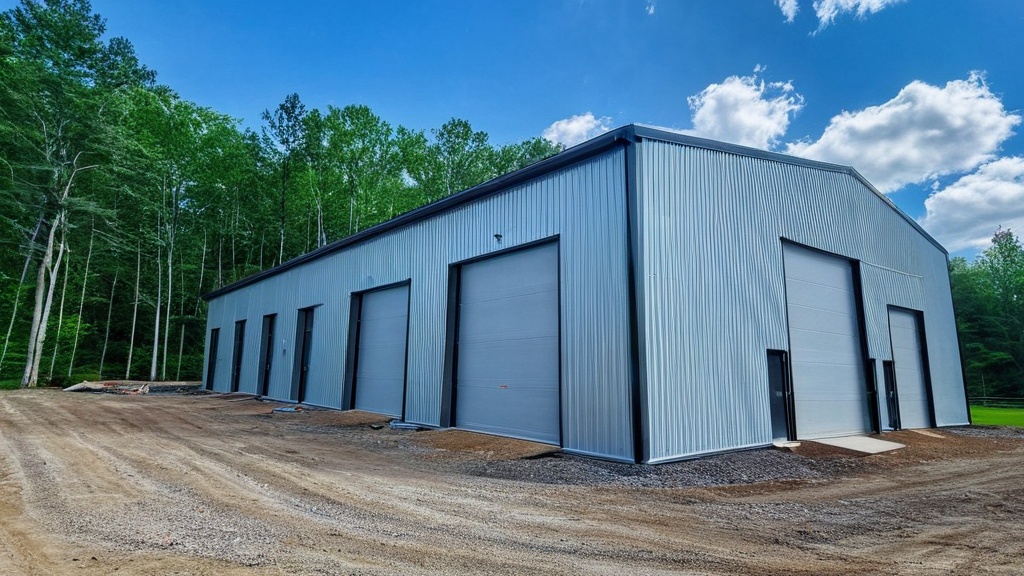
When you’re investing in a metal carport, garage, barn, RV cover, or a custom steel building, you’re not just buying structure; you’re investing in protection for your valuable assets and enhancing your property’s functionality. The quality of the installation is just as crucial as the quality of the materials themselves. A poorly installed building can lead to premature wear, structural instability, and even safety hazards. This is why finding the “best metal building installers near me” is a critical step in your project. This guide will equip you with the knowledge to make an informed decision, focusing on what truly matters for homeowners, ranch owners, business owners, and property owners like you.
A metal building, whether it’s a simple carport or a large agricultural barn, is a significant investment. The integrity of this structure depends heavily on the expertise of the individuals assembling it. This isn’t a DIY project for most, and relying on experienced professionals ensures your building performs as intended, offers robust protection, and meets all necessary safety standards.
Why Professional Installation Matters
Think of it like building a house. You wouldn’t hire a general laborer with no experience to frame your walls or a plumber who’s never installed a complex system. The same principle applies to metal buildings. Professional installers bring:
- Engineering Knowledge: They understand how components fit together to create a stable, load-bearing structure. This includes proper anchoring, bracing, and sealing techniques.
- Tool Proficiency: They have the specialized tools and equipment needed for safe and efficient assembly, from heavy lifting to precision cutting and fastening.
- Code Compliance: Experienced installers are familiar with local building codes and permit requirements, ensuring your structure is compliant and safe.
- Efficiency and Speed: Their experience translates to faster installation times, minimizing disruption to your property.
- Warranty Protection: Reputable manufacturers often require professional installation to validate warranties on their products.
Common Installation Pitfalls to Avoid
Hiring inexperienced or unqualified installers can lead to a host of problems:
- Structural Weaknesses: Inadequate anchoring or bracing can render your building vulnerable to high winds or heavy snow accumulation.
- Leaks and Water Damage: Improper sealing of panels, doors, and windows can lead to water infiltration, causing rust, mold, and damage to anything stored inside.
- Cosmetic Imperfections: Misaligned panels, visible fasteners, or uneven finishes detract from the aesthetic appeal of your property.
- Code Violations: Failure to meet local building codes can result in fines, mandatory modifications, or even demolition orders.
- Voided Warranties: Many manufacturers’ warranties are invalidated by improper installation.
If you’re looking for reliable metal building installers in your area, you might find it helpful to read an article that provides insights into the best options available. For more information on finding top-rated installers near Lincoln County, ID, check out this informative resource: Best Metal Building Installers Near Me. This article offers valuable tips and recommendations to ensure you make the right choice for your metal building project.
Key Factors in Evaluating Metal Building Installers
When you start your search for “best metal building installers near me,” you need a framework for comparison. Don’t just look at the price. Focus on the installer’s capabilities, experience, and commitment to quality.
Experience and Specialization
Not all metal building installers are created equal. Some specialize in certain types of projects.
- Residential vs. Commercial: Installers who primarily work on large commercial projects might have a different approach than those who specialize in residential carports and garages.
- Building Type Expertise: Are they experienced with carports, enclosed garages, agricultural barns, or complex multi-unit steel structures? Ensure they have a proven track record with the type of building you need.
- Years in Business: A longer history often indicates stability and a consistent ability to satisfy customers.
Certification and Training
Professional certifications are a strong indicator of an installer’s commitment to best practices and safety.
- Manufacturer Certifications: Many metal building manufacturers have a network of certified installers. This means the installers have been trained and approved by the company that made the building, ensuring they know the product inside and out.
- Industry Certifications: Look for certifications from relevant construction or metal building associations.
- Safety Training: Installers should have robust safety protocols and be trained in operating equipment safely.
Reputation and Reviews
What are their past clients saying? This is invaluable information.
- Online Reviews:platforms like Google Reviews, Yelp, and the Better Business Bureau (BBB) can offer insight into customer satisfaction, professionalism, and the quality of work.
- Testimonials and Case Studies: A reputable installer will often showcase completed projects and provide testimonials from satisfied customers.
- Ask for References: Don’t hesitate to ask for a list of recent clients you can contact to discuss their experience.
Licensing and Insurance
This is non-negotiable. Operating legally and protecting you from liability are paramount.
- Local Licensing: Ensure they hold all necessary local and state licenses to perform construction work in your area.
- Liability Insurance: They should carry comprehensive general liability insurance. This protects you from financial responsibility if an accident occurs on your property during the installation.
- Workers’ Compensation Insurance: This covers their employees in case of injury on the job, again protecting you from liability.
Understanding Metal Building Components and Installation Processes
A well-installed metal building is a system designed to withstand various environmental factors. Understanding these elements will help you communicate effectively with potential installers and assess their knowledge.
The Role of Engineering and Design
The strength and longevity of your metal building are rooted in its engineering.
- Load Considerations: This is critical. Installers must understand how to design and build for:
- Wind Load: Resistance to uplift and lateral forces from wind. This is especially important in coastal areas or regions prone to high winds. Codes specify wind speed requirements.
- Snow Load: The ability to support the weight of accumulated snow on the roof. This varies significantly by region and is a major factor in building design.
- Dead Load: The weight of the building itself.
- Live Load: Temporary loads, like workers or equipment on the roof.
- Foundation and Anchoring: The foundation is the base of your building. Proper concrete footings, slabs, or helical piers are essential for stability. Anchoring systems (like anchor bolts) must securely tie the steel frame to the foundation, resisting uplift.
- Framing and Bracing: The steel frame provides the structure. Bracing, including diagonal bracing and portal bracing, is vital for rigidity and preventing racking (leaning or distortion).
Certification Standards in Metal Buildings
Certification provides assurance that the building and its components meet specific engineering and safety standards.
- Building Codes: Metal buildings must comply with local building codes, which are often based on International Building Codes (IBC) or other nationally recognized standards. These codes dictate minimum requirements for structural integrity, fire safety, and more.
- Third-Party Testing and Certification: Many reputable metal building manufacturers submit their designs and products to independent testing agencies. Look for certifications like those from the Metal Building Manufacturers Association (MBMA) or specific product certifications that ensure materials and designs meet stringent quality and performance criteria, especially regarding wind and snow load capacity.
- Engineered Plans: For larger or more complex structures, professional engineering stamped plans may be required by local building departments. Experienced installers can work with these plans.
Installation Best Practices
What does a good installation process look like?
- Site Preparation: This includes ensuring the ground is level and the foundation is properly prepared and cured before erection begins.
- Frame Erection: Components are assembled in a sequence dictated by the engineering, ensuring stability at each stage.
- Panel Installation: Exterior panels are installed and fastened with appropriate fasteners, often with rubber washers for sealing. Proper overlap and fastening patterns are crucial to prevent leaks and maintain structural integrity.
- Sealing and Finishing: Flashing, caulking, and trim are installed at all seams, edges, and around openings (doors, windows) to ensure a watertight seal.
- Final Inspection: A professional installer will conduct a final walkthrough to ensure everything is installed correctly, safely, and to your satisfaction.
Sure, here is the sentence with the clickable link:
Watch our Expert Metal Carport and Steel Building Installation Videos on YouTube.
Finding the Right Metal Building Installer Near You: A Practical Guide
Let’s get down to the practical steps of finding those “best metal building installers near me.”
Step 1: Define Your Needs
Before you start searching, be clear about what you need.
- Building Type: Carport, garage, barn, RV cover, workshop, etc.
- Size: Dimensions (length, width, height).
- Features: Open sides, enclosed sides, doors, windows, insulation.
- Intended Use: Protecting vehicles, storage, animals, business operations.
- Budget: Have a general idea of what you’re willing to spend.
Step 2: Research Manufacturers First
Often, the best installers are associated with reputable manufacturers.
- Manufacturer Websites: Many metal building manufacturers offer a dealer or installer locator on their website.
- Local Dealers: Identify manufacturers that are popular or well-regarded in your region. Contact their local dealers.
- Material Quality: Understanding the manufacturer’s reputation helps ensure you’re getting quality materials, which is the first step to a quality building.
Step 3: Search Online and Locally
Use specific search terms to get the best results.
- Search Terms:
- “Metal building installers [Your City/Region]”
- “[Manufacturer Name] certified installers [Your City/Region]”
- “Steel garage builders [Your City/Region]”
- “Barn construction [Your City/Region]”
- “RV cover installation services [Your City/Region]”
- Local Directories: Check local business directories and chambers of commerce.
Step 4: Vet Potential Installers
Once you have a shortlist, it’s time to dig deeper.
- Visit Their Website: Look for information about their services, experience, photos of past projects, and customer testimonials.
- Read Reviews: Pay close attention to both positive and negative feedback. Look for recurring themes.
- Check BBB Rating: A good BBB rating indicates a commitment to customer service.
- Ask for Quotes: Get detailed, itemized quotes from at least three different installers.
Step 5: The Interview and Quote Process
This is where you’ll assess their professionalism and expertise.
- Initial Consultation: Schedule a call or site visit. Ask about their experience with your specific building type and local conditions.
- Assessing Their Knowledge: Ask about wind and snow load considerations for your area. How do they ensure proper anchoring? What type of foundation do they recommend?
- Understanding the Quote: Ensure the quote includes:
- All materials (frame, panels, fasteners, trim, doors, windows).
- Foundation work (if included).
- Permit acquisition (if they handle it).
- Labor costs.
- Warranty details.
- Timeline for completion.
- Ask About Permitting: Do they handle the permitting process? If so, what are the associated costs and timelines? Or will you be responsible for it?
- Warranty: Clarify what their installation warranty covers and for how long.
If you’re searching for the best metal building installers near you, it’s essential to consider various factors such as experience, customer reviews, and the types of structures they specialize in. A helpful resource that provides insights into custom metal garages can be found in this article about custom metal garages near Juab County, Utah. This information can guide you in making an informed decision when selecting a contractor for your metal building project.
Comparing Metal Building Installers: What to Look For
| Company Name | Location | Customer Rating | Years of Experience |
|---|---|---|---|
| ABC Metal Buildings | City A, State X | 4.5/5 | 10 years |
| XYZ Metal Structures | City B, State Y | 4.8/5 | 15 years |
| 123 Metal Works | City C, State Z | 4.3/5 | 8 years |
Making a direct comparison between installers is crucial for making the best choice.
Installer Type: Manufacturer Certified vs. Independent Contractor
- Manufacturer Certified Installers:
- Pros: Deep knowledge of the specific manufacturer’s products. Often have access to detailed installation manuals and direct support from the manufacturer. May offer combined product and installation warranties. Better understanding of product-specific load requirements.
- Cons: Potentially limited to one or a few manufacturers. May have less flexibility on custom designs if not directly from that manufacturer’s offerings.
- Independent Metal Building Contractors:
- Pros: May have experience with a wider range of brands and building types. Can offer more flexibility with custom designs. May be more competitive on price due to lower overhead.
- Cons: Need to thoroughly vet their experience with the specific brand of metal building you’ve chosen. Warranty coverage might be solely installation-based.
Pros and Cons of Professional Installation
| Aspect | Pros | Cons |
| : | :– | :– |
| Quality & Safety | Ensures structural integrity, proper load bearing, watertight seals, code compliance. | None directly, assuming a competent installer. |
| Time & Efficiency| Faster project completion due to experience and specialized tools. | Can be more expensive than a DIY approach (though DIY is rarely feasible for metal buildings). |
| Warranty | Often required to validate manufacturer warranties. Installation warranty provided by the installer. | |
| Peace of Mind | Eliminates stress and risk associated with complex construction. | |
| Cost | Higher upfront cost compared to general labor. | |
| Experience | Skilled professionals with years of specialized knowledge. | |
Pricing Factors for Metal Building Installation
Understanding what drives cost will help you interpret quotes.
- Building Size and Complexity: Larger and more complex buildings require more labor, materials, and time.
- Foundation Type: A poured concrete slab is generally more expensive than gravel or piers.
- Site Accessibility: Difficult terrain or limited access can increase labor and equipment costs.
- Features and Accessories: Doors, windows, insulation, ventilation, and custom finishes add to the overall cost.
- Engineering and Permitting: If specialized engineering or expedited permits are needed, these costs will be factored in.
- Local Labor Rates: Installers’ rates vary based on regional economic conditions.
- Snow Load and Wind Load Requirements: Buildings designed for higher loads may require stronger materials and more robust anchoring, potentially increasing costs.
Local Relevance: Why “Near Me” Matters
When searching for “best metal building installers near me,” local expertise is invaluable.
Understanding Local Building Codes and Permitting
Every municipality has its own set of building codes and permitting processes.
- Knowledge of Local Regulations: Installers familiar with your area will know the specific requirements for permits, inspections, and building codes related to wind, snow, seismic activity, and zoning.
- Faster Permitting: They often have established relationships with local building departments, which can expedite the permit approval process.
- Site-Specific Challenges: Local installers understand the common soil types, potential for flooding, and prevailing wind patterns in your region.
Navigating Local Conditions
The environment your building will exist in is a critical factor.
- Wind Loads: Regions with high winds (coastal areas, plains) require installers who are adept at superior anchoring and bracing techniques.
- Snow Loads: Areas that experience heavy snowfall need installers who understand roof pitch and structural reinforcement to prevent collapse.
- Seismic Activity: In earthquake-prone zones, specialized bracing and foundation designs are paramount.
- Climate Considerations: Installers can advise on the best sealing methods to prevent moisture intrusion in humid climates or to insulate effectively in colder regions.
Frequently Asked Questions About Metal Building Installers
Here are common questions homeowners, ranch owners, and business owners ask.
How long does installation typically take?
The duration of installation varies significantly based on the size and complexity of the building. A simple carport might take a day or two, while a large, enclosed steel building could take several days or even a week or more. Factors like site preparation, foundation completeness, and weather can also influence the timeline.
What is the average cost of installation?
Installation costs are often a percentage of the total building cost, or they can be quoted per square foot. It’s difficult to provide an average without specifics, as prices are highly variable based on building size, type, features, foundation, and regional labor rates. Always get multiple detailed quotes.
Do I need a permit for a metal building?
In most jurisdictions, yes, you will need a building permit, especially for enclosed structures like garages, workshops, or barns. The installer should be knowledgeable about local permit requirements, and some may offer to handle the permitting process as part of their service. Unpermitted structures can lead to fines and removal orders.
What kind of foundation do I need?
The required foundation depends on the building’s size, intended use, and local soil conditions. Common options include concrete slabs, asphalt pads, gravel pads with concrete footings, or helical piers. Your installer will advise on the best foundation for your specific project and local building codes.
What warranties should I expect?
Reputable installers offer a warranty on their workmanship, typically covering defects in installation for a period (e.g., one to five years). The metal building manufacturer will provide a separate warranty on the materials themselves (e.g., rust-through, fading). Ensure you understand the terms of both.
Conclusion: Invest in Quality Installation for Lasting Value
When you’re searching for “best metal building installers near me,” remember that you are investing in a long-term asset. The cheapest option is rarely the best. Prioritize installers who demonstrate expertise, transparency, a strong local presence, and a commitment to quality craftsmanship. By understanding the factors involved in professional installation and thoroughly vetting your candidates, you’ll ensure your metal carport, garage, barn, RV cover, or steel building stands strong, protects your investments, and enhances your property for years to come.
FAQs
1. What are metal building installers?
Metal building installers are professionals who specialize in the construction and installation of metal buildings. They are skilled in working with metal materials and have the expertise to erect metal structures according to specific design and engineering requirements.
2. What services do metal building installers offer?
Metal building installers offer a range of services including site preparation, foundation installation, metal building assembly, insulation installation, and finishing touches such as doors, windows, and trim work. They may also provide consultation and design services for custom metal building projects.
3. How do I find the best metal building installers near me?
To find the best metal building installers near you, you can start by conducting an online search for local companies that specialize in metal building installation. You can also ask for recommendations from friends, family, or colleagues who have had metal buildings installed. Additionally, you can check online reviews and ratings to gauge the reputation and quality of service of different installers.
4. What qualifications should I look for in metal building installers?
When searching for metal building installers, it’s important to look for professionals who are licensed, insured, and have a proven track record of successful metal building installations. Additionally, consider their experience, expertise in working with different types of metal building systems, and their ability to adhere to building codes and safety standards.
5. What factors should I consider when hiring metal building installers?
When hiring metal building installers, consider factors such as their pricing, project timeline, communication skills, and the quality of their previous work. It’s also important to discuss the specifics of your project, including design requirements, materials, and any additional services needed to ensure a successful and satisfactory installation process.