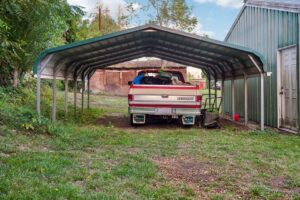
So, you’ve invested in an RV, and now you’re wondering how to best protect it from the elements. This isn’t just about preserving its shiny exterior; it’s about safeguarding a significant investment, maintaining its resale value, and ensuring its longevity. Snow and wind, in particular, pose considerable threats to RVs, from structural damage to cosmetic wear and tear. That’s where a robust RV carport comes in.
This guide is designed for homeowners, ranch owners, business operators, and property owners like you who demand reliable protection without unnecessary jargon. We’ll delve into the engineering, practicality, and crucial considerations when selecting an RV carport, ensuring you make an informed decision that stands up to the harshest weather. We’ll focus on metal structures, given their inherent strength and durability, and equip you with the knowledge to navigate the options, from certification to installation.
Before we discuss solutions, let’s understand why snow and wind are such formidable adversaries for your RV.
The Dynamics of Snow Loads
Snow isn’t just a fluffy white blanket; it’s incredibly heavy. The weight of snow can accumulate rapidly, especially wet snow or drifts. Without adequate support, this weight can cause an RV’s roof to buckle, windows to crack, and even compromise the structural integrity of the vehicle itself.
The Force of Wind Loads
Wind, on the other hand, exerts pressure both directly and through uplift. High winds can tear awnings, dislodge vents, and even overturn lighter RVs or damage their chassis if improperly secured. A well-designed carport acts as a shield, deflecting these forces and providing a secure anchor.
When considering the best RV carports for snow and wind protection, it’s essential to also explore related structures that provide additional safety and utility. For instance, you might find valuable insights in the article about metal garages available near Park County, MT, which discusses various options for safeguarding your vehicles against harsh weather conditions. You can read more about it here: Metal Garages Near Park County, MT.
Why Metal RV Carports are the Superior Choice
When considering materials for an RV carport, steel consistently emerges as the most practical and durable option, particularly in areas prone to heavy snow and high winds.
Inherent Strength and Durability
Steel possesses an exceptional strength-to-weight ratio. This means a relatively thin gauge of steel can bear significant loads, far surpassing the capabilities of wood or fabric structures. Its resistance to rot, pests, and fire also contributes to a longer lifespan and lower maintenance requirements.
Low Maintenance Requirements
Unlike wood, which needs regular staining, sealing, or painting to prevent rot and insect infestation, steel requires minimal upkeep. A simple wash-down occasionally is often sufficient to maintain its appearance and integrity. This translates to less time and money spent on upkeep over the life of the structure.
Customization and Adaptability
Metal carports are highly customizable. From dimensions and roof styles to color and additional features, steel structures can be tailored to meet specific needs and aesthetic preferences. They can also be expanded or modified more easily than other permanent structures, offering flexibility for future changes.
Environmental Considerations
Many steel carports are constructed from recycled materials, and steel itself is 100% recyclable. This makes them a more environmentally conscious choice compared to materials that have a higher carbon footprint or end up in landfills.
Key Engineering and Design Considerations for Snow & Wind
Selecting an RV carport isn’t merely about aesthetics; it’s fundamentally about engineering. Overlooking these details can lead to catastrophic failure.
Snow Load Ratings: More Than Just a Number
The snow load rating of a carport dictates how much weight per square foot the roof can safely bear without collapsing. This rating is critical and is usually expressed in pounds per square foot (PSF). Local building codes specify the minimum snow load requirements based on historical weather data for your region.
- How it’s Determined: Engineers calculate snow load based on factors like ground snow load, exposure to wind, thermal insulation, and roof slope. A higher pitch roof, for instance, allows snow to shed more easily, reducing the accumulation.
- Why it Matters: A carport with an insufficient snow load rating in a snowy region is a dangerous liability. Always verify that the certified snow load meets or exceeds your local requirements.
Wind Load Ratings: Anchoring Against the Gale
Wind load refers to the pressure exerted by wind on the structure. This is also measured in pounds per square foot (PSF) or miles per hour (MPH) for a specific wind zone. Wind can exert both positive pressure (pushing) and negative pressure (lifting).
- Uplift Protection: For carports, uplift is a significant concern. Strong winds can create an aerodynamic lift, similar to an airplane wing, potentially tearing the roof off or overturning the entire structure. Proper anchoring to a concrete slab or appropriate footings is paramount.
- Frame Gauge and Bracing: The thickness of the steel framing (gauge) and the amount of bracing (corner braces, center braces, cross braces) directly influence the wind resistance. Thicker gauge steel offers greater rigidity.
- Local Wind Zones: Like snow loads, wind load requirements are dictated by local building codes based on historical wind speeds for your area. Always ensure your chosen carport is certified for your specific wind zone.
Roof Styles and Their Impact
The roof style you choose isn’t just about curb appeal; it directly influences snow shedding and wind resistance.
- Regular Roof (Rounded Style): Typically the most economical, but less ideal for heavy snow or high winds. The arch shape can accumulate snow.
- A-Frame Horizontal Roof: Offers better drainage than a regular roof due to its A-frame shape, but panels run horizontally. Snow can still collect at the seams. Better for lighter snow regions.
- Vertical Roof (A-Frame Vertical): The gold standard for snow and wind. The panels run vertically, allowing snow, water, and debris to shed off efficiently. This is highly recommended for regions with significant snowfall or high winds.
Certification and Stamped Plans
This is perhaps the most crucial aspect of selecting a robust RV carport.
- Engineered & Certified Structures: A certified structure means a licensed professional engineer has reviewed the designs and calculations and certified that it meets specific snow and wind load requirements. These structures often come with stamped engineering plans.
- Permitting Requirements: Most municipalities require building permits for permanent structures like RV carports. To obtain a permit, you will almost certainly need engineered plans that demonstrate compliance with local building codes. Do not skimp on this. It’s not just about legality; it’s about safety and insurance coverage.
Sure, here is the sentence with the clickable link:
Watch our Expert Metal Carport and Steel Building Installation Videos on YouTube.
Installation and Foundation: The Backbone of Your Carport
A perfectly engineered carport is only as strong as its installation and foundation.
Foundation Choices
The type of foundation directly impacts the carport’s stability, especially against wind uplift.
- Concrete Slab: The most robust option. A properly poured concrete slab provides a solid, level base and allows for secure anchoring.
- Concrete Footings/Piers: A good option if a full slab isn’t necessary or desired. Footings need to be deep enough to resist frost heave and provide adequate anchorage.
- Ground Anchors (Auger Anchors, Mobile Home Anchors): Suitable for softer ground or if concrete is not feasible. These are drilled into the earth and provide significant pull-out resistance, but are generally less secure than concrete.
- Asphalt/Gravel: Least secure. While possible for lighter, non-certified structures, these offer minimal resistance to uplift and are generally not recommended for snow and high-wind environments.
The Importance of Professional Installation
While many manufacturers offer DIY kits, professional installation is strongly recommended, especially for certified structures and in challenging weather zones.
- Precision and Expertise: Installers are experienced in proper framing, panel alignment, and crucial anchoring techniques.
- Warranty: Many manufacturers require professional installation for their warranties to remain valid, especially for certified structures.
- Time and Safety: Installing large, heavy steel components can be time-consuming and dangerous without the right equipment and experience.
When considering the best RV carports for snow and wind, it’s essential to also explore related structures that can offer additional protection for your vehicles and equipment. One such option is a metal barn, which can provide ample space and durability against harsh weather conditions. For more information on finding the perfect metal barn near you, check out this insightful article on metal barns. This resource can help you make an informed decision about safeguarding your investments from the elements.
Sizing and Customization: Tailoring Your Protection
| RV Carport | Snow Load Capacity | Wind Resistance |
|---|---|---|
| Carport A | 150 lbs/sq ft | 120 mph |
| Carport B | 200 lbs/sq ft | 150 mph |
| Carport C | 250 lbs/sq ft | 180 mph |
Your RV isn’t a one-size-fits-all vehicle, and neither should its carport be.
Determining the Right Dimensions
- Length: Measure the total length of your RV, including any hitches or rear-mounted accessories. Add at least 2-3 feet on each end for comfortable maneuvering and extra protection.
- Width: Measure the widest part of your RV, including slide-outs and mirrors. Add at least 3-5 feet on each side for easy access, slide-out operation, and clearance.
- Height: Measure the tallest point of your RV, including any AC units, antennas, or vents. Crucially, add 2-3 feet of clearance to the eaves of the carport. This is essential for preventing damage during entry and exit and allows for future modifications on the RV.
Customization Options
- Side Panels/Enclosure: For maximum protection against blowing snow, rain, and UV rays, consider adding full or partial side panels. A fully enclosed garage-style structure offers the best protection from all elements and added security.
- Gable Ends: These triangular panels at the ends of the carport provide additional weather protection and a more finished look.
- Anchoring Upgrades: Discuss specific anchoring options with your dealer, especially if you have unique ground conditions or extreme weather patterns.
- Color Choices: While aesthetic, selecting a lighter color can help reflect sunlight, keeping the internal temperature slightly cooler in sunny climates.
When considering the best RV carports for snow and wind, it’s essential to also explore options for durable storage solutions that can withstand harsh weather conditions. A related article discusses the advantages of steel sheds, which can provide excellent protection for your vehicles and equipment. For more information on these sturdy structures, you can read about them in this informative article. Investing in the right shelter will ensure your RV remains in top condition regardless of the elements.
Pricing Factors: What Influences the Cost
The cost of an RV carport varies significantly based on several factors. Understanding these will help you budget effectively.
Size and Dimensions
Naturally, larger carports requiring more materials will be more expensive. The larger the footprint, the more steel, panels, and potentially labor are involved.
Gauge of Steel
- Frame Gauge: Thicker steel (e.g., 12-gauge) is stronger than thinner steel (e.g., 14-gauge) and comes at a higher cost. For heavy snow and high wind areas, 12-gauge is highly recommended.
- Panel Gauge: Similarly, thicker roof and wall panels offer greater durability and dent resistance.
Roof Style
Vertical roofs are generally the most expensive due to their more complex framing and panel orientation, but they are also the most effective against snow and rain.
Engineered Plans and Certification
Structures that are engineered and certified to meet specific snow and wind loads will cost more due to the professional engineering fees and the use of stronger materials and designs. However, this is a non-negotiable expense for safety and permitting.
Enclosures and Accessories
Adding side panels, gable ends, full walls, doors, windows, and other accessories will increase the overall cost.
Delivery and Installation
The cost of delivery depends on your location relative to the manufacturer or dealer. Installation costs can vary based on complexity, site preparations, and local labor rates. Some companies include installation, while others charge separately.
Foundation Preparation
This can be a significant cost. Whether you need a full concrete slab, footings, or just site leveling, be sure to factor this into your budget.
Buyer Guidance and Local Relevance
Navigating the market for an RV carport requires due diligence.
Research Local Building Codes
This is your first and most crucial step. Visit your local planning or building department website, or call them directly. Inquire about:
- Permit Requirements: What permits do you need?
- Zoning Restrictions: Are there setbacks from property lines? Height restrictions?
- Minimum Snow Load: Required PSF for your address.
- Minimum Wind Load: Required MPH or PSF for your address/wind zone.
- Foundation Requirements: Are specific foundation types mandated?
Ignoring these can lead to fines, forced demolition, and issues with insurance.
Get Multiple Quotes
Contact several reputable metal building suppliers. Provide them with your exact dimensions, desired features, and, most importantly, your local snow and wind load requirements. Compare apples to apples: ensure all quotes include similar material gauges, certification, and installation specifics.
Check References and Reviews
Look for companies with a strong track record, positive customer reviews, and a clear understanding of local weather challenges. Ask for references, especially from customers in your region who have faced similar weather conditions.
Understand the Warranty
Clarify what the warranty covers (frame, panels, paint finish) and for how long. Ensure the warranty is valid only with proper installation and maintenance.
Example Scenario: Ranch Owner in Colorado
A ranch owner in central Colorado needs an RV carport for a 40-foot fifth wheel. Their county building code requires a 50 PSF snow load and a 115 MPH wind load.
- Recommendation: A fully enclosed 12-gauge steel structure with a vertical roof, concrete slab foundation, and engineered plans specific to 50 PSF/115 MPH. Delivery and professional installation are essential.
- Why: The high snow load mandates a vertical roof and heavy-gauge steel. The high wind load necessitates a strong concrete foundation and professional anchoring. Enclosure protects against blowing snow and extreme cold.
Common Questions About RV Carports for Snow and Wind
1. Can I install an RV carport myself?
While it’s possible for smaller, non-certified structures, professional installation is highly recommended for RV carports in snow and high-wind environments. This ensures proper alignment, structural integrity, and correct anchoring, which is critical for meeting certifications and resisting extreme weather. It also typically preserves your warranty.
2. Is a concrete foundation always necessary?
For certified RV carports in areas with significant snow and wind, a concrete slab or deep concrete footings are usually essential. They provide the necessary stability and strong anchor points to resist uplift and lateral forces. Asphalt or gravel foundations are generally insufficient for these conditions.
3. How long does it take to install an RV carport?
Installation time varies depending on the size and complexity of the carport. A standard RV carport might take 1-3 days for professional installers, assuming site preparation (e.g., concrete slab curing) is already complete. Larger, custom builds or fully enclosed garages will take longer.
4. What kind of maintenance does a metal RV carport require?
Metal carports are relatively low maintenance. Periodically inspect for loose fasteners, dents, or scratches that could lead to rust. Keep the roof clear of excessive debris, especially leaves, which can trap moisture. A simple wash with soap and water can keep the panels clean.
5. Will my insurance cover an RV carport?
Most homeowner’s or property insurance policies can cover detached structures, but coverage specifics vary. It’s crucial to inform your insurance provider about your new RV carport. Ensure it’s built to code and properly permitted; otherwise, your claim might be denied. Certified, permitted structures are far more likely to be covered.
Final Considerations
Protecting your RV from snow and wind is not a luxury; it’s a necessity. By prioritizing robust engineering, understanding local code requirements, and making informed choices about materials and installation, you can acquire an RV carport that offers unparalleled protection for decades to come. Don’t compromise on durability for short-term savings; the long-term integrity of your RV depends on it.
FAQs
What are RV carports?
RV carports are structures designed to provide protection for recreational vehicles (RVs) from the elements, such as snow, wind, and sun. They are typically made of metal and can be either freestanding or attached to a building.
Why is it important to consider snow and wind when choosing an RV carport?
Snow and wind can pose significant threats to the safety and integrity of RV carports. Heavy snow loads can cause the roof to collapse, while strong winds can lead to structural damage. Therefore, it is crucial to choose an RV carport that is specifically designed to withstand these elements.
What features should I look for in an RV carport to ensure it can handle snow and wind?
When selecting an RV carport, look for features such as heavy-duty steel construction, reinforced trusses, and high snow and wind load ratings. Additionally, consider options for adding extra bracing and anchoring to further enhance the carport’s stability in challenging weather conditions.
Are there specific RV carport models that are recommended for snow and wind protection?
There are several RV carport models on the market that are specifically engineered to withstand snow and wind. Look for options from reputable manufacturers that offer certified snow and wind load ratings, as well as customizable features to suit your specific climate and RV size.
What are some additional tips for maintaining RV carports in snowy and windy conditions?
Regular maintenance is key to ensuring the longevity and effectiveness of RV carports in challenging weather. This includes clearing snow buildup from the roof, inspecting for any signs of damage or wear, and ensuring that anchoring and bracing systems are secure. Additionally, consider investing in a quality cover or tarp to provide an extra layer of protection for your RV.