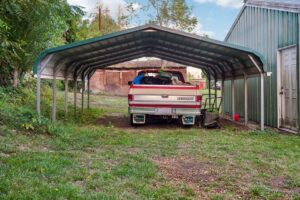
Buying a metal carport, garage, barn, or steel building is a significant investment for any property owner. Whether you’re a homeowner needing extra vehicle protection, a rancher seeking robust shelter for equipment, or a business owner expanding storage, the allure of durable, cost-effective steel structures is undeniable. However, the path to a successful purchase is often fraught with common missteps that can lead to frustration, unexpected costs, or an inadequate solution. This guide aims to illuminate these pitfalls, offering expert insights to help you navigate the process with confidence and clarity, ensuring your metal building meets your specific needs without compromise.
One of the most frequent and costly errors buyers make is not accurately assessing their current and future requirements. A steel structure isn’t just a shed; it’s a long-term asset designed to protect valuable property. Skimping on size or functionality from the outset often leads to regret and the need for costly expansions or replacements down the line.
1.1 Ignoring Future Growth
Many buyers focus solely on their immediate needs. A single car today might become two cars tomorrow, or you might acquire an ATV, a small tractor, or more recreational gear. When planning your structure, consider what you might need to store five, ten, or even fifteen years from now.
Practical Example: A homeowner buys a 12’x20′ carport for their sedan. Two years later, they purchase an RV. Now they need a separate, much larger RV cover, effectively doubling their initial investment and occupying more valuable property space.
1.2 Overlooking Vehicle Dimensions and Access
It’s not just about the length and width of your primary vehicle. You need to account for open doors, mirrors, hitches, and any accessories. Also, consider the height required. An RV, for instance, has vastly different clearance needs than a standard car. Beyond the vehicle itself, think about how you will maneuver it into and out of the structure. Will you need extra width for turning radius or additional height for a lifted truck or an RV with an AC unit on top?
Clear Definition: Clearance Height refers to the lowest point of the framing or bracing inside your structure, which dictates the maximum height of an object that can pass through or be stored inside. Always measure your tallest vehicle, including any rooftop accessories.
1.3 Neglecting Multi-Purpose Use
Metal buildings are incredibly versatile. Don’t restrict your thinking to just vehicle storage. Could your carport double as a covered patio for entertaining? Could your garage include a small workshop area? Could your barn have space for animal feed storage alongside equipment? Planning for multiple uses upfront can save you from needing separate structures later.
Buyer Guidance: Create a detailed list of everything you plan to store now and in the future. Measure the length, width, and height of each item. Add a minimum of 2-3 feet in width and length for comfortable access and maneuverability. For height, add at least 1-2 feet to your tallest item’s measurement for practical clearance and potential future tall vehicles.
When considering the purchase of a metal carport, it’s essential to be aware of common pitfalls that can lead to dissatisfaction. A related article that provides valuable insights is titled “7 Mistakes People Make When Buying a Metal Carport.” This article highlights key factors to consider, ensuring you make an informed decision. For those looking for local options, you can also explore metal carports near Kootenai County, ID, which can help you find the perfect structure tailored to your needs.
2. Neglecting Site Preparation and Foundation Considerations
The integrity and longevity of any steel building heavily depend on the foundation and site preparation. Overlooking this crucial step is a common error that can lead to structural problems, warranty voidance, and significant repair costs.
2.1 Skipping Proper Site Leveling
A metal building requires a flat, level surface for proper installation. Uneven ground can stress the frame, leading to difficulties during installation, misaligned panels, and ultimately, compromising the structural integrity. This isn’t just about aesthetics; it’s about stability.
Seller Insight: Reputable installers will rarely install on significantly uneven ground without advising remediation. Some may refuse the install if the site is too unlevel, resulting in trip charges for you.
2.2 Underestimating Foundation Importance
While metal carports and open structures can sometimes be installed directly on ground with proper anchoring, a robust foundation is almost always recommended for garages, barns, and fully enclosed buildings. Concrete slabs are the gold standard, providing excellent stability and a clean, dry floor. Alternatives like gravel, asphalt, or pier footings have their place, but each comes with specific considerations.
Clear Definitions:
- Concrete Slab: A reinforced concrete pad poured directly on the ground. Offers superior stability, moisture barrier, and a finished floor.
- Gravel Pad: A compacted base of crushed stone. Provides drainage but can shift over time and doesn’t offer the same level of stability or cleanliness as concrete.
- Pier Footings: Concrete posts sunk below the frost line, typically used for larger, more complex structures or on sloped sites.
2.3 Ignoring Drainage and Water Management
Water is the enemy of any structure. Poor drainage can lead to water pooling around the base of your building, causing rust, foundation erosion, and internal dampness. Consider the natural slope of your land and plan for appropriate grading or drainage solutions like French drains.
Practical Example: A homeowner installs a metal garage on a slight incline without grading. Rainwater naturally flows towards the garage, pooling against the walls and seeping under the base, leading to moisture issues inside and accelerating rust on the base rails.
Buyer Guidance: Consult with a local contractor or the building supplier regarding recommended site preparation. Ensure the site is cleared of debris, vegetation, and is accurately leveled within the manufacturer’s specifications (usually within 2-3 inches across the building’s footprint). Plan for proper surface water runoff away from the structure.
3. Overlooking Engineering, Certifications, and Local Building Codes
This is perhaps the most critical oversight, especially for permanent structures. Ignoring structural certifications and local building codes can lead to legal issues, insurance problems, and a building that simply isn’t safe or durable enough for your environment.
3.1 Dismissing Snow Load and Wind Load Requirements
Every region has specific demands on structures due to weather. Snow load (the weight of snow a roof can support) and wind load (the force of wind a building can withstand) are engineered specifications designed to prevent collapse. Buying an “uncertified” or “non-certified” structure often means it hasn’t been structurally engineered to meet these local requirements.
Clear Definitions:
- Snow Load: Measured in pounds per square foot (PSF), this is the maximum weight of snow your roof can safely bear without structural failure.
- Wind Load: Measured in miles per hour (MPH), this indicates the maximum wind speed your building can endure without suffering structural damage or uplift.
- Certified Building: A structure engineered and designed to meet specific snow and wind load ratings, typically backed by stamped engineering drawings.
3.2 Ignoring Local Building Permits and Zoning Regulations
Before any installation, always check with your local municipal planning or building department. Permits are almost always required for permanent structures, and zoning laws dictate setbacks, height restrictions, and even aesthetic requirements in some areas. Failing to secure the necessary permits can result in fines, forced demolition, or legal battles.
Local Relevance: Building codes vary significantly from county to county, and even within different zones of the same city. What’s permissible in a rural area may be strictly regulated in a suburban neighborhood.
3.3 Failing to Understand Certification vs. Non-Certification
Many metal building companies offer both certified and non-certified options. While non-certified structures are often cheaper, they do not come with engineering stamps and typically do not meet code requirements. This means they might not withstand harsh weather, and you won’t be able to get a building permit for them.
Pros of Certified Buildings:
- Meets local building codes.
- Ensures structural integrity for specific snow and wind loads.
- Often required for insurance coverage.
- Higher resale value for your property.
- Peace of mind regarding safety and durability.
Cons of Non-Certified Buildings:
- Lower initial cost.
- May not meet local codes (cannot get permits).
- Higher risk of damage from severe weather.
- Potentially voids insurance claims.
- Not suitable for many permanent applications.
Buyer Guidance: Always inquire about certification. Provide your exact address to the supplier so they can determine the appropriate snow and wind load requirements for your area. Budget for permit fees and, if necessary, an engineer’s review.
Sure, here is the sentence with the clickable link:
Watch our Expert Metal Carport and Steel Building Installation Videos on YouTube.
4. Skimping on Material Quality and Customization
The initial cost savings from choosing lower-grade materials or standard designs often evaporate quickly when maintenance, repairs, or dissatisfaction set in. Your metal building should be an investment, not a recurring expense.
4.1 Opting for Thinner Gauge Steel Where Thicker is Needed
Steel gauge refers to its thickness; a lower gauge number indicates thicker steel. Framing (often 12-gauge or 14-gauge) and paneling (often 29-gauge or 26-gauge) are key components. While 14-gauge is common for framing, 12-gauge offers superior strength and is often recommended for larger structures or areas with high snow/wind loads. Similarly, 26-gauge paneling is more dent-resistant and durable than 29-gauge.
Comparison:
| Feature | 14-Gauge Steel Framing | 12-Gauge Steel Framing | 29-Gauge Steel Panels | 26-Gauge Steel Panels |
| : | :- | :- | :– | :– |
| Thickness | Thinner | Thicker | Thinner | Thicker |
| Strength | Standard | Superior | Standard | Enhanced |
| Durability| Good | Excellent | Moderate | High |
| Cost | Lower | Higher | Lower | Higher |
| Use Case | Standard carports | Garages, barns, high-load areas | Basic shelters | Premium cladding, high-traffic |
4.2 Neglecting Roof Style for Practicality and Durability
The roof style isn’t just aesthetic; it affects snow shed, water runoff, and structural strength.
- Regular Roof (Arched): The most economical, but less effective at shedding snow and water. Frame bows are parallel to the ground.
- A-Frame Horizontal Roof: Better at shedding water than a regular roof, but snow can accumulate. Frame is A-shaped, panels run horizontally.
- Vertical Roof (A-Frame Vertical): The premium option. Panels run vertically, allowing snow and water to run off easily. Requires additional purlins for support and is highly recommended for longevity, especially in heavy snow or rain areas.
Recommendation: For any enclosed building or in areas with consistent precipitation, a vertical roof is almost always the best choice for drainage and longevity, even with a slightly higher initial cost.
4.3 Skipping Important Accessories or Customizations
Think about doors (roll-up, walk-in), windows, insulation, ventilation, and custom height or width. Adding these features during the initial order is almost always cheaper and more efficient than retrofitting them later. Insulation, for instance, significantly improves temperature control and reduces condensation in enclosed spaces.
Buyer Guidance: Prioritize quality where it matters most: thicker gauge framing for structural integrity, vertical roof for drainage, and proper anchoring. Consider your structure’s purpose and climate when choosing these features.
When considering the purchase of a metal carport, it’s essential to be aware of common pitfalls that can lead to dissatisfaction. A related article that provides valuable insights on this topic is available at metal building installation near Daggett County, Utah. This resource not only highlights the importance of proper installation but also emphasizes the need for careful planning and research to avoid the mistakes many buyers make. By understanding these factors, you can ensure that your investment in a metal carport meets your needs and expectations.
5. Ignoring Warranty, Installation, and After-Sale Support
| Mistake | Description |
|---|---|
| Not considering the size | Choosing a carport that is too small to accommodate your vehicles or equipment. |
| Ignoring local building codes | Failing to check local regulations and codes before purchasing a carport. |
| Not evaluating the terrain | Not considering the ground conditions where the carport will be installed. |
| Choosing the wrong material | Not selecting the appropriate metal material for the carport based on weather conditions and durability. |
| Not comparing prices | Not researching and comparing prices from different suppliers before making a purchase. |
| Not considering additional features | Overlooking important features such as insulation, ventilation, and customization options. |
| Not planning for future needs | Failing to consider future vehicle or storage needs when choosing the size and design of the carport. |
A metal building is a long-term investment. The quality of the product is only half the equation; the reliability of the supplier and installer is equally crucial. Neglecting warranty details, installation processes, and after-sale support can leave you with a problem and no recourse.
5.1 Not Reviewing Warranty Details Thoroughly
Understand what is and isn’t covered. Most companies offer a frame warranty (often 20 years or more) and a panel warranty (sometimes 10 years for normal wear, less for fading or rust from improper care). Ask about specific exclusions, such as those related to improper installation (if you self-install) or failure to obtain permits.
Key Questions to Ask About Warranties:
- What specific components are covered (frame, panels, paint)?
- How long is the warranty period for each component?
- What voids the warranty (e.g., structural modifications, extreme weather beyond rated limits, lack of maintenance)?
- Is the warranty transferable if I sell my property?
5.2 Underestimating Professional Installation vs. DIY
While some smaller carports offer DIY kits, most larger carports, garages, and steel buildings require professional installation. This ensures the structure is assembled correctly, safely, and according to engineering specifications. Attempting a complex DIY installation without proper experience can lead to an unsafe structure, voids warranties, and can be incredibly frustrating.
Pros of Professional Installation:
- Ensures correct assembly according to engineering plans.
- Minimizes risk of injury during construction.
- Typically includes anchoring to your foundation.
- Often part of the purchase price or offered as an option.
- Preserves warranty coverage.
Cons of DIY Installation:
- Cost savings on labor.
- Requires significant time, tools, and expertise.
- Increased risk of construction errors and injury.
- May void warranties if not installed to spec.
- Can be challenging for larger, heavier components.
5.3 Neglecting the Importance of Customer Service and Local Support
A good supplier doesn’t just sell you a building; they guide you through the process, answer your questions, and provide support. Look for companies with transparent pricing, clear communication, and a track record of reliable customer service. For local relevance, consider how easily you can communicate with them, especially if you have questions after the sale.
Buyer Guidance: Choose a reputable dealer or manufacturer known for quality products and strong customer support. Read online reviews, ask for references, and ensure all warranty information is clearly outlined in writing. If opting for professional installation, confirm they are insured and experienced with metal buildings.
When considering the purchase of a metal carport, it’s essential to avoid common pitfalls that can lead to dissatisfaction. For instance, many buyers overlook the importance of proper installation, which can significantly impact the longevity and stability of the structure. To gain a deeper understanding of the installation process and its implications, you might find it helpful to read this related article on custom metal garages in Wasatch County, Utah. This resource provides valuable insights that can help you make informed decisions when selecting and installing your carport.
6. Focusing Solely on the Lowest Price
The adage “you get what you pay for” holds true for metal buildings. While budgeting is essential, making decisions based purely on the lowest advertised price can lead to hidden costs, inferior quality, and long-term dissatisfaction.
6.1 Ignoring Hidden Fees and Delivery Charges
The advertised price often doesn’t include everything. Ask about delivery fees (especially for remote locations), installation costs (if not included), sales tax, and any additional charges for specific customizations or permits.
Actionable Advice: Always request a detailed, itemized quote that includes all potential costs from start to finish.
6.2 Not Understanding the True Cost of Ownership
A cheaper initial price might mean lighter gauge steel, fewer braces, or an uncertified design. These compromises can translate to increased maintenance, higher energy bills (due to lack of insulation), potential damage from weather, and a shorter lifespan, ultimately costing you more in the long run.
Cost Considerations Beyond Purchase Price:
- Permit fees: Local building department.
- Site preparation: Excavation, leveling, foundation.
- Delivery/Installation: If not included in the quote.
- Maintenance: Cleaning, sealing (less intensive for metal, but not zero).
- Insurance: May vary based on certification.
- Repairs: Especially if subject to damage due to insufficient engineering.
6.3 Prioritizing Aesthetics Over Practicality or Durability
While colors and trim are important, they shouldn’t overshadow structural integrity, sizing, or proper engineering. A building that looks great but can’t withstand your local weather or store your equipment isn’t a good investment.
Buyer Guidance: Compare quotes rigorously, looking beyond just the bottom line. Ask clarifying questions about included features, material gauges, and warranties. Understand that a slightly higher initial investment in quality materials, proper engineering, and professional installation often pays dividends in durability, safety, and peace of mind over decades.
7. Skipping Out On Proper Research and Asking Enough Questions
Many buyers jump into a purchase based on limited information, assuming all metal buildings are essentially the same. This lack of due diligence is a recipe for unmet expectations and costly errors.
7.1 Failing to Research Reputable Dealers/Manufacturers
Not all suppliers are equal. Some are resellers, some are manufacturers, and their expertise, pricing, and warranty support can vary significantly. Look for companies with a long history, positive customer reviews, clear websites, and responsive customer service.
Trustworthiness Indicators:
- Transparent pricing and product specifications.
- Clear warranty statements.
- Positive customer feedback (Google, BBB, industry-specific forums).
- Knowledgeable sales staff who can answer technical questions.
- Provision of engineering drawings/certifications.
7.2 Not Asking Specific Questions About the Order and Installation Process
From lead times to scheduling, and from payment terms to site access requirements, every detail matters. Don’t assume anything. Confirm communication protocols, expected timelines, and what you, as the property owner, are responsible for.
Examples of Critical Questions to Ask:
- “What is the estimated lead time from order to installation?”
- “What are the payment terms (deposit, final payment)?”
- “What specific site preparation do I need to complete before installation?”
- “Will you dispose of any construction debris, or am I responsible?”
- “What is your communication process for scheduling and updates?”
- “Who is my primary contact person for questions throughout the process?”
7.3 Ignoring the Fine Print in Contracts and Agreements
Rushing to sign a contract without reading every detail is a common mistake. Pay close attention to clauses regarding changes, cancellations, warranty limitations, site accessibility, and liability.
Buyer Guidance: Be an informed consumer. Spend time researching options, comparing quotes, and understanding the terminology. Document all communications, especially pricing and product specifications. Never hesitate to ask for clarification on anything you don’t understand. A reputable company will appreciate your thoroughness.
Frequently Asked Questions (FAQ)
Q: Do I always need a concrete slab for my metal building?
A: Not always. Carports or open structures can often be anchored to ground, gravel, or asphalt. However, for garages, barns, or any enclosed structure where a clean, dry interior is desired, a concrete slab is highly recommended for stability and longevity.
Q: What’s the difference between 14-gauge and 12-gauge steel for the frame?
A: 12-gauge steel is thicker and stronger than 14-gauge. It’s recommended for larger buildings, areas with high snow/wind loads, or for those seeking maximum durability.
Q: How do I know what snow load and wind load my building needs?
A: Provide your exact address to a reputable dealer. They should be able to look up local building codes and recommend a certified structure that meets or exceeds those requirements for snow load (PSF) and wind load (MPH).
Q: Is it okay to buy an uncertified metal building?
A: It depends on your purpose and local regulations. Uncertified buildings are cheaper but lack engineering stamps, meaning they may not meet local building codes or withstand severe weather. They are generally not recommended for permanent structures or where permits are required.
Q: Can I install insulation in a metal carport or garage?
A: Yes, many metal buildings can be insulated. For garages and enclosed buildings, insulation is a popular option to regulate temperature, reduce condensation, and improve energy efficiency. It’s usually best to plan for insulation during the initial purchase.
Q: What is the typical lead time from ordering to installation?
A: Lead times can vary significantly based on the manufacturer, current demand, customization complexity, and your location. It can range from a few weeks to several months. Always confirm the estimated lead time with your supplier.
FAQs
What are the common mistakes people make when buying a metal carport?
Some common mistakes people make when buying a metal carport include not considering the size and dimensions needed, not researching local building codes and regulations, not evaluating the quality and durability of the materials, not considering the installation process, and not comparing prices and features from different suppliers.
How can not considering the size and dimensions needed be a mistake when buying a metal carport?
Not considering the size and dimensions needed can be a mistake when buying a metal carport because it can result in purchasing a carport that is too small to accommodate the intended vehicles or equipment. It’s important to carefully measure the space available and consider the size of the vehicles or equipment that will be stored in the carport.
Why is it important to research local building codes and regulations when buying a metal carport?
Researching local building codes and regulations is important when buying a metal carport because it ensures that the carport will meet the requirements set by the local authorities. Failure to comply with these regulations can result in fines or the need to remove and replace the carport.
How can not evaluating the quality and durability of the materials be a mistake when buying a metal carport?
Not evaluating the quality and durability of the materials can be a mistake when buying a metal carport because it can result in purchasing a carport that is not able to withstand the local weather conditions or provide long-term protection for the vehicles or equipment stored underneath. It’s important to consider factors such as the gauge of the steel, the coating or finish, and the warranty offered.
Why is it important to compare prices and features from different suppliers when buying a metal carport?
Comparing prices and features from different suppliers is important when buying a metal carport because it allows buyers to find the best value for their budget. Different suppliers may offer different features, warranties, and installation services, so it’s important to compare options to make an informed decision.