Navigating the world of metal buildings can feel like a labyrinth, whether you’re a homeowner looking to protect your vehicles, a rancher needing durable storage, or a business owner expanding operations. From carports and garages to barns and expansive steel structures, the options are vast. This guide aims to cut through the noise, offering expert, actionable advice to help you make an informed decision. We’ll prioritize clarity, address critical engineering considerations, and equip you with the right questions to ask, ensuring your investment stands the test of time and fulfills your specific needs.
Before you even begin browsing models or comparing prices, a foundational understanding of your requirements is paramount. Misalignment here can lead to an undersized structure, one lacking critical features, or an unnecessary overinvestment. Think beyond the immediate need and consider potential future uses.
Defining Primary and Secondary Uses
Start with the core purpose. Is it strictly for vehicle protection? Will it house livestock? Is it a workshop, a storage facility, or a combination?
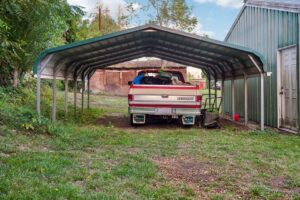
- Carports: Excellent for basic vehicle protection from sun, hail, and light snow. They offer quick access and are generally the most economical option. Example: A homeowner needing to shelter their car from scorching summer sun.
- Garages: Enclosed and secure, providing superior protection against weather, theft, and pests. Ideal for vehicles, tools, and creating a dedicated workspace. Example: A business owner needing secure storage for equipment and a small repair bay.
- Barns: Designed for agricultural use, often featuring open bays, stalls, or larger clear spans for machinery. Example: A rancher housing tractors, hay, and cattle.
- RV Covers: Specialized carports or garages designed with greater height and length to accommodate recreational vehicles. Example: An RV owner protecting their significant investment from UV damage and winter elements.
- Workshops & Commercial Buildings: Fully enclosed, often insulated structures with specific load-bearing requirements for equipment, inventory, or production lines. Example: A small manufacturing business needing a durable, customizable workspace.
Considering Future Expansion and Adaptability
Think long-term. Will your needs evolve? Can the structure be easily expanded or repurposed?
- Modularity: Some steel building systems are designed for relatively easy expansion. Discuss this possibility with your supplier.
- Foundation: A robust foundation, even if initially oversized, can support future additions or heavier loads.
- Utilities: Plan for future electrical, plumbing, or internet needs, even if not immediately required. Laying conduits during initial construction is far more cost-effective.
When considering the purchase of a metal building, it’s essential to ask the right questions to ensure you make an informed decision. A related article that can provide further insights is “Custom Metal Buildings Near Sheridan County, WY,” which discusses various options and considerations for customizing metal structures to meet specific needs. You can read more about it here: Custom Metal Buildings Near Sheridan County, WY. This resource can help you understand the benefits of customization and the factors to consider before making your investment.
2. What Are the Environmental and Regulatory Constraints for My Location?
This category is non-negotiable and dictates the structural integrity and legality of your building. Ignoring these factors can lead to costly fines, structural failure, or even personal injury.
Understanding Snow Load and Wind Load Requirements
These are critical engineering specifications that determine the strength and design of your metal building.
- Snow Load: Measured in pounds per square foot (PSF), this is the maximum weight of snow your roof is designed to safely bear. Factors include geographic location, elevation, and roof pitch. Example: A homeowner in a mountainous region will require a significantly higher snow load rating than one in a subtropical climate. Insufficient snow load can lead to roof collapse.
- Wind Load: Measured in miles per hour (MPH) or PSF, this is the maximum wind speed your building can withstand without structural damage. Factors include geographic location (e.g., coastal areas, tornado alley), building height, and surrounding terrain. Example: A rancher in a flat, open area will need a higher wind load rating than a suburban property shielded by other buildings. Insufficient wind load can lead to panel detachment or complete structural failure.
Ask: “What are the specific snow load and wind load requirements for my exact address?” A reputable supplier will be able to cross-reference your location with local building codes.
Importance of Building Codes and Permits
Local building departments enforce a suite of regulations to ensure public safety.
- Zoning Ordinances: These dictate what kind of structures can be built on your property, their size, proximity to property lines, and aesthetic requirements.
- Building Permits: Almost all permanent structures require a permit. This involves submitting plans, demonstrating compliance with codes, and undergoing inspections.
- Foundation Requirements: Local codes will specify foundation type and depth based on soil conditions and structural loads.
- Electrical and Plumbing Codes: If your building will have utilities, these will require separate permits and inspections.
Buyer Guidance: Never assume your building is exempt. Contact your local planning or building department before purchasing. Ask about required setbacks, maximum height, and any design restrictions. A certified building ensures it meets or exceeds these standards, offering peace of mind and easier permit approval.
3. What Level of Certification and Engineering Do I Need?
Certification indicates that a building has been designed and manufactured to specific engineering standards, a crucial component often overlooked by first-time buyers. It’s not just a fancy label; it’s a statement of structural reliability.
Understanding Certified vs. Non-Certified Buildings
- Certified Buildings: These structures have undergone rigorous engineering analysis and review. They are designed to meet specific local snow load and wind load requirements, as determined by a licensed professional engineer. You will receive stamped engineering drawings that are often required for permits.
- Non-Certified Buildings: While often cheaper, these buildings lack independent engineering verification. They may claim to meet certain loads, but without certified drawings, you have no guarantee. They are often not permissible in areas with strict building codes.
Why it matters: For any structure intended for long-term use, especially those exposed to significant weather, a certified building is almost always the safer, smarter choice. Most local building departments will require certified plans for a permit.
Role of Professional Engineers (PEs)
A Professional Engineer (PE) is licensed by the state to design and approve structures. Their stamp on a drawing signifies that the design meets all applicable codes and safety standards.
Ask: “Will my building come with stamped engineering drawings specific to my address?” This is a non-negotiable question for any buyer seeking a compliant and safe structure.
Sure, here is the sentence with the clickable link:
Watch our Expert Metal Carport and Steel Building Installation Videos on YouTube.
4. What Are the Foundation and Site Preparation Requirements?
The strength of your metal building is only as good as the foundation it rests upon. Proper site preparation is essential for longevity and structural integrity.
Types of Foundations for Metal Buildings
The choice of foundation depends on soil conditions, building size, load requirements, and budget.
- Concrete Slab: The most common and robust option for permanent structures. It provides a level surface, prevents moisture intrusion, and securely anchors the building.
- Concrete Footings: Often used with smaller, lighter structures or in conjunction with a gravel base. Piers extend into the ground below the frost line to prevent shifting.
- Pier & Beam: A foundation where the building rests on concrete piers spread across the footprint, often with a raised floor. More common for certain types of steel buildings or in areas with expansive soils.
- Gravel Pad: Least expensive, but only suitable for carports or very light-duty structures where a completely level surface isn’t critical. Not recommended for enclosed buildings or areas with significant snow/wind loads.
Buyer Guidance: Your chosen building supplier might offer foundation recommendations, but always consult with a local concrete contractor or civil engineer. They can assess your soil composition and frost line depth, crucial factors in foundation design.
Site Preparation Essentials
Proper site prep ensures a smooth installation and prevents future problems.
- Leveling: The site must be completely level to ensure even load distribution and proper assembly. Even slight variations can cause structural stress.
- Drainage: Ensure the site has adequate drainage away from the building to prevent water accumulation, which can undermine the foundation or lead to rust.
- Clearance: The installation team will need clear access around the entire perimeter of the building. Remove any obstructions like trees, rocks, or debris.
- Utilities: Mark any underground utility lines before site work begins to prevent damage.
Ask: “What are the specific foundation requirements for my chosen building model and local soil conditions? What site preparation do I need to complete before installation?”
When considering the purchase of a metal building, it’s essential to gather as much information as possible to make an informed decision. One helpful resource is an article that discusses the benefits of custom metal garages, which can provide insights into various options available in your area. You can find this informative piece at custom metal garages near Teton County, Wyoming. This article complements the “7 Questions to Ask Before Buying a Metal Building” by offering practical examples and local insights that can guide your selection process.
5. What are the Installation Considerations and My Role in the Process?
| Question | Metrics |
|---|---|
| What is the purpose of the building? | Storage, workshop, office space, etc. |
| What are the size requirements? | Length, width, and height needed |
| What are the local building codes and regulations? | Permit requirements, zoning restrictions, etc. |
| What is the budget for the project? | Cost of materials, labor, and additional features |
| What are the environmental considerations? | Climate, wind loads, snow loads, etc. |
| What are the customization options? | Color choices, insulation, doors, windows, etc. |
| What is the timeline for construction? | Start date, completion date, and any potential delays |
Understanding the installation process is vital for budgeting, scheduling, and ensuring a successful build. Metal buildings vary greatly in terms of installation complexity.
Professional Installation vs. DIY Kits
- Professional Installation: Many metal building companies offer installation services. This ensures experienced teams erect the structure according to specifications, often with warranties on their workmanship. It’s typically a faster, less error-prone option. Example: A business owner wants a turnkey solution for their commercial expansion.
- DIY Kits: Some companies sell ready-to-assemble kits. These are generally more affordable upfront but require significant time, skill, and appropriate tools. Incorrect assembly can void warranties and compromise structural integrity. Example: A savvy homeowner with construction experience looking to save on labor costs for a simple carport.
Buyer Guidance: Be realistic about your skills and available time for DIY. For larger or complex structures, professional installation is almost always recommended.
Anchoring and Securing the Structure
Anchoring is crucial for preventing uplift in high winds and ensuring the building remains fixed to its foundation.
- Concrete Anchors: Bolts or rebar extending from the concrete foundation directly into the building’s base rails. This is the most secure method.
- Ground Anchors (Auger or Mobile Home Anchors): Suitable for non-concrete foundations or temporary structures. These screw into the ground deeply. Less secure than concrete anchors for permanent buildings.
- Rebar Anchors: Driven into dirt or asphalt, but offer less resistance to uplift compared to concrete or auger anchors.
Ask: “What anchoring system will be used, and how does it meet my local wind load requirements?” Ensure your chosen anchoring method is appropriate for your climate and foundation type.
Warranties and Guarantees
Always clarify what warranties apply to your purchase.
- Frame Warranty: Typically covers the structural integrity of the steel frame against defects.
- Panel Warranty: Covers the integrity of the metal panels against rust-through or significant fading, often for many years.
- Workmanship Warranty: If professionally installed, this covers issues arising from the installation process.
Ask: “What specific warranties are included with the building and installation? What are the terms and conditions?” Obtain all warranties in writing.
Before making a decision on purchasing a metal building, it can be incredibly helpful to explore related resources that provide additional insights. For instance, you might find the article on finding local metal carport installers particularly useful, as it offers guidance on ensuring proper installation in your area. This information can complement the “7 Questions to Ask Before Buying a Metal Building” by helping you understand the importance of professional installation. You can read more about it here.
6. What Are the Pricing Factors and Long-Term Costs?
Price is often the first thing buyers consider, but a genuinely informed decision requires understanding what influences the price and acknowledging the total cost of ownership.
Key Factors Influencing Initial Purchase Price
- Size (Length, Width, Height): Larger buildings logically cost more due to increased material and labor. Height, in particular, adds significant cost.
- Material Gauge (Thickness): Thicker steel (lower gauge number) is stronger and more expensive.
- Style and Roof Type: Vertical roofs are generally more expensive but offer superior snow shedding and drainage compared to horizontal roofs. Boxed-eave styles fall in between.
- Certification: Certified buildings and their associated engineering drawings add to the cost.
- Customizations: Doors (roll-up, walk-in), windows, insulation, ventilation, interior finishes, and specific aesthetic elements all increase the price.
- Delivery and Installation: These costs vary based on your location and the complexity of the build.
- Time of Year: Some manufacturers offer seasonal discounts.
Accounting for Long-Term Ownership Costs
Don’t just look at the sticker price.
- Foundation Costs: As discussed, this can be a significant portion of the total project cost.
- Permit and Licensing Fees: Varies by municipality but can be substantial.
- Site Preparation: Earthwork, grading, and debris removal.
- Utilities: Running electrical, plumbing, or internet lines to the building.
- Insulation and HVAC: For conditioned spaces, these are major expenses.
- Maintenance: Generally low for metal buildings, but consider occasional power washing or hinge lubrication.
- Insurance: Your new structure will likely impact your property insurance premiums.
Buyer Guidance: Request detailed, itemized quotes. Compare not just the overall price, but the components included. Ensure all necessary features (e.g., sufficient doors, anchoring) are accounted for.
7. What Are the Manufacturer’s Reputation and Customer Support Like?
A metal building is a significant investment. Partnering with a reputable manufacturer and a reliable local dealer is crucial for a smooth process and lasting satisfaction.
Researching Manufacturer Reputation
- Online Reviews: Look beyond just star ratings. Read detailed reviews on independent platforms (Google, Yelp, BBB) for recurring themes regarding product quality, customer service, and installation experiences.
- Years in Business: Longevity often correlates with quality and stability.
- Accreditations: Gaining certifications (e.g., from steel building associations) can indicate a commitment to industry standards.
- Physical Locations: Do they have showrooms or local dealers where you can see product examples and speak with knowledgeable staff?
Importance of Clear Communication and Customer Support
- Responsiveness: How quickly do they answer your inquiries? Are they thorough and clear?
- Problem Resolution: Inquire about their process for handling issues, delays, or warranty claims. A good company stands behind its products and services.
- Local Dealer Knowledge: For local relevance, a knowledgeable dealer can guide you through regional permitting and site-specific challenges.
Ask: “Can you provide references from customers in my area? What is your process for managing unexpected delays or issues during installation?” Trust your gut feeling about the professionalism and transparency of the company you’re dealing with.
By diligently asking and seeking answers to these seven critical questions, you’ll be well-equipped to select a metal building that not only meets your current needs but also provides durable, reliable service for years to come, all while complying with local regulations and protecting your investment.
FAQs
1. What are the benefits of buying a metal building?
Metal buildings are known for their durability, low maintenance, and cost-effectiveness. They are also versatile and can be used for various purposes such as storage, workshops, agricultural buildings, and more.
2. What factors should be considered before purchasing a metal building?
Before buying a metal building, it’s important to consider the size, design, location, local building codes, and the intended use of the building. Additionally, it’s important to consider the supplier’s reputation and the quality of materials used.
3. What are the different types of metal buildings available in the market?
There are various types of metal buildings available, including steel buildings, metal garages, agricultural buildings, commercial metal buildings, and industrial metal buildings. Each type serves different purposes and comes with its own set of features and benefits.
4. What are the maintenance requirements for metal buildings?
Metal buildings require minimal maintenance compared to traditional buildings. Regular inspections for rust, dents, and loose fasteners are recommended. Additionally, keeping the building clean and addressing any issues promptly can help prolong its lifespan.
5. Are there any specific considerations for purchasing a metal building in a certain climate?
Yes, the climate of the location where the metal building will be installed should be taken into consideration. Factors such as snow load, wind resistance, and insulation requirements may vary based on the climate, and it’s important to ensure that the metal building meets the necessary specifications for the specific climate.