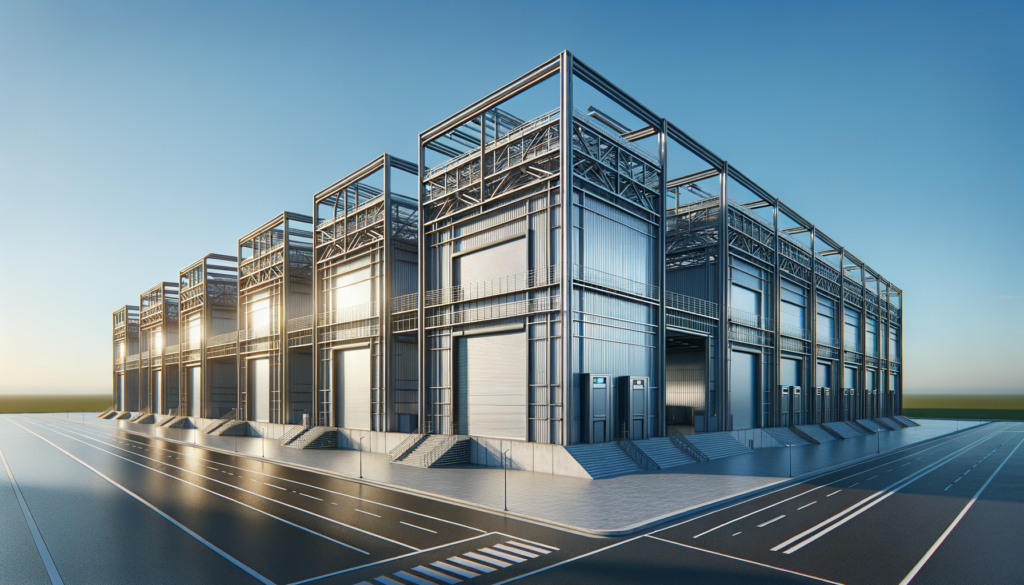
When considering the construction of a new building or renovation of an existing structure, durability and longevity are paramount. You want a material that can withstand the test of time, and that’s where modern building materials shine. For instance, steel and concrete are renowned for their strength and resilience. They can endure extreme weather conditions, resist wear and tear, and maintain structural integrity for decades. This means that when you invest in a building made from these materials, you’re not just making a short-term decision; you’re laying the groundwork for a long-lasting investment.
Moreover, the durability of your building materials translates into fewer repairs and replacements over the years. You can rest easy knowing that your structure is built to last, which ultimately saves you time and money in the long run. The peace of mind that comes with knowing your investment is secure is invaluable. You can focus on what truly matters—whether it’s running your business or enjoying your home—without the constant worry of impending repairs or structural failures.
If you’re considering investing in a metal building, understanding the installation process can be crucial. A related article that provides valuable insights into this topic is available at Custom Metal Buildings Near Madison County, ID. This resource outlines the benefits of custom metal structures and offers guidance on installation specifics tailored to the Madison County area, making it a great read for anyone interested in metal buildings.
Cost-Effectiveness
Cost-effectiveness is a critical factor in any construction project. You want to ensure that your investment yields the best possible returns without compromising on quality. When you choose durable materials, you often find that they may have a higher upfront cost but pay off significantly over time. For example, while traditional wood may be cheaper initially, it often requires more maintenance and replacement than materials like brick or steel. By opting for cost-effective solutions, you can allocate your budget more efficiently, ensuring that every dollar spent contributes to the overall value of your project.
Additionally, consider the long-term savings associated with energy-efficient designs and materials. Investing in high-quality insulation or energy-efficient windows may seem like an added expense at first, but these features can drastically reduce your utility bills over time. You’ll find that the initial investment pays for itself as you enjoy lower energy costs month after month. In this way, cost-effectiveness isn’t just about the initial outlay; it’s about making smart choices that lead to financial savings in the future.
Versatility in Design
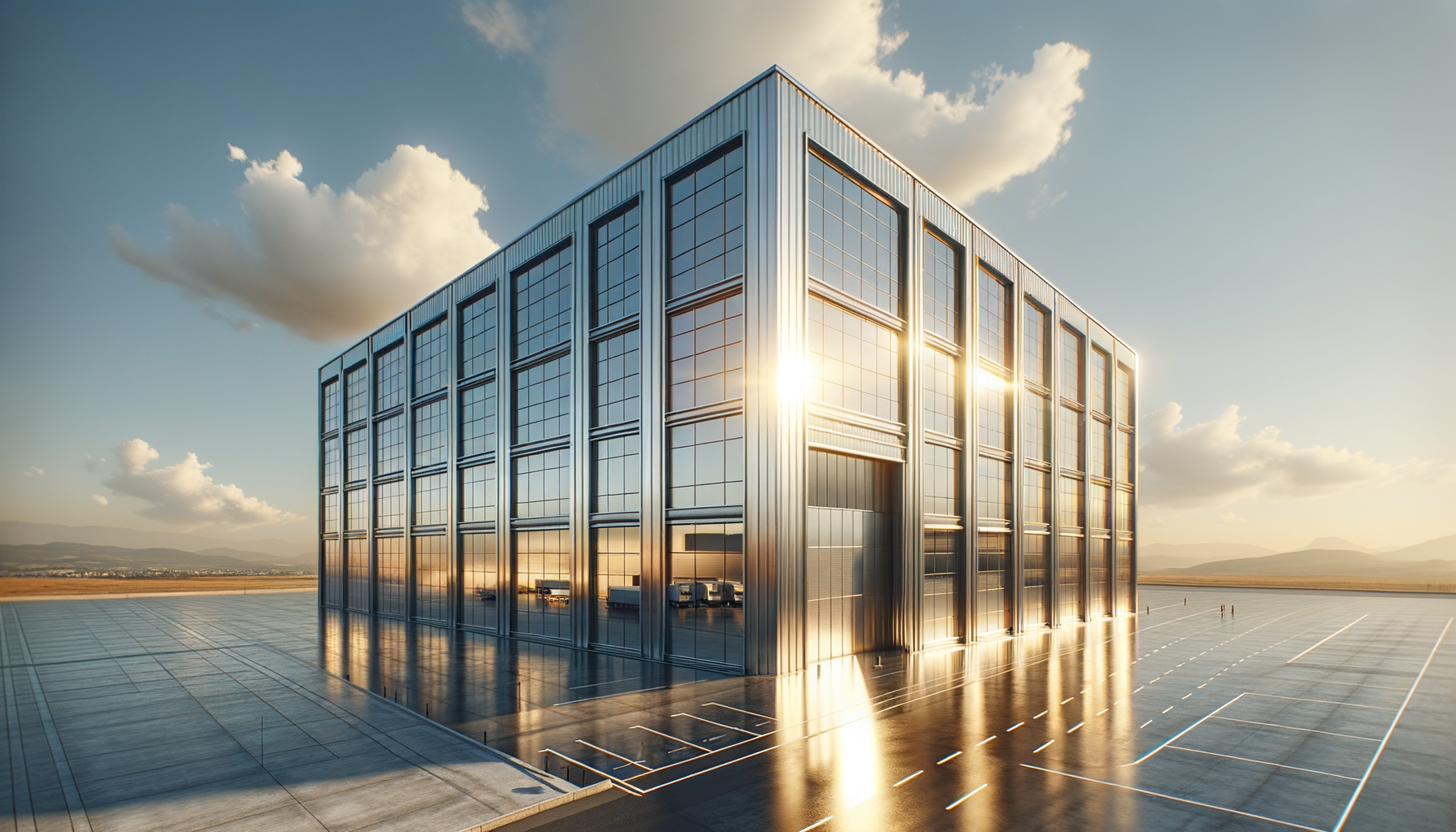
One of the most appealing aspects of modern construction materials is their versatility in design. Whether you’re looking to create a sleek, contemporary office space or a cozy, rustic home, you have a plethora of options at your disposal. Materials like steel and glass allow for expansive open spaces and large windows that flood interiors with natural light, while wood can add warmth and character to any design. This versatility means that you can tailor your space to reflect your personal style or brand identity without being limited by material constraints.
Furthermore, the adaptability of these materials means that they can be used in various architectural styles. Whether you prefer minimalist aesthetics or intricate designs, modern materials can accommodate your vision. This flexibility not only enhances the aesthetic appeal of your project but also allows for innovative solutions that can meet specific functional needs. You can create spaces that are not only beautiful but also practical, ensuring that every aspect of your design serves a purpose.
Energy Efficiency
In today’s world, energy efficiency is more than just a buzzword; it’s a necessity. As energy costs continue to rise and environmental concerns grow, you want to ensure that your building is as energy-efficient as possible. By incorporating energy-efficient materials and technologies into your construction project, you can significantly reduce your carbon footprint while also saving money on utility bills. For instance, using high-performance insulation and energy-efficient windows can help maintain comfortable indoor temperatures year-round, reducing the need for excessive heating or cooling.
Moreover, energy-efficient designs often qualify for various incentives and rebates, further enhancing their cost-effectiveness. Many governments and organizations offer financial benefits for those who choose to invest in sustainable building practices. By taking advantage of these opportunities, you not only contribute to a healthier planet but also improve your bottom line. The combination of reduced energy consumption and potential financial incentives makes energy efficiency a win-win situation for both you and the environment.
If you’re considering the benefits of metal buildings for your property, you might find it interesting to explore the advantages of custom metal garages. These structures offer durability and versatility, making them an excellent choice for various uses. For more information on this topic, check out this article on custom metal garages near Fremont County, Wyoming, which details installation options and features that can enhance your space.
Environmental Sustainability
| Metrics | Data |
|---|---|
| Cost | Lower cost per square foot compared to traditional construction |
| Strength | High strength-to-weight ratio |
| Construction Time | Shorter construction time compared to traditional buildings |
| Customization | High level of customization options |
| Maintenance | Low maintenance requirements |
As awareness of environmental issues continues to grow, sustainability has become a crucial consideration in construction projects. You want to ensure that your building practices are not only efficient but also environmentally responsible. By choosing sustainable materials—such as recycled steel or sustainably sourced wood—you can minimize your impact on the planet while still achieving high-quality results. These materials often require less energy to produce and generate less waste during construction, making them an excellent choice for eco-conscious builders.
Additionally, incorporating green building practices into your project can enhance its overall sustainability. This might include installing solar panels, utilizing rainwater harvesting systems, or implementing green roofs. These features not only contribute to environmental sustainability but also create healthier living and working environments for occupants. By prioritizing sustainability in your construction project, you’re making a positive impact on the planet while also appealing to an increasingly eco-aware market.
If you’re considering the benefits of metal buildings for your property, you might find it interesting to explore how vertical roof metal carports can enhance your outdoor space. These structures not only provide excellent protection against the elements but also offer a stylish and durable solution for vehicle storage. For more detailed information on installation options and features, you can check out this related article on vertical roof metal carports near Stillwater County, MT.
Quick Construction Time
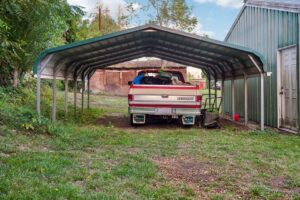
Metal carports and buildings are available in a variety of styles, check them out at Buildings.
In today’s fast-paced world, time is often of the essence when it comes to construction projects. You want to minimize downtime and get your building up and running as quickly as possible. Modern construction techniques and materials have made it easier than ever to achieve rapid construction timelines without sacrificing quality. Prefabricated components, for example, can be manufactured off-site and then assembled on location, significantly reducing construction time.
This quick construction time not only allows you to start using your space sooner but also minimizes labor costs associated with prolonged projects. Fewer delays mean less disruption to your plans, whether you’re opening a new business or moving into a new home. The ability to complete projects swiftly while maintaining high standards of quality is a significant advantage in today’s competitive market.
Low Maintenance
One of the most appealing aspects of modern building materials is their low maintenance requirements. You want a structure that looks great and functions well without demanding constant attention and upkeep. Materials like vinyl siding or metal roofing are designed to withstand the elements without requiring frequent repairs or replacements. This means you can spend less time worrying about maintenance tasks and more time enjoying your space.
Additionally, low-maintenance materials often come with warranties that provide peace of mind regarding their longevity and performance. Knowing that your investment is protected against defects or premature wear allows you to focus on other priorities in your life or business. The convenience of low-maintenance options makes them an attractive choice for anyone looking to simplify their property management responsibilities.
Resistance to Harsh Weather Conditions
When constructing a building, it’s essential to consider the local climate and potential weather challenges. You want materials that can withstand harsh conditions—be it heavy rain, snow, extreme heat, or high winds—without compromising structural integrity. Modern materials like reinforced concrete and impact-resistant glass are designed specifically for these challenges, providing peace of mind that your building will endure whatever nature throws its way.
Moreover, buildings constructed with weather-resistant materials often require fewer repairs over time due to damage from environmental factors. This resilience not only protects your investment but also enhances safety for occupants during severe weather events. By choosing materials known for their resistance to harsh conditions, you’re ensuring that your structure remains safe and functional for years to come.
Fire Resistance
Fire safety is a critical consideration in any construction project. You want to ensure that your building is equipped with materials that minimize fire risk and protect occupants in case of an emergency. Fire-resistant materials such as concrete, brick, and certain types of treated wood can significantly enhance the safety of your structure by slowing down the spread of flames and providing valuable time for evacuation.
Incorporating fire-resistant designs into your building not only protects lives but can also lower insurance premiums over time. Insurance companies often reward property owners who take proactive measures to enhance fire safety with reduced rates. By investing in fire-resistant materials and designs, you’re not only safeguarding lives but also potentially saving money in the long run.
Customization Options
Every project is unique, and you want to ensure that your building reflects your individual style or brand identity. Fortunately, modern construction materials offer a wide range of customization options that allow you to tailor every aspect of your project to meet specific needs and preferences. From choosing colors and finishes to selecting unique architectural features, the possibilities are virtually limitless.
This level of customization means that you can create spaces that are not only functional but also aesthetically pleasing and reflective of your vision. Whether you’re designing a commercial space that needs to convey professionalism or a home that should feel warm and inviting, modern materials provide the flexibility necessary to achieve your goals without compromise.
Potential for Expansion
As your needs evolve over time, so too may the requirements of your building. You want a structure that can adapt to changing circumstances without requiring extensive renovations or costly modifications. Many modern construction materials lend themselves well to expansion projects due to their modular nature and ease of integration with existing structures.
For instance, if you anticipate future growth for your business or family size changes at home, designing with expansion in mind can save you significant time and money down the line. By choosing adaptable materials and designs from the outset, you’re ensuring that your building remains functional and relevant as needs change over time.
In conclusion, when embarking on a construction project, considering factors such as durability, cost-effectiveness, versatility in design, energy efficiency, environmental sustainability, quick construction time, low maintenance requirements, resistance to harsh weather conditions, fire resistance, customization options, and potential for expansion will lead you toward making informed decisions that benefit both you and the environment in the long run. Each aspect plays a crucial role in ensuring that your investment stands the test of time while meeting both current needs and future aspirations.
FAQs
What are metal buildings?
Metal buildings are structures made primarily of metal components, such as steel or aluminum. They are commonly used for various purposes, including commercial, industrial, agricultural, and residential applications.
What are the benefits of metal buildings?
Metal buildings offer several advantages, including durability, cost-effectiveness, quick construction, low maintenance, and design flexibility. They are also resistant to fire, termites, and other pests.
What are the common uses of metal buildings?
Metal buildings are used for a wide range of purposes, such as warehouses, workshops, storage facilities, agricultural buildings, garages, aircraft hangars, retail stores, and even residential homes.
How long do metal buildings last?
When properly maintained, metal buildings can last for decades. The lifespan of a metal building depends on factors such as the quality of materials, construction techniques, and environmental conditions.
Are metal buildings customizable?
Yes, metal buildings are highly customizable in terms of size, shape, design, and features. They can be tailored to meet specific requirements and can be easily modified or expanded in the future.