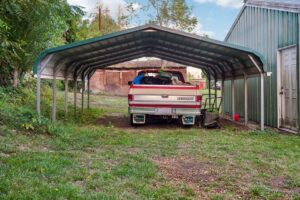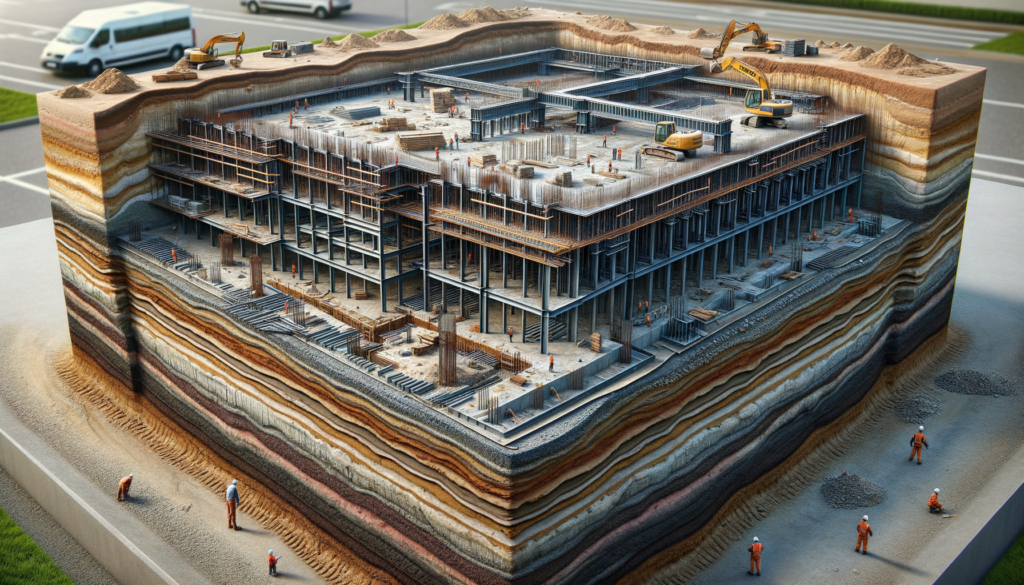
When embarking on the journey of constructing a metal building, the significance of a solid foundation cannot be overstated. A well-constructed foundation serves as the backbone of your structure, providing stability and support that is crucial for the longevity and durability of the building. Without a strong foundation, even the most meticulously designed metal building can suffer from structural issues, leading to costly repairs and potential safety hazards. You must recognize that the foundation is not merely a base; it is an integral part of the overall design and functionality of your metal building.
Moreover, a solid foundation helps to distribute the weight of the metal structure evenly across the ground, preventing settling or shifting that can occur over time. This is particularly important in areas with varying soil conditions or climates. By investing time and resources into creating a robust foundation, you are essentially safeguarding your investment. A strong foundation not only enhances the structural integrity of your metal building but also contributes to its aesthetic appeal, ensuring that it stands tall and proud for years to come.
When considering the installation of a metal building, understanding the importance of a solid foundation is crucial for ensuring longevity and stability. For those interested in exploring options for metal buildings in specific locations, a related article can provide valuable insights. You can read more about steel buildings available near Pierce County, Washington, by visiting this link: Steel Buildings for Sale Near Pierce County, Washington. This resource offers information on various building options and installation tips that can help you make an informed decision.
Types of Foundations for Metal Buildings
When it comes to selecting a foundation for your metal building, you have several options to consider, each with its own set of advantages and suitability depending on your specific needs. One common type is the concrete slab foundation, which involves pouring a thick layer of concrete directly onto the ground. This type of foundation is ideal for many metal buildings as it provides a solid, level surface that can support heavy loads. Additionally, a concrete slab can help prevent moisture from seeping into the building, making it a practical choice for various applications.
Another option is the pier and beam foundation, which consists of concrete piers that elevate the building above ground level. This type of foundation is particularly beneficial in areas prone to flooding or where soil conditions are less than ideal. By raising the structure, you reduce the risk of water damage and allow for better ventilation underneath the building. As you explore these options, consider factors such as local building codes, soil conditions, and the intended use of your metal building to determine which foundation type will best meet your needs.
Factors to Consider When Choosing a Foundation for a Metal Building
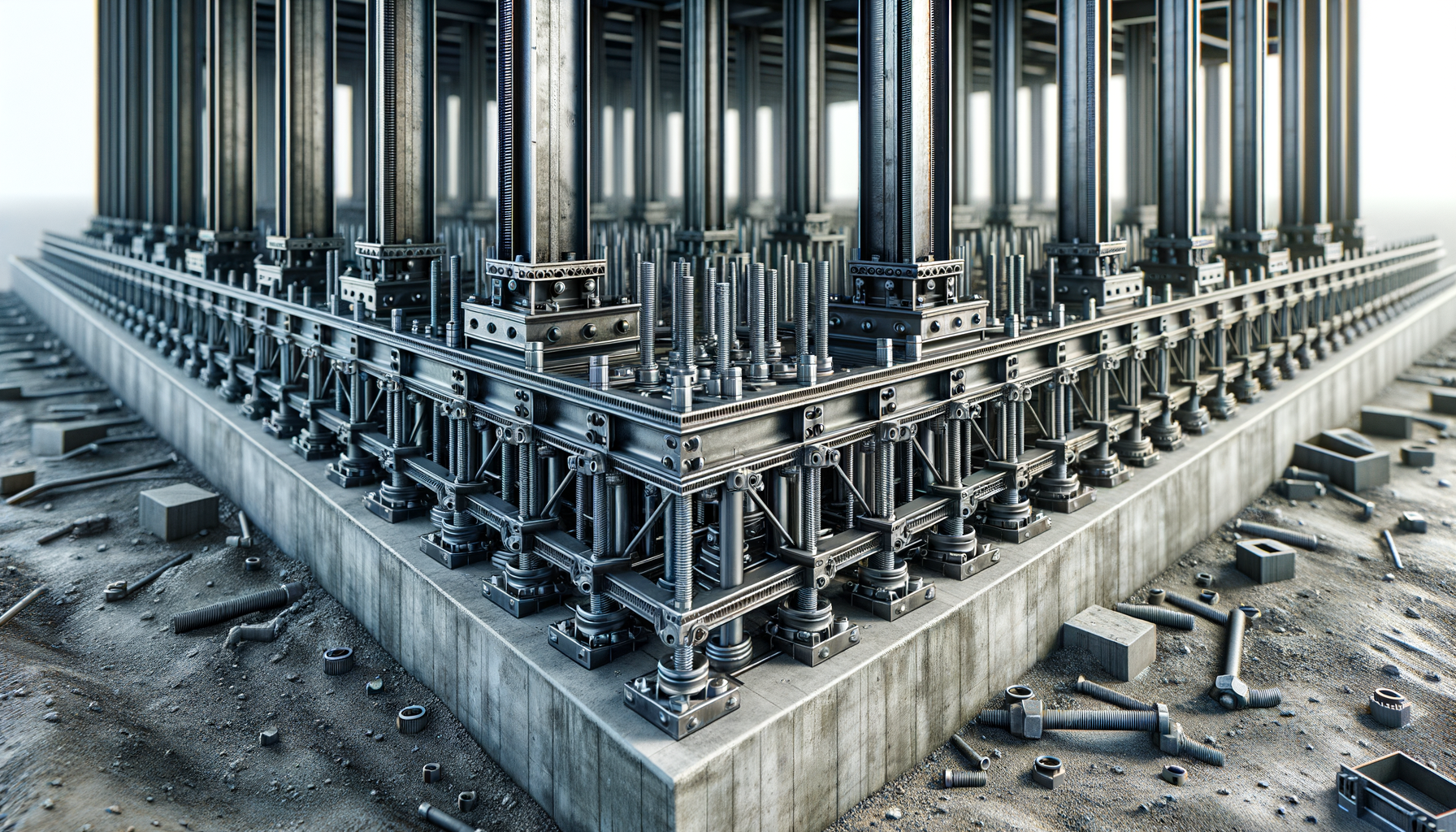
Choosing the right foundation for your metal building involves careful consideration of several key factors. First and foremost, you need to assess the soil conditions at your site. Different types of soil can affect how well a foundation will perform over time. For instance, clay soils can expand and contract with moisture changes, potentially leading to shifting or cracking in your foundation. Conducting a soil test can provide valuable insights into what type of foundation will be most effective in your specific location.
Another critical factor is the size and weight of your metal building. Larger structures will require more robust foundations to support their weight and withstand environmental stresses such as wind or snow loads. Additionally, consider the purpose of your building; if it will house heavy machinery or equipment, you may need to invest in a more substantial foundation to accommodate those loads. By taking these factors into account, you can make an informed decision that ensures your metal building remains stable and secure for years to come.
Preparing the Site for Metal Building Foundation Installation
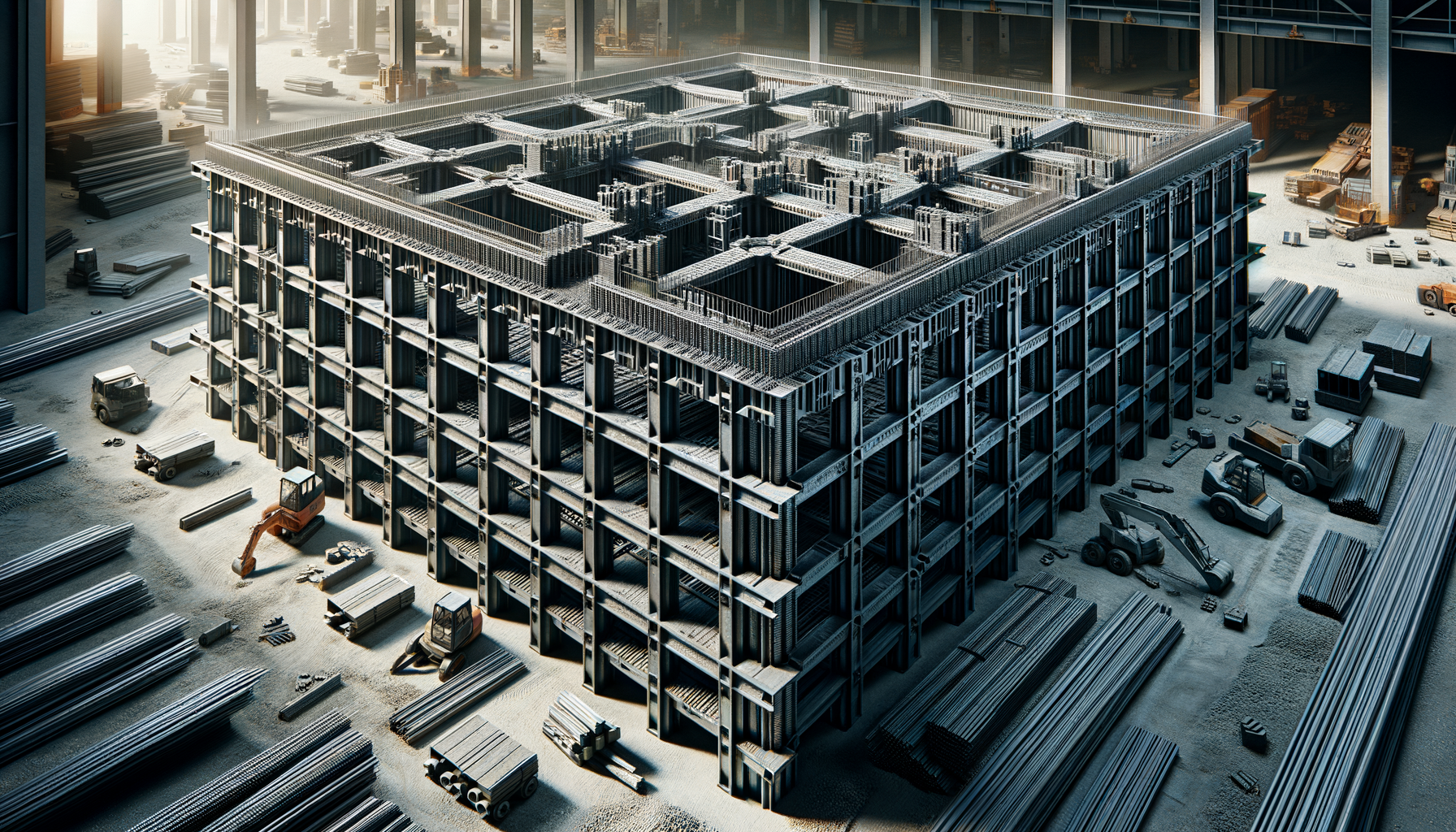
Before you can lay the foundation for your metal building, proper site preparation is essential. This process begins with clearing the area where the foundation will be installed. You’ll need to remove any vegetation, debris, or existing structures that could interfere with the installation process. It’s also important to level the ground to create a stable base for your foundation. Uneven terrain can lead to complications down the line, so taking the time to ensure a flat surface is crucial.
Once the site is cleared and leveled, you should mark out the dimensions of your foundation according to your building plans. This step involves measuring and staking out the corners and edges of the foundation area. You may also want to consider installing temporary markers or string lines to help visualize the layout. Additionally, it’s wise to check local regulations and obtain any necessary permits before proceeding with excavation or construction work. By thoroughly preparing your site, you set yourself up for a smoother installation process and a more successful outcome.
When considering the construction of a metal building, understanding the importance of a solid foundation is crucial for ensuring its longevity and stability. A well-prepared foundation not only supports the structure but also helps prevent issues related to moisture and shifting soil. For those interested in learning more about the installation process of metal buildings, you can find valuable insights in a related article that discusses various aspects of metal storage buildings in Wasatch County, Utah. This resource can be accessed [here](https://metalcarportsandbuildings.com/installationcounties/metal-storage-buildings-near-wasatch-county-utah/), offering practical information that complements your foundation planning.
Pouring the Concrete for the Metal Building Foundation
| Metrics | Data |
|---|---|
| Foundation Type | Metal Pier Foundation |
| Foundation Material | Steel |
| Foundation Thickness | Varies based on building size |
| Foundation Anchors | Steel anchors embedded in concrete |
With your site prepared and marked out, you can move on to pouring the concrete for your metal building foundation. This step requires careful planning and execution to ensure that the concrete sets properly and provides a strong base for your structure. Begin by mixing the concrete according to manufacturer specifications, ensuring that you achieve the right consistency for pouring. If you’re using ready-mix concrete, coordinate with your supplier to schedule timely deliveries.
When pouring the concrete, it’s essential to work quickly and efficiently to avoid any inconsistencies in thickness or texture. Use forms made from wood or metal to contain the concrete as you pour it into place. Once poured, you’ll need to level and smooth the surface using tools such as trowels or screeds. Allowing adequate time for curing is also critical; follow recommended curing times to ensure that the concrete reaches its full strength before proceeding with any further construction on top of it.
Ensuring Proper Drainage and Waterproofing for the Foundation
Metal carports and buildings are available in a variety of styles, including regular, boxed-eave, and vertical roof buildings.
Proper drainage and waterproofing are vital components of a successful metal building foundation installation. Without adequate drainage, water can accumulate around or beneath your foundation, leading to erosion or structural damage over time. To mitigate this risk, consider incorporating drainage systems such as French drains or swales around your foundation area. These systems help redirect water away from your building, protecting it from potential water damage.
In addition to drainage solutions, waterproofing measures should also be implemented during the foundation installation process. Applying waterproofing membranes or sealants can help prevent moisture from penetrating through cracks or pores in the concrete. This is especially important in regions with high rainfall or fluctuating groundwater levels. By prioritizing both drainage and waterproofing, you enhance the longevity of your metal building foundation and reduce maintenance concerns in the future.
Anchoring the Metal Building to the Foundation
Once your concrete foundation has cured properly, anchoring your metal building securely is essential for stability and safety. The anchoring process involves using anchor bolts or straps that connect the metal structure directly to the foundation. These anchors help resist lateral forces such as wind or seismic activity that could otherwise compromise the integrity of your building.
To ensure proper anchoring, follow manufacturer guidelines regarding bolt placement and spacing based on your specific building design. It’s crucial to install these anchors while the concrete is still wet or immediately after it has cured to achieve optimal bonding strength. By taking care during this step, you create a solid connection between your metal building and its foundation, providing peace of mind that it will withstand environmental stresses over time.
Common Issues with Metal Building Foundations and How to Address Them
Even with careful planning and execution, issues can arise with metal building foundations that require attention. One common problem is settling or shifting due to poor soil conditions or inadequate drainage systems. If you notice cracks in your concrete or misalignment in your structure, it may indicate that settling has occurred. Addressing this issue often involves reinforcing the foundation through underpinning techniques or improving drainage around the site.
Another potential issue is moisture infiltration, which can lead to mold growth or structural damage over time. If you find signs of water pooling around your foundation or dampness within your building, it’s essential to investigate further. Solutions may include enhancing drainage systems, applying additional waterproofing measures, or even installing sump pumps if necessary. By being proactive about these common issues, you can maintain a healthy environment within your metal building while preserving its structural integrity.
Inspecting and Maintaining the Metal Building Foundation
Regular inspection and maintenance of your metal building foundation are crucial for ensuring its longevity and performance over time. Schedule periodic checks to look for signs of wear or damage such as cracks in the concrete or shifting in alignment with your structure. Early detection of these issues allows you to address them promptly before they escalate into more significant problems.
In addition to visual inspections, consider implementing routine maintenance practices such as cleaning gutters and downspouts to prevent water buildup around your foundation area. Keeping landscaping well-trimmed can also help reduce moisture retention near your building’s base. By staying vigilant about inspections and maintenance tasks, you contribute significantly to extending the life of both your metal building and its foundational support.
Advantages of a Well-Constructed Metal Building Foundation
Investing in a well-constructed metal building foundation offers numerous advantages that extend beyond mere structural support. A solid foundation enhances energy efficiency by providing better insulation against temperature fluctuations from the ground below. This can lead to reduced heating and cooling costs over time, making your building more economical in terms of energy consumption.
Additionally, a robust foundation contributes positively to property value by ensuring that your metal building remains stable and visually appealing over time. Potential buyers or tenants are more likely to be attracted to properties with well-maintained foundations since they signify quality construction practices. Ultimately, prioritizing a strong foundation not only protects your investment but also enhances its overall marketability.
Working with Professionals for Metal Building Foundation Installation
While some aspects of metal building foundation installation may seem manageable on your own, enlisting professional help can save you time and ensure quality results. Experienced contractors bring valuable expertise in assessing site conditions, selecting appropriate materials, and executing installation techniques that adhere to local codes and regulations.
Working with professionals also allows you access to specialized equipment that may be necessary for tasks such as excavation or concrete pouring—tools that might not be readily available for DIY projects. By collaborating with skilled experts throughout this process, you can rest assured knowing that every detail is handled efficiently and effectively, ultimately leading to a successful outcome for your metal building project.
In conclusion, laying a solid foundation for your metal building is an essential step that requires careful planning and execution. From understanding different types of foundations to ensuring proper drainage and waterproofing measures are in place, each aspect plays a critical role in supporting your structure’s longevity and performance over time. By prioritizing these considerations—and potentially working alongside professionals—you set yourself up for success in creating a durable space that meets all of your needs.
FAQs
What is a metal building foundation?
A metal building foundation is the base on which a metal building is constructed. It provides support and stability for the entire structure.
What are the different types of metal building foundations?
There are several types of metal building foundations, including concrete slab, pier and beam, and concrete piers. The type of foundation used depends on factors such as soil conditions, building size, and local building codes.
How is a metal building foundation constructed?
The construction of a metal building foundation typically involves excavation of the site, pouring of concrete or installation of piers, and ensuring proper leveling and alignment for the building to be erected on.
What factors should be considered when choosing a metal building foundation?
Factors to consider when choosing a metal building foundation include soil type, local climate, building size and weight, intended use of the building, and local building codes and regulations.
Why is a proper foundation important for a metal building?
A proper foundation is important for a metal building because it provides stability, prevents settling and shifting, and ensures the structural integrity and longevity of the building. It also helps to distribute the weight of the building evenly and can impact the building’s resistance to environmental factors such as wind and seismic activity.