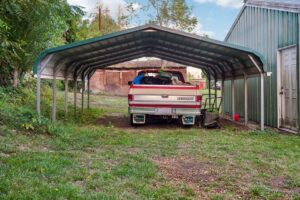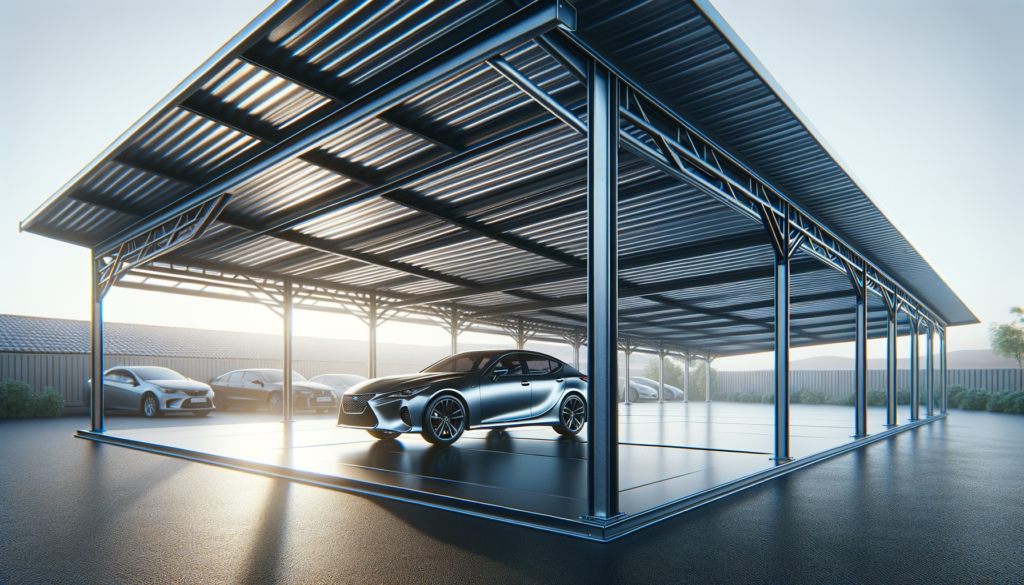
When it comes to constructing a new structure for your property, whether it’s for storage, livestock, or even a workshop, the choice between a pole barn and a metal building can be daunting. Both options have their unique advantages and disadvantages, making it essential for homeowners, ranch owners, and business owners to understand the fundamental differences. Pole barns, often constructed with wooden posts and a metal roof, are known for their rustic charm and versatility. On the other hand, metal buildings, typically made from steel or aluminum, offer durability and low maintenance.
The decision between these two types of structures often hinges on various factors such as cost, longevity, and intended use. For instance, if you’re looking for a quick and budget-friendly solution, a pole barn might be the way to go. However, if you prioritize durability and energy efficiency, a metal building could be the better investment. In this article, we will delve into a comprehensive comparison of pole barns and metal buildings across multiple dimensions to help you make an informed decision.
When considering the cost-effectiveness of construction options, many people often ask, “What is cheaper, a pole barn or a metal building?” To gain a deeper understanding of the factors influencing these costs, you might find it helpful to explore related resources. For instance, an informative article on custom metal buildings in Bonneville County, Idaho, can provide insights into pricing, installation, and design options. You can read more about it here: Custom Metal Buildings Near Bonneville County, Idaho.
Cost comparison: Analyzing the initial cost of constructing a pole barn versus a metal building
When evaluating the initial costs of constructing a pole barn versus a metal building, it’s crucial to consider not just the price of materials but also labor and site preparation. Generally speaking, pole barns tend to have a lower upfront cost. According to Mike Daniels, owner of Metal Carports and Buildings, “Pole barns can be built for as little as $10 to $20 per square foot, depending on the materials used and local labor rates.” This affordability makes them an attractive option for many property owners.
In contrast, metal buildings usually range from $20 to $40 per square foot. While this higher price tag may seem daunting at first glance, it’s essential to factor in the long-term benefits that come with investing in a metal structure. The initial cost is just one piece of the puzzle; understanding how these costs play out over time is equally important.
Long-term expenses: Examining the maintenance and repair costs of pole barns and metal buildings over time
Long-term expenses are where the differences between pole barns and metal buildings become more pronounced. Pole barns require regular maintenance to keep them in good condition. This includes treating wooden posts to prevent rot and insect damage, as well as periodic repainting or staining to maintain their appearance. Over time, these maintenance tasks can add up significantly.
On the other hand, metal buildings are generally low-maintenance. They are resistant to pests and do not require regular treatments like wood does. A well-constructed metal building can last for decades with minimal upkeep. According to industry experts, “The long-term savings on maintenance can make metal buildings a more cost-effective choice in the long run.” Therefore, while the initial investment may be higher for metal buildings, their lower long-term expenses can make them a more economical option over time.
Material costs: Breaking down the costs of the materials used in constructing pole barns and metal buildings
The materials used in constructing pole barns and metal buildings significantly influence their overall costs. Pole barns typically utilize treated wood for their posts and framing, along with metal sheeting for roofing and siding. The price of treated lumber can fluctuate based on market conditions, which can impact the overall cost of your pole barn project.
In contrast, metal buildings are primarily constructed from steel or aluminum. While these materials can be more expensive upfront, they offer superior durability and resistance to environmental factors such as fire and pests. Additionally, steel prices have been relatively stable compared to lumber prices in recent years. This stability can make budgeting for a metal building project easier. Ultimately, understanding the material costs involved in each option is crucial for making an informed decision that aligns with your budget.
When considering the cost-effectiveness of a pole barn versus a metal building, it’s essential to explore various factors that can influence your decision. For instance, the installation process and local availability of materials can significantly affect overall expenses. If you’re looking for professional help, you might find it useful to check out this article on metal carport installers in your area, which can provide insights into installation costs and options available near you. Understanding these aspects can help you make a more informed choice between the two building types.
Construction time: Comparing the time it takes to build a pole barn versus a metal building and its impact on overall costs
| Comparison | Pole Barn | Metal Building |
|---|---|---|
| Cost of Construction | Lower | Higher |
| Maintenance Cost | Higher | Lower |
| Construction Time | Longer | Shorter |
| Customization Options | More limited | More flexible |
Construction time is another critical factor that can influence overall costs when deciding between a pole barn and a metal building. Generally speaking, pole barns can be constructed relatively quickly—often within a few weeks—depending on the complexity of the design and local weather conditions. This speed can be advantageous for property owners looking for immediate solutions.
Metal buildings, while also quick to assemble due to pre-fabricated components, may take slightly longer due to the need for precise engineering and site preparation. However, once construction begins, many metal buildings can be erected in just a few days. The faster construction time can lead to lower labor costs overall. Therefore, while both options have their timelines, understanding how construction time impacts your budget is essential for making an informed choice.
Customization options: Exploring the flexibility and additional costs associated with customizing pole barns and metal buildings
Sure, here is the sentence with the clickable link:
Please visit our website to Request a Free No Obligation Quote: https://metalcarportsandbuildings.com/contact
Customization is often a significant consideration when choosing between pole barns and metal buildings. Pole barns offer considerable flexibility in design due to their wooden framework. Homeowners can easily add features such as windows, doors, or even lofts without extensive modifications. However, these customizations can lead to increased costs depending on the materials used.
Metal buildings also offer customization options but may come with additional costs due to engineering requirements. For instance, adding windows or doors may necessitate structural reinforcements that could increase your overall budget. However, many manufacturers provide customizable kits that allow you to tailor your building while keeping costs manageable. Ultimately, understanding your specific needs and how they align with customization options will help you make an informed decision.
Energy efficiency: Evaluating the energy efficiency of pole barns and metal buildings and its impact on long-term expenses
Energy efficiency is an increasingly important factor for property owners concerned about long-term expenses. Metal buildings often outperform pole barns in this regard due to their insulation capabilities. Many modern metal structures come equipped with energy-efficient insulation systems that help regulate temperature year-round.
In contrast, while pole barns can also be insulated effectively, they may not achieve the same level of energy efficiency without additional investment in insulation materials. This difference can lead to higher heating and cooling costs over time for less efficient structures. As Mike Daniels notes, “Investing in energy-efficient features now can save you money on utility bills down the line.” Therefore, considering energy efficiency is vital when evaluating long-term expenses associated with both types of structures.
Resale value: Considering the resale value of pole barns versus metal buildings and its impact on overall cost-effectiveness
Resale value is another critical aspect that property owners should consider when choosing between pole barns and metal buildings. Generally speaking, metal buildings tend to hold their value better than pole barns due to their durability and low maintenance requirements. A well-constructed metal building can appeal to potential buyers looking for functional space that requires minimal upkeep.
On the other hand, while pole barns may have a certain charm that attracts buyers interested in rustic aesthetics or agricultural uses, they may not command the same resale value as their metal counterparts. This difference in resale value can significantly impact overall cost-effectiveness over time. Therefore, understanding how each option aligns with your long-term goals is essential when making your decision.
Durability and longevity: Assessing the lifespan and durability of pole barns and metal buildings and its influence on cost
Durability and longevity are crucial factors that directly influence cost considerations when comparing pole barns and metal buildings. Metal buildings are renowned for their strength and resilience against harsh weather conditions such as heavy snow loads or high winds. With proper maintenance, these structures can last 50 years or more.
In contrast, while well-built pole barns can also last for decades, they are more susceptible to issues like rot or insect damage if not properly maintained. The lifespan of a pole barn may range from 20 to 30 years depending on environmental factors and upkeep efforts. Therefore, when assessing durability and longevity, it becomes clear that investing in a metal building may offer better long-term value.
Local regulations and permits: Factoring in the costs associated with obtaining permits and adhering to local building codes for pole barns and metal buildings
Local regulations and permits are essential considerations when planning any construction project. Both pole barns and metal buildings require permits that vary by location; however, navigating these regulations can sometimes be more straightforward with metal structures due to their standardized designs.
In some areas, building codes may impose stricter requirements on wooden structures compared to steel ones due to concerns about fire safety or structural integrity. This could lead to additional costs associated with meeting local codes for pole barns that might not apply to metal buildings. Therefore, understanding your local regulations is crucial for budgeting accurately.
Summarizing the cost comparison and identifying the most cost-effective option for different needs and budgets
In summary, both pole barns and metal buildings offer unique advantages that cater to different needs and budgets. Pole barns generally have lower initial costs but require more maintenance over time, which can add up significantly in long-term expenses. Conversely, while metal buildings may have higher upfront costs, they offer durability, low maintenance requirements, energy efficiency, and better resale value.
Ultimately, your choice should align with your specific needs—whether you prioritize initial affordability or long-term investment value. By carefully considering factors such as construction time, customization options, energy efficiency, durability, local regulations, and resale value, you can make an informed decision that best suits your property goals. Whether you opt for a charming pole barn or a robust metal building, understanding these elements will help ensure you choose the most cost-effective solution for your unique situation.
FAQs
1. What is a pole barn?
A pole barn is a type of building structure that uses large poles or posts buried in the ground to provide support for the roof and walls. It typically has a wood frame and metal siding.
2. What is a metal building?
A metal building is a structure made primarily of metal components, including steel framing and metal roofing and siding. It is often used for commercial, industrial, or agricultural purposes.
3. Which is cheaper, a pole barn or a metal building?
In general, pole barns tend to be cheaper to construct than metal buildings. This is because pole barns require fewer materials and less labor to build, making them a cost-effective option for many applications.
4. What are the cost differences between a pole barn and a metal building?
The cost of a pole barn can vary depending on factors such as size, materials, and location, but it is generally lower than the cost of a metal building. Metal buildings often require more materials and labor, leading to higher construction costs.
5. Are there any other factors to consider when choosing between a pole barn and a metal building?
In addition to cost, other factors to consider when choosing between a pole barn and a metal building include the intended use of the structure, local building codes and regulations, durability, and maintenance requirements. It’s important to weigh these factors carefully to determine the best option for your specific needs.